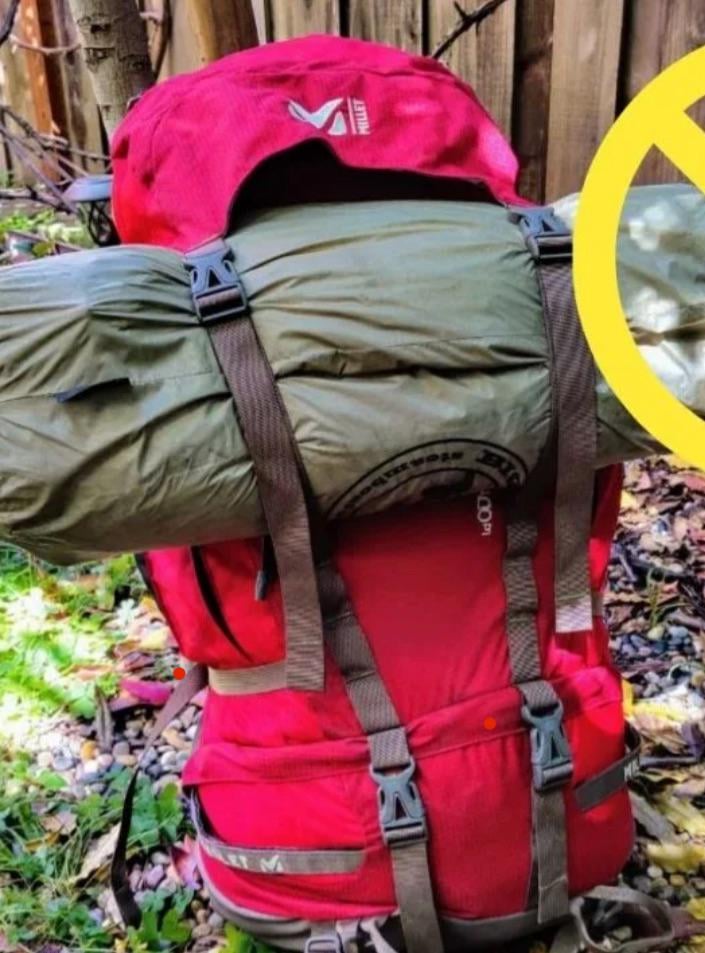
Packing your sleeping bag the right way can make a big difference on your outdoor trips. If you don’t secure it properly to your backpack, it might slip off, get dirty, or take up too much space.
You want your gear safe, easy to carry, and ready when you need it. This guide will show you simple, effective steps to attach your sleeping bag securely. Keep reading, and you’ll learn how to make your backpacking experience smoother and more comfortable from start to finish.
Choosing The Right Sleeping Bag
Picking the right sleeping bag helps keep you warm and comfortable. It also makes packing easier.
Think about the material, size, and how you will store it in your backpack.
Material And Size Considerations
Choose a sleeping bag material that fits the weather. Down bags are light and warm but cost more.
Synthetic bags dry faster and work well in wet conditions. Size matters for comfort and weight.
- Pick a bag size that fits your height and width.
- A smaller bag weighs less but may feel tight.
- Larger bags give more room but add weight.
- Check temperature ratings for your trip’s climate.
Compression And Storage Options
Use compression sacks to save space in your backpack. They make the bag smaller and easier to carry.
Some bags come with storage sacks to keep them dry and clean. Avoid storing your bag compressed for long times.
- Compression sacks reduce volume by squeezing air out.
- Storage sacks protect the bag from dirt and moisture.
- Keep your sleeping bag loose when not in use to keep fluff.
- Pack the bag at the bottom or side of your backpack.

Credit: www.reddit.com
Selecting Backpack Attachment Points
Securing your sleeping bag to your backpack keeps it safe and easy to carry. Choosing the right attachment points helps balance the load.
Look for strong parts on your backpack that can hold the sleeping bag without damaging it or the pack.
External Straps And Loops
External straps and loops are common places to attach a sleeping bag. They are easy to use and keep your bag outside the pack.
Use compression straps or daisy chains to tie the sleeping bag tightly. This prevents it from swinging or falling off during the hike.
- Check the strap strength before attaching heavy gear
- Use loops designed for gear attachment to avoid damage
- Keep the bag low to balance weight and avoid strain
Harness And Frame Features
Some backpacks have built-in harness and frame features made for carrying extra gear. These parts support heavy loads well.
Look for hooks, bars, or pockets on the frame to secure your sleeping bag. These points help keep the bag stable and protected.
- Use frame bars to spread the weight evenly
- Attach the sleeping bag close to the pack’s center
- Secure straps tightly to avoid movement
Packing Techniques For Stability
Securing your sleeping bag to your backpack is important for a stable carry. Proper packing keeps your load balanced and easy to carry. Using the right techniques helps keep your gear safe and compact.
This guide explains two main methods for packing your sleeping bag. It also covers how to balance weight for better stability on the trail.
Rolling Vs Stuffing
Rolling and stuffing are common ways to pack a sleeping bag. Each method affects size and how stable the bag stays on your backpack.
- Rolling:This method keeps the sleeping bag compact and easy to strap on. Rolling tightly makes the bag firm and less likely to shift.
- Stuffing:Stuffing the bag into a sack can save space. It avoids wrinkles but might be softer and less stable when attached.
- Choose rolling if you want a firmer shape. Choose stuffing if you want to save space inside your pack.
Balancing Weight Distribution
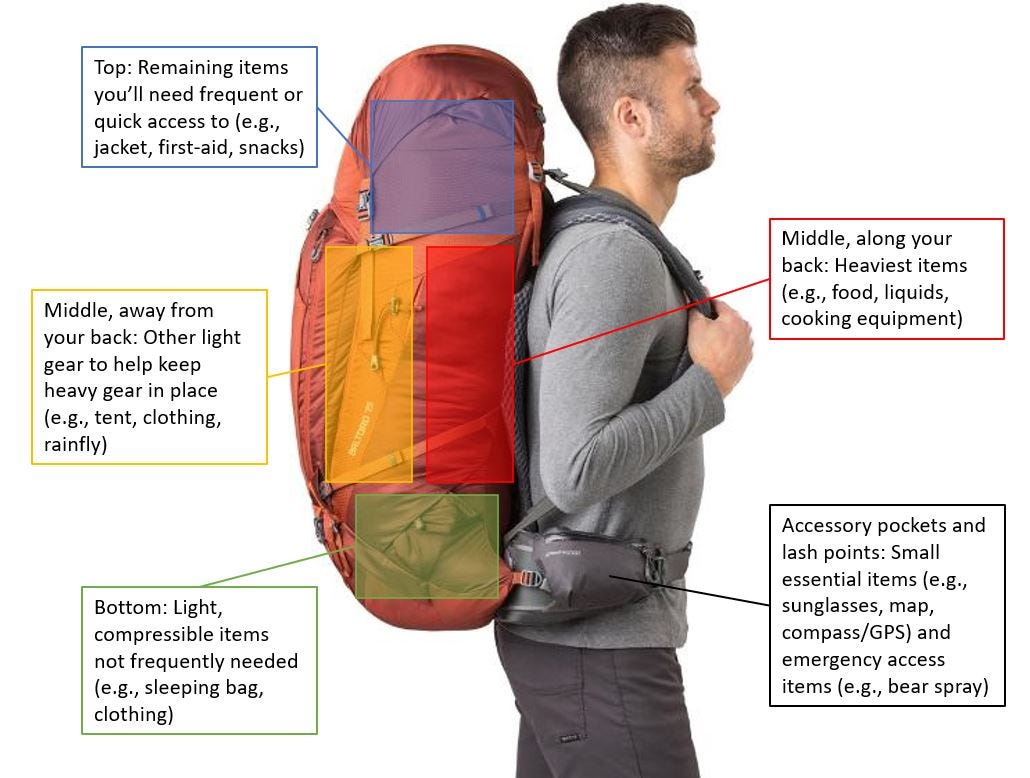
Proper weight balance helps you carry your backpack comfortably and safely. Place heavy items close to your back to keep your center of gravity steady.
| Item | Placement | Reason |
| Sleeping Bag | Bottom or outside | Keeps heavy weight low and stable |
| Heavy Gear | Near your spine, mid-back | Keeps center of gravity close |
| Light Gear | Top or outer areas | Reduces strain and improves balance |

Credit: www.reddit.com
Strapping Methods
Securing your sleeping bag to your backpack helps save space inside. It also keeps the bag dry and clean. There are simple ways to strap your sleeping bag outside the pack.
This guide covers two common strapping methods. You can use compression straps or bungee cords with carabiners. Both work well depending on your backpack and gear.
Using Compression Straps
Compression straps are built into many backpacks. They help hold bulky items like sleeping bags firmly. You can use these straps to keep your bag tight and secure.
- Roll your sleeping bag tightly to reduce size.
- Place the rolled bag at the bottom or side of the backpack.
- Thread the compression straps over the sleeping bag.
- Tighten the straps until the bag feels snug.
- Check that the bag does not shift when you move.
Employing Bungee Cords And Carabiners
Bungee cords and carabiners offer flexible ways to attach your sleeping bag. They work well if your pack lacks compression straps or needs extra support.
| Tool | Use | Tip |
| Bungee Cord | Wrap around the sleeping bag and backpack frame. | Choose cords with hooks for easy fastening. |
| Carabiner | Clip loops on the sleeping bag to backpack loops. | Use locking carabiners for added security. |
Secure the cords tightly but avoid crushing the sleeping bag. Check that carabiners are clipped properly before hiking. This method keeps the bag accessible and stable.
Waterproofing And Protection Tips
Keeping your sleeping bag dry is very important on any trip. Water can make your sleeping bag heavy and cold.
There are simple ways to protect your sleeping bag when you attach it to your backpack. Use the right gear to stay dry and safe.
Dry Bags And Waterproof Covers
Dry bags are special bags that keep water out. They are made from waterproof material and seal tightly.
Waterproof covers fit over your sleeping bag or backpack. They stop rain and snow from soaking your gear.
- Choose dry bags with strong seals and durable fabric
- Pick waterproof covers that fit well and cover all parts
- Check for tears or holes before your trip
- Use both dry bags and covers for extra protection
Securing Against Weather Elements
Attach your sleeping bag tightly to avoid movement in wind or rain. Loose gear can get wet or lost.
Use straps or bungee cords to fasten your sleeping bag under or on the side of your backpack.
- Wrap your sleeping bag in a dry bag first
- Use waterproof covers on top for rain protection
- Secure straps tightly but avoid crushing the bag
- Check the tightness often during your trip
Credit: www.moshoqueque.com
Quick Access And Convenience
Securing your sleeping bag to your backpack needs to be smart. It should allow quick access during stops. Convenience helps you save time and effort while hiking.
This guide covers how to place and adjust your sleeping bag for easy reach and comfort on breaks.
Placement For Easy Reach
Put your sleeping bag where you can grab it fast. Most hikers attach it to the bottom or outside straps of the backpack. Avoid spots that block pockets or zippers.
- Choose a location on the backpack’s exterior
- Use compression straps to keep it tight
- Keep it dry with a waterproof sack or cover
- Ensure it does not interfere with your balance
- Test the reach before starting your hike
Adjusting For Hiking Breaks
During breaks, adjust your sleeping bag for faster packing and unpacking. Loosen straps slightly to remove it easily. Keep it accessible but secure.
| Tip | Action |
| Quick release | Use buckles or clips that open easily |
| Strap length | Adjust straps to avoid tight knots |
| Storage order | Keep sleeping bag outermost for fast access |
| Weight balance | Shift backpack load if bag feels heavy outside |
Common Mistakes To Avoid
Securing a sleeping bag to your backpack is important for comfort and safety. Many hikers make simple mistakes that cause problems on the trail.
Knowing these mistakes helps you pack better. Avoid these errors to keep your gear stable and easy to carry.
Loose Straps And Shifting Loads
Loose straps cause your sleeping bag to move around. This movement can annoy you and throw off your balance.
Shifting loads can make your backpack heavy on one side. This may lead to pain or injury during long hikes.
- Always tighten straps firmly around the sleeping bag.
- Check straps before starting your hike.
- Use extra straps if your backpack has them.
- Keep the sleeping bag close to the pack’s center.
Ignoring Weight And Balance
Ignoring how much your sleeping bag weighs can hurt your back. A heavy load changes how you walk and feel.
Balance is key when attaching your sleeping bag. Poor balance makes hiking harder and less safe.
- Place heavier items close to your back.
- Keep the sleeping bag low to maintain balance.
- Distribute weight evenly on both sides of your backpack.
- Adjust straps to keep the bag stable and centered.
Frequently Asked Questions
How Do I Attach A Sleeping Bag To A Backpack?
Use compression straps or external loops to secure the sleeping bag tightly. Ensure it’s balanced and stable to avoid shifting during hikes.
What’s The Best Position For A Sleeping Bag On A Backpack?
Attach the sleeping bag at the bottom or outside of the pack. This keeps it accessible and frees internal space for other gear.
Can I Secure A Sleeping Bag Without Straps?
Yes, use a dry bag or stuff sack with cords. Tie it securely to backpack loops or bungee cords for stability.
How To Prevent A Sleeping Bag From Getting Wet On A Backpack?
Use a waterproof stuff sack or dry bag. Position it under a rain cover or inside a waterproof backpack compartment.
Conclusion
Securing your sleeping bag to your backpack is crucial for comfortable hikes. A well-attached sleeping bag saves space and balances your load. Simple straps or bungee cords work effectively. Always check your backpack for built-in loops or straps. These can secure your sleeping bag snugly.
Practice makes perfect. Try packing at home before your trip. Ensure everything feels balanced and secure. A well-packed backpack enhances your hiking experience. Enjoy your adventure with peace of mind, knowing your gear is safe and sound. Happy hiking!