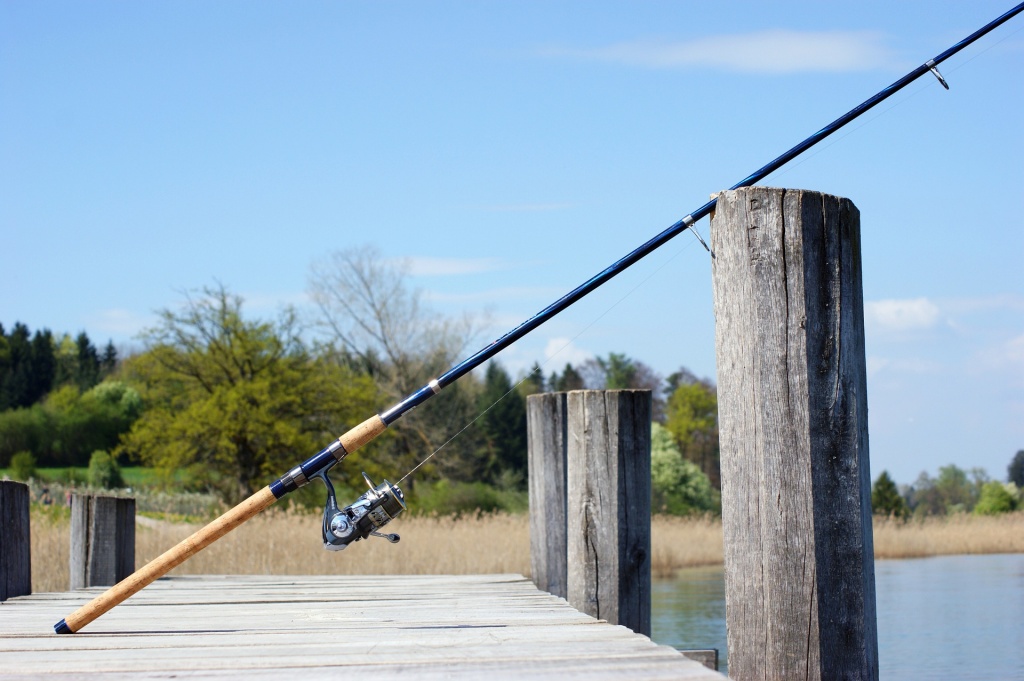
Have you ever wondered when fishing rods were first invented? If you enjoy fishing or are curious about how this simple tool came to be, you’re in the right place.
Fishing rods have changed the way we catch fish and shaped fishing into the hobby and sport it is today. Understanding their origin will give you a fresh appreciation for every cast you make. Keep reading to discover the fascinating history behind fishing rods and how they evolved through time to become the essential gear you rely on.

Credit: www.marukyu.co.uk
Early Fishing Tools
Fishing rods have a long history. Early humans used simple tools to catch fish. These tools helped people survive and find food.
Before modern rods, people made hooks and lines from natural materials. They also used different ways to catch fish without rods.
Primitive Hooks And Lines
Early fishing hooks were made from bones, shells, or wood. Lines came from plant fibers or animal sinews. These tools were basic but effective.
- Hooks carved from bones or shells
- Lines twisted from plant fibers
- Sinkers made from stones
- Simple rods made from flexible wood
Ancient Fishing Techniques
Early people used many techniques to catch fish. They fished in rivers, lakes, and seas. Some methods did not need rods at all.
| Technique | Description |
| Spearfishing | Using sharpened sticks to catch fish in shallow water |
| Net Fishing | Throwing woven nets to trap groups of fish |
| Trapping | Building barriers or traps in water to catch fish |
| Hook and Line | Using early hooks attached to lines and rods |

Credit: www.ebay.ca
First Fishing Rods
Fishing rods have a long history. They helped people catch fish more easily. Early rods were simple tools made by hand.
People used fishing rods to reach farther into water. This made fishing safer and more effective.
Materials Used In Early Rods
Early fishing rods used natural materials. These materials were easy to find and shape. The rods were light and flexible.
- Bamboo: Strong and lightweight, common in Asia.
- Wood: Many types of wood were used worldwide.
- Reed: Hollow and flexible, used near rivers.
- Animal sinew: Used for binding parts together.
- Natural fibers: For fishing lines and hooks.
Regions Where Rods Emerged
Fishing rods appeared in many parts of the world. Each region used local materials and designs. Some areas became well known for their fishing tools.
| Region | Material Used | Time Period |
| Asia | Bamboo, silk lines | Over 2,000 years ago |
| Europe | Wood, animal sinew | Ancient Rome and Greece |
| Africa | Reeds, plant fibers | Thousands of years ago |
| Americas | Wood, natural fibers | Pre-Columbian era |
Evolution Through Centuries
Fishing rods have a long history that goes back many centuries. People have used different materials and designs to catch fish.
The tools changed slowly over time, improving with new ideas and technology. This helped make fishing easier and more effective.
Medieval Fishing Rods
In medieval times, fishing rods were simple and made by hand. They used wood and natural fibers for lines.
- Rods were often made from flexible wood like hazel or willow.
- Lines were made from horsehair or plant fibers.
- Hooks were hand-forged from iron.
- Rods were short and basic, used mostly for river fishing.
Technological Improvements
Over time, new materials and tools changed fishing rods. These changes made rods stronger and easier to use.
| Century | Improvement | Impact |
| 16th | Use of bamboo | More flexible and durable rods |
| 18th | Metal reel invention | Better line control and casting |
| 19th | Mass production | Rods became affordable and widely available |
| 20th | Fiberglass rods | Lighter and stronger rods for all fishing types |
Industrial Revolution Impact
The Industrial Revolution changed many tools, including fishing rods. Machines helped make rods faster and cheaper. This made fishing gear easier to get for many people.
New factories and ideas allowed makers to improve fishing rods. They used new materials and made many rods at once. This changed how fishing rods were made forever.
Mass Production Of Rods
Before the Industrial Revolution, fishing rods were made by hand. Skilled workers built each rod one by one. This took a lot of time and cost more money.
Factories began to use machines to make rods in large numbers. This process is called mass production. It helped lower the price of rods and made them easier to buy.
- Machines cut and shaped wood faster
- Parts were made to fit together exactly
- Workers could assemble rods quickly
- More rods were available for anglers
Introduction Of New Materials
The Industrial Revolution brought new materials for fishing rods. Wood was still common, but makers started using metal and later fiberglass. These materials changed rod strength and weight.
Metal rods were stronger but heavier. Fiberglass rods were light and flexible. These new materials made fishing easier and more fun for many people.
- Metal rods lasted longer than wood
- Fiberglass rods were easier to carry
- New materials improved rod performance
- More choices for different fishing styles
Modern Fishing Rod Innovations
Fishing rods have changed a lot over the years. Modern rods use new materials and designs.
These changes make fishing easier and more fun for many types of anglers.
Lightweight And Durable Designs
Today’s fishing rods are lighter than before. They use strong materials like carbon fiber.
Lightweight rods cause less arm tiredness. Durability means they last longer without breaking.
- Carbon fiber and graphite are common materials
- Rods weigh less but stay very strong
- Durable rods handle rough use and weather
Specialized Rods For Different Fishing Styles
Fishing rods now fit many fishing types. Each style needs a special rod design.
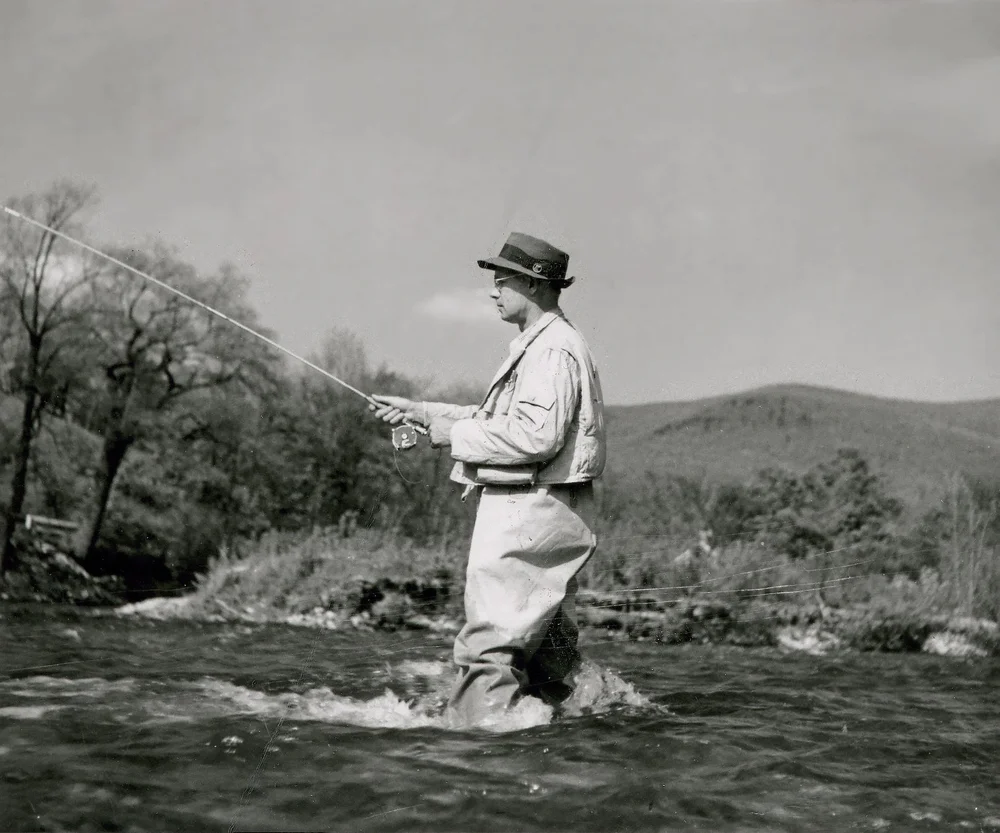
For example, fly fishing rods are flexible and long. Bass fishing rods are shorter and stiff.
- Fly fishing rods: long and bend easily
- Spinning rods: versatile and good for beginners
- Baitcasting rods: strong and precise
- Trolling rods: made for deep water fishing
Cultural Significance Of Fishing Rods
Fishing rods have been important tools for many cultures around the world. They are not just for catching fish but also hold cultural and social meaning.
People use fishing rods in different ways that reflect their traditions, stories, and art. These tools connect communities to nature and history.
Fishing In Art And Literature
Fishing has inspired many artists and writers for centuries. Paintings often show peaceful fishing scenes near rivers and lakes.
Stories and poems sometimes describe fishing as a way to find calm or connect with family. Fishing rods appear as symbols of patience and skill.
- Fishing scenes in classic paintings
- Poems about the quiet and focus of fishing
- Stories where fishing teaches life lessons
Rods In Traditional Practices
Many cultures use fishing rods in their traditional ways of life. These rods are often handmade from local materials like bamboo or wood.
Fishing with rods is part of rituals or community events in some places. It helps pass skills from one generation to the next.
- Handcrafted rods passed down in families
- Fishing festivals and ceremonies
- Teaching young people how to fish with rods
Credit: cffcm.com
Frequently Asked Questions
When Were Fishing Rods First Invented?
Fishing rods were first invented around 2,000 BC. Early rods were made from bamboo or wood and used for fishing in ancient civilizations like Egypt and China.
How Did Fishing Rods Evolve Over Time?
Fishing rods evolved from simple wooden sticks to flexible bamboo rods. Modern rods use materials like fiberglass and carbon fiber for strength and sensitivity.
Who Invented The Modern Fishing Rod?
The modern fishing rod was developed in the 19th century. Innovations like the split bamboo design by English rod makers revolutionized fishing equipment.
What Materials Were Used In Early Fishing Rods?
Early fishing rods were made from natural materials like bamboo, wood, and animal sinew. These materials provided flexibility and strength for catching fish.
Conclusion
Fishing rods have a long history, dating back thousands of years. People used simple tools first, then improved them over time. Today’s rods are the result of many changes and ideas. They help make fishing easier and more fun. Understanding their past shows how people worked with nature.
Fishing rods connect us to ancient traditions and outdoor joy. Keep exploring and enjoy your fishing adventures!