If you want to catch big catfish, knowing how to rig your fishing line properly is key. The right setup can make all the difference between a frustrating day and a successful catch.
Whether you’re new to catfishing or looking to improve your technique, this guide will show you simple steps to rig your line like a pro. By the end, you’ll feel confident and ready to reel in those trophy catfish. Keep reading, and let’s get your gear working for you!

Credit: mysterytacklebox.com
Choosing The Right Line
Choosing the right fishing line is key to catching catfish. The line must be strong enough to hold big fish. It also needs to last long in water without breaking.
This guide covers line types and strength. You will learn how to pick the best line for catfish fishing.
Line Types For Catfish
There are three main types of fishing line: monofilament, braided, and fluorocarbon. Each has strengths and weaknesses for catfish fishing.
- Monofilament:Soft and stretchy. It absorbs shocks well.
- Braided:Very strong with little stretch. It feels thinner for the same strength.
- Fluorocarbon:Nearly invisible in water. It is resistant to abrasion.
For catfish, many anglers choose braided line for strength or monofilament for ease of use.
Line Strength And Thickness
Line strength is measured in pounds (lb) and shows how much weight it can hold before breaking. Thickness affects how far you can cast and how the line moves in water.
| Line Strength (lb) | Recommended Use | Line Diameter (inches) |
|---|---|---|
| 10-20 | Small catfish in calm water | 0.012 – 0.018 |
| 20-30 | Medium catfish in rivers or lakes | 0.018 – 0.025 |
| 30-50 | Large catfish or tough conditions | 0.025 – 0.035 |
Choose a line that matches the size of catfish you expect. Thicker lines are stronger but less sensitive. Thinner lines cast better but may break easier.

Credit: fishingsun.com
Essential Rigging Tools
Rigging fishing line for catfish needs the right tools. These tools help make strong and effective rigs.
Using proper tools keeps your line secure and ready for a big catch. Let’s look at the main tools you need.
Hooks And Sinkers
Hooks are the part that catches the catfish. Choose strong hooks that match the size of your bait.
Sinkers help your bait sink to the bottom where catfish live. You need the right weight to hold the line steady.
- Use circle or octopus hooks for catfish
- Pick sinkers from 1 to 4 ounces depending on water flow
- Split shot sinkers work well for light setups
Swivels And Leaders
Swivels stop your line from twisting when the fish moves. They connect different parts of your rig.
Leaders are extra lines that protect against sharp catfish teeth. Use strong, abrasion-resistant material.
- Use barrel swivels for smooth rotation
- Leaders made of fluorocarbon or nylon last longer
- Leader length should be 12 to 18 inches
Popular Catfish Rigs
Catfish fishing uses special rigs to catch more fish. These rigs help present the bait well.
Below are some popular rigs for catfish. Each rig works best in different water conditions.
Slip Sinker Rig
The slip sinker rig lets the line slide through the sinker. This helps the catfish bite without feeling resistance.
Use a sliding sinker, a swivel, a leader, and a hook. This rig works great in deep water.
- Thread the sinker onto the main line
- Tie a swivel below the sinker
- Attach a leader line to the swivel
- Tie the hook at the leader’s end
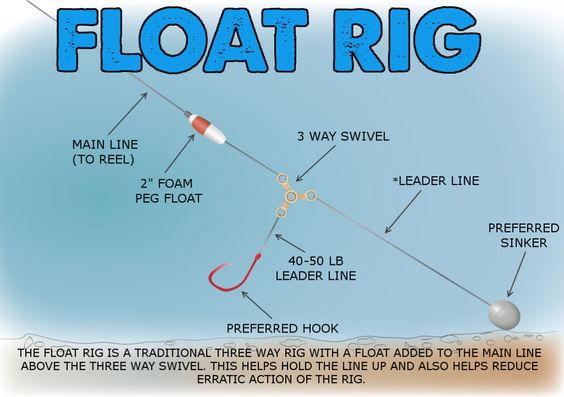
Float Rig
The float rig uses a bobber or float to keep the bait off the bottom. It helps attract catfish near the surface.
This rig works well in shallow water or near weeds. It keeps the bait visible and easy for fish to find.
- Attach a float to the main line
- Place a small weight below the float
- Add a swivel under the weight
- Tie a leader and hook at the end
Carolina Rig
The Carolina rig is good for fishing on the bottom. It allows the bait to move freely while the weight stays put.
This rig works well in rivers and lakes with soft bottoms. It lets the bait slide naturally with the current.
- Slide a bullet weight onto the main line
- Place a bead after the weight
- Tie a swivel below the bead
- Attach a leader and hook at the end
Step-by-step Rigging Process
Rigging a fishing line for catfish requires simple tools and careful steps. This guide will help you set up your line correctly.
Follow these steps to prepare your line, attach hooks and sinkers, and check the rig strength before fishing.
Preparing The Line
Start by choosing a strong fishing line. Catfish are big and can pull hard, so use heavy-duty line.
Cut a length of line about 3 to 4 feet. This length works well for most catfish rigs.
Attaching Hooks And Sinkers
Tie a strong hook to the end of the line using a reliable knot like the improved clinch knot.
Attach a sinker above the hook to keep the bait near the bottom where catfish feed.
- Slide the sinker onto the line first
- Leave some space between the sinker and hook
- Use a swivel to prevent line twisting
Checking Rig Strength
Pull on the line and knots firmly to make sure everything holds tight. Weak knots can lose fish.
Check the sinker and hook for any damage or rust. Replace if needed to avoid problems while fishing.
Bait Selection And Placement
Choosing the right bait helps catch more catfish. Proper placement makes the bait more attractive.
Different types of bait work better in various waters. Knowing how to use live and cut bait improves your chances.
Live Bait Options
Live bait draws catfish with movement and scent. Common choices include worms, minnows, and shad.
- Worms are easy to find and work well in many waters.
- Minnows attract larger catfish with their natural swimming.
- Shad provide strong scent and movement for hungry catfish.
- Leeches can be very effective, especially in slow-moving water.
Cut Bait Techniques
Cut bait uses pieces of fish to attract catfish by scent. It works best on bottom rigs.
| Cut Bait Type | Best Placement | Tip |
| Shad Chunks | On the hook with a bait holder | Use fresh pieces for stronger scent |
| Bluegill Slices | Threaded on circle hooks | Keep skin on for durability |
| Skipjack Strips | Attached near the weight | Use small strips to avoid heavy weight |

Credit: mysterytacklebox.com
Tips For Casting And Setting Up
Casting and setting up your fishing rig correctly helps catch more catfish. You need to focus on your casting methods and how you place the rig in the water.
Good setup makes it easier to detect bites and keep your bait in the right spot. Read on for useful tips on casting techniques and rig positioning.
Casting Techniques
Cast your rig gently to avoid scaring catfish. Use a smooth motion and avoid splashing. Aim for spots near structures or deep holes where catfish hide.
- Hold the rod firmly but relaxed for better control.
- Use a sidearm cast for more distance and accuracy.
- Practice casting to reduce noise and water disturbance.
- Check wind direction and cast accordingly for better bait placement.
- Let the rig sink slowly to reach the bottom where catfish feed.
Positioning The Rig
Place your rig near underwater structures like logs, rocks, or drop-offs. Catfish often stay close to cover and feed in these areas. Adjust the rig to keep the bait close to the bottom.
| Position | Purpose |
| Near submerged logs | Catfish hide and rest here |
| Close to riverbanks | Good feeding zones |
| Deep holes or drop-offs | Catfish gather in cooler water |
| Areas with slow current | Bait stays longer in place |
Common Mistakes To Avoid
Rigging fishing line for catfish needs care to catch them well. Avoiding mistakes helps you fish better and have more fun.
Some errors cause you to lose fish or damage your gear. Watch out for these common problems when setting up your line.
Line Twisting Issues
Line twisting happens when the fishing line spins too much. This weakens the line and makes knots come loose.
Twists can cause tangles and make it hard to cast well. Catfish fight hard, so a twisted line often breaks.
- Use a swivel to stop line from twisting
- Check your reel for smooth line release
- Do not let the line spool off too fast
- Untwist the line regularly while fishing
Improper Hook Size
Picking the wrong hook size makes it hard to catch catfish. Too small hooks may not hold big fish.
Hooks that are too big can scare the fish or reduce bait effectiveness. Use the right size for your bait and target fish.
- Use medium to large hooks for most catfish
- Match hook size to bait size for better results
- Check local fishing advice for hook recommendations
- Change hook size if fish are not biting
Adjusting Rigs For Different Conditions
Fishing for catfish requires changing your rig setup based on the water conditions. Different environments need different rig styles.
Adjusting your rig helps improve bait presentation and increases your chances of catching catfish.
Fishing In Currents
When fishing in currents, use heavier sinkers to keep your rig steady. The current can move your bait quickly if it is too light.
Use a slip sinker rig to let the catfish take the bait without feeling resistance. This rig works well in moving water.
- Choose a sinker weight that holds your bait in place
- Use a swivel to prevent line twisting
- Keep your leader length short to avoid tangles
Fishing In Still Water
In still water, use lighter sinkers to allow natural bait movement. Catfish notice subtle bait actions better here.
Try a float rig or a small slip sinker rig. These help keep the bait off the bottom and visible.
- Use lighter weights to avoid scaring fish
- Adjust leader length to keep bait near the bottom or mid-water
- Choose bait that moves naturally in calm water
Frequently Asked Questions
What Is The Best Fishing Line For Catfish Rigging?
The best fishing line for catfish rigging is usually 15-30 lb test monofilament or braided line. It offers strength and abrasion resistance. This helps handle big catfish and tough underwater obstacles effectively.
How Do You Tie A Catfish Rig Fishing Line?
To tie a catfish rig, start with a strong knot like the Palomar. Attach a swivel, then add a leader and hook. This setup prevents line twists and improves bait presentation for better catfish bites.
What Weight Sinker Is Ideal For Catfish Rigs?
A 1 to 3-ounce sinker is ideal for catfish rigs. It depends on current strength and depth. This weight keeps your bait stable on the bottom where catfish feed without spooking them.
How Long Should The Leader Be On Catfish Rigs?
Leader length on catfish rigs should be 12 to 24 inches. This length lets the bait move naturally and keeps it away from the sinker, improving bite chances.
Conclusion
Rigging your fishing line for catfish isn’t complicated. Follow the steps, and you’ll be prepared. Use strong knots to secure your bait. Choose the right hook size for the catfish. Be patient and let the bait sit. Adjust your line for different water conditions.
Practice makes perfect, so keep trying. With time, you’ll catch more catfish. Enjoy the thrill of fishing and the outdoors. Remember, it’s all about having fun and relaxing. Happy fishing!