Setting up your fishing line with the right lure can make all the difference between a day of empty hooks and a string full of catches. If you want to fish smarter, not harder, learning the proper way to attach your lure is key.
In this guide, you’ll discover simple steps that anyone can follow to get your line ready quickly and securely. Whether you’re new to fishing or just want to improve your technique, mastering this skill will boost your confidence and increase your chances of success on the water.
Keep reading to learn exactly how to set up your fishing line with a lure, so you’re ready for your next big catch.

Credit: www.battlbox.com
Choosing The Right Fishing Line
Choosing the right fishing line is important for a successful fishing trip. The line affects how you cast, control your lure, and catch fish.
Different fishing lines suit different fishing styles and fish types. Knowing the options helps you pick the best line for your needs.
Types Of Fishing Lines
There are three main types of fishing lines: monofilament, fluorocarbon, and braided lines. Each type has unique features.
- Monofilament:Flexible and easy to handle. It floats on water and stretches under pressure.
- Fluorocarbon:Harder to see underwater. It sinks fast and resists abrasion.
- Braided:Very strong with little stretch. It is thin and durable but visible in water.
Line Strength And Thickness
Line strength, or test, tells how much weight a line can hold before breaking. Thickness affects casting and lure action.
| Line Type | Strength Range (lbs) | Typical Diameter (inches) |
| Monofilament | 2 – 30 | 0.008 – 0.035 |
| Fluorocarbon | 4 – 40 | 0.009 – 0.040 |
| Braided | 10 – 80 | 0.006 – 0.030 |
Matching Line To Fish Species
Choose a line based on the fish size and behavior. Stronger fish need stronger lines to avoid breakage.
- Small fish:Use light lines (2-8 lbs) for easy casting and lure control.
- Medium fish:Use medium lines (8-20 lbs) for balance of strength and flexibility.
- Large fish:Use heavy lines (20+ lbs) for durability and power.

Credit: mysterytacklebox.com
Selecting The Best Lure
Choosing the right lure is important for fishing success. The lure attracts fish and helps catch them.
Different lures work better in different water and weather conditions. Knowing how to pick a lure helps you fish better.
Common Lure Types
There are many types of fishing lures. Each type works in a special way to attract fish.
- Spinnerbaits spin in the water to make fish curious
- Crankbaits dive and wiggle to look like small fish
- Soft plastics feel soft and move like worms or bugs
- Jigs sink and bounce on the bottom to find fish hiding
- Spoons flash light and wobble to look like injured fish
Lure Colors And Conditions
Colors can make a big difference in how fish see the lure. Choose colors based on water and light.
Bright colors work well in murky water or low light. Natural colors are best in clear water and bright sun.
- Use bright colors like chartreuse or orange in cloudy water
- Choose silver or gold lures in clear water with sun
- Match the lure color to local baitfish for a natural look
- Darker colors can work well in deep water or at night
Lure Size And Action
Size matters because fish often eat certain sized prey. Pick the right size for the fish you want.
Action means how the lure moves. Some lures wiggle, some spin, some bounce. Action attracts fish.
- Small lures work for small fish or clear water
- Bigger lures attract big fish or fish in murky water
- Fast action lures move quickly and excite fish
- Slow action lures move gently and look natural
- Match the lure’s action to the type of fish and water
Attaching The Line To The Reel
Attaching the fishing line to the reel is a key part of setting up your fishing gear. Doing it right helps you cast smoothly and catch fish more easily.
This guide covers spooling the line, preventing line twist, and checking for proper tension. Follow these tips for a better fishing experience.
Spooling The Line
Spooling means winding the fishing line onto the reel spool evenly. This keeps the line neat and ready to cast without tangles.
- Open the bail arm on your spinning reel.
- Tie the line to the spool with an Arbor knot.
- Close the bail arm after securing the line.
- Hold the line tight to avoid slack.
- Turn the reel handle to wind the line evenly.
- Fill the spool up to about 1/8 inch from the edge.
Preventing Line Twist
Line twist causes tangles and weakens your fishing line. Use these tips to keep your line straight and strong.
- Attach the lure so the line comes off the spool smoothly.
- Use a swivel between the line and lure to reduce twist.
- Keep tension on the line while reeling in.
- Avoid overfilling the spool with line.
- Check for line twist regularly and fix it if needed.
Checking For Proper Tension
Proper tension on the line during spooling helps you avoid slack and loose loops. This improves casting and reduces tangles.
| Action | What to Check | Result |
|---|---|---|
| Hold line tight while spooling | Line feels firm but not stretched | Line stays neat and ready to cast |
| Reel slowly and evenly | Line wraps smoothly on spool | Prevents tangles and uneven spooling |
| Stop if line feels loose | Check knots and tension again | Fix issues before fishing |
Credit: www.battlbox.com
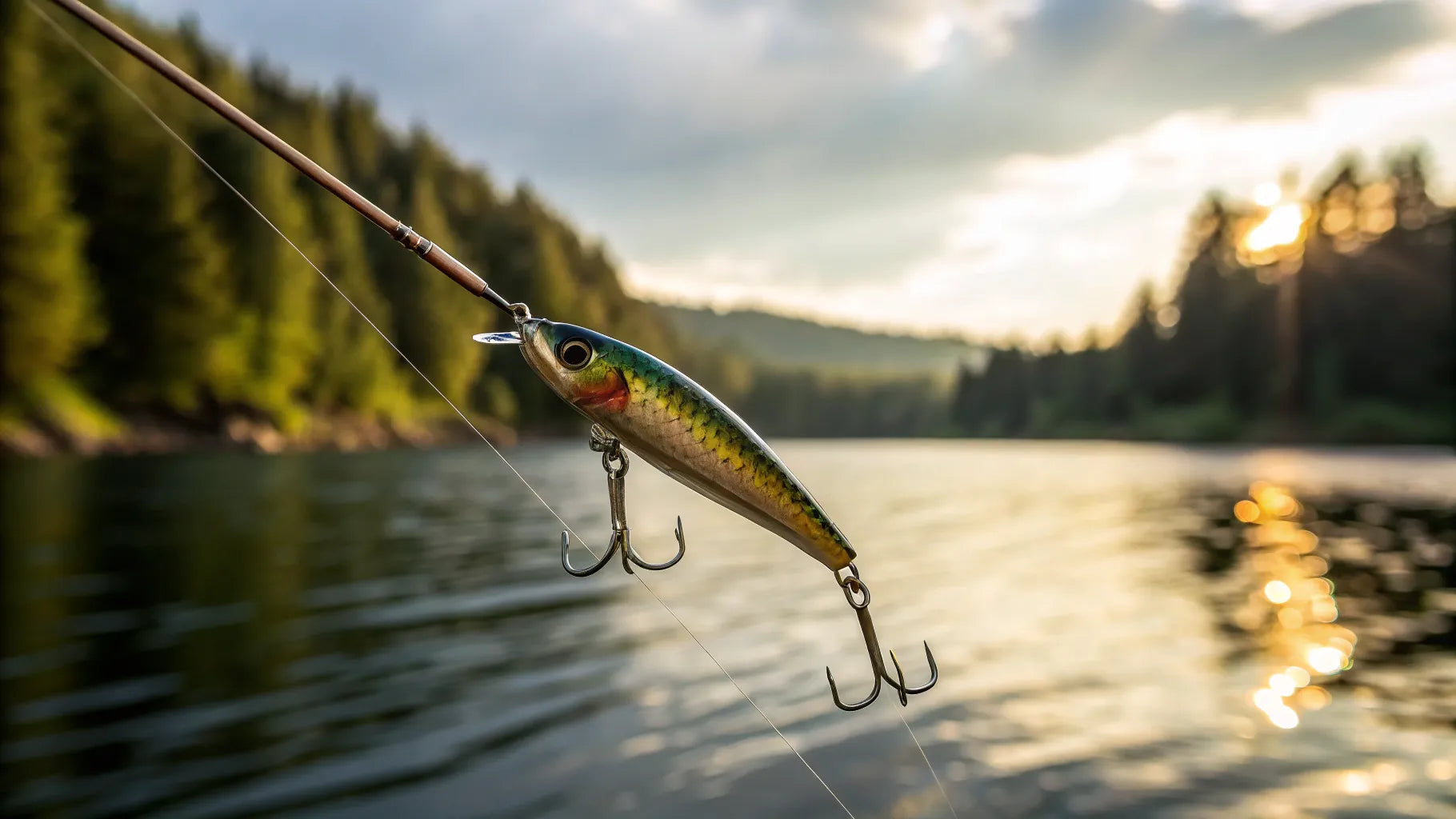
Tying The Lure To The Line
Tying the lure to your fishing line is an important skill. A strong knot keeps the lure secure while fishing.
This guide covers popular knots, step-by-step tying instructions, and testing knot strength.
Popular Fishing Knots
Some knots are better suited for attaching lures to the line. The best knots are strong and easy to tie.
- Improved Clinch Knot
- Palomar Knot
- Loop Knot
- Uni Knot
Step-by-step Knot Tying
Follow these steps to tie a Palomar Knot, a simple and strong knot for lures.
- Double about 6 inches of line and pass it through the lure eye.
- Tie a loose overhand knot with the doubled line.
- Pass the lure through the loop of the knot.
- Pull both ends of the line to tighten the knot.
- Trim the tag end close to the knot.
Testing Knot Strength
| Method | Purpose |
|---|---|
| Visual Check | Look for tight, neat wraps with no overlaps |
| Pull Test | Pull the line hard to see if knot holds |
| Water Test | Soak knot and retest for slippage |
Testing knots before fishing helps avoid losing lures and fish.
Casting Techniques For Accuracy
Setting up your fishing line with a lure is key to catching fish. Accurate casting helps place the lure where fish are most likely to bite.
Good casting means better control and less wasted effort. Use the right techniques to improve your aim and distance.
Basic Casting Methods
Start with simple casting styles that give you control and accuracy. The overhead cast is common and easy to learn. The sidearm cast helps when space is limited.
- Overhead Cast: Lift the rod above your head and cast forward smoothly.
- Sidearm Cast: Swing the rod sideways for a low, fast cast.
- Roll Cast: Used in tight spots, it rolls the line out gently.
Adjusting For Wind And Distance
Wind can push your lure off target. Adjust your cast angle and power to compensate. For longer distance, use a smooth and steady motion.
| Condition | Adjustment |
| Strong Headwind | Cast lower and with more power |
| Crosswind | Aim slightly upwind of target |
| Calm Wind | Normal casting technique |
| Long Distance | Use longer backswing and smooth release |
Improving Casting Control
Control comes from practice and good setup. Keep your grip firm but relaxed. Watch your lure’s path and adjust your movements.
- Use a steady, even speed during the cast.
- Keep your elbow close to your body.
- Practice short casts to build precision.
- Check the lure’s landing spot and try to repeat it.
Maintaining Your Fishing Setup
Keeping your fishing line and lure in good shape helps you catch more fish. Regular care prevents problems on the water.
Simple checks and cleaning keep your gear working well. This guide covers the key steps to maintain your setup.
Inspecting Line And Lure
Check your fishing line for cracks, frays, or knots before every trip. Look at the lure for rust, chipped paint, or bent hooks.
Damaged parts can cause lost fish or line breaks. Replace any weak sections you find.
Replacing Worn Components
- Remove old or damaged line from your reel.
- Choose the right type and strength of new line for your fishing.
- Check the lure’s hooks and replace if dull or bent.
- Swap out split rings and swivels if they show rust or stiffness.
- Test the new setup by pulling gently to ensure all parts hold well.
Storing Gear Properly
| Storage Tip | Reason |
|---|---|
| Keep line away from sunlight | Sun damages line strength |
| Store lures in dry boxes | Prevents rust and corrosion |
| Separate sharp hooks | Prevents tangles and injuries |
| Loosen line tension on reel | Stops line from stretching |
Frequently Asked Questions
How Do I Attach A Lure To Fishing Line?
Use a strong fishing knot like the improved clinch knot. Thread the line through the lure eye. Wrap the line around itself five times. Pass the end through the loop and tighten. This ensures a secure connection for effective fishing.
What Type Of Fishing Line Suits Lures Best?
Monofilament and fluorocarbon lines work well with most lures. They offer good flexibility and sensitivity. Braided line is strong but less stretchable, ideal for heavy cover. Choose based on lure type and fishing conditions for best results.
How To Choose The Right Fishing Line Strength?
Select line strength based on targeted fish species. Lighter lines (4-8 lb) suit small fish and finesse lures. Heavier lines (10-20 lb) are better for larger fish and heavy cover. Match line strength to lure size and fishing environment.
Can I Reuse Fishing Line With Lures?
Yes, but inspect the line for damage first. Look for nicks, frays, or discoloration. Replace line if damaged to avoid losing fish. Properly stored line can be reused safely with your lures.
Conclusion
Setting up a fishing line with a lure is simple. Follow the steps carefully. Secure your knot tightly. Choose the right lure for your target fish. Practice makes perfect. Always check your line before casting. This ensures a successful catch.
Keep your tackle box organized. It saves time on the water. Enjoy the peaceful moments fishing brings. Invite a friend for company. Share the joy of fishing. Remember, patience is key. The more you fish, the better you get. Happy fishing!