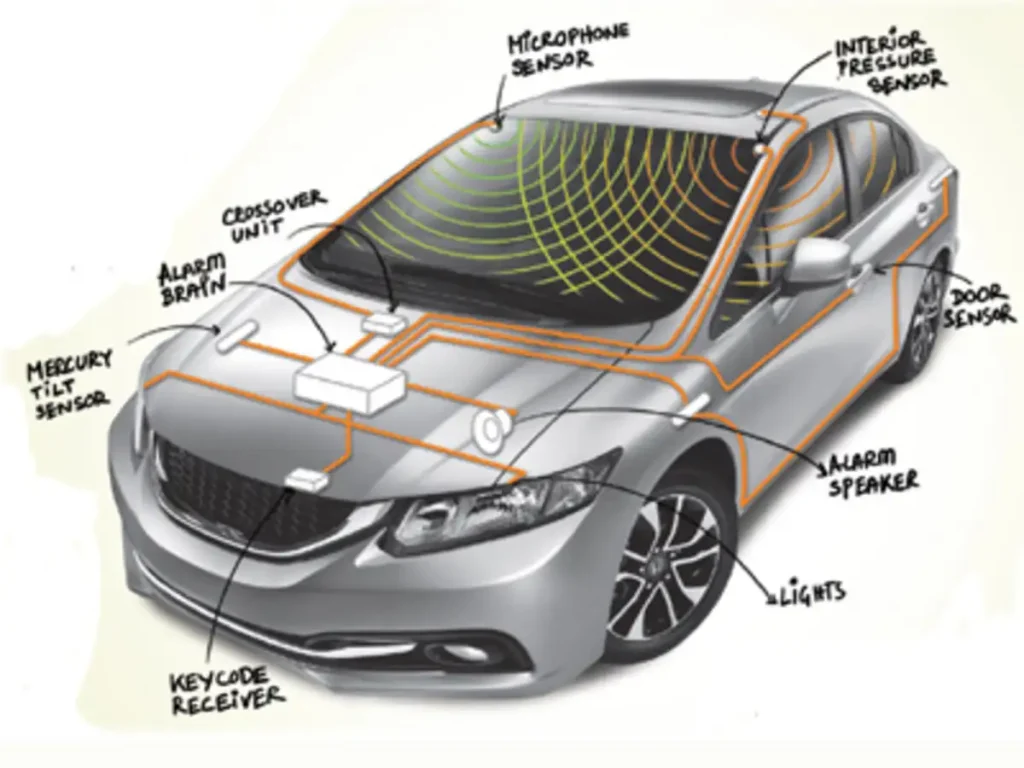
Have you ever wondered what happens the moment your car alarm goes off? Understanding how a car alarm works can give you peace of mind and help protect your vehicle better.
You’ll discover the simple yet clever ways these systems keep your car safe from theft and damage. By knowing what triggers the alarm and how it responds, you’ll feel more confident about your car’s security. Keep reading—you might be surprised at how these devices work quietly behind the scenes to guard your ride every day.

Credit: www.whocanfixmycar.com
Car Alarm Basics
Car alarms help protect vehicles from theft and damage. They use sensors to detect unusual activity.
When triggered, the alarm alerts the owner and scares away thieves. Understanding how alarms work is important.
Purpose Of A Car Alarm
The main goal of a car alarm is to stop theft and vandalism. It warns owners and people nearby about a problem.
- Prevent unauthorized entry to the car
- Alert the owner to possible theft or break-in
- Deter thieves from stealing the vehicle or its contents
- Help find the car if it is stolen
Common Alarm Components
Car alarms include many parts that work together. Each part plays a role in detecting and responding to threats.
| Component | Function |
|---|---|
| Sensors | Detect movement, glass break, or door opening |
| Control Unit | Processes sensor signals and triggers alarm |
| Alarm Siren | Makes loud noise to alert and scare intruders |
| Remote Key Fob | Allows owner to arm or disarm the system |
| Battery Backup | Keeps alarm working if car battery is cut |
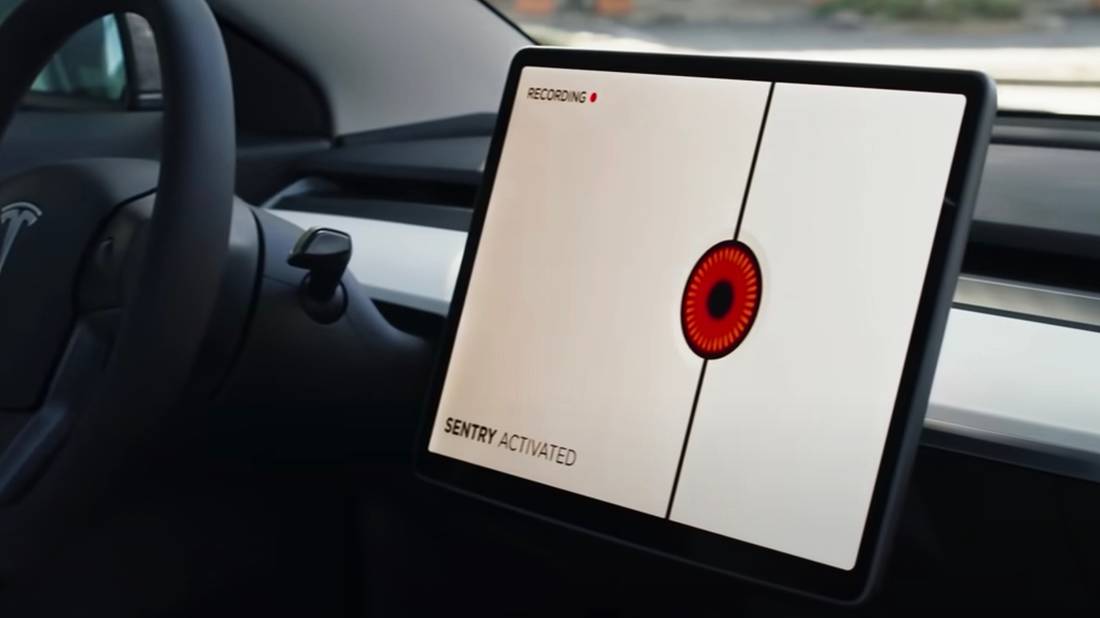
Credit: www.pocket-lint.com
Trigger Mechanisms
Car alarms use different trigger mechanisms to detect theft or break-ins. These triggers alert the system when something unusual happens. The alarm then sounds to warn the owner and scare away intruders.
Understanding these trigger types helps you see how your car stays protected. The main triggers are door and window sensors, shock and motion detectors, and ignition interrupt systems.
Door And Window Sensors
Door and window sensors detect when a door or window is opened without permission. These sensors are usually magnetic. One part attaches to the door or window, and the other part attaches to the frame.
If the door or window opens, the magnet moves away, breaking the sensor’s circuit. This triggers the alarm immediately. These sensors help stop thieves from entering your car.
- Magnetic sensors monitor doors and windows
- Opening breaks the magnetic connection
- Alarm sounds when sensors are triggered
Shock And Motion Detectors
Shock detectors sense physical impacts on your car. They use sensors like accelerometers to notice bumps or hits. Motion detectors sense movement inside or around the vehicle.
These detectors trigger the alarm if someone tries to break a window or move the car. They protect the vehicle even if doors and windows stay closed.
- Shock sensors detect hits or bumps
- Motion sensors detect movement near or inside
- Both trigger alarm if suspicious activity occurs
Ignition Interrupt Systems
Ignition interrupt systems stop the car from starting without the right key or code. They work by cutting the power to the ignition or fuel system.
This prevents thieves from driving away even if they get inside. The system only allows the car to start when the correct signal is given.
- Blocks ignition or fuel system power
- Prevents car from starting without permission
- Works with keys or security codes
Alarm Response
A car alarm reacts quickly to protect your vehicle. It alerts you and others nearby. The system uses sounds and lights to warn of danger.
Modern alarms also send messages to your phone. This helps you act fast to stop theft or damage.
Siren And Light Activation
The siren makes a loud noise to scare off thieves. At the same time, the car’s lights flash to draw attention. These signals work together to alert people nearby.
- The siren sounds for a set time to warn intruders.
- Headlights and interior lights blink rapidly.
- Hazard lights flash to make the car visible.
- Some alarms include a loud horn blast for extra noise.
Remote Alerts And Notifications
Car alarms can send alerts to your smartphone or remote device. You get instant updates if the alarm triggers. This lets you check your car from anywhere.
| Alert Type | Description |
| SMS/Text Message | A short message warns you about alarm activity. |
| App Notification | Push alerts through a mobile app with sound and vibration. |
| Email Alert | A detailed email with time and event information. |
| Remote Control Signal | Allows you to turn off or reset the alarm remotely. |
Smart Security Features
Car alarms today have smart features that improve security. These features help protect your car better.
They use modern technology to track and control your vehicle easily.
Gps Tracking Integration
GPS tracking lets you find your car’s exact location anytime. It uses satellites to send the car’s position to your phone.
This helps you recover your vehicle if it is stolen or lost quickly.
Mobile App Controls
Mobile apps allow you to control your car alarm from anywhere. You can arm or disarm the alarm using your smartphone.
The app can also send alerts if the alarm goes off, keeping you informed in real time.
Two-way Communication
Two-way communication means your car alarm talks with your phone. It can send alerts and receive commands instantly.
This feature helps you respond quickly to any security issues with your vehicle.
Installation And Maintenance
Installing and maintaining a car alarm keeps your vehicle safe. Proper setup ensures the alarm works well. Regular checks help avoid problems and false alerts.
This section covers the choice between professional and DIY installation. It also explains how to check batteries and sensors for best performance.
Professional Vs Diy Installation
Professional installation offers expert setup and warranty support. It often includes testing and tuning the system to your car.
DIY installation saves money but needs careful work. Mistakes can cause the alarm not to work or drain your car battery.
- Professional installers have tools and experience.
- DIY can be done with online guides and kits.
- Professional work usually takes less time.
- DIY requires patience and some technical skill.
- Warranty may depend on who installs the alarm.
Battery And Sensor Checks
Good battery health is key for the alarm to work well. Sensors must be clean and correctly placed to detect threats.
| Check | How Often | What to Do |
| Alarm Battery | Every 6 Months | Replace if weak or dead |
| Car Battery | Every 3 Months | Ensure full charge and clean terminals |
| Sensors | Monthly | Clean and inspect for damage |
| Wiring | Every 6 Months | Look for loose or frayed wires |
Common Issues And Troubleshooting
Car alarms protect your vehicle but sometimes cause problems. Knowing common issues helps you fix them fast.
This guide explains two frequent problems: false alarms and signal interference. It shows how to spot and solve them.
False Alarms
False alarms happen when the car alarm goes off without a real threat. This can annoy you and others.
- Loose or faulty sensors may trigger alarms mistakenly.
- Strong winds or vibrations can activate sensitive triggers.
- Low battery in the alarm system causes erratic behavior.
- Improper installation can make the alarm react to harmless events.
- Pets or small animals near the car might set off the alarm.
Check the sensors and battery regularly. Adjust sensitivity if needed. Keep pets away from the vehicle.
Signal Interference
Signal interference can stop your car alarm from working right. It may block remote signals or cause false alerts.
| Cause | Effect | Solution |
| Nearby radio towers | Blocks remote control signals | Park away from towers |
| Strong Wi-Fi signals | Triggers false alarms | Reset alarm system |
| Faulty wiring | Weak signal reception | Inspect and repair wiring |
| Metal objects near antenna | Signal disruption | Remove objects from antenna area |
Keep your alarm antenna clear. Avoid parking near strong signal sources. Check wiring for damage.
Future Trends In Car Alarms
Car alarms are changing with new technology. They are becoming smarter and harder to bypass. These changes will help protect cars better in the future.
Two important trends shaping car alarms are AI and machine learning and biometric security. These will make alarms more reliable and user-friendly.
Ai And Machine Learning
AI and machine learning help car alarms learn from their environment. They can tell the difference between real threats and false alarms. This lowers the chance of annoying false alerts.
- Detect unusual movements around the car
- Recognize patterns of normal behavior
- Adapt sensitivity based on location and time
- Send alerts only when a real risk is detected
Biometric Security
Biometric security uses unique body features to unlock or arm car alarms. This can include fingerprints, facial recognition, or voice commands.
| Biometric Type | Use in Car Alarm | Benefit |
| Fingerprint | Unlock car and disarm alarm | Only authorized users gain access |
| Facial Recognition | Identify driver and activate settings | Hands-free and quick access |
| Voice Commands | Arm or disarm alarm remotely | Convenient and secure control |

Credit: www.carparts.com
Frequently Asked Questions
How Does A Car Alarm Detect Unauthorized Entry?
Car alarms use sensors like door switches, motion detectors, and glass-break sensors. These sensors trigger the alarm if unauthorized access occurs, helping prevent theft or vandalism effectively.
What Triggers A Car Alarm To Go Off?
Car alarms activate due to forced entry, vibration, or glass breaking. Some systems also respond to impact, tilt, or engine start without a key, alerting the owner immediately.
Can Car Alarms Prevent Car Theft Effectively?
Yes, car alarms deter thieves by drawing attention. Loud sirens and flashing lights increase the risk for criminals, reducing the chances of theft significantly.
How Do Shock Sensors Work In Car Alarms?
Shock sensors detect sudden impacts or vibrations on the vehicle’s surface. When triggered, they activate the alarm, alerting nearby people and scaring off potential thieves quickly.
Conclusion
Understanding car alarms boosts your vehicle’s security. These devices deter thieves effectively. Sensors detect any unauthorized access. Alarms trigger loud sounds to alert you. Modern systems offer additional features. Remote controls and smartphone apps enhance convenience. Regular maintenance ensures optimal performance.
Choose a reliable alarm system for peace of mind. Protecting your car is essential. An alarm system is a smart investment. It safeguards your vehicle day and night. Stay informed and choose wisely. This knowledge empowers you to make better decisions.
Keep your car safe and secure at all times.