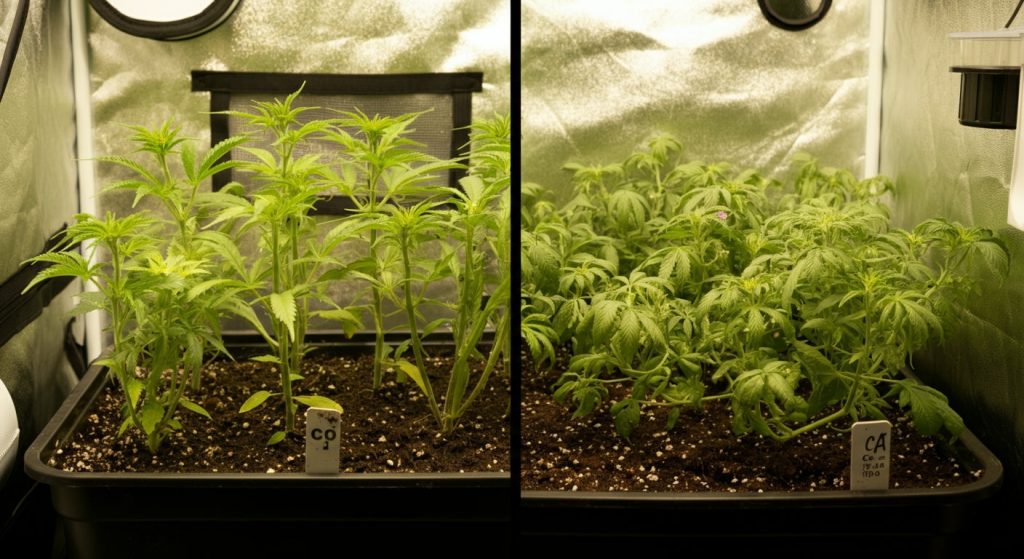
If you want your plants to grow faster and stronger inside your grow tent, increasing the CO2 levels can make a huge difference. You might be wondering how to do this safely and effectively without spending a fortune.
This guide will show you simple, practical ways to boost CO2 in your grow tent, helping your plants reach their full potential. Keep reading to discover easy tips that can transform your indoor garden and maximize your harvest.

Credit: blimburnseeds.com
Benefits Of Co2 Enrichment
Adding carbon dioxide (CO2) to your grow tent can help plants grow better. Plants use CO2 to make food in a process called photosynthesis.
Increasing CO2 levels gives plants more of this important gas. This helps improve growth and the quality of your harvest.
Impact On Photosynthesis
CO2 is a key ingredient in photosynthesis. When plants get more CO2, they make food faster. This process helps plants grow stronger and healthier.
- Plants absorb CO2 through their leaves.
- More CO2 speeds up sugar production.
- Faster photosynthesis means more energy for growth.
Enhanced Growth Rates
With extra CO2, plants grow faster and bigger. They use nutrients more efficiently, which helps leaves, stems, and roots develop quickly.
| Growth Aspect | Effect of CO2 Enrichment |
| Leaf Size | Increases by up to 20% |
| Stem Strength | Improves, reducing breakage |
| Root Development | Expands for better nutrient uptake |
Improved Yield Quality
CO2 enrichment helps plants produce better fruits and flowers. The quality of the yield improves, making it more valuable and appealing.
Key benefits of CO2 on yield quality:
- Higher concentration of essential oils and flavors
- Thicker and more colorful fruits
- Stronger resistance to pests and diseases
- Better shelf life and storage capacity

Credit: blimburnseeds.com
Measuring Current Co2 Levels
Knowing the current CO2 level in your grow tent helps you control the environment. Plants need the right CO2 to grow healthy and strong.
Measuring CO2 is simple with the right tools. This lets you adjust levels safely and effectively.
Using Co2 Meters
CO2 meters show the amount of carbon dioxide in the air inside your grow tent. They give real-time readings so you can see changes quickly.
Place the meter at plant level to get accurate readings. Check the meter often to keep CO2 within safe limits.
- Use digital CO2 meters for easy reading
- Calibrate meters regularly for accuracy
- Keep meters away from vents to avoid false readings
Ideal Co2 Concentrations For Plants
Most plants grow best with CO2 levels between 1000 and 1500 ppm. This is higher than normal outdoor air, which has about 400 ppm.
Too much CO2 can harm plants and people. Keep levels safe and check often with your CO2 meter.
- 400-600 ppm: Normal air, okay for low-light plants
- 1000-1500 ppm: Ideal for strong growth in most plants
- Above 2000 ppm: Risk of damage, avoid high levels
Methods To Increase Co2
Plants need carbon dioxide (CO2) to grow well. Increasing CO2 in your grow tent helps plants grow faster and healthier.
There are several ways to add more CO2 to your grow tent. Each way has its own benefits and setup needs.
Co2 Generators
CO2 generators burn propane or natural gas to produce carbon dioxide. They are good for large grow tents or rooms.
These generators need proper ventilation and safety checks. They run continuously to keep CO2 levels steady.
- Easy to control CO2 output
- Works well for big spaces
- Needs good air flow for safety
Compressed Co2 Tanks
Compressed CO2 tanks store carbon dioxide in liquid form. You release CO2 slowly with a regulator and timer.
This method is clean and safe. It is good for small to medium grow tents and easy to control.
- Precise CO2 control
- Safe and clean to use
- Needs regulator and timer
Natural Co2 Sources
You can increase CO2 naturally using yeast, compost, or dry ice. These sources release CO2 slowly.
Natural sources are low cost but less precise. They work well for small tents or beginners.
- Yeast and sugar mixtures produce CO2
- Compost or soil releases CO2 as it breaks down
- Dry ice releases CO2 as it melts
Setting Up Co2 Systems
Increasing CO2 in your grow tent can boost plant growth. Setting up a proper CO2 system helps maintain healthy levels.
Use the right equipment and follow safety rules. This guide covers placement, safety, and automation tips.
Placement In Grow Tent
Place your CO2 source near the plants but away from fans. This helps spread CO2 evenly.
- Keep CO2 generators or tanks at plant level or slightly above.
- Avoid placing CO2 near air intake or exhaust vents.
- Use air circulation fans to mix CO2 inside the tent.
- Ensure the tent is sealed to keep CO2 from escaping.
Safety Precautions
CO2 can be dangerous if not handled properly. Follow these safety steps to protect yourself and plants.
| Safety Tip | Reason |
| Use CO2 detectors | Alerts if CO2 levels get too high |
| Do not enter tent during CO2 release | Prevents breathing high CO2 concentrations |
| Keep tanks secured and upright | Prevents leaks and accidents |
| Ventilate area if CO2 leaks | Keeps air safe for breathing |
Automation And Timers
Use timers or controllers to release CO2 only when needed. This saves CO2 and keeps plants healthy.
- Set timers to run CO2 during lights-on periods.
- Use controllers that measure CO2 levels automatically.
- Adjust CO2 flow based on plant growth stage.
- Turn off CO2 at night to avoid waste.
Optimizing Environment For Co2 Use
Adding CO2 to your grow tent helps plants grow faster and stronger. To get the best results, you must create the right environment.
Controlling temperature, humidity, light, and ventilation will make CO2 use more effective. These factors work together to boost plant health.
Temperature And Humidity Control
Keep temperature between 75°F and 85°F for good CO2 absorption. Cooler or hotter air can slow down plant growth.
Humidity should stay around 40% to 60%. Too much moisture can cause mold, while too little can stress plants.
- Maintain steady temperature for best CO2 use
- Use humidifiers or dehumidifiers to adjust moisture
- Monitor environment with sensors regularly
Light Intensity Considerations
Strong light helps plants use CO2 better. Plants need enough light to photosynthesize and grow well.
Use LED or HID grow lights to give bright, even light inside the tent. Adjust height and power to avoid burning plants.
- Increase light intensity during peak growth
- Keep lights on for 12-18 hours daily
- Check plants for signs of light stress or deficiency
Ventilation Management
Ventilation moves fresh air and CO2 around the tent. Good airflow prevents heat buildup and keeps CO2 levels steady.
Use fans and vents to control air exchange. Avoid strong drafts that can reduce CO2 concentration near plants.
- Run exhaust fans to remove old air
- Use intake fans to bring fresh CO2-rich air
- Balance airflow to keep CO2 around 1000-1500 ppm
Monitoring And Adjusting Co2 Levels
Keeping the right CO2 level in your grow tent helps plants grow better. Too much or too little CO2 can harm your plants.
Regular checks and adjustments keep CO2 at the best level for healthy growth.
Regular Co2 Level Checks
Check CO2 levels often using a reliable CO2 monitor. This device shows the current amount of CO2 in the air.
Keep the CO2 level between 800 and 1200 parts per million (ppm) for most plants. Check several times a day to catch changes early.
- Place the monitor at plant canopy height
- Avoid placing near fans or vents
- Record CO2 readings regularly
- Use alarms if your monitor has them
Signs Of Over Or Under Exposure
Watch your plants for signs of too much or too little CO2. This helps you adjust levels quickly.
Too much CO2 can cause leaf damage or slow growth. Too little CO2 can make plants weak and pale.
- Overexposure: brown leaf tips, slow growth, curled leaves
- Underexposure: pale leaves, thin stems, slow development
- Check environment for ventilation or CO2 leaks
Adjusting System Settings
Use your CO2 controller or generator to change CO2 levels. Set it to keep the right amount in the tent.
Adjust the timing and output based on your monitor readings and plant needs. Turn off CO2 during dark periods.
- Set target CO2 level on your controller
- Adjust flow rate or generator output
- Use timers to add CO2 during light hours only
- Test changes and watch plant response
Common Mistakes To Avoid
Increasing CO2 in a grow tent can boost plant growth. You must do it carefully to avoid problems.
This guide points out common mistakes to avoid when raising CO2 levels in your grow space.
Overexposure Risks
Too much CO2 can harm plants and people. Overexposure may cause leaf damage or slow growth.
- Keep CO2 levels under 1500 ppm to protect plants.
- Do not stay inside the tent with high CO2 for long.
- Use timers to control CO2 release and avoid buildup.
- Monitor CO2 with sensors for safe levels.
Ignoring Ventilation
Good airflow is vital when increasing CO2. Poor ventilation causes heat and humidity issues.
| Ventilation Issue | Effect |
| Too little air exchange | High heat and humidity build-up |
| No fresh air intake | CO2 concentration drops fast |
| Blocked vents | Poor gas circulation and plant stress |
Neglecting Plant Response
Plants show signs if CO2 levels are wrong. Watch them daily to adjust your setup.
- Yellow or burnt leaf edges may mean too much CO2.
- Slow growth can signal too little CO2 or poor ventilation.
- Wilting could indicate heat stress from poor air flow.
- Healthy dark green leaves usually show good CO2 balance.

Credit: blimburnseeds.com
Frequently Asked Questions
How Can I Safely Increase Co2 In My Grow Tent?
Use CO2 tanks or generators designed for grow tents. Ensure proper ventilation and monitor CO2 levels with a controller. Avoid excessive CO2 to prevent plant damage and maintain safety.
What Are The Best Methods To Add Co2 Indoors?
CO2 tanks, generators, and natural methods like composting work well. Tanks offer precise control, while generators provide continuous CO2 release. Choose based on tent size and budget.
How Does Co2 Enrichment Affect Plant Growth?
CO2 boosts photosynthesis, increasing plant growth and yield. It improves nutrient absorption and strengthens plants. Proper CO2 levels can lead to healthier, faster-growing plants.
When Is The Best Time To Increase Co2 In A Grow Tent?
Increase CO2 during the light cycle when plants photosynthesize. Avoid adding CO2 in the dark, as plants don’t use it then. Timing maximizes growth efficiency and resource use.
Conclusion
Boosting CO2 in your grow tent can enhance plant growth. Use natural methods like compost or baking soda to increase levels. Consider CO2 generators for larger setups. Monitor levels regularly to prevent harm. Plants need a balanced environment for optimal growth.
Adjust light, temperature, and humidity accordingly. Achieving this balance supports healthy plants and better yields. Experiment with different techniques to see what works best. Remember, every grow tent is unique. Patience and observation are key. Happy growing!