Are you wondering what to do with your old car tires? Tossing them in the trash isn’t the answer.
Your worn-out tires can actually be given a second life through recycling. Not only does this help protect the environment, but it also saves space in landfills and reduces pollution. You’ll discover simple, practical steps to recycle your car tires the right way.
By the end, you’ll feel confident that your old tires won’t harm the planet—and you’ll know exactly how to handle them. Keep reading to learn how easy it is to make a positive impact with your tire recycling efforts.
Why Recycle Car Tires
Car tires are made from materials that can harm the environment. Recycling them helps reduce this harm. It also turns waste into useful products.
Learning why recycling tires matters can help us protect nature and save resources for the future.
Environmental Impact
Old tires can pollute land and water. They take a long time to break down and can release harmful chemicals. Recycling stops these problems and keeps the environment cleaner.
Waste Reduction Benefits
Recycling tires lowers the amount of trash in landfills. It also helps reduce fires that can happen when tires pile up. These fires cause air pollution and are hard to put out.
- Decreases landfill space used
- Prevents tire stockpile fires
- Reduces harmful air and soil pollution
Resource Conservation
Recycling car tires saves natural resources like oil and rubber. It reduces the need to make new materials from scratch. This saves energy and lowers pollution from manufacturing.
| Resource | Benefit of Recycling Tires |
| Rubber | Less need to harvest natural rubber trees |
| Oil | Fewer fossil fuels used in production |
| Energy | Reduced power consumption in factories |
Common Tire Recycling Methods
Car tires can be recycled in different ways to reduce waste. Recycling helps protect the environment.
There are three common methods used to recycle old tires. Each method has its own benefits and process.
Tire Retreading
Tire retreading gives old tires a new layer of tread. This extends the tire’s life and saves materials.
Retreaded tires are safe and cost less than new tires. This method is popular for truck and bus tires.
Shredding And Grinding
Shredding breaks tires into small pieces. Grinding makes these pieces even smaller, like powder.
- Shredded tires can be used in playgrounds and sports fields.
- Ground rubber is used in making new tires and asphalt roads.
- It also helps in making mats, tiles, and other products.
Pyrolysis Process
Pyrolysis heats tires in a low-oxygen environment. This breaks down tires into oil, gas, and solid carbon.
| Pyrolysis Output | Use |
|---|---|
| Oil | Fuel or chemical products |
| Gas | Energy for heating or electricity |
| Carbon Black | Used in rubber and paint industries |
Preparing Tires For Recycling
Recycling car tires helps protect the environment. Proper preparation makes the process easier and safer.
Before recycling, tires need cleaning, sorting, and removing metal parts. Following safe handling tips is important.
Cleaning And Sorting
Clean tires remove dirt and debris that can affect recycling machines. Sort tires by size and type to improve processing.
- Wash tires with water to remove mud and dust
- Use a brush for stuck dirt and grime
- Sort tires into categories: passenger, truck, or off-road
- Separate damaged tires from usable ones
Removing Metal Parts
Metal parts like steel belts and rim pieces must be taken out. This prevents damage to recycling equipment and improves material quality.
| Metal Part | Removal Method |
| Steel belts | Use magnets or mechanical shredders |
| Rim pieces | Manually detach with tools |
| Valve stems | Cut off carefully with pliers |
Safe Handling Tips
Handling tires safely reduces risks of injury and exposure to harmful substances. Use the right equipment and follow safety rules.
- Wear gloves to avoid cuts and dirt
- Use safety glasses to protect eyes from debris
- Lift tires properly to prevent back strain
- Store tires in a dry, ventilated area
- Keep away from open flames and heat sources

Credit: www.youtube.com
Where To Recycle Car Tires
Car tires can harm the environment if not disposed of correctly. Recycling tires helps reduce waste and pollution. You can recycle tires at different places near you.
Knowing where to recycle tires makes the process easy and quick. Many local options accept old tires for recycling safely.
Local Recycling Centers
Local recycling centers often take car tires for recycling. These centers break down tires into useful materials. You can find centers by contacting your city or county waste department.
Some centers may charge a small fee for tire recycling. Always check the rules before dropping off your tires.
- Check your city’s waste management website
- Call local recycling centers to confirm tire acceptance
- Prepare tires by removing dirt and debris
Authorized Collection Points
Authorized collection points are places approved to collect tires for recycling. These points help ensure tires are handled safely. They may be set up by local governments or environmental groups.
These locations often host special tire collection events. You can bring your old tires during these times to recycle them responsibly.
- Look for government or community tire collection events
- Bring tires during scheduled collection days
- Follow any guidelines for tire drop-off
Tire Retailers Programs
Many tire retailers offer recycling programs. When you buy new tires, they may take your old ones for recycling. Some stores accept tires even without a purchase.
These programs help keep tires out of landfills. Retailers work with recycling companies to process used tires properly.
- Ask tire shops if they accept old tires
- Some stores charge a small recycling fee
- Use retailer programs for easy tire disposal
Creative Ways To Reuse Tires
Old car tires can be reused in many creative ways. Instead of throwing them away, you can give them a new life. This helps reduce waste and adds unique features to your home and garden.
Here are some ideas to inspire you. They cover garden use, furniture making, and playground equipment. Each idea is easy to do and uses simple tools.
Garden And Landscaping Uses
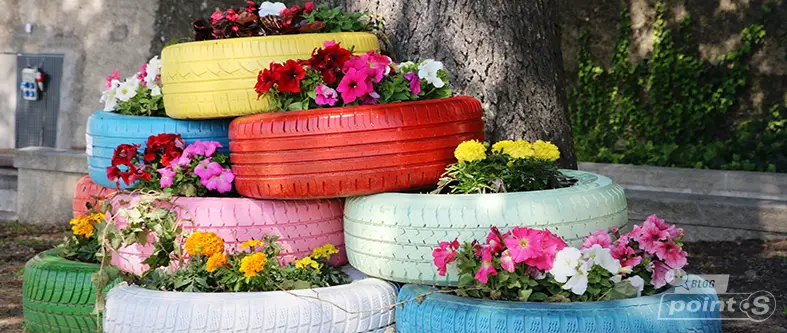
Car tires can be great for gardening and landscaping. They make strong planters and garden borders. You can paint them in bright colors to add charm to your yard.
- Use tires as raised garden beds by filling them with soil and plants.
- Create tire borders around flower beds or trees to keep soil in place.
- Stack tires to build compost bins for your garden waste.
- Hang tires on walls or fences to grow vertical gardens.
- Paint tires in different colors to decorate your garden space.
Diy Furniture Projects
You can turn old tires into unique furniture pieces. They work well for seats, tables, and storage. Adding cushions or glass tops can make them more comfortable and useful.
| Furniture Type | Materials Needed | Key Feature |
| Ottoman | Tire, cushion, fabric | Soft top for sitting |
| Side Table | Tire, glass top, paint | Flat surface for placing items |
| Bookshelf | Tires, wood planks, screws | Open shelves for books |
| Garden Stool | Tire, wooden board, paint | Sturdy outdoor seat |
Playground Equipment Ideas
Tires make safe and fun playground equipment. They are soft and flexible, which helps prevent injuries. Children enjoy climbing, swinging, and jumping on tire structures.
Try these playground ideas with tires:
- Hang tires from tree branches to create swings.
- Stack tires to build climbing towers or forts.
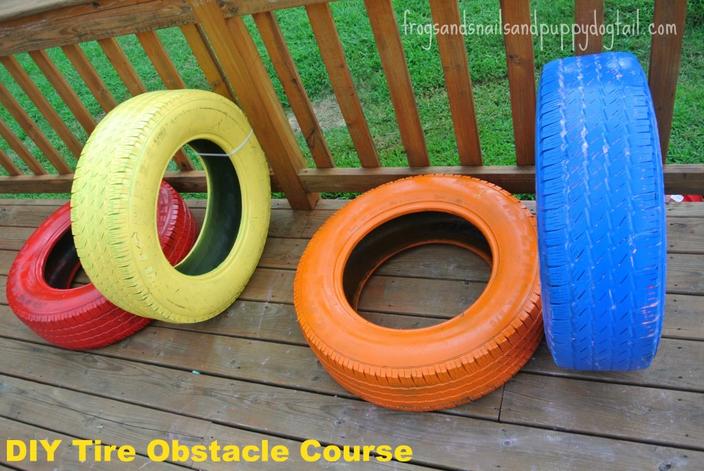
- Arrange tires in the ground as stepping stones or obstacle courses.
- Use tires to make tunnels for crawling and exploring.
Credit: www.theempowerededucatoronline.com
Challenges In Tire Recycling
Recycling car tires is important for the environment. It helps reduce waste and saves resources. Still, several challenges make tire recycling difficult.
This article looks at three main challenges: economic factors, technical limitations, and regulatory issues.
Economic Factors
Recycling tires costs money. Collecting, transporting, and processing tires require funds. Sometimes, the cost is higher than the value of recycled materials.
- High transportation costs due to tire bulk and weight
- Low market prices for recycled rubber
- Limited funding for recycling facilities
- Uncertain demand for recycled tire products
Technical Limitations
Technologies to recycle tires face limits. Tires have complex materials like steel, fabric, and rubber mixed together. This makes recycling hard and costly.
| Technical Issue | Impact on Recycling |
|---|---|
| Separation of steel and rubber | Requires special machines and adds cost |
| Rubber degradation | Limits quality of recycled material |
| Contamination | Reduces product value and safety |
Regulatory Issues
Rules and laws affect tire recycling. Different places have different standards. Some rules increase costs or limit methods.
- Strict disposal regulations can raise fees
- Lack of clear recycling guidelines causes confusion
- Permits and licenses add to paperwork and delays
- Inconsistent enforcement across regions
Future Trends In Tire Recycling
Tire recycling is changing fast with new ideas and tools. These changes help reduce waste and protect the environment. Many industries are looking for better ways to reuse old tires.
The future of tire recycling focuses on smart technology, greener materials, and systems that keep materials in use longer. These trends will shape how tires are reused worldwide.
Innovative Technologies
New machines and methods make tire recycling easier and cleaner. Advanced shredders break tires into smaller pieces faster. Chemical processes can now turn tires into useful oils and gases.
- Robots sort tires by type automatically.
- Pyrolysis breaks tires down without burning.
- Microwave technology helps remove steel and fibers.
- 3D scanning detects tire wear for better recycling.
Sustainable Materials
Researchers develop new materials to replace parts of tires or to use recycled tire rubber. These materials last longer and cause less pollution. Some come from plants or other renewable sources.
| Material Type | Source | Benefit |
| Bio-based rubber | Plants | Reduces fossil fuel use |
| Recycled rubber compounds | Used tires | Lowers waste volume |
| Thermoplastic elastomers | Mixed polymers | Easy to recycle again |
Circular Economy Initiatives
Many countries and companies work to keep tires in use longer. They collect and recycle tires more often. New rules ask makers to design tires that are easier to recycle.
Key actions in circular tire use:
- Collecting old tires from all sources
- Designing tires for easy disassembly
- Using recycled materials in new tires
- Promoting tire retreading to extend life
- Supporting local recycling businesses

Credit: www.youtube.com
Frequently Asked Questions
What Are The Common Methods To Recycle Car Tires?
Car tires are recycled through shredding, pyrolysis, and retreading. Shredding turns tires into crumb rubber for playgrounds. Pyrolysis breaks tires into oil, gas, and carbon. Retreading extends tire life by replacing worn tread, reducing waste and conserving resources.
Why Is Recycling Car Tires Important For The Environment?
Recycling car tires prevents landfill overflow and reduces pollution. It conserves natural resources and lowers energy use. Proper recycling also stops toxic chemicals from leaching into soil and water. This protects wildlife and promotes a healthier ecosystem overall.
Where Can I Recycle My Old Car Tires Locally?
You can recycle tires at local recycling centers or authorized retailers. Many auto shops accept used tires for recycling. Some municipalities organize tire collection events. Always check local regulations and facilities for tire disposal options near you.
Can Recycled Tires Be Used To Create New Products?
Yes, recycled tires are transformed into products like rubber mats, playground surfaces, and asphalt. They are also used in construction materials and fuel. This repurposing reduces waste and supports sustainable manufacturing industries.
Conclusion
Recycling car tires helps the environment. It reduces waste in landfills. You can also save energy by doing it. Many recycling centers accept old tires. Some even pay for them. Check local options for tire recycling. Think about creative reuse ideas too.
Old tires make great swings. Or garden planters. Recycling tires benefits everyone. Cleaner air and land. A better planet for future generations. Start recycling today. Make a difference.