Are you curious about how much horsepower your car can really gain from upgrading the exhaust system? You might have heard that a new exhaust can boost power, but how true is that?
Understanding the real impact on your engine’s performance can help you make smarter choices for your ride. You’ll discover exactly what an exhaust system does, how it affects horsepower, and what to expect when you decide to upgrade. Keep reading to unlock the truth behind exhaust upgrades and see if it’s worth your time and money.
Exhaust System Basics
An exhaust system helps move gases from the engine out of the vehicle. It controls noise and reduces pollution. A well-designed system can affect engine power.
Understanding how an exhaust system works can show how much horsepower it adds. Let’s look at its role and types.
Role In Engine Performance
The exhaust system removes spent gases to keep the engine running smoothly. It lowers back pressure, which helps the engine breathe better. This can increase horsepower.
- Reduces engine back pressure
- Improves airflow for better combustion
- Enhances fuel efficiency
- Controls exhaust noise levels
By improving gas flow, the engine can produce more power. The design of pipes and mufflers affects how much horsepower is gained.
Types Of Exhaust Systems
Different exhaust systems offer various benefits. Some focus on power, while others reduce sound or emissions. Here is a simple table to compare common types.
| Exhaust Type | Key Feature | Effect on Power |
| Single Exhaust | One pipe | Basic power gain |
| Dual Exhaust | Two pipes | Better flow, more power |
| Headers | Individual pipes for each cylinder | Improved scavenging, higher power |
| Cat-Back | From catalytic converter back | Moderate power increase |
Horsepower Gains Explained
Upgrading your car’s exhaust system can change the engine’s power output. The exhaust helps push gases out, which affects horsepower.
Understanding how much power an exhaust adds helps you make good choices for your vehicle.
How Exhaust Affects Power
A better exhaust system reduces backpressure. This means the engine breathes easier and runs more smoothly.
- Improved exhaust flow increases engine efficiency.
- Less backpressure means more power is available.
- Upgrades like headers and high-flow catalytic converters help.
- Sound changes are common but focus is on power gains.
Typical Horsepower Increases
Horsepower gains vary depending on the exhaust type and vehicle. Simple upgrades show smaller gains.
| Exhaust Upgrade | Horsepower Gain |
| Cat-back system | 5-15 HP |
| Headers | 10-20 HP |
| High-flow catalytic converter | 5-10 HP |
| Full performance system | 15-30 HP |
Factors Influencing Power Boost
The amount of horsepower an exhaust system adds depends on many factors. Some parts of the car affect the power gain more than others.
Knowing these factors helps you choose the right exhaust system for your vehicle.
Engine Type And Size
Different engines respond to exhaust changes in different ways. Bigger engines often gain more horsepower from upgrades.
Smaller engines may see smaller gains but can still benefit from a better exhaust system.
- V8 engines usually add more horsepower than 4-cylinder engines
- Turbocharged engines need exhausts that reduce backpressure
- Larger engines handle freer-flowing exhausts better
Exhaust Design And Materials
The design of the exhaust affects how well gases flow out of the engine. Smooth designs boost power more effectively.
Materials also matter. Lightweight materials can improve performance by reducing weight and heat buildup.
- Muffler and pipe diameter influence exhaust flow
- Stainless steel resists rust and improves durability
- Ceramic coatings reduce heat and protect parts
Installation Quality
How the exhaust system is installed changes its performance. A poor installation can reduce power gains.
Proper fitting and sealing prevent leaks and ensure the system works as designed.
- Tight connections avoid exhaust leaks
- Correct alignment prevents damage and restrictions
- Professional installation often results in better power gains

Credit: www.spelabautoparts.com
Popular Exhaust Upgrades
Upgrading your car’s exhaust system can add horsepower and improve performance. Many drivers want to know how much power these changes can give. Different parts of the exhaust system affect power in different ways.
Here we look at three common upgrades: cat-back systems, headers and manifolds, and high-flow catalytic converters. Each has its own benefits for horsepower gains.
Cat-back Systems
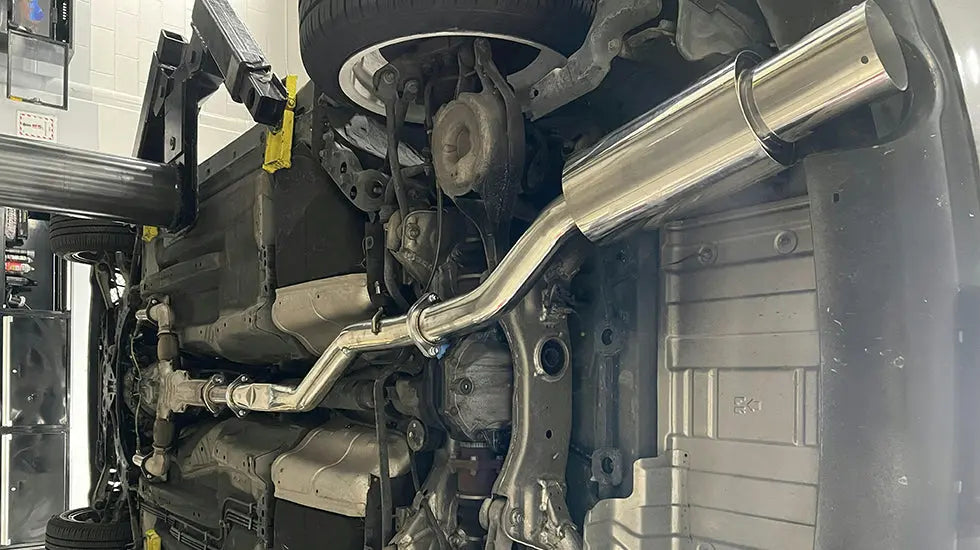
Cat-back systems replace the exhaust pipe from the catalytic converter to the rear of the car. They improve airflow and reduce backpressure. This upgrade can add horsepower by allowing the engine to breathe better.
- Better exhaust flow
- Improved engine sound
- Horsepower gains of 5 to 15 hp
- Easier installation
Headers And Manifolds
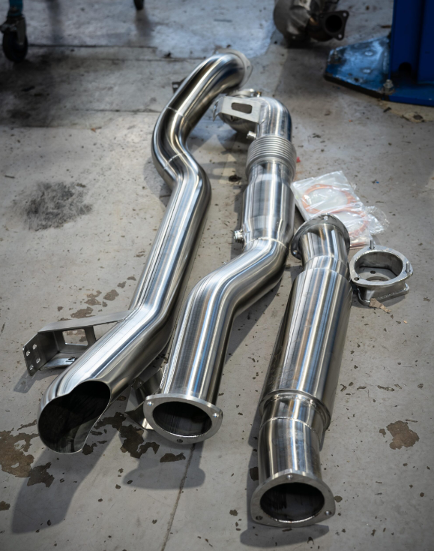
Headers and manifolds connect the engine cylinders to the exhaust system. Replacing stock parts with performance headers reduces exhaust restrictions. This upgrade often results in larger horsepower gains than cat-back systems.
| Type | Typical Horsepower Gain | Notes |
| Shorty Headers | 5-10 hp | Easier to install |
| Long Tube Headers | 10-20 hp | Best for high performance |
| Stock Manifolds | 0 hp | Factory parts |
High-flow Catalytic Converters
High-flow catalytic converters reduce the restriction of exhaust gases. They keep emissions low but allow more exhaust to escape faster. This upgrade helps gain horsepower without losing legal emissions compliance.
These converters work well with other upgrades like headers and cat-back systems. They usually add 5 to 10 horsepower depending on the vehicle and setup.
Measuring Horsepower Gains
Installing a new exhaust system can change your engine’s power. Measuring how much horsepower it adds helps you see its effect.
There are different ways to measure horsepower gains. Two common ways are using a dyno and real-world tests.
Using A Dyno
A dyno is a machine that tests engine power in controlled settings. It measures horsepower and torque precisely.
To check exhaust gains, first test your car with the old system. Then install the new exhaust and test again. The difference shows the added horsepower.
- Dynos provide consistent and repeatable results.
- They isolate the engine from outside factors like wind or road slope.
- Results help compare different exhaust types clearly.
Real-world Performance Tests
Real-world tests show how an exhaust affects driving. These include acceleration runs and track tests.
Measure times over fixed distances like 0-60 mph or quarter miles. Compare old and new exhaust times to see power gains.
- Real tests include all driving factors like traction and weather.
- They show how power gains feel on the road.
- Results vary more than dyno tests but match daily use better.
Credit: www.justdieselperformance.com.au
Additional Benefits Of Upgraded Exhausts
Upgrading your exhaust system can add horsepower to your vehicle. It also brings other benefits that improve your car’s performance and experience.
These benefits go beyond just power. They affect fuel use, sound, and the look of your car.
Improved Fuel Efficiency
An upgraded exhaust helps your engine breathe better. This means it uses fuel more efficiently.
Better fuel use saves money and reduces emissions. This makes your car more eco-friendly.
- Less engine effort means less fuel burned
- Improved airflow reduces fuel waste
- Can lead to longer driving range per tank
Enhanced Sound And Aesthetics
Upgraded exhausts change your car’s sound to a deeper, sportier tone. This makes driving more enjoyable.
They also improve the look of your vehicle. Many exhaust systems have polished tips or unique designs.
- Custom sound levels to suit your preference
- Stylish exhaust tips add visual appeal
- Can increase vehicle value with better aesthetics
Common Myths About Exhaust Power
Many people think that changing an exhaust system will add a lot of horsepower right away. This idea is not always true. It is important to understand what an exhaust system can really do for your engine power.
Exhaust systems help the engine breathe better. But the amount of power they add depends on many factors, not just the exhaust itself.
Instant Huge Power Claims
Some ads say a new exhaust system will give you huge power gains instantly. This is often an exaggeration. A good exhaust can improve power slightly, but not by a large amount alone.
Power gains usually come from a combination of upgrades, like better air intake and engine tuning. The exhaust helps, but it does not create big power jumps on its own.
Exhaust Size Misconceptions
Many believe that bigger exhaust pipes always mean more horsepower. This is not true. Pipes that are too large can reduce engine performance by lowering gas flow speed.
The right exhaust size depends on your engine type and power level. Too small or too big pipes can hurt power instead of helping it.
- Smaller pipes increase back pressure and limit power
- Oversized pipes lower exhaust gas speed and reduce torque
- Correct pipe size balances flow speed and volume for better power
Choosing The Right Exhaust System
Choosing the right exhaust system can improve your vehicle’s horsepower. It also affects sound and fuel efficiency. Picking one that fits your car is important for good results.
There are many types of exhaust systems. Each works differently depending on your vehicle. Understanding your needs helps you pick the best option.
Matching Your Vehicle’s Needs
Not all exhaust systems suit every car. Your vehicle’s engine size and type matter. Some systems add more horsepower to certain engines.
- Check your engine type: V6, V8, or four-cylinder
- Consider your driving style: city, highway, or racing
- Look for systems designed for your vehicle model
- Think about the sound level you want
- Know if you need better fuel economy or more power
Matching these points helps you find an exhaust system that improves horsepower effectively. It also avoids problems like poor fit or noise issues.
Balancing Cost And Performance
Exhaust systems vary in price and performance. Higher cost does not always mean better horsepower gains. You need to balance your budget with your goals.
| Price Range | Performance Level | Common Materials |
| Low ($100-$300) | Moderate | Aluminized Steel |
| Mid ($300-$700) | Good | Stainless Steel |
| High ($700+) | High | Titanium or High-Grade Stainless |
Choose a system that fits your budget but still offers horsepower gains. Consider durability and sound quality too.
Installation Tips And Considerations
Installing an exhaust system can add horsepower to your vehicle. Proper installation ensures you get the best performance. There are important tips to follow before starting the job.
Consider your skills and tools before choosing between professional help or a DIY approach. Maintaining the system after installation will keep it running longer and performing well.
Professional Vs Diy
Choosing between professional installation and doing it yourself depends on your experience. Professionals have the right tools and knowledge to install the exhaust system correctly. DIY can save money but requires care.
- Professional installation ensures correct fit and seal
- DIY requires proper tools and a good workspace
- Professionals can spot and fix hidden issues
- DIY may take more time and effort
- Warranty might require professional installation
Maintenance And Longevity
Maintaining your exhaust system helps keep the added horsepower over time. Regular checks prevent damage and rust. Clean and inspect parts often to extend system life.
| Maintenance Task | Frequency | Reason |
| Visual inspection | Every 3 months | Spot leaks or cracks early |
| Cleaning | Every 6 months | Remove dirt and prevent rust |
| Check mounting bolts | Every 3 months | Ensure tight and secure fit |
| Replace worn parts | As needed | Maintain system efficiency |

Credit: flasharkracing.com
Frequently Asked Questions
How Much Horsepower Can An Exhaust System Add?
An exhaust system can add 5 to 15 horsepower. The exact gain depends on the car model and exhaust type. Performance exhausts improve airflow, reducing engine backpressure and increasing power. Proper tuning also maximizes horsepower gains.
Does Upgrading The Exhaust Improve Engine Performance?
Yes, upgrading the exhaust improves engine performance. It enhances exhaust gas flow, reducing backpressure. This allows the engine to breathe better, increasing horsepower and torque. A performance exhaust also improves throttle response and fuel efficiency.
Can A Stock Exhaust System Limit Horsepower?
Yes, a stock exhaust can limit horsepower. Factory exhausts prioritize noise reduction and emissions. They often restrict airflow, causing engine backpressure. Upgrading to a performance exhaust reduces these restrictions, unlocking additional horsepower and improving overall engine efficiency.
How Does Exhaust Design Affect Horsepower Gains?
Exhaust design affects horsepower by optimizing gas flow. Mandrel bends, larger pipes, and high-flow catalytic converters reduce restrictions. A well-designed exhaust minimizes backpressure and turbulence. This results in smoother exhaust flow and noticeable horsepower improvements.
Conclusion
Discovering the impact of an exhaust system on horsepower is intriguing. It varies based on design and vehicle type. Generally, an exhaust system can boost performance slightly. This upgrade offers efficiency and a better driving experience. Enthusiasts often notice improved engine sound too.
Investing in a quality exhaust system can be worthwhile. Make sure to consider factors like compatibility and cost. Consult with experts for personalized advice. This way, your vehicle can achieve desired performance goals. Keep exploring and learning about car modifications for optimal results.
Your journey to understanding car performance continues.