
Choosing the best heating system for your house is more important than you might think. It affects your comfort, energy bills, and even your home’s value.
You want a solution that keeps you warm without breaking the bank or causing headaches down the road. But with so many options out there, how do you know which one fits your needs perfectly? You’ll discover clear answers and practical advice to help you make the right choice for your home and your family.
Keep reading—your cozy, worry-free winter starts here.
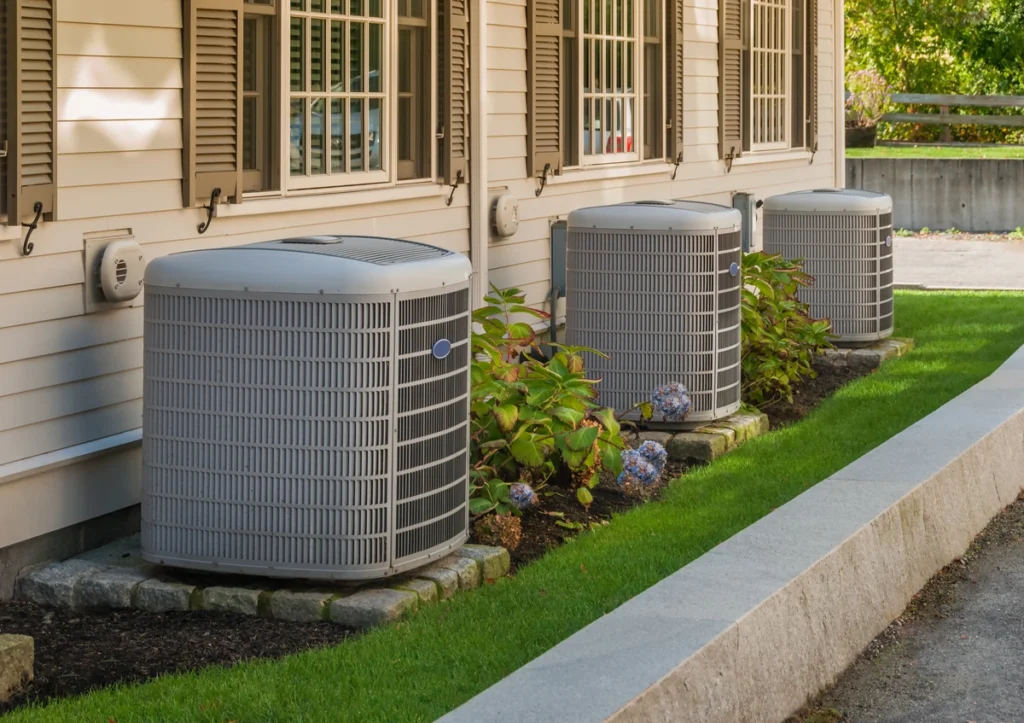
Credit: thelenmechanical.com
Types Of Heating Systems
Choosing the right heating system can keep your home warm and comfortable. Many types of systems exist, each with unique features. Understanding these can help you decide what fits your needs best.
This guide covers five common heating systems found in homes. Learn how each works and what makes them different.
Furnace Heating
A furnace heats air and sends it through ducts to warm your home. It usually runs on gas, oil, or electricity. Furnaces heat quickly and work well in cold climates.
Boiler Heating
Boilers heat water to produce steam or hot water. This heat moves through pipes to radiators or floor systems. Boilers use gas, oil, or electricity. They offer steady, even heat.
Heat Pumps
Heat pumps move heat from outside to inside your home. They can also cool your house in summer. Heat pumps are energy efficient but may not work well in very cold areas.
Radiant Heating
Radiant heating warms floors or walls directly. It uses hot water tubes or electric mats under the surface. This system gives even warmth and saves space.
Electric Heating
Electric heaters use electrical resistance to create heat. They come in many forms like baseboards, space heaters, or coils. Electric heating is simple to install but can cost more to run.
| Heating System | Fuel Type | Best Use |
| Furnace | Gas, Oil, Electric | Quick heat, cold climates |
| Boiler | Gas, Oil, Electric | Even heat, older homes |
| Heat Pump | Electric | Moderate climates, heating & cooling |
| Radiant Heating | Electric, Hot Water | Comfort, space-saving |
| Electric Heating | Electric | Easy install, small spaces |
Energy Efficiency Comparison
Choosing the best heating system for your house depends on energy efficiency. Efficient systems save money and reduce energy use. This guide compares different heating options by their energy use.
Understanding fuel types, system ratings, and environmental effects helps you pick the right heating system. Each factor affects how much energy your home uses and its impact on nature.
Fuel Types And Costs
Heating systems use different fuels like electricity, natural gas, oil, or propane. Each fuel has a cost and availability that changes by location.
Electric heat pumps are cheaper to run in many areas. Gas heaters cost less in places with low gas prices. Oil and propane can be expensive but work where other fuels are not available.
- Electricity: Often more expensive but clean and efficient
- Natural Gas: Usually cheaper and widely available
- Oil: Higher cost and less common
- Propane: Good for remote areas but costly
System Efficiency Ratings
Heating systems have efficiency ratings that show how well they convert fuel into heat. Higher ratings mean less fuel is wasted.
Look for ratings like AFUE for furnaces and HSPF for heat pumps. These numbers help compare different systems easily.
| System Type | Efficiency Rating | Typical Range |
|---|---|---|
| Gas Furnace (AFUE) | Annual Fuel Utilization Efficiency | 80% – 98% |
| Electric Heat Pump (HSPF) | Heating Seasonal Performance Factor | 7.5 – 13 |
| Oil Furnace (AFUE) | Annual Fuel Utilization Efficiency | 80% – 90% |
Environmental Impact
Heating systems affect the environment by releasing greenhouse gases. Some fuels produce more pollution than others.
Electric heat pumps use less energy and create fewer emissions if powered by renewable sources. Gas and oil heaters release more carbon dioxide and other pollutants.
- Electric Heat Pumps: Low emissions with green electricity
- Natural Gas: Moderate emissions, cleaner than oil
- Oil: High carbon emissions and pollution
- Propane: Cleaner than oil but still emits greenhouse gases
Installation And Maintenance
Choosing the best heating system depends on how easy it is to install and maintain. Some systems need more work upfront. Others require regular care to run well.
Understanding installation and maintenance helps you pick a system that fits your home and budget.
Installation Complexity
Installation difficulty varies by heating system type. Some require professional help and special tools. Others are easier to set up.
For example, electric heaters often need simple installation. Gas and oil systems need more work and safety checks.
- Electric heaters: low complexity, quick setup
- Gas furnaces: moderate complexity, need venting
- Heat pumps: higher complexity, need outdoor unit
- Oil boilers: high complexity, require fuel storage
Routine Maintenance Needs
Heating systems need regular care to work safely and efficiently. Some need more frequent checks than others.
Simple systems may only need filter changes. Complex systems need inspections, cleaning, and part replacements.
- Electric heaters: clean filters, check wiring yearly
- Gas furnaces: inspect burners, clean ducts yearly
- Heat pumps: clean coils, check refrigerant twice a year
- Oil boilers: clean tank, check fuel lines annually
Lifespan Of Systems
Heating systems last different amounts of time. Proper maintenance helps them last longer.
Choosing a system with a longer life can save money over time. But initial cost and maintenance matter too.
| System Type | Average Lifespan (Years) |
|---|---|
| Electric Heaters | 15 – 20 |
| Gas Furnaces | 15 – 30 |
| Heat Pumps | 10 – 15 |
| Oil Boilers | 20 – 30 |

Credit: www.youtube.com
Comfort And Performance
Choosing the best heating system affects your home’s comfort and energy use. A good system warms every room evenly.
It also lets you control the temperature easily and works quietly. These factors improve your living space all winter.
Heat Distribution Methods
Heat moves through homes in different ways. Some systems use warm air, while others use hot water or electric heat.
- Forced air heats quickly but can cause uneven temperatures.
- Radiant heat warms floors or walls and feels very cozy.
- Baseboard heaters are simple but may heat slowly.
- Hydronic systems use water to spread heat smoothly.
Temperature Control Options
Good temperature control helps you save energy and stay comfortable. Many systems offer manual or digital controls.
| Control Type | Description | Benefits |
| Manual Thermostat | Simple dial or slider | Easy to use, less expensive |
| Programmable Thermostat | Set schedule for heating | Saves energy by adjusting times |
| Smart Thermostat | Controlled by phone or voice | Precise control and remote access |
Noise Levels
Noise can affect your comfort. Some heating systems run quietly, while others can be loud.
| Heating System | Typical Noise Level |
|---|---|
| Forced Air | Moderate to high (fan noise) |
| Radiant Heat | Very low (silent) |
| Baseboard Heaters | Low (quiet) |
| Hydronic Systems | Low (pump noise sometimes) |
Cost Considerations
Choosing the best heating system for your house depends a lot on cost factors. It is important to think about how much you pay upfront and over time. These costs affect your budget and savings.
Let’s look at key cost areas. They include the initial investment, operating expenses, and any rebates you may get. Understanding these helps you pick a system that fits your finances.
Initial Investment
The initial investment is the price you pay to buy and install the heating system. This cost varies widely depending on the type and size of the system.
| Heating System Type | Average Installation Cost |
| Furnace (Gas) | $2,500 – $5,000 |
| Heat Pump | $4,000 – $8,000 |
| Boiler | $3,500 – $7,000 |
| Electric Heater | $1,500 – $3,000 |
Operating Expenses
Operating expenses include the cost to run and maintain the heating system. Fuel type, energy efficiency, and regular upkeep influence these costs.
- Electric systems usually cost more to run but need less maintenance.
- Gas systems have lower fuel costs but need yearly checks.
- Heat pumps use less energy but work best in mild climates.
- Boilers can be expensive to operate if not efficient.
Potential Rebates And Incentives
Many local and federal programs offer rebates and incentives to lower your heating system cost. These can reduce your overall expenses significantly.
Common rebate sources include:
- Energy company discounts
- Government tax credits
- State and local energy programs
Check eligibility rules carefully to get the best savings.
Choosing The Right System
Choosing the best heating system for your house depends on several important factors. Picking the right system helps keep your home warm and saves energy.
Think about your home’s size, local climate, and what you prefer before making a choice. These details guide you to the best heating option.
Home Size And Layout
Large homes need powerful heating systems to keep all rooms warm. Smaller homes can use simpler systems that cost less to run.
The layout matters too. Open floor plans spread heat better. Many small rooms may need multiple heating units.
- Big homes often use central heating systems
- Small homes may use space heaters or heat pumps
- Open layouts allow heat to flow easily
- Multiple rooms might need zone heating
Climate Factors
Colder climates require heating systems that produce more heat. Mild climates may use energy-efficient systems with less power.
Consider how long winters last. Some systems work better for short cold seasons. Others suit long, harsh winters.
- Cold areas benefit from furnaces and boilers
- Mild areas can use heat pumps or radiant heaters
- Long winters need durable and efficient systems
- Short winters allow flexible, low-cost options
Personal Preferences
Your comfort matters when picking a heating system. Some people like warm floors. Others prefer warm air blowing.
Think about energy costs and maintenance. Choose a system that fits your lifestyle and budget.
- Radiant floor heating offers gentle warmth
- Forced air systems heat rooms quickly
- Some systems need regular upkeep
- Energy-efficient models save money long-term
Latest Heating Technologies
Choosing the best heating system can save money and energy. New heating technologies offer better control and comfort.
These systems use smart features and efficient designs. They help homes stay warm while using less fuel.
Smart Thermostats
Smart thermostats learn your schedule and adjust temperatures automatically. They reduce energy waste by heating only when needed.
Many models connect to your phone. You can control your heating even when you are away from home.
- Remote temperature control
- Energy usage reports
- Voice assistant integration
- Automatic scheduling
Zoned Heating
Zoned heating divides your home into sections. Each zone gets its own temperature control.
This system saves energy by heating only rooms you use. It also improves comfort in larger homes.
- Custom heat for each room
- Lower heating bills
- Easy to control zones
- Works with many heating types
Hybrid Systems
Hybrid systems use two types of heating. They switch between electric and gas heat for best efficiency.
These systems adjust based on outdoor temperature. They keep your home warm while saving money on fuel.
- Combines gas furnace and heat pump
- Automatic switching for efficiency
- Lower energy costs
- Better for varying climates

Credit: www.amazon.com
Frequently Asked Questions
What Is The Most Energy-efficient Heating System?
The most energy-efficient heating system is a heat pump. It uses electricity to transfer heat rather than generate it. This reduces energy consumption and saves costs. Heat pumps work well in moderate climates and provide both heating and cooling options.
How Do Radiant Floor Heating Systems Work?
Radiant floor heating warms your home by circulating hot water or electric coils beneath the floor. This system evenly distributes heat from the ground up, providing consistent warmth. It’s energy-efficient and creates a comfortable living environment without cold spots.
Are Gas Heating Systems Better Than Electric Ones?
Gas heating systems generally provide faster, cost-effective heating, especially in colder regions. Electric systems are easier to install and maintain but may have higher operating costs. The best choice depends on your location, energy prices, and home insulation quality.
What Heating System Is Best For Large Homes?
For large homes, a forced-air furnace or a central heat pump is ideal. These systems distribute heat efficiently across multiple rooms. They also allow zoning options to control temperatures in different areas, optimizing comfort and energy use.
Conclusion
Choosing the right heating system is important for comfort and savings. Each option has unique benefits and drawbacks. Consider your budget and climate needs. Think about energy efficiency and installation costs. Talk to heating professionals for advice. They can help assess your home’s requirements.
Remember, a good system keeps your home warm and cozy. Making an informed choice ensures warmth and peace of mind. Invest wisely for a comfortable future.