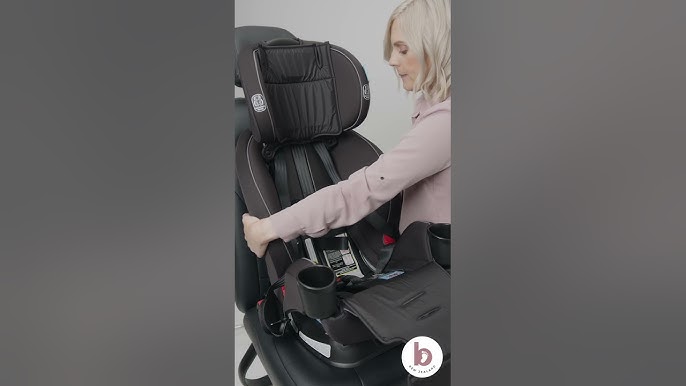
Installing a car seat with a seat belt might seem tricky, but it doesn’t have to be. You want your child to be safe and secure every time you hit the road.
If you’re unsure about the right steps or worried about making mistakes, this guide is here to help. By the end, you’ll feel confident and ready to install your car seat correctly, keeping your little one protected. Keep reading to learn simple, clear steps that anyone can follow.

Credit: chicco.ca
Choosing The Right Car Seat
Selecting the right car seat is important for your child’s safety. A proper car seat fits your child’s age, weight, and height.
This guide helps you understand different car seat types, how to check compatibility, and what safety standards to consider.
Types Of Car Seats
Car seats come in different styles based on your child’s growth stages. Choose a seat that fits your child well for the best protection.
- Rear-facing seats: Best for infants and toddlers, supporting the head and neck.
- Forward-facing seats: Designed for older toddlers with a harness system.
- Booster seats: For children who have outgrown forward-facing seats but need a seat belt positioner.
Checking Seat Compatibility
Not all car seats fit every vehicle. Check your car’s manual and the car seat label for compatibility details.
| Car Seat Type | Vehicle Compatibility | Notes |
| Rear-facing | Most cars with rear seat belts | Requires enough space behind the seat |
| Forward-facing | Cars with LATCH or seat belts | Ensure tight installation with seat belt |
| Booster | Cars with seat belts | Check belt positioning guides |
Safety Standards To Look For
Always check for safety labels on the car seat. These show the seat meets government safety rules.
- Look for a label showing compliance with FMVSS 213 (Federal Motor Vehicle Safety Standard).
- Check for side-impact protection features.
- Verify the expiration date on the car seat label.
- Choose seats with easy-to-read installation instructions.

Credit: www.youtube.com
Preparing Your Vehicle
Installing a car seat safely starts with preparing your vehicle. This step helps make sure the seat fits well and stays secure.
Knowing how to get your car ready will make the installation easier and safer for your child.
Selecting The Best Seat Location
Choose the safest spot for the car seat. The back seat is usually best. Avoid placing the seat near active airbags.
- Pick the middle seat if it has a proper seat belt.
- If the middle seat is not an option, use the rear passenger side seat.
- Check that the seat location has a firm, flat surface.
- Make sure the seat location does not block doors or windows.
Clearing The Area
Remove anything that might get in the way of the car seat or seat belt. Clear the area to allow a tight fit.
- Take out loose items like bags or toys.
- Fold or move down the vehicle seat armrests if needed.
- Make sure the seat belt can move freely without twists.
- Check that no objects block the seat belt path.
Understanding Seat Belt Mechanisms
Know how your vehicle’s seat belts work. This helps you secure the car seat tightly and correctly.
| Seat Belt Type | Description | How to Use |
| Lap Belt | Goes over the hips only | Place the belt low across the child seat base |
| Lap and Shoulder Belt | Crosses the chest and hips | Thread both parts through the car seat belt path |
| Automatic Locking Retractor (ALR) | Locks the belt when pulled all the way out | Pull the belt fully to activate locking, then secure seat |
| Emergency Locking Retractor (ELR) | Locks during sudden stops | Use with locking clip if seat belt does not lock properly |
Installing The Car Seat
Installing a car seat with a seat belt is important for your child’s safety. Follow the correct steps to make sure the seat is secure.
Each car seat and vehicle may have specific instructions. Always check the manuals for details.
Positioning The Seat Correctly
Place the car seat in the right position in your vehicle. Usually, the back seat is safest for children.
Make sure the seat faces the right direction. Rear-facing seats are for infants, and forward-facing for older children.
Routing The Seat Belt
Thread the seat belt through the car seat’s belt path. This path is marked on the car seat for easy identification.
Check that the belt is flat and not twisted. A twisted belt reduces the car seat’s safety.
Locking The Seat Belt
Pull the seat belt all the way out to activate the locking mechanism. This keeps the belt tight around the seat.
Slowly let the belt retract while holding the seat in place. The belt should lock and hold the seat firmly.
- Pull belt fully out
- Feed belt through belt path
- Let belt retract slowly
- Check that belt locks in place
Securing The Seat Tightly
Push down on the car seat while tightening the seat belt. The seat should not move more than one inch side to side.
Double check the tightness by grabbing the seat near the belt path. It must feel very secure.
Testing The Installation
After installing a car seat with a seat belt, test the installation carefully. Testing ensures the seat is safe for your child.
Check the seat for tightness, movement, and the correct angle. These checks help keep your child secure during travel.
Checking For Movement
Push and pull the car seat at the base where it attaches to the vehicle. The seat should not move more than one inch side to side or front to back.
If the seat moves too much, the installation is loose. Try tightening the seat belt or repositioning the seat.
Adjusting For Tightness
Make sure the seat belt is pulled tight through the car seat’s belt path. A loose belt means the seat is not secure.
Use your body weight to press down on the car seat while tightening the seat belt. This helps remove slack.
- Lock the seat belt if it has a locking feature
- Pull the belt slowly to remove slack
- Press down firmly on the seat during tightening
Ensuring Proper Recline Angle
Check the car seat’s recline angle to keep your child safe and comfortable. Many seats have a built-in angle indicator.
The seat should not be too upright or too reclined. Adjust the angle as needed following the car seat instructions.
- Look for the angle indicator on the seat
- Adjust the base until the indicator shows the correct angle
- Ensure the child’s head does not fall forward
Securing Your Child
Installing a car seat with a seat belt keeps your child safe. Proper setup is important for protection.
Follow these steps to secure your child in the car seat correctly. Safety starts with a good installation.
Adjusting Harness Straps
The harness straps keep your child snug and safe. Adjust them to fit your child’s size well.
Make sure the straps are tight but not uncomfortable. You should not be able to pinch any slack.
- Place the straps at or below your child’s shoulders for rear-facing seats.
- For forward-facing seats, straps should be at or above the shoulders.
- Pull the harness adjuster to tighten the straps.
- Check for a snug fit without gaps or slack.
Positioning Chest Clip
The chest clip holds the harness straps in the right place. It helps keep the straps on your child’s body.
Place the chest clip at armpit level. This position keeps the straps from slipping off the shoulders.
- Slide the chest clip up or down to armpit height.
- Ensure the clip is centered on your child’s chest.
- Do not position the clip too low or too high.
Final Safety Checks
Before driving, check the car seat and your child’s fit one last time. Safety checks prevent accidents.
Look for tight seat belt installation and secure harness straps. Make sure nothing blocks the seat’s movement.
- The seat belt should lock and hold the car seat firmly.
- Make sure the car seat does not move more than one inch side to side.
- Check that harness straps are tight and chest clip is in place.
- Your child should sit comfortably without slouching.
Common Installation Mistakes
Installing a car seat with a seat belt requires care and attention. Many people make mistakes that can affect safety. Knowing common errors helps you avoid them.
This guide covers three common problems: loose seat belts, incorrect seat angle, and ignoring the vehicle manual.
Loose Seat Belt Issues
A loose seat belt can make the car seat unstable. The seat might move too much during driving or crashes. Always pull the belt tight to keep the seat secure.
Check the belt after installation. Push and pull the seat to see if it shifts. If it moves more than one inch side to side or front to back, tighten the belt again.
- Lock the seat belt properly before tightening
- Remove slack by pulling the belt firmly
- Use belt locking clips if needed
Incorrect Seat Angle
The angle of the car seat matters for safety and comfort. Too upright or too reclined can harm your child’s neck and spine. Follow the car seat’s angle guidelines carefully.
Most seats have built-in angle indicators. Use these to set the right tilt. If your child is a newborn, keep the seat more reclined to support the head.
- Check angle indicators on the seat
- Adjust recline for child’s age and size
- Recheck angle after tightening the seat belt
Ignoring Vehicle Manual
Each vehicle has unique seat belt systems and anchor points. Ignoring the vehicle manual can lead to wrong installation. Always read the manual before installing the seat.
The manual explains how to use seat belts and where to place the car seat. It may also list restrictions or warnings for your car model.
- Find the section about child seat installation
- Follow belt routing instructions closely
- Check for vehicle-specific safety tips
Maintaining Your Car Seat
Keeping your car seat in good shape is very important for safety. Proper care helps the seat last longer and stay secure. This guide explains how to maintain your car seat with simple steps.
Check your car seat often and clean it well. Also, know when it is time to replace it. These actions keep your child safe every time you drive.
Regular Inspections
Look over the car seat before every trip. Check the seat belt, buckles, and straps. Make sure there are no tears or cracks. Tighten any loose parts to keep the seat stable.
- Inspect straps for wear or damage
- Test buckles to ensure they click firmly
- Check the seat belt path for twists
- Look for cracks in the plastic shell
- Verify the seat is tightly installed in the car
Cleaning Tips
Keep the car seat clean to avoid stains and odors. Use mild soap and water for the fabric parts. Avoid harsh chemicals that can weaken the material.
| Cleaning Step | Method |
| Remove cover | Take off fabric carefully |
| Wash cover | Hand wash or machine wash on gentle cycle |
| Clean harness straps | Wipe with damp cloth and mild soap only |
| Clean plastic shell | Use warm water and mild soap |
| Dry parts | Air dry away from direct sunlight |
When To Replace The Seat
Car seats do not last forever. Replace your seat if it has been in a crash. Also, change it if it is past the expiration date. Old seats may not protect well in a crash.
- Replace after any moderate or severe crash
- Check expiration date on the seat label
- Replace if straps or buckles are broken
- Do not use seats with missing parts
- Consider replacing after 6 to 10 years of use

Credit: www.britax.ca
Frequently Asked Questions
How Do I Secure A Car Seat With A Seat Belt?
To secure a car seat with a seat belt, thread the belt through the seat’s belt path. Buckle the seat belt and pull it tight. Lock the seat belt to prevent slack. Always check the car seat manual for specific instructions.
Can I Use A Lap-only Seat Belt For Installation?
No, a lap-only seat belt is not safe for car seat installation. Use a lap-shoulder seat belt instead. This combination provides better restraint and protection during a crash.
How Tight Should The Seat Belt Be When Installing?
The seat belt should be very tight with no slack. Press down firmly on the car seat while tightening. The seat must not move more than one inch side to side or front to back.
Is It Necessary To Lock The Seat Belt During Installation?
Yes, locking the seat belt is crucial. It keeps the car seat securely in place. Check your vehicle’s manual to find the locking mechanism type.
Conclusion
Installing a car seat with a seat belt is essential. Safety is the top priority. Follow each step carefully to ensure proper installation. Double-check the seat’s position and tightness. Always consult your car manual for specific instructions. Practice makes perfect, so don’t rush the process.
A well-installed car seat can protect your child. Keep your child’s safety at the forefront. Regularly inspect the seat for wear and tear. Consistent checks ensure ongoing safety. Remember, a secure car seat offers peace of mind. Drive confidently knowing your child is safe.