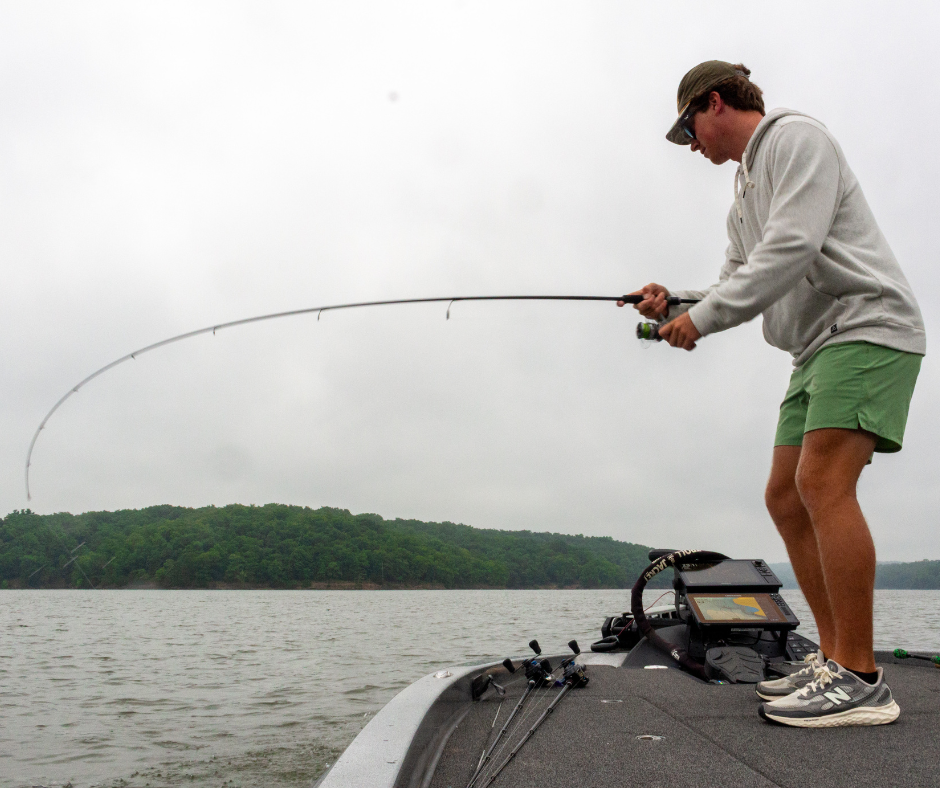
Choosing the right fishing line size can make or break your bass fishing trip. You might wonder, “What size fishing line for bass will give me the best chance to catch more fish?” The truth is, using the wrong line can lead to missed bites, snapped lines, or lost bass.
But don’t worry—this guide will help you pick the perfect line size tailored to your fishing style and the conditions you face. Keep reading, and you’ll soon know exactly what line will boost your success on the water.
Choosing Line Strength
Picking the right fishing line strength is key for bass fishing. The line must hold strong but not scare the fish.
Choosing the right size depends on the bass size and fishing conditions.
Light Vs Heavy Lines
Light lines are thinner and less visible in water. They help catch cautious bass in clear water.
Heavy lines are thicker and stronger. They work well in thick cover or when bass are bigger.
- Light lines: better stealth, less drag
- Heavy lines: better strength, less breakage
- Choose based on water clarity and bass size
Pound Test Ratings
Pound test shows how much weight a line can hold before breaking. It helps pick line strength.
For bass fishing, 6 to 12-pound test lines are common. Use lighter tests for small bass and heavier for big bass.
| Line Strength (Pound Test) | Best Use |
|---|---|
| 6-8 lb | Clear water, small to medium bass |
| 8-10 lb | General bass fishing, mixed conditions |
| 10-12 lb | Heavy cover, larger bass |
Line Stretch And Sensitivity
Line stretch affects how well you feel bites. Less stretch means better sensitivity.
Monofilament lines stretch more, which can soften hook sets. Fluorocarbon and braided lines stretch less for quick hook sets.
- More stretch: easier to absorb sudden pulls
- Less stretch: better bite detection
- Choose line type based on sensitivity needs

Credit: www.reddit.com
Line Types For Bass
Choosing the right fishing line is important for catching bass. Different lines work better in different situations.
Each type of line has its own benefits. Knowing these can help you pick the best line for bass fishing.
Monofilament Benefits
Monofilament line is easy to use and flexible. It stretches well, which helps prevent fish from breaking the line.
This line type is good for beginners. It floats on water and works well with many lures.
- Good stretch reduces fish breaks
- Floats on water surface
- Easy to knot and handle
- Affordable and widely available
Fluorocarbon Advantages
Fluorocarbon line is nearly invisible underwater. Bass are less likely to see it, making it good for clear water.
This line sinks faster than monofilament. It is tough and resists abrasion from rocks and plants.
- Low visibility in water
- Sinks quickly for deep fishing
- High resistance to abrasion
- Strong and durable
Braided Line Strengths
Braided line has very high strength. It is thinner than other lines of the same strength, giving better casting distance.
This line does not stretch much. It provides strong hook sets and good sensitivity to feel bites.
- Very strong with small diameter
- Little stretch for better hook sets
- Excellent sensitivity
- Durable in heavy cover areas
Fishing Conditions Impact
Choosing the right fishing line size for bass depends on the fishing conditions. Different environments affect how bass react and how your line performs.
Understanding these conditions helps you pick the best line to improve your catch chances.
Clear Water Strategies
In clear water, bass can see your line easily. Use thinner lines to avoid spooking fish. A line with 6 to 8-pound test is often best.
Fluorocarbon lines are good because they are less visible underwater and have good strength.
- Use 6-8 lb test line for better stealth
- Fluorocarbon lines reduce line visibility
- Keep line tension steady to detect bites
Weedy And Rocky Areas
Thicker lines work better in heavy cover like weeds or rocks. Use lines between 12 and 20 pounds test to avoid breakage.
Braided lines are strong and cut through vegetation well. They help you pull bass out of tough spots.
- Choose 12-20 lb test line for durability
- Braid lines resist abrasion and cuts
- Heavier lines help control fish in cover
Weather And Water Temperature
Cold water makes bass less active. Use lighter lines of 6 to 10 pounds to feel subtle bites. Slow retrieves work best.
Warm weather wakes bass up. You can use heavier lines, 10 to 15 pounds, for stronger fights and faster fishing.
- Use lighter lines in cold water for sensitivity
- Heavier lines suit warm water and strong fights
- Adjust line size based on bass activity
Matching Line To Lure
Choosing the right fishing line size is important for catching bass. The size of your line should fit the lure you use. This helps your lure move naturally and improves your chances of a catch.
Using the correct line strength and thickness also helps prevent breaks. Let’s look at which line sizes work best with different lure types.
Light Lines For Small Lures
Light fishing lines are best for small lures. Thin lines let the lure move freely in the water. This makes the lure look more natural to bass.
Light lines also help when bass are cautious and hard to catch. They are less visible underwater and allow delicate presentations.
- Use 4 to 8-pound test line for small jigs and soft plastics
- Light lines are good for finesse fishing techniques
- Best for clear water and calm conditions
Heavy Lines For Big Baits
Heavy lines are needed for big baits. Large lures like crankbaits or spinnerbaits need stronger lines. This stops the line from breaking during strong strikes.
Heavy lines also help control bass around cover like rocks and weeds. They provide more power for pulling fish out safely.
- Use 12 to 20-pound test line for big crankbaits and swimbaits
- Heavy lines work well in heavy cover and rough water
- Strong lines improve hook sets and control
Versatile Line Choices
Some lines work well with many lure sizes. Medium strength lines are good for most bass fishing situations. They balance strength and finesse.
Versatile lines let you switch lures without changing your setup. This saves time and keeps you fishing longer.
- Use 8 to 12-pound test line for a wide range of lures
- Good for soft plastics, medium jigs, and small crankbaits
- Works well in mixed cover and varying water conditions
Tackle And Rod Compatibility
Choosing the right fishing line size for bass depends on your rod and tackle. Matching line strength with rod power helps you catch bass efficiently.
Using the correct line size prevents damage to your rod and reel. It also improves your fishing performance and control.
Rod Power And Line Strength
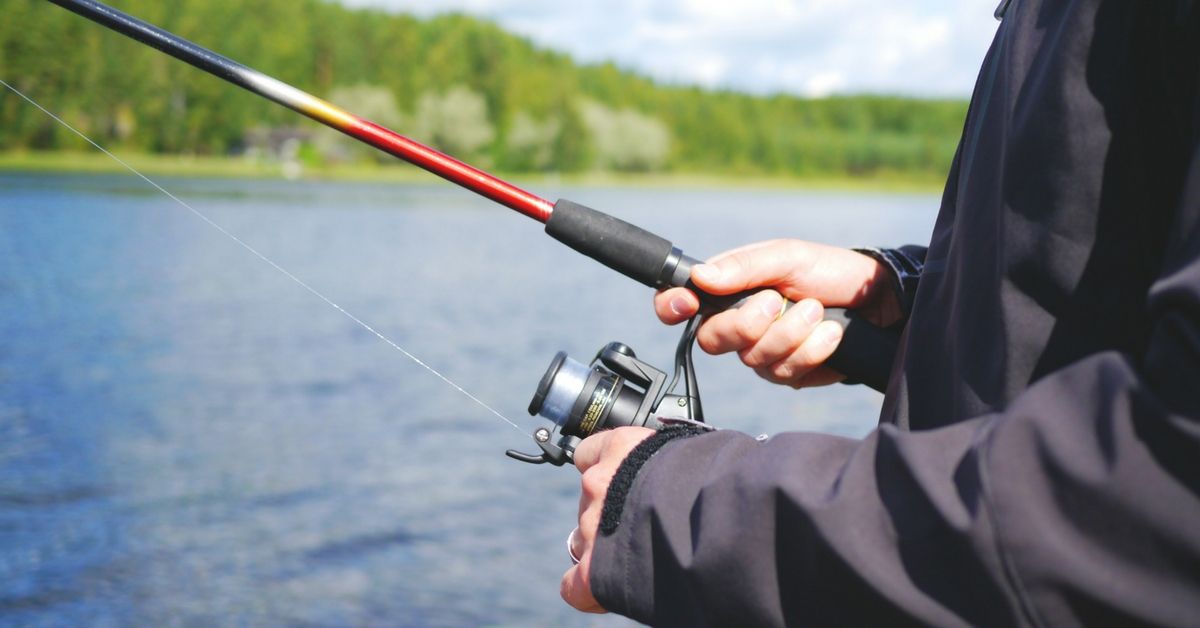
Rod power shows how strong your rod is. Light rods need lighter lines, while heavy rods need stronger lines.
Use line strength that matches your rod’s power to avoid breaking your rod or losing fish.
- Light rods: 4-8 lb line
- Medium rods: 8-12 lb line
- Medium-heavy rods: 12-17 lb line
- Heavy rods: 17-25 lb line
Reel Capacity Limits
Your reel has a line capacity limit. Use line sizes that fit well on your reel spool.
Too thick a line won’t fit enough on the reel. Too thin a line may cause line tangles and weak pulls.
- Check the reel spool size for max line weight and length
- Use line sizes recommended by the reel manufacturer
- Balance line diameter with reel capacity for smooth casting
Balancing The Setup
Balance your rod, reel, and line for the best bass fishing experience. This balance improves casting and fighting fish.
Choose a line that matches rod power and fits reel capacity. This setup reduces stress on your gear and helps catch more bass.
- Match line strength with rod power
- Ensure line fits reel spool capacity
- Consider the type of bass fishing (e.g., heavy cover or open water)
- Test your setup before fishing to avoid surprises
Credit: mysterytacklebox.com
Tips For Line Maintenance
Keeping your fishing line in good shape helps you catch more bass. Proper care avoids breaks and tangles. It also makes your line last longer.
Use simple habits to check and store your line. This keeps it strong and ready for your next fishing trip.
Regular Line Inspection
Look at your fishing line before each trip. Check for small cuts, nicks, or weak spots. These can cause the line to snap while fishing.
- Run your fingers along the line to feel for rough areas.
- Look for discoloration or fading that shows wear.
- Check knots to make sure they are tight and neat.
- Inspect the line near the lure and reel for damage.
Replacing Old Line
Old fishing line loses strength and can fail easily. Replace your line after several uses or if it shows damage. Fresh line improves casting and hook setting.
| Signs You Need New Line | Reason |
| Visible cracks or frays | Weak spots cause breaks |
| Line feels stiff or brittle | Material aging reduces strength |
| Line has faded color | Sunlight damage weakens line |
| Frequent tangles or knots | Line loses smoothness and flexibility |
Proper Storage Methods
Store your fishing line in a cool, dry place. Avoid direct sunlight and heat. This helps keep the line strong and flexible.
Use these tips for line storage:
- Keep spools in sealed plastic bags to block moisture.
- Store reels with line loosened to reduce tension.
- Use a line spooler or holder to avoid tangles.
- Check stored line every few months for signs of damage.
Common Mistakes To Avoid
Choosing the right fishing line for bass can be tricky. Many anglers make simple mistakes that hurt their chances of a good catch.
This guide explains common errors to help you pick the best line for your fishing needs.
Overrating Line Strength
Many anglers think a stronger line means better fishing. Using a heavy line can scare bass away. It also reduces the lure’s natural movement.
- Do not choose a line that is too thick for your setup.
- Match line strength with the size of bass you expect to catch.
- Use lighter lines for clearer water and finicky fish.
Ignoring Water Conditions
Water clarity and cover affect the best line choice. You need different lines for muddy, clear, or heavy vegetation waters.
| Water Condition | Recommended Line Type | Line Strength (lbs) |
| Clear Water | Fluorocarbon or Monofilament | 6-10 |
| Muddy Water | Braided Line | 10-20 |
| Heavy Cover | Braid or Heavy Monofilament | 15-30 |
Neglecting Line Quality
Not all fishing lines are the same. Cheap lines can break easily or have memory issues. High-quality lines last longer and perform better.
Tips to avoid line quality problems:
- Buy lines from trusted brands.
- Check the line for damage before use.
- Replace old lines regularly.

Credit: fishingbooker.com
Frequently Asked Questions
What Fishing Line Strength Is Best For Bass Fishing?
A 6 to 12-pound test line works well for most bass fishing. It balances strength and sensitivity for better catches.
Should I Use Monofilament Or Fluorocarbon For Bass?
Fluorocarbon is great for clear water due to low visibility. Monofilament offers stretch, making it good for beginners.
How Does Line Size Affect Bass Fishing Success?
Thinner lines are less visible and increase bites. Thicker lines provide strength but may scare fish away.
Can Braided Line Be Used For Bass Fishing?
Yes, braided lines offer high strength and sensitivity. Use a fluorocarbon leader to reduce visibility in clear water.
Conclusion
Choosing the right fishing line is crucial for bass fishing success. Consider water conditions and bass size. A 10-20 pound test line suits most needs. For heavy cover, opt for thicker lines. Clear waters call for thinner lines. Experiment with different types for best results.
Braided, monofilament, and fluorocarbon each have unique benefits. Every angler has their own preference. Remember, the right line increases your chances of a good catch. Happy fishing!