Your car’s tires are the only part that touches the road, so keeping them in good shape is crucial for your safety. But how often should you change car tires?
It’s a question many drivers overlook until it’s too late. Worn-out tires can lead to dangerous driving conditions and costly repairs. You’ll discover simple signs to watch for and clear guidelines to know exactly when it’s time to replace your tires.
Keep reading to protect yourself, your passengers, and your vehicle from unexpected trouble on the road.
Credit: www.tri-cityherald.com
Signs Tires Need Replacement
Tires wear out over time and can become unsafe. Knowing when to replace them keeps you safe on the road.
Look for clear signs like tread wear, damage, and tire age. These help you decide if tires need changing.
Tread Depth Check
Tread depth shows how much rubber is left on your tires. Low tread means less grip and more chance of slipping.
- Use a tread depth gauge to measure the grooves.
- Replace tires if the depth is below 2/32 inch (1.6 mm).
- Check multiple spots on each tire for uneven wear.
Visible Damage
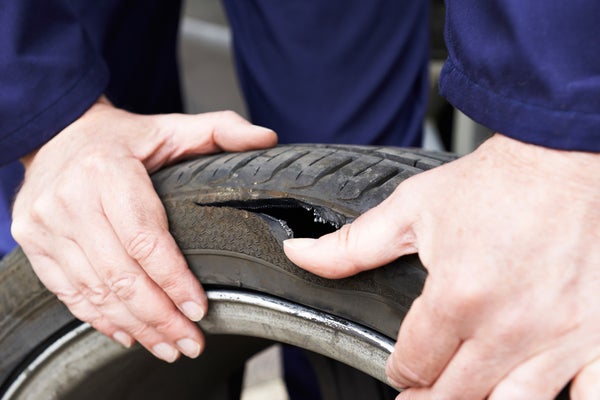
Look closely for cracks, cuts, or bulges on the tire surface. Damage can cause tire failure.
| Type of Damage | What to Check |
|---|---|
| Cracks | Small or large cracks on sidewalls or tread |
| Cuts | Deep cuts exposing inner layers |
| Bulges | Swelling spots indicating internal damage |
Uneven Wear Patterns
Uneven wear shows problems with alignment or tire pressure. It reduces tire life and safety.
- Check if one side wears faster than the other.
- Look for bald spots or feathered edges.
- Fix alignment or balance issues to prevent quick wear.
Age Of Tires
Tires get old even if they look fine. Rubber hardens and cracks over years.
Most tire makers suggest replacing tires after six years, no matter the tread.
Recommended Tire Lifespan
Car tires wear out over time and need to be replaced. Changing tires at the right time keeps you safe on the road.
Knowing how often to change your tires depends on several factors. These include guidelines from the maker, how you drive, and the environment.
Manufacturer Guidelines
Tire makers suggest a lifespan for their tires, usually measured in years or miles. Most tires last about 6 years or 50,000 miles.
Check the tire label or manual for the exact recommendation. Old tires can become unsafe even if they look fine.
- Check the tire’s manufacturing date on the sidewall
- Replace tires after 6 years regardless of use
- Follow mileage limits suggested by the maker
Impact Of Driving Habits
How you drive affects tire wear. Hard braking, fast turns, and speeding can shorten tire life.
Regular, gentle driving helps tires last longer. Also, check tire pressure often to avoid uneven wear.
- Driving smoothly extends tire lifespan
- High speeds and sharp turns cause faster wear
- Keep tires inflated to the right pressure
Climate And Road Conditions
Weather and road types change how tires wear. Hot climates can cause tires to age faster.
Rough roads with potholes or gravel can damage tires quickly. Wet or icy roads need special tires for safety.
- Hot weather speeds up tire aging
- Rough roads cause cuts and wear
- Use winter tires in cold, icy places
Effects Of Worn Tires
Worn tires can cause many problems for your car. They affect safety, fuel use, and how your car drives.
Knowing the effects helps you decide when to change your tires. This keeps your car working well.
Safety Risks
Worn tires reduce grip on the road. This makes it harder to stop quickly and increases crash risk.
They also raise the chance of tire blowouts. This can cause loss of control while driving.
- Longer stopping distances
- Higher risk of skidding on wet roads
- Increased chance of tire failure
Fuel Efficiency Drop
Worn tires increase rolling resistance. This makes your engine work harder and burn more fuel.
Changing tires on time helps keep fuel costs down. It also reduces harmful emissions.
- More fuel needed to move the car
- Less smooth ride increases energy use
- Proper tires improve gas mileage
Handling And Performance Issues
Worn tires affect steering and control. Your car may feel less stable on turns and curves.
They also reduce traction on wet or icy roads. This lowers your car’s overall performance.
- Poor steering response
- Less grip in bad weather
- Increased risk of sliding or spinning out
Credit: www.continental-tires.com
Maintenance Tips To Extend Tire Life
Car tires wear out over time and need regular care. Proper maintenance can help you use tires longer. This saves money and keeps you safe on the road.
Follow simple steps to keep tires in good shape. Check them often and fix issues early. This stops uneven wear and extends tire life.
Regular Tire Rotation
Rotating tires means changing their positions on the car. This helps tires wear evenly. Uneven wear can cause some tires to wear out faster.
Rotate tires every 5,000 to 7,000 miles. Follow your car’s manual for exact advice. Regular rotation improves tire balance and performance.
Proper Inflation
Keep your tires inflated to the right pressure. Too low or too high pressure causes faster wear. Check tire pressure once a month.
- Use a tire gauge to measure pressure
- Check pressure when tires are cold
- Inflate tires to the recommended PSI
Wheel Alignment
Wheel alignment means adjusting the angles of the tires. Proper alignment keeps tires straight and prevents uneven wear. Misalignment can cause steering problems.
Have your alignment checked yearly or if the car pulls to one side. Fixing alignment helps tires last longer and drives smoother.
Balancing Tires
Balancing tires means making sure the weight is even around the tire and wheel. Unbalanced tires cause shaking and uneven wear. It can damage suspension parts.
Get tires balanced when you install new ones. Also balance tires if you feel vibrations while driving. Balanced tires give a smooth ride and last longer.
When To Consult A Professional
Changing car tires is important for safety and car performance. Knowing when to see a professional helps you avoid problems.
A professional can check your tires carefully and suggest if you need new ones or repairs.
Routine Inspections
Regular tire checks keep your car safe. A professional can spot wear and damage that you might miss.
Experts look for tread depth, cracks, and uneven wear. They also check tire pressure and alignment.
- Check tire tread depth with a gauge
- Look for cracks or bulges on the tire sidewalls
- Inspect for uneven wear patterns
- Verify correct tire pressure
- Assess wheel alignment
Post-accident Checks
After a crash or hitting a pothole, see a professional quickly. Tires may have hidden damage.
Experts will check for internal damage, leaks, or weakened sidewalls that can cause tire failure later.
- Inspect for cuts, punctures, or bulges
- Check for loss of air pressure
- Examine the wheel rim for damage
- Test tire balance and alignment
Before Long Trips
Before a long trip, have a professional check your tires. This prevents breakdowns and accidents.
They will ensure your tires are in good shape to handle long distances and different road conditions.
- Check tire tread and pressure
- Look for uneven wear or damage
- Verify tire age and condition
- Ensure spare tire is usable

Credit: www.sussexhonda.com
Frequently Asked Questions
How Often Should Car Tires Be Replaced?
Car tires should generally be replaced every 6 years or after 40,000 to 50,000 miles. Regularly check tire tread depth and wear signs. Replace sooner if tires show cracks, bulges, or uneven wear for safety.
What Signs Indicate It’s Time To Change Tires?
Look for tread wear below 2/32 inch, cracks, bulges, or vibration while driving. Uneven wear and frequent air pressure loss also signal replacement needs. Timely change ensures better grip and driving safety.
Can Worn Tires Affect Fuel Efficiency?
Yes, worn tires reduce fuel efficiency due to poor traction and increased rolling resistance. Proper tire maintenance and timely replacement improve mileage and lower fuel costs.
Is Tire Age More Important Than Mileage?
Both tire age and mileage matter. Tires older than 6 years can degrade regardless of mileage. Regular inspection for age-related cracks and wear is essential to ensure safe driving.
Conclusion
Changing car tires depends on several factors. Regular checks ensure safety. Tread depth matters. Worn-out treads reduce grip. Rotate tires every 5,000 miles. This ensures even wear. Weather affects tires too. Hot climates wear tires faster. Snow tires suit winter conditions.
Listen to your car. It may signal tire issues. Tires play a crucial role in safety. Schedule professional inspections regularly. Stay informed about tire health. This prolongs tire life. Safe driving starts with proper tire care. Keep your vehicle in top condition.
Prioritize routine maintenance. Your tires will thank you. Safe travels ahead!