Is your heating system making strange noises or not warming your home properly? You might have air trapped inside the pipes.
Getting the air out of your heating system is easier than you think, and doing it right can save you money and keep your home cozy. You’ll learn simple steps to quickly fix this common problem. Keep reading to find out how to make your heating system work smoothly again.
Signs Of Air In Heating System
Air trapped in a heating system can cause problems. It reduces heat and makes the system noisy.
Knowing the signs helps you fix the issue quickly. Check for unusual sounds or cold areas.
Noisy Radiators
Air in the pipes causes banging, gurgling, or hissing noises. These sounds come from trapped air bubbles.
Noise often happens when the heating system starts or stops. It shows air is blocking water flow.
Uneven Heating
Air stops hot water from reaching parts of the system. Some radiators get hot, others stay cool.
You may feel the heat is weaker in some rooms. The system works less efficiently with air inside.
Cold Spots
Radiators may have cold patches where air is trapped. These spots do not warm up properly.
Cold spots show that air stops heat from spreading evenly. This lowers comfort in your home.
Tools Needed For Bleeding Radiators
Bleeding radiators removes trapped air that blocks heat. Using the right tools makes the job easier and safer. Here are the main tools you need.
Make sure you have these items before starting to bleed your radiators.
Bleed Key
A bleed key is a small tool used to open the valve on the radiator. It fits into the valve square or slot and lets the trapped air escape. Without this tool, you cannot release the air properly.
Cloth Or Towel
A cloth or towel helps catch water that might leak when you open the valve. It protects your floor and keeps the area clean. It also allows you to hold the valve without burning your hands.
Container
You need a container to collect any water that comes out with the air. This prevents spills and helps you control the water flow. A small bowl or cup works well for this purpose.
- Use a container that is easy to hold under the valve.
- Choose one large enough to catch all water released.
- Empty the container as needed during bleeding.
Preparing Your Heating System
Getting air out of your heating system helps it work better. You need to prepare the system before removing the air.
This guide shows how to get ready safely. Follow these steps to avoid problems.
Turn Off The Boiler
First, switch off your boiler. This stops hot water from flowing.
Turning off the boiler keeps you safe while working on the system.
Allow System To Cool
Wait for the heating system to cool down. Hot pipes can burn your skin.
Cooling usually takes about 30 minutes but can vary by system.
- Check radiator surface before touching
- Use gloves if pipes feel warm
- Do not rush the cooling process
Locate Radiators
Find all radiators in your home. You will need to bleed each one.
Look for valves on the side or top of radiators. These valves release trapped air.
- Check each room for radiators
- Note the valve position on each radiator
- Have a cloth ready to catch water when bleeding

Credit: www.reddit.com
Step-by-step Bleeding Process
Air trapped in a heating system can cause cold spots and reduce efficiency. Bleeding your system removes this air and restores proper heat flow.
This guide explains the simple steps to get air out of your heating system safely and effectively.
Insert Bleed Key
First, locate the bleed valve on your radiator. It is usually found at the top edge. Use a bleed key or a flat screwdriver to fit into the valve.
- Turn off your heating system before starting.
- Hold a cloth or small container under the valve to catch water.
- Insert the bleed key firmly into the valve slot.
Release Air Slowly
Turn the bleed key slowly counterclockwise. This opens the valve and lets air escape. You will hear a hissing sound as the air leaves.
| What to Do | What to Expect |
| Open valve slowly | Hissing sound of escaping air |
| Wait until water appears | Air fully released, water starts to drip |
| Close valve after water flows | Valve sealed, no air remains |
Close Valve Properly
Once water starts to flow steadily, turn the bleed key clockwise to close the valve. Do not overtighten to avoid damage.
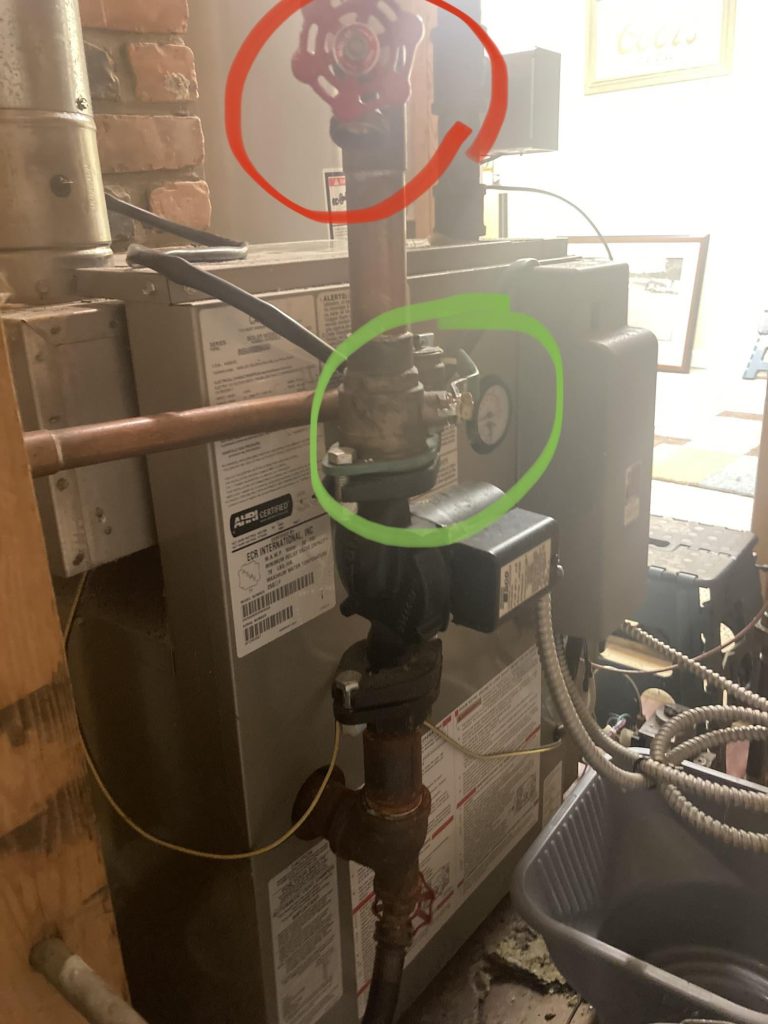
Check the pressure gauge on your boiler after bleeding. Adjust the pressure if needed to keep your system working well.
Checking System Pressure
Getting air out of your heating system helps it work better. Checking the system pressure is important to do this safely.
Proper pressure helps the water flow and removes trapped air. Too low or too high pressure can cause problems.
Locate Pressure Gauge
Find the pressure gauge on your heating system. It is usually near the boiler or the pipes.
The gauge shows the pressure level in bars or PSI. Knowing this helps you see if the pressure is correct.
Adjust Pressure If Needed
Check the gauge reading and compare it to the recommended pressure. This is often between 1 and 2 bars.
If the pressure is too low, add water using the filling loop. If it is too high, release some water from the system.
- Turn off the boiler before adjusting pressure
- Use the filling loop valve to add water slowly
- Release water via the drain valve to reduce pressure
- Check the gauge while adjusting to reach the right pressure
Preventing Air Build-up
Air in your heating system can cause it to work less efficiently. It may create noise and cold spots in your home. Preventing air build-up helps your system stay warm and quiet.
There are simple ways to keep air out of your heating pipes. Regular checks and using the right tools can make a big difference.
Regular Maintenance
Check your heating system often to avoid air problems. Clean and service it to keep it running well. This stops air from getting trapped inside.
Regular maintenance includes bleeding radiators and checking pressure levels. These steps remove air and keep heat flowing smoothly.
- Bleed radiators at least once a year
- Check system pressure monthly
- Clean filters and pipes regularly
- Schedule professional check-ups
Inspect For Leaks
Leaks let air enter the heating system. Look for water spots or damp areas near pipes and radiators. Fix leaks quickly to stop air build-up.
Small leaks can cause big problems over time. Check valves and joints where pipes connect. Tighten or replace parts if needed.
- Look for dripping water or rust
- Check seals on valves and joints
- Listen for hissing sounds from pipes
- Repair leaks promptly
Use Automatic Air Vents
Automatic air vents remove trapped air without manual work. They release air from the system as it builds up. This keeps your heating running smoothly.
Install these vents in high points of the system. They work quietly and help prevent cold spots caused by air pockets.
- Place vents on pipes near radiators
- Choose vents that match your system size
- Regularly check vents for blockages
- Replace faulty vents quickly
When To Call A Professional
Air trapped in a heating system can cause issues. Sometimes, you can fix it yourself. Other times, a professional is needed.
Knowing when to call an expert helps avoid damage. It also ensures your system works safely and well.
Persistent Noises
If your heating system makes banging or gurgling sounds that don’t stop, it may have trapped air. These noises often mean air is stuck where it should not be.
Try bleeding the radiators first. If noises continue after several attempts, a professional should check the system. They can find hidden problems.
Pressure Drops
Air in the heating system can cause the pressure to fall. Low pressure reduces heat and can stop the system from working.
- Check the pressure gauge regularly.
- If pressure falls often, bleeding might not solve it.
- Call a professional if you see repeated pressure drops.
- They will test for leaks or faulty valves.
Complex Systems
Modern heating systems can be complex. They may have many zones, pumps, and controls. Air problems in these systems are harder to fix.
| Issue | Why Call a Professional |
|---|---|
| Multiple Zones | Air may be trapped in difficult places. Professionals have tools to reach all areas. |
| Advanced Controls | Incorrect bleeding can affect control settings. Experts know how to handle these systems safely. |
| Special Pumps | Some pumps need careful handling to remove air. Professionals prevent damage during service. |

Credit: www.reddit.com

Credit: www.reddit.com
Frequently Asked Questions
How Do I Know If My Heating System Has Air?
You may hear gurgling or banging noises in your radiators. Heat may be uneven or radiators feel cold at the top. These signs indicate trapped air in your heating system.
What Tools Are Needed To Bleed A Radiator?
You need a radiator key, a cloth, and a container. The key opens the bleed valve to release trapped air safely.
How Often Should I Bleed My Heating System?
Bleed your heating system once or twice a year. Do it before the heating season or if you notice noise or cold spots.
Can I Bleed My Heating System Myself?
Yes, bleeding is a simple DIY task. Always turn off the heating first. Follow safety precautions and use the correct tools.
Conclusion
Clearing air from your heating system boosts efficiency. It saves energy too. Follow the steps regularly for best results. Check for air pockets often. Use the right tools for the job. A well-maintained system ensures warmth and comfort. Also, it lowers heating bills.
Listen for unusual noises. This can signal trapped air. Regular maintenance prevents bigger problems later. So, take the time. Keep your heating system running smoothly. Enjoy a cozy home without hassle. Stay warm and save money. Remember, a little effort goes a long way.