
When a storm hits, you might wonder if turning off your air conditioner is the safe choice. Should you keep it running or switch it off to protect your home and your wallet?
Making the wrong decision could cost you more than just a little discomfort—it might lead to damage or higher energy bills. You’ll discover the real reasons why turning off your AC during a storm might be the smartest move. Keep reading to learn how to protect your system, save money, and stay comfortable no matter what the weather throws at you.
Risks Of Running Ac During Storm
Running your air conditioner during a storm can be risky. Storms bring strong winds, rain, and lightning that may affect your AC unit.
It is important to understand the dangers before deciding to keep your AC on during bad weather.
Electrical Hazards
Storms can cause electrical problems like short circuits. Lightning strikes may damage your AC’s electrical parts.
Wet conditions increase the risk of electric shock if your AC unit is exposed to water.
Damage To Ac Unit
Strong winds can blow debris into the AC unit. This can break the fan blades or damage the compressor.
Water from heavy rain can enter the unit and cause rust or other mechanical problems.
Power Surges And Outages
Storms often cause power surges that can fry your AC’s electrical system. Sudden power loss can also harm the unit.
- Power surges may burn out circuit boards
- Frequent outages can cause system errors
- Restarting the AC after an outage may cause damage
When To Turn Off Your Ac
Turning off your air conditioner during a storm can protect your unit. Knowing the right time helps avoid damage and saves energy.
Some signs and warnings tell you when to switch off your AC. Pay attention to weather alerts and power issues.
Signs Of Severe Weather
Severe weather can harm your air conditioner. Watch for these signs to decide if you should turn it off.
- Strong winds or heavy rain
- Lightning strikes nearby
- Hail or falling debris
- Sudden drop in temperature
Local Weather Warnings
Check local weather warnings regularly. These alerts can advise you to power down your AC for safety.
| Warning Type | Action to Take |
| Severe Thunderstorm | Turn off AC to avoid damage |
| Tornado Watch | Keep AC off until all clear |
| Flood Warning | Turn off AC to prevent electrical hazards |
| High Wind Advisory | Consider turning off AC |
Before Power Fluctuations
Power outages or fluctuations can harm your AC’s compressor. Turn off your unit to protect it before these events.
- Notice flickering lights or sudden power drops
- Unplug the AC if possible
- Wait until power is stable before turning AC back on
How To Safely Turn Off Ac
Turning off your air conditioner during a storm can protect it from damage. It is important to do this safely to avoid any risks.
Follow simple steps to ensure your AC unit is off without causing electrical problems or hazards.
Using The Thermostat
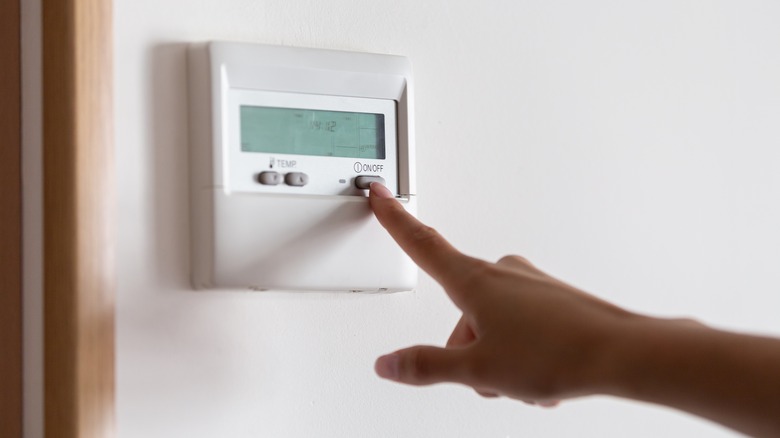
One way to turn off the AC is through the thermostat inside your home. This stops the system from running but does not cut power completely.
Set the thermostat to the “Off” position or switch it to “Fan Only” to keep air moving without cooling.
- Locate the thermostat on your wall.
- Press the power or mode button to turn the AC off.
- Make sure the display shows the AC is off.
Disconnecting Power Supply
For full protection, turn off the AC power at the breaker box or disconnect switch outside. This prevents electrical surges during storms.
Locate the breaker or switch linked to your AC unit and switch it off safely before the storm arrives.
- Find the breaker box in your home.
- Identify the breaker for the AC unit.
- Flip the breaker switch to the “Off” position.
- Or turn off the disconnect switch near the outdoor unit.
Precautions During Storm
Do not touch the AC unit or electrical panels during the storm. Lightning and wet conditions increase danger.
Wait until the storm passes before turning the AC back on. Check for any damage or water near the unit.
- Stay indoors during lightning or heavy rain.
- Avoid touching electrical equipment when wet.
- Inspect the AC unit for damage after the storm.
- Turn the power back on only if the area is dry and safe.

Credit: thechillbrothers.com
After The Storm: Restarting Ac
Storms can affect your air conditioner in many ways. It is important to check your AC before turning it back on. This helps avoid damage and keeps your home safe.
Follow simple steps to make sure your air conditioner works well after a storm. Safety is the top priority during this process.
Checking For Damage
Look at the outdoor unit for visible problems. Check if the fan, fins, or wiring show signs of harm. Fallen branches or debris can cause damage too.
- Remove any debris around the unit
- Look for bent or broken fins
- Check if the fan blades spin freely
- Inspect electrical wires for cuts or frays
- Notice any unusual smells or sounds
Resetting Circuit Breakers
Storms can cause power surges that trip circuit breakers. Find your home’s electrical panel and check the breakers linked to the AC. Reset them if needed.
- Turn off the AC thermostat
- Open the electrical panel
- Locate the tripped breaker (it may be in the middle position)
- Switch the breaker fully off and then back on
- Close the panel and turn on the thermostat
Professional Inspection
If you see damage or if the AC does not work after resetting breakers, call a professional. A trained technician can safely inspect and fix your system.
| Inspection Item | What the Technician Checks |
|---|---|
| Electrical Components | Wiring, connections, and breakers for safety |
| Refrigerant Levels | Ensure no leaks and proper cooling power |
| Mechanical Parts | Fan motors, belts, and compressors for damage |
| System Performance | Overall function and efficiency of the AC |
Additional Storm Safety Tips
Storms can cause damage to your air conditioner and home. Taking extra safety steps helps protect your equipment and family.
Below are important tips about outdoor units, power protection, and emergency readiness during storms.
Protecting Outdoor Units
Outdoor air conditioner units are exposed to wind, rain, and debris during storms. Protecting them reduces damage risk.
- Clear leaves and branches near the unit before a storm.
- Cover the unit with a sturdy, breathable cover to block debris.
- Avoid placing heavy objects on the unit’s cover.
- Check for loose parts and secure them before bad weather.
- Turn off the unit’s power at the breaker to prevent electrical issues.
Surge Protectors And Backup Power
Power surges can damage your air conditioner during storms. Backup power helps keep essential devices running safely.
| Protection Option | Description |
| Surge Protector | Shields your AC and electronics from voltage spikes. |
| Uninterruptible Power Supply (UPS) | Provides short-term power during outages for safe shutdown. |
| Generator | Supplies longer backup power to keep your home comfortable. |
Emergency Preparedness
Being ready for a storm helps you stay safe and reduce damage to your home and appliances.
- Create an emergency kit with water, food, and first aid supplies.
- Keep important phone numbers and documents in a safe place.
- Have a plan for turning off utilities if needed, including your air conditioner.
- Stay informed about weather updates and evacuation orders.
- Charge your devices and keep flashlights handy.

Credit: genzryan.com
Credit: www.housedigest.com
Frequently Asked Questions
Is It Safe To Use Ac During A Storm?
Using an air conditioner during a storm can be risky. Power surges and lightning strikes may damage your unit. It’s advisable to turn off your AC to protect it from potential electrical issues and ensure safety. Consider using fans or other cooling methods temporarily.
Why Turn Off Ac When It Storms?
Turning off your AC during a storm prevents potential damage from power surges. Lightning strikes can lead to electrical faults. Protecting your unit helps avoid costly repairs. By shutting it down, you ensure the longevity and efficiency of your air conditioning system.
Can Storms Affect Air Conditioner Performance?
Yes, storms can affect air conditioner performance. Power outages or surges may cause malfunctions. Moisture from rain can also impact efficiency. Regular maintenance and prompt shutdowns during storms can help prevent performance issues and extend the lifespan of your AC unit.
How Can I Protect My Ac During Storms?
To protect your AC during storms, unplug it to prevent electrical damage. Use surge protectors and cover your unit to shield it from debris and water. Regular maintenance checks can also help ensure your AC remains in optimal condition throughout stormy weather.
Conclusion
Turning off your air conditioner during a storm can protect it from damage. Storms often cause power surges that harm electrical devices. Keeping the unit off reduces the risk of short circuits. It also helps save energy when the weather is cooler.
You can turn the air conditioner back on once the storm ends. Staying safe and protecting your appliances is important. Simple actions like this can save money and hassle. Always follow safety advice during storms to keep your home secure.