Have you ever looked at your car tire and wondered what all those numbers and letters mean? Knowing how to read a car tire can save you money, keep you safe, and help you make smarter decisions about your vehicle.
Whether you’re checking tire pressure, buying new tires, or just curious, understanding these details is easier than you think. Keep reading, and you’ll quickly learn how to decode your tire’s information like a pro—no confusing jargon, just simple facts that matter to you.

Credit: www.counterman.com
Tire Sidewall Symbols
Tire sidewalls hold important symbols and codes. They tell you the size, type, and age of the tire.
Knowing these symbols helps you pick the right tire and keep your car safe on the road.
Decoding Tire Size
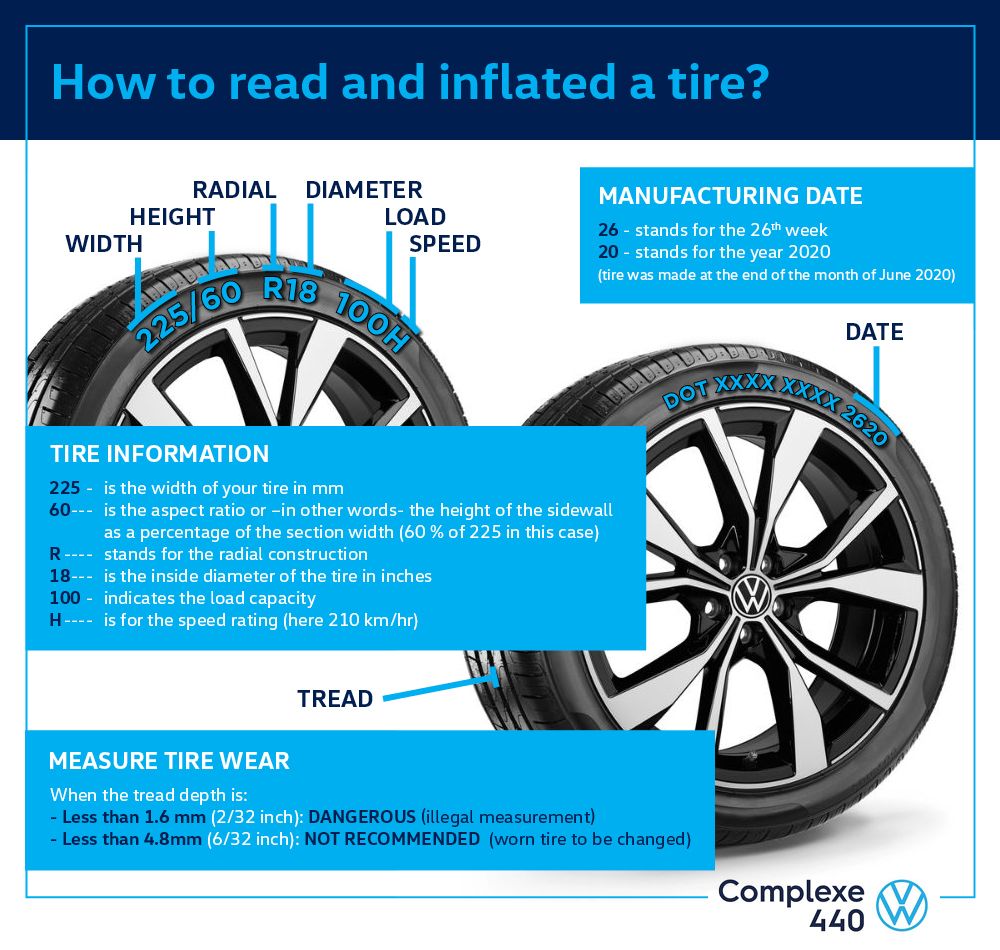
Tire size shows the width, height, and rim diameter. It looks like this: P215/65R15.
- Pmeans the tire is for passenger vehicles.
- 215is the width in millimeters.
- 65is the height as a percent of the width.
- Rstands for radial construction.
- 15is the rim diameter in inches.
Understanding Load Index And Speed Rating
The load index shows how much weight the tire can hold. The speed rating tells the highest speed the tire can safely handle.
| Symbol | Meaning | Example |
|---|---|---|
| Load Index | Maximum load capacity | 95 (690 kg) |
| Speed Rating | Maximum speed allowed | H (130 mph or 210 km/h) |
Manufacture Date And Dot Code
The DOT code shows the tire meets safety standards. The last four digits tell the week and year it was made.
- Example: 2319 means the tire was made in the 23rd week of 2019.
- Older tires may not be safe, even if they look good.
Tread Patterns And Their Meaning
Car tires have different tread patterns that affect how they perform on the road. Understanding these patterns helps you choose the right tire for your driving needs.
Tread patterns also show signs of wear and impact your vehicle’s safety and handling. Let’s look at what these patterns mean and how to read them.
Types Of Tread Designs
Tread designs vary to suit different road conditions and weather. Each type has special features for grip, water drainage, and noise reduction.
- Symmetrical Tread:Same pattern on both sides, good for smooth rides and long wear.
- Asymmetrical Tread:Different patterns on the inner and outer parts for better cornering and wet traction.
- Directional Tread:V-shaped patterns that push water away to reduce hydroplaning.
- All-Terrain Tread:Large blocks and deep grooves for off-road and on-road use.
Tread Wear Indicators
Tread wear indicators are small bars inside the grooves of your tire. They show when the tread is too low and needs replacement.
| Indicator Location | Meaning |
| Inside tire grooves | Tread is worn to 2/32 inch depth |
| Visible raised bars | Time to replace the tire for safety |
| Not visible | Tread depth is still safe for driving |
Impact On Driving Performance
Tread patterns affect traction, braking, and noise. Choosing the right pattern improves your car’s handling and safety.
- Symmetrical treads offer quiet rides but less grip on wet roads.
- Asymmetrical treads enhance cornering and wet traction.
- Directional treads reduce hydroplaning by moving water away.
- All-terrain treads handle rough surfaces but may be noisier on highways.
Reading Tire Pressure Information
Knowing how to read tire pressure is important for safe driving. Proper tire pressure helps your car run smoothly and saves fuel.
Each tire has pressure information that tells you the best and maximum air pressure. Learning these numbers keeps your tires in good shape.
Recommended Psi Vs. Maximum Psi
The recommended PSI is the pressure your tire should have for normal driving. It is usually lower than the maximum PSI, which is the highest pressure the tire can safely hold.
| Pressure Type | Meaning | Where to Find |
| Recommended PSI | Safe pressure for daily use | Car door sticker or owner’s manual |
| Maximum PSI | Highest safe pressure limit | Sidewall of the tire |
Checking Pressure Safely
Check tire pressure when the tires are cold. This means before you drive or after the car has been parked for a few hours.
- Use a reliable tire pressure gauge.
- Remove the valve cap and press the gauge on the valve stem.
- Read the pressure and compare it to the recommended PSI.
- Add air if the pressure is too low.
- Release air if the pressure is too high.
- Put the valve cap back on after checking.
Effects Of Incorrect Pressure
Incorrect tire pressure affects safety and tire life. Low pressure makes tires wear out fast and lowers fuel efficiency. High pressure can cause a harsh ride and uneven tire wear.
- Reduced traction and control
- Increased risk of tire blowouts
- Poor fuel economy
- Uneven tire wear
- Damage to suspension parts

Credit: www.tomorrowstechnician.com
Tire Type And Usage
Car tires come in different types for various uses. Knowing the right tire helps you drive safely.
Each tire type fits different weather and road conditions. Choose the right tire for your needs.
All-season Vs. Performance Tires
All-season tires work well in many weather conditions. They balance traction, comfort, and tread life.
Performance tires focus on better grip and handling. They suit sporty driving but wear out faster.
- All-Season Tires:Good for dry, wet, and light snow roads
- Performance Tires:Best for dry roads and sharp turns
- All-season tires last longer than performance tires
- Performance tires improve speed and cornering
Winter And Summer Tires
Winter tires have deeper treads and softer rubber. They grip ice and snow better than other tires.
Summer tires use harder rubber and less tread. They provide better control on hot and dry roads.
- Winter Tires:Designed for cold, icy, and snowy conditions
- Summer Tires:Best on warm, dry, and wet roads
- Winter tires become less effective in warm weather
- Summer tires do not perform well in snow or ice
Specialty Tires For Different Vehicles
Different vehicles need tires made for their purpose. This keeps the ride safe and smooth.
Trucks, SUVs, and sports cars use specialty tires. These tires handle weight, speed, and road types differently.
- Truck Tires:Stronger and made for heavy loads
- SUV Tires:Balanced for off-road and city driving
- Sports Car Tires:Designed for speed and sharp turns
- Run-Flat Tires:Can drive short distances after a puncture
Tire Maintenance Tips
Proper tire care helps keep your car safe and running smoothly. Checking your tires regularly can prevent accidents and extend tire life.
Learning how to read your car tires and maintain them is important. Follow simple routines to stay on top of tire health.
Regular Inspection Routines
Look over your tires at least once a month. Check for cuts, cracks, or objects stuck in the tread. Also, watch for uneven wear.
- Check tire pressure using a reliable gauge.
- Inspect tread depth with a penny or tread tool.
- Look for bulges or blisters on the sidewalls.
- Remove stones or debris caught in the tread.
- Ensure valve caps are tight and not damaged.
Rotating And Balancing Tires
Rotate your tires every 5,000 to 7,000 miles. This helps them wear evenly and last longer. Balancing tires reduces vibration and improves ride comfort.
| Task | Why It Matters | Recommended Frequency |
| Rotate Tires | Even wear on all tires | Every 5,000 to 7,000 miles |
| Balance Tires | Reduce vibration and uneven wear | When new tires are installed or vibration occurs |
| Check Alignment | Prevent uneven tire wear | Once a year or if pulling occurs |
When To Replace Tires
Replace tires if tread is too shallow or damage is visible. Old tires lose grip and can cause accidents. Use the tread wear indicator bars inside the grooves to check depth.
- Replace tires if tread depth is less than 2/32 of an inch.
- Change tires with sidewall cuts, bubbles, or bulges.
- Replace tires older than six years, even if they look fine.

Credit: www.cjponyparts.com
Frequently Asked Questions
What Do The Numbers On A Car Tire Mean?
The numbers indicate tire size, width, aspect ratio, and diameter. They help match tires to your vehicle’s specifications for safe driving.
How To Find The Tire’s Manufacturing Date?
Look for the DOT code on the tire sidewall. The last four digits show the week and year the tire was made.
What Is The Tire’s Load Index And Speed Rating?
The load index shows maximum weight the tire supports. The speed rating indicates the highest safe driving speed for the tire.
How To Check Tire Tread Depth Correctly?
Use a tread depth gauge or a penny test. Proper tread depth ensures better grip and safer driving in wet conditions.
Conclusion
Reading a car tire is now easier for you. Check the tire sidewall. Find the codes and numbers. They tell you important details. Tire size, type, and speed rating. All there. Understand what they mean. Keep your car safe and efficient.
Regular checks help. Know when to replace or rotate tires. It saves money and trouble. With this knowledge, feel confident. Enjoy smoother, safer drives. Stay informed and make smart decisions. Your car tires thank you for it. Happy driving!