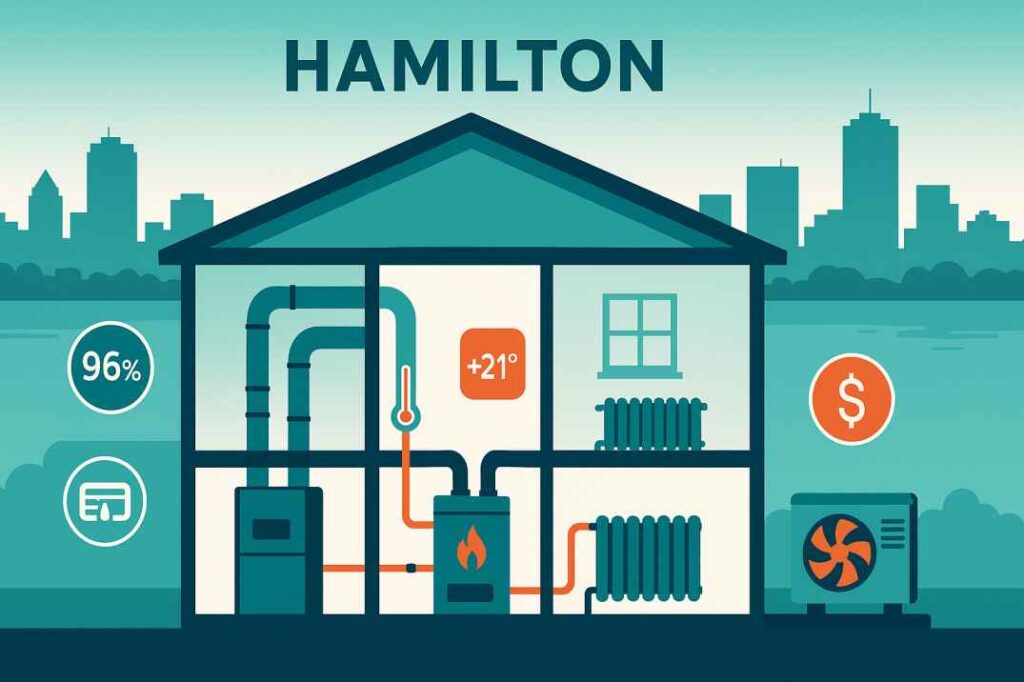
Are you tired of high energy bills and uneven warmth in your home? Choosing the right heating system can make a huge difference in comfort and cost.
But with so many options out there, how do you know which one is truly the most efficient? This article will help you discover the heating system that saves you money, uses less energy, and keeps your space cozy all winter long.
Keep reading to find out which heating solution suits your needs best and transforms your home into a warm, energy-smart haven.

Credit: coloradosun.com
Types Of Heating Systems
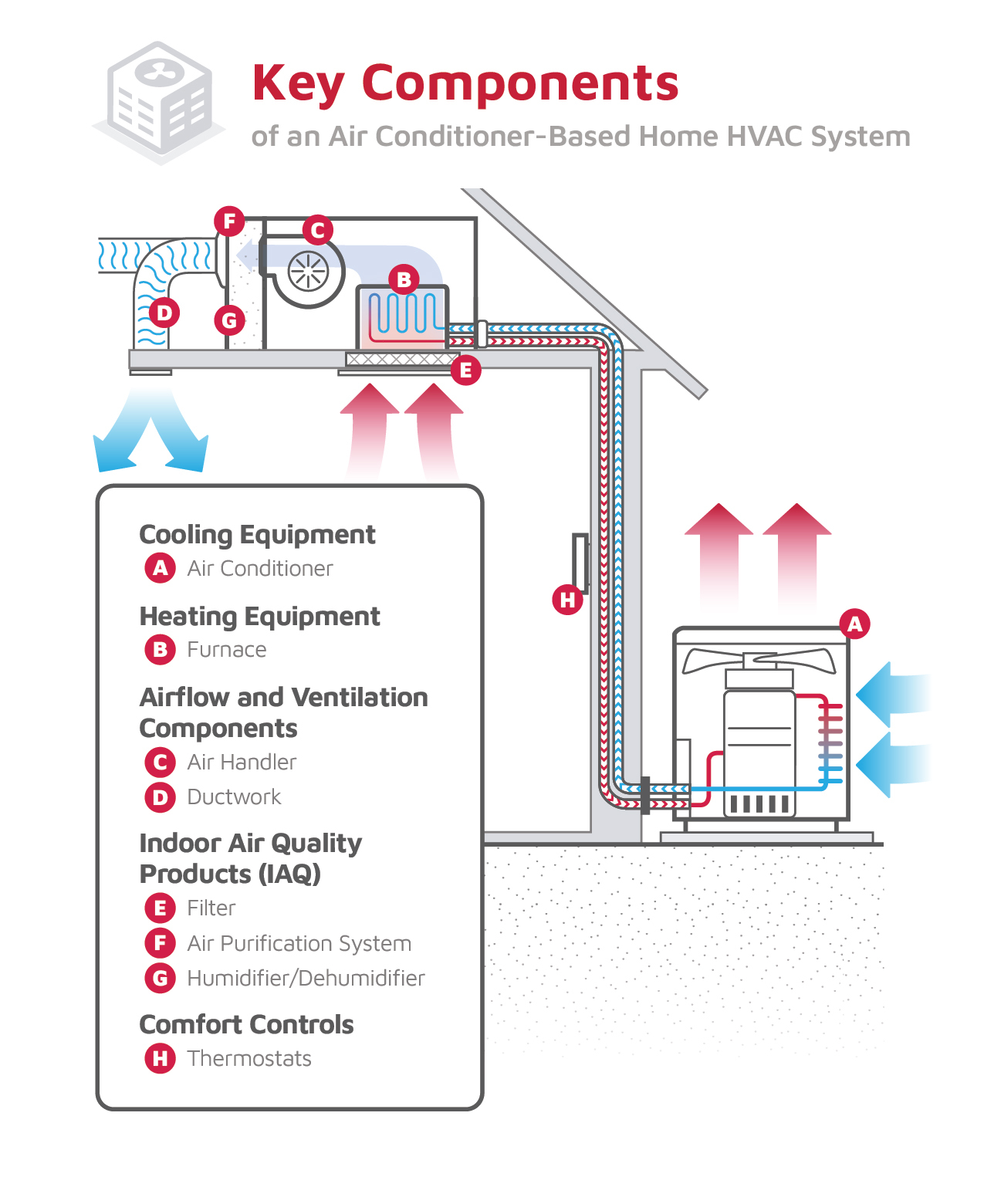
Heating systems keep homes warm during cold months. Different types work in unique ways.
Choosing the right heating system depends on your needs and energy sources.
Furnaces
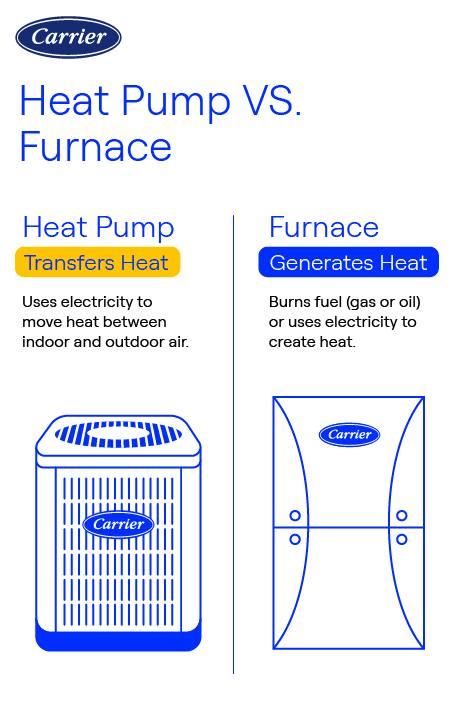
Furnaces heat air and blow it through ducts. They use gas, oil, or electricity as fuel.
They warm rooms quickly and are common in many homes. Regular maintenance keeps them efficient.
Heat Pumps
Heat pumps move heat from outside to inside your home. They also work in reverse to cool.
They use electricity and are very energy efficient, especially in mild climates.
Boilers
Boilers heat water to provide steam or hot water for heating. Pipes carry heat to rooms.
They use gas, oil, or electricity and create steady, even heat without blowing air.
Radiant Heating
Radiant heating warms floors or walls using hot water or electric wires. Heat rises evenly.
This system feels comfortable and uses less energy than some other heating types.
Electric Heaters
Electric heaters convert electricity directly into heat. They are easy to install and use.
They work well for small spaces but can be costly for whole-house heating.
Credit: www.lennox.com
Energy Efficiency Ratings
Heating systems use different ways to measure how well they save energy. These ratings help people choose the best system for their home. Efficient systems lower energy bills and reduce waste.
Knowing these ratings helps you understand which heating system works best. It also shows how much energy the system uses to heat your space.
Afue And Seer Explained
AFUE stands for Annual Fuel Utilization Efficiency. It shows how well a furnace converts fuel into heat over a year. A higher AFUE means more heat and less fuel waste.
SEER means Seasonal Energy Efficiency Ratio. It measures air conditioner and heat pump cooling efficiency. Higher SEER numbers mean better energy use and lower electric bills.
- AFUE measures heating efficiency for gas and oil furnaces
- SEER measures cooling efficiency for air conditioners and heat pumps
- Both ratings help compare different heating and cooling systems
Energy Star Certifications
Energy Star is a government label for energy-efficient products. Heating systems with this label meet strict energy-saving rules. They use less fuel or electricity than standard models.
Choosing Energy Star certified systems helps save money and protects the environment. These products often have better technology to reduce energy waste.
- Energy Star systems meet or exceed high efficiency standards
- They reduce energy use and lower utility bills
- Certification means the system is tested and approved by experts
Comparing Efficiency Metrics
Efficiency ratings differ by heating system type and fuel source. AFUE is for furnaces using gas or oil. SEER applies to electric cooling systems. Heat pumps have both ratings.
| Rating | Applies To | Measures | Higher Number Means |
|---|---|---|---|
| AFUE | Gas and oil furnaces | Fuel to heat conversion | More efficient fuel use |
| SEER | Air conditioners, heat pumps | Cooling energy efficiency | Lower electricity use |
| Energy Star | Various heating and cooling | Meets energy-saving standards | Certified energy efficiency |
Fuel Sources And Their Impact
Choosing the right heating system depends a lot on the fuel source used. Different fuels affect efficiency and the environment in different ways.
This guide explains common fuel sources and how they impact heating system performance and costs.
Natural Gas
Natural gas is a popular fuel for heating because it burns cleanly and efficiently. It produces less pollution than oil or coal.
It is often cheaper than electricity and easy to use with modern furnaces. Availability depends on local pipelines.
Electricity
Electric heating systems use electric resistance or heat pumps. Heat pumps are very efficient and save energy in mild climates.
Electricity can come from many sources, so its environmental impact varies. It is clean at the point of use.
Oil
Oil heating burns fuel oil to create heat. It is powerful but less efficient and dirtier than natural gas or electricity.
Oil prices can be high and fluctuate a lot. It also needs a storage tank at your home.
Renewable Options
Renewable heating uses sources like solar, geothermal, or biomass. These fuels reduce carbon emissions and often lower costs.
They may have higher upfront costs but save money over time. Renewables depend on local resources and weather.
- Solar heating uses sunlight to warm air or water
- Geothermal heating uses heat from under the earth
- Biomass heating burns organic materials like wood pellets
Credit: www.carrier.com
Cost Vs. Efficiency
Choosing the most efficient heating system means thinking about cost and energy use. A system that saves energy can lower bills over time.
It is important to compare the upfront cost with how much it costs to run and maintain the system.
Initial Installation Costs
Some heating systems cost more to install than others. For example, electric heaters are usually cheaper to install than gas or heat pump systems.
High installation costs may pay off later with better efficiency. It depends on your budget and long-term plans.
- Electric heaters: low installation cost
- Gas furnaces: moderate installation cost
- Heat pumps: higher installation cost
Operating Expenses
Operating expenses include the cost of energy used to run the heating system. Some systems use less energy and cost less to operate.
Heat pumps often have lower operating costs because they move heat instead of creating it. Electric heaters can be expensive if used often.
- Heat pumps: low energy use, lower bills
- Gas furnaces: moderate energy use and cost
- Electric heaters: high energy use, higher bills
Maintenance Requirements
Maintenance keeps heating systems working well and efficient. Some systems need more care and check-ups than others.
Gas furnaces require regular inspections and cleaning. Heat pumps need less maintenance but should be checked yearly. Electric heaters need the least upkeep.
- Gas furnaces: regular professional maintenance needed
- Heat pumps: yearly check-ups recommended
- Electric heaters: minimal maintenance required
Climate Considerations
Choosing the most efficient heating system depends on the climate where you live. Different weather conditions affect how well heating systems work.
Understanding climate factors helps pick a system that saves energy and keeps your home comfortable.
Cold Vs. Mild Climates
Cold climates need heating systems that can run for long periods and keep homes very warm. Systems like heat pumps may struggle in very low temperatures.
Mild climates use heating less often. Systems that work quickly and efficiently for short times, like gas furnaces or electric heaters, fit better here.
- Cold climates: focus on strong, steady heat output
- Mild climates: efficient quick heating is best
- Heat pumps work well in mild, less cold areas
Humidity Effects
Humidity changes how warm the air feels. Dry air feels colder, so you may need more heating in dry climates.
Some heating systems add moisture to the air. This can make rooms feel warmer without raising the temperature much.
- Dry air requires higher heat for comfort
- Humid air feels warmer at lower temperatures
- Systems with humidifiers improve comfort in dry areas
Seasonal Performance
Heating systems must perform well during the cold season and not waste energy in warmer months. Seasonal efficiency ratings show how well systems do this.
Some systems switch between heating and cooling. These can be more efficient year-round in places with hot summers and cold winters.
- Check seasonal energy efficiency ratings
- Heat pumps offer good year-round performance
- Furnaces are best for long cold seasons
Smart Heating Technologies
Smart heating technologies help save energy and improve comfort. These systems use modern tools to control your home’s temperature.
They adjust heating automatically based on your needs. This makes heating more efficient and reduces costs.
Programmable Thermostats
Programmable thermostats let you set heating schedules. You can plan when the heat turns on or off during the day.
This helps avoid heating an empty house. It also saves energy by lowering heat at night or when you are away.
Zoning Systems
Zoning systems divide your home into areas or zones. Each zone can have its own temperature settings.
This means you only heat rooms you use. It prevents wasting energy on unused spaces.
- Control zones separately
- Save energy by heating less-used rooms less
- Increase comfort in different areas
Remote Controls And Apps
Remote controls and smartphone apps let you change heating from anywhere. You can adjust settings while you are away.
This helps keep your home warm when you arrive. It also lets you turn off heating if you forget.
Tips To Maximize Heating Efficiency
Efficient heating saves energy and lowers bills. Using the right methods keeps your home warm without waste.
This guide gives simple tips to improve heating efficiency in your home. Focus on insulation, maintenance, and upgrades.
Insulation And Sealing
Good insulation keeps heat inside. Sealing gaps stops cold air from entering. Both reduce the work your heater does.
- Install weatherstripping on doors and windows
- Seal cracks around pipes and vents with caulk
- Add insulation to attics and walls
- Use draft stoppers on doors
- Check and replace old window seals
Regular Maintenance
Keep heating systems clean and tuned. This helps them run smoothly and use less energy.
| Maintenance Task | Frequency |
| Clean or replace filters | Every 1-3 months |
| Check thermostat settings | Seasonally |
| Inspect heating vents and ducts | Yearly |
| Schedule professional system check | Annually |
Upgrading Old Systems
Old heaters use more energy and cost more to run. Upgrading can cut energy use and improve comfort.
- Replace outdated furnaces with energy-efficient models
- Install programmable thermostats to control heat
- Consider heat pumps for mild climates
- Use zone heating to warm only used rooms
Environmental Benefits Of Efficient Heating
Efficient heating systems use less energy to warm homes and buildings. This helps reduce pollution and saves natural resources.
Choosing the right heating system can protect the environment and lower greenhouse gas emissions. Let’s explore how efficient heating makes a difference.
Reducing Carbon Footprint
Efficient heating systems produce less carbon dioxide. This helps fight climate change by lowering harmful gases in the air.
- Use renewable energy sources like solar or geothermal heat.
- Upgrade old heating systems to modern, energy-saving models.
- Maintain heating equipment to keep it running cleanly and well.
Energy Conservation
Saving energy means using less fuel to heat a space. Efficient systems reduce waste and lower energy bills.
| Heating System | Energy Use | Efficiency Rating |
| Traditional Furnace | High | 60-70% |
| Condensing Furnace | Medium | 90-98% |
| Heat Pump | Low | 200-300% |
Sustainable Heating Practices
Sustainable heating uses methods that protect the earth for future generations. It focuses on smart energy use and eco-friendly choices.
- Install programmable thermostats to reduce wasted heat.
- Seal windows and doors to keep heat inside.
- Use local materials for heating system installation and repairs.
- Combine heating with renewable energy sources like wind or solar power.
Frequently Asked Questions
What Is The Most Energy-efficient Heating System?
The most energy-efficient heating system is a heat pump. It transfers heat from outside air or ground inside. Heat pumps use less electricity than traditional heaters, reducing energy bills and carbon footprints.
How Do Heat Pumps Compare To Gas Furnaces?
Heat pumps are more efficient because they move heat rather than generate it. Gas furnaces burn fuel to create heat, which wastes energy. Heat pumps also provide cooling, making them versatile year-round.
Are Radiant Floor Heating Systems Energy Efficient?
Yes, radiant floor heating is energy efficient. It warms rooms evenly at lower temperatures. This system reduces heat loss and uses less energy than forced-air heating, providing comfortable warmth with lower operating costs.
Can Solar Heating Systems Replace Traditional Heating?
Solar heating systems can supplement or replace traditional heating in sunny areas. They use solar panels to capture energy, reducing reliance on fossil fuels. However, they often need backup systems during cloudy or cold days.
Conclusion
Choosing the right heating system saves money and energy. Consider your home’s needs and climate. Gas furnaces offer reliable warmth. Electric heat pumps provide efficiency. Solar systems are eco-friendly. Each option has pros and cons. Evaluate installation costs and energy bills.
Consult experts for tailored advice. Stay warm and comfortable with the best choice for your home. Your comfort and savings depend on informed decisions.