Have you ever wondered what happens when you switch on your central air conditioner and cool air starts filling your home? Understanding how central air conditioners work can help you get the most out of your system and even save on energy bills.
You’ll discover the simple steps behind the magic of keeping your home comfortable during hot days. By the end, you’ll know exactly how your air conditioner cools your space and what you can do to keep it running smoothly. Keep reading—you’re about to unlock the secrets of your home’s coolest helper.

Credit: www.evapolar.com
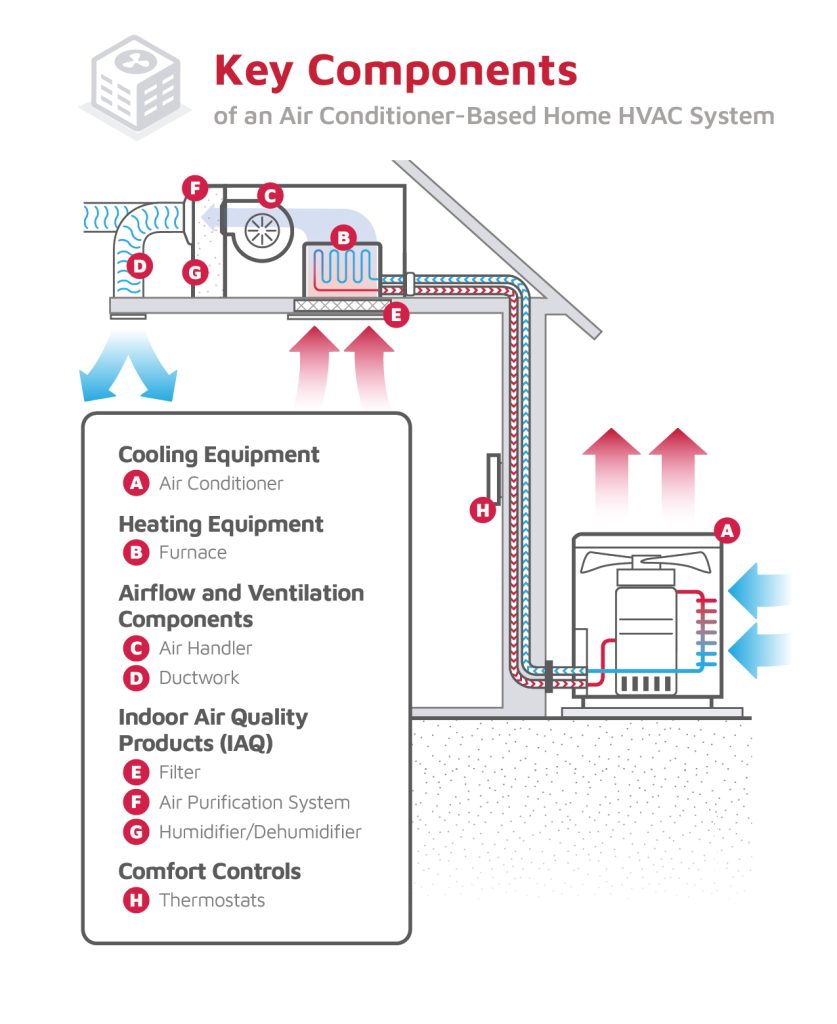
Basic Components
The compressorpumps refrigerant through the system. It raises the pressure and temperature of the refrigerant gas.
The condenser coilcools the hot refrigerant gas. This changes the gas into a liquid by releasing heat outside.
The evaporator coilabsorbs heat from inside the home. This cools the air as the liquid refrigerant evaporates into gas.
The expansion valvecontrols the flow of refrigerant. It lowers the pressure before the refrigerant enters the evaporator coil.
The air handlermoves warm air from the house over the evaporator coil. It then pushes cool air back inside.
Credit: www.ecicomfort.com
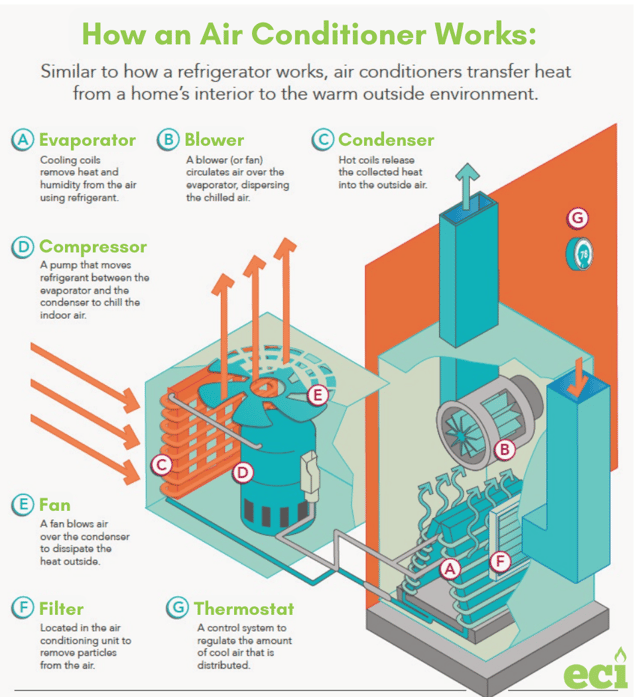
Cooling Cycle Process
The refrigerantmoves through pipes inside the air conditioner. It changes from gas to liquid and back.
In the heat absorptionstage, the refrigerant takes heat from inside the house. This cools the air indoors.
During heat release, the refrigerant releases the heat outside. This happens in the outdoor unit.
Air circulationmoves warm air from rooms to the AC. Then, cool air is sent back inside.
Role Of Refrigerant
Refrigerantis key in central air conditioners. It moves heat from inside to outside. This helps cool your home efficiently.
Phase changeshappen as refrigerant moves. It changes from liquid to gas and back. This switch absorbs and releases heat.
- Liquid refrigerant absorbs heat and turns into gas.
- Gas refrigerant releases heat and turns back to liquid.
This cycle keeps the air cool inside your house. The refrigerant carries heat outside, making rooms comfortable.
Heat transferis the main process. The refrigerant picks up heat from warm air inside. It then dumps the heat outside.
Environmental considerationsmatter too. Modern refrigerants have less harm on the ozone layer. They also reduce greenhouse gas effects.
New systems use safer refrigerants to protect the planet. This helps keep the air clean and fresh.
Thermostat And Controls
The thermostatcontrols the air conditioner’s temperature. It reads the room temperature and compares it to the set temperature. Once the room is warmer or cooler than the set point, it sends a signal to the system to turn on or off.
System activationhappens when the thermostat detects a difference in temperature. The air conditioner starts to cool the air until the desired temperature is reached. Then, the thermostat tells the system to stop running, saving energy.
- Energy efficiencydepends on the thermostat’s accuracy.
- Smart thermostats can learn your schedule and adjust settings automatically.
- Proper use reduces power consumption and lowers electricity bills.
- Regular maintenance ensures the system runs smoothly and efficiently.
Maintenance Tips
Clean the air filterregularly to keep air flowing well. A dirty filter makes the system work harder and use more energy. Replace or wash the filter every 1-3 months depending on use and type.
Check the coilson the evaporator and condenser units for dirt and debris. Dirty coils reduce cooling efficiency and can cause system damage. Clean gently with a brush or coil cleaner.
- Schedule professional servicingonce a year to inspect and tune the system.
- Technicians check refrigerant levels and electrical connections.
- They can spot small problems before they become costly repairs.

Credit: www.aljazeera.com
Common Issues
Refrigerant leakscause the air conditioner to lose cooling power. Low refrigerant means the system cannot absorb heat well. This leads to poor cooling and higher energy bills. Leaks also damage the environment.
Compressor failuresstop the air conditioner from working. The compressor moves refrigerant through the system. If it breaks, the system cannot cool the air. Compressor issues often need professional repair or replacement.
Airflow problemshappen when air cannot move freely through vents or filters. Dirty filters block air and reduce cooling. Blocked vents or fans cause uneven cooling and strain the system. Regular cleaning helps keep airflow steady.
Frequently Asked Questions
How Does A Central Air Conditioner Cool My Home?
A central air conditioner removes heat from indoor air using refrigerant. It circulates cool air through ducts, maintaining a comfortable temperature throughout your home efficiently.
What Are The Main Parts Of A Central Air Conditioner?
The main parts include the compressor, condenser coil, evaporator coil, and refrigerant. These components work together to absorb heat indoors and release it outside.
How Often Should Central Ac Maintenance Be Done?
Central AC maintenance should be done at least once a year. Regular servicing ensures efficiency, extends unit life, and prevents unexpected breakdowns during hot seasons.
Can Central Air Conditioners Improve Indoor Air Quality?
Yes, central AC units filter dust, pollen, and allergens from air. Proper filters and maintenance significantly enhance indoor air quality and comfort for occupants.
Conclusion
Central air conditioners keep homes cool and comfortable. They work by removing heat from the air inside your home. The system uses a compressor, condenser, and evaporator. Each part plays a key role. Warm air is drawn in and cooled down.
Then, cool air circulates back into rooms. Regular maintenance ensures efficient operation. Clean filters and check for leaks often. Understanding this system can help you keep it running smoothly. Stay cool and energy-efficient all summer long.