Are you wondering how often you should rotate your car tires? It’s a simple step that can save you money and keep your ride smooth and safe.
But if you skip it or wait too long, you might face uneven tire wear, poor handling, or even unexpected blowouts. You’ll discover the right timing for tire rotation, why it matters, and easy tips to keep your tires lasting longer.
Keep reading to learn how a small habit can make a big difference for your car and your wallet.
Importance Of Tire Rotation
Rotating your car tires means moving them to different positions. This helps your tires wear out evenly. Even tire wear keeps your car safe and saves money.
Regular tire rotation is a key part of car maintenance. It helps your tires last longer and keeps your ride smooth and stable.
Extending Tire Lifespan
Tires wear out unevenly if they stay in one position. Front tires wear faster because they steer and carry more weight. Rotating tires spreads out this wear.
By rotating tires every 5,000 to 8,000 miles, you help all tires wear evenly. This makes your tires last longer and saves money on new tires.
Enhancing Vehicle Safety
Even tire wear improves how your car handles on the road. Uneven tires can cause pulling or shaking while driving. Rotation keeps tires balanced and stable.
Good tire grip helps you stop faster and drive safely on wet or slippery roads. Rotated tires reduce the risk of accidents by improving control.
Improving Fuel Efficiency
Tires that wear unevenly create extra rolling resistance. This makes your engine work harder and use more fuel. Rotating tires helps keep resistance low.
When tires wear evenly, your car moves more smoothly. This reduces fuel consumption and saves money on gas over time.
Credit: www.bfgoodrichtires.com
Recommended Rotation Intervals
Rotating car tires helps them wear evenly. This extends tire life and improves safety.
Knowing when to rotate your tires is key to keeping your car in good shape.
Mileage-based Guidelines
Most experts suggest rotating tires every 5,000 to 8,000 miles. This matches many oil change schedules.
Following this range helps tires wear evenly on all wheels.
- Rotate tires every 5,000 to 8,000 miles
- Check your car manual for exact numbers
- Adjust based on driving habits and road conditions
Time-based Recommendations
If you drive less, rotate tires at least once a year. Tires can develop flat spots if left in one position.
Time-based rotation keeps tires in good shape even with low mileage.
- Rotate tires once every 12 months if driving less
- Inspect tires regularly for uneven wear
- Use time rotation to prevent tire damage when idle
Factors Affecting Rotation Frequency
Tire rotation needs change based on your vehicle and driving style. Some factors speed up tire wear.
Knowing these helps pick the best rotation schedule for your car.
- Front-wheel drive cars wear front tires faster
- Heavy loads cause faster tire wear
- Rough roads increase tire damage
- Aggressive driving wears tires unevenly
- Different tire types may require special rotation
Rotation Patterns Explained
Rotating your car tires helps them wear evenly. This keeps your ride smooth and safe.
Different cars need different rotation patterns. These depend on the drive type and tire setup.
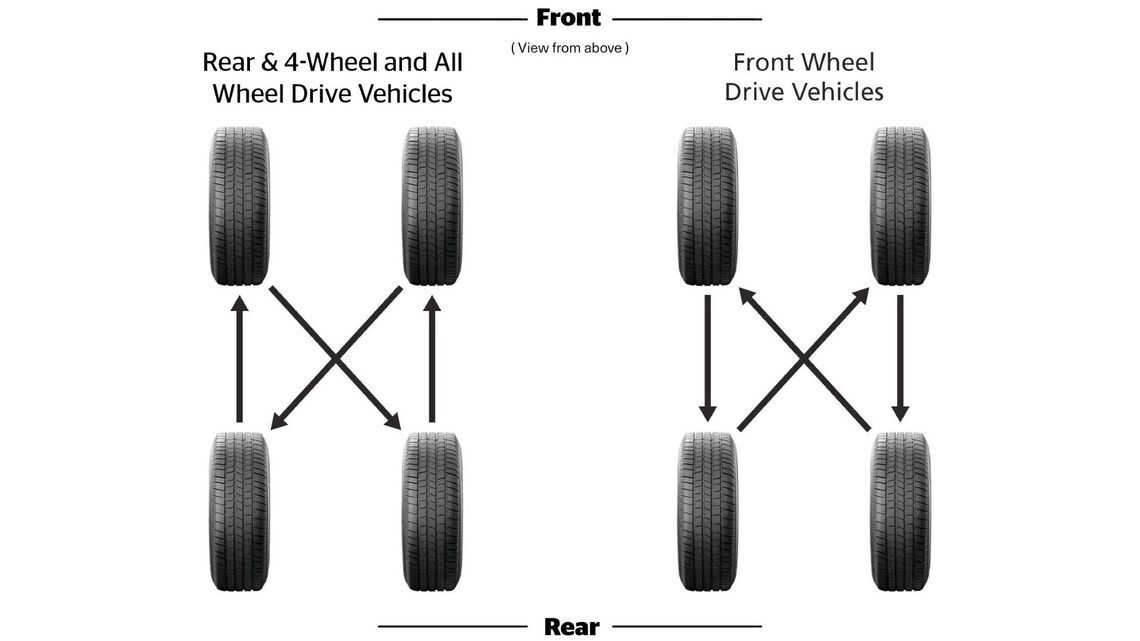
Front-wheel Drive Patterns
Front-wheel drive cars wear the front tires faster. You need to swap the front and rear tires.
One common pattern is to move the front tires straight back. Move the rear tires to the front but switch sides.
- Front left tire goes to rear left
- Front right tire goes to rear right
- Rear left tire moves to front right
- Rear right tire moves to front left
Rear-wheel Drive Patterns
Rear-wheel drive cars wear the rear tires more. Rotate tires by moving rear tires forward and crossing the front tires.
This pattern swaps the rear tires straight to the front. The front tires move to the rear but switch sides.
- Rear left tire goes to front left
- Rear right tire goes to front right
- Front left tire moves to rear right
- Front right tire moves to rear left
All-wheel Drive Patterns
All-wheel drive cars need even tire wear on all four tires. This pattern swaps tires diagonally.
Move front tires to the rear on the same side. Move rear tires to the front but cross sides.
- Front left tire goes to rear left
- Front right tire goes to rear right
- Rear left tire moves to front right
- Rear right tire moves to front left
Directional And Staggered Tires
Directional tires only roll in one direction. You can only move them front to back on the same side.
Staggered tires have different sizes on front and rear. You cannot swap front and rear tires with these setups.
- Directional tires: rotate front to rear on the same side
- Staggered tires: swap side to side only, if allowed
- Check your tire and vehicle manual for exact instructions
Signs You Need Tire Rotation
Rotating your car tires keeps them wearing evenly and lasting longer. Watching for signs helps you know when to rotate them.
Ignoring these signs can cause poor performance and unsafe driving. Check your tires often to spot problems early.
Uneven Tread Wear
Tires that wear unevenly show you need rotation soon. Look for areas that are thinner or more worn than others.
- One side of the tire is smoother than the other.
- Center tread wears faster than edges or vice versa.
- Patchy or spotty wear on the tread surface.
- Visible bald spots or cupping marks.
Vibrations Or Noises
If you feel shaking or hear odd sounds from the tires, it may mean uneven wear. Rotation can fix this problem.
| Symptom | Possible Cause |
| Steering wheel vibration | Uneven tire wear or imbalance |
| Thumping or knocking noise | Worn tread or loose tire |
| Buzzing sound at speed | Tire tread irregularities |
Handling Issues
Changes in how your car handles can warn you about tire problems. Rotation helps restore smooth driving.
Look for these handling signs:
- Car pulls to one side while driving straight.
- Steering feels loose or less responsive.
- Difficulty maintaining control on turns.
Diy Vs Professional Rotation
Rotating your car tires is important for safety and tire life. You can do it yourself or hire a professional. Each choice has its benefits and challenges.
This guide helps you decide when to rotate tires yourself or visit a mechanic. It also covers tools and costs.
Tools Required For Diy
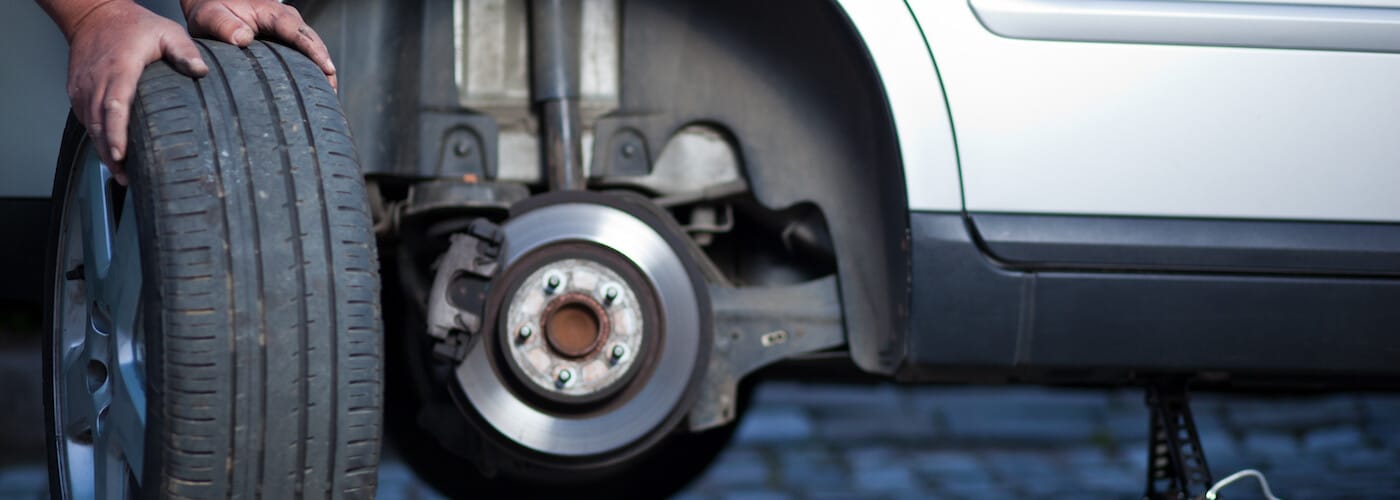
Doing a tire rotation at home needs some basic tools. Having the right equipment makes the job easier and safer.
- Car jack and jack stands
- Lug wrench or impact wrench
- Torque wrench to tighten bolts
- Wheel chocks to prevent rolling
- Gloves and safety glasses for protection
When To Visit A Mechanic
Some situations need a professional to rotate your tires. Mechanics have experience and tools for tricky jobs.
- If your car has all-wheel drive or special tire patterns
- When tires show uneven wear or damage
- If you lack the right tools or space
- When you want a full vehicle check-up
- If you feel unsure about doing it yourself
Cost Considerations
Costs vary between doing it yourself and going to a shop. Knowing the differences helps you choose.
| Option | Cost Range | Notes |
| DIY Rotation | Low to none | Only need tools, no labor cost |
| Professional Rotation | $20 – $50 | Includes inspection and proper equipment |
| Additional Services | Varies | May charge for balancing or alignment |
Credit: www.capitalchev.ca
Additional Tips For Tire Longevity
Taking care of your tires helps them last longer and keeps you safe on the road. Simple habits can prevent early wear and tear.
Below are key tips to maintain your tires beyond just regular rotation. These steps keep your tires in good shape.
Maintaining Proper Tire Pressure
Check your tire pressure often. Proper pressure helps tires wear evenly and improves fuel efficiency. Use a reliable gauge to measure pressure when tires are cold.
- Check pressure monthly and before long trips.
- Inflate tires to the manufacturer’s recommended level.
- Do not overinflate or underinflate tires.
- Keep a tire pressure gauge in your car.
Balancing And Alignment Checks
Proper wheel balance and alignment reduce uneven tire wear. Misalignment causes your tires to wear faster on one side. Balancing stops vibrations that damage tires.
| Service | How Often | Reason |
| Wheel Balancing | Every 5,000 to 6,000 miles | Prevents uneven wear and vibration |
| Wheel Alignment | Once a year or after hitting potholes | Keeps tires aligned for even wear |
Regular Tire Inspections
Inspect your tires regularly for damage or wear. Look for cracks, bulges, or embedded objects. Early detection stops bigger problems.
- Check tread depth using a penny or tread gauge.
- Look for uneven tread wear patterns.
- Remove stones or debris from tire grooves.
- Replace tires with visible damage or low tread.

Credit: www.daleearnhardtjrbuickgmc.com
Frequently Asked Questions
How Often Should Car Tires Be Rotated?
Car tires should be rotated every 5,000 to 7,500 miles. This ensures even tire wear and extends tire life. Check your vehicle’s owner manual for specific intervals. Regular rotation improves safety and fuel efficiency.
Why Is Tire Rotation Important For My Car?
Tire rotation balances tread wear across all tires. This prevents uneven wear, improves handling, and increases tire lifespan. It also helps maintain optimal traction and enhances driving safety on different road surfaces.
Can I Rotate Tires Myself Or Need A Mechanic?
You can rotate tires yourself if you have basic tools and knowledge. However, a mechanic ensures proper rotation patterns and tire balance. Professional rotation helps detect other tire or vehicle issues early.
What Happens If I Don’t Rotate My Tires Regularly?
Not rotating tires causes uneven tread wear and premature tire replacement. It can reduce traction, increase road noise, and affect vehicle handling. Uneven wear also raises the risk of blowouts and unsafe driving conditions.
Conclusion
Rotating car tires regularly ensures even wear and longer life. Aim for every 6,000 to 8,000 miles. This keeps your drive safe and smooth. Regular checks prevent uneven wear and potential damage. It saves money on replacements too. Follow your car’s manual for specific guidance.
Always consult a professional if unsure. A small effort for tire care goes a long way. This habit enhances car performance and safety. Keep your tires in top shape. It’s a smart step for any driver. Stay proactive about tire maintenance.
Your car will thank you.