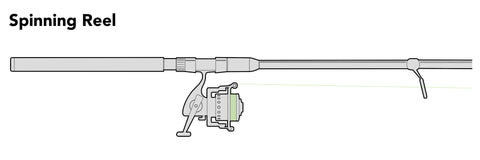
Are you ready to get your fishing gear ready but not sure how to put fishing line on a spinning reel? It might seem tricky at first, but once you know the right steps, it’s simple and quick.
Whether you’re new to fishing or just need a refresher, this guide will walk you through the process clearly. By the end, you’ll have your reel set up perfectly, so you can focus on catching more fish. Keep reading to learn exactly how to do it right every time.

Credit: www.youtube.com
Choose The Right Fishing Line
Picking the right fishing line is key for a good catch. It helps your reel work well and keeps your line strong.
There are different lines for different types of fishing. Knowing which one to use makes fishing easier.
Types Of Fishing Line
Fishing lines come in several types. Each type fits certain fishing styles and fish types.
- Monofilament: Flexible and easy to handle. Good for beginners.
- Fluorocarbon: Nearly invisible underwater. Best for clear water.
- Braided: Very strong and thin. Great for heavy cover and big fish.
Line Strength And Thickness
Line strength is the weight it can hold before breaking. Thickness affects how far you can cast.
| Line Type | Strength Range (lbs) | Typical Diameter (inches) |
|---|---|---|
| Monofilament | 4 – 20 | 0.008 – 0.018 |
| Fluorocarbon | 6 – 30 | 0.010 – 0.022 |
| Braided | 10 – 65 | 0.006 – 0.020 |
Consider Your Fishing Conditions
Fishing conditions decide what line you should pick. Think about water type, fish size, and cover.
- Clear water: Use thin, low-visibility lines like fluorocarbon.
- Heavy cover: Use strong braided lines to avoid breaks.
- Small fish: Choose lighter lines for better bait action.
- Saltwater: Pick corrosion-resistant lines for durability.
Prepare Your Spinning Reel
Putting new fishing line on a spinning reel starts with good preparation. Taking time to prepare helps the line work well and last longer.
Cleaning and checking your reel before adding new line makes fishing easier and more fun.
Remove Old Line
Start by removing the old fishing line from the reel. This clears space for the new line and stops tangles.
Cut the line near the spool and pull it off slowly. Make sure to get all the line off the spool.
Clean The Reel
After removing the old line, clean your reel to remove dirt and salt. This helps the reel work smoothly.
- Use a soft cloth to wipe the spool and body.
- Apply a small amount of reel oil to moving parts.
- Remove any debris from the reel handle and bail.
Inspect For Damage
Check your reel for damage before adding new line. Look for cracks, rust, or broken parts.
Make sure the bail moves freely and the drag system works properly. Fix any problems to avoid issues on your next fishing trip.
Attach The Line To The Spool
Attaching the fishing line to the spool of a spinning reel is an important skill. It helps you fish smoothly and prevents line slips.
This guide shows how to prepare and secure the line properly before you start fishing.
Thread The Line Through Guides
Start by threading the fishing line through the guides on your rod. These are the small rings along the rod’s length.
- Hold the line and pass it through the first guide near the reel.
- Continue threading through each guide until you reach the tip of the rod.
- Make sure the line runs smoothly and does not twist.
Tie The Arbor Knot
The arbor knot secures the line to the spool. It is simple and strong.
- Wrap the line around the spool.
- Tie an overhand knot around the main line.
- Make a second overhand knot at the tag end.
- Pull both knots tight against the spool.
- Trim excess line close to the knot.
Secure The Knot Properly
Securing the knot keeps the line from slipping. Check the knot before you start fishing.
| Check Point | What to Look For |
|---|---|
| Knot Tightness | Should be snug with no slack |
| Line Placement | Line wraps evenly around spool |
| Tag End | Trim close but leave a small tail |
| Line Movement | No slipping when pulled |
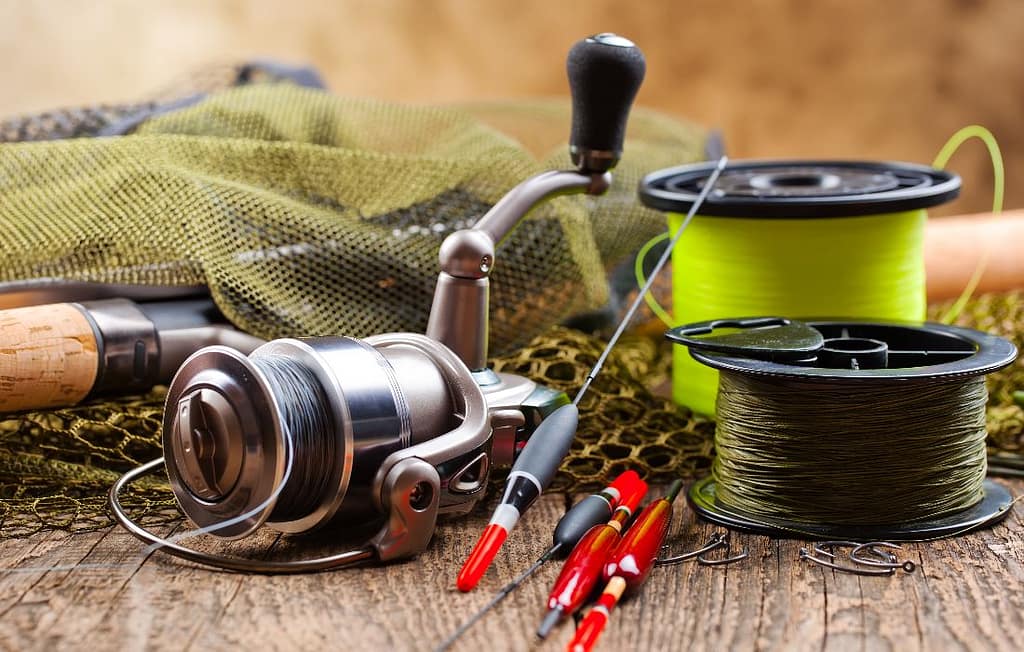
Credit: letsgobassfishing.com
Wind The Line Onto The Spool
Winding the fishing line onto a spinning reel spool is key for good fishing. This process helps your line stay strong and ready for casting. Doing it right saves time and avoids problems on the water.
Focus on how to keep the line tight, avoid twists, and fill the spool properly. These tips will guide you through the process step-by-step.
Maintain Proper Tension
Keep the line tight as you wind it onto the spool. Proper tension prevents loose loops and tangles. Use your fingers or a cloth to hold the line firmly but not too tight.
- Attach the line to the spool securely.
- Hold the line between your fingers to keep tension.
- Turn the reel handle slowly and steadily.
- Check that the line wraps evenly without slack.
Avoid Line Twists
Line twists cause knots and reduce casting distance. To avoid twists, let the line come off the spool in the same direction as you wind it on. Watch the line as you reel it in to spot any twists early.
| Cause | How to Fix |
|---|---|
| Line twists from wrong spool direction | Let line flow off spool correctly |
| Using too much slack line | Maintain steady tension while winding |
| Improper attachment of line to spool | Secure line with a proper knot |
Fill The Spool Correctly
Fill the spool so the line sits just below the rim. Overfilling causes tangles and underfilling reduces casting range. Stop winding when the line reaches about 1/8 inch from the spool edge.
- Do not overfill the spool.
- Keep line level and even on the spool.
- Check line depth often as you wind.
- Use a line filler if needed for thin spools.
Check Line And Reel Setup
Before putting fishing line on a spinning reel, check your line and reel setup. Make sure the reel is clean and ready.
Choose the right fishing line size for your reel. This helps avoid problems while fishing.
Test Line Movement
After you spool the line, pull it gently to see how it moves. It should flow smoothly without sticking or catching.
Try turning the reel handle slowly. The line must come off the spool evenly and without resistance.
Adjust Drag Settings
Set the drag so it is not too tight or too loose. The drag helps control fish pulling on the line.
- Turn the drag knob clockwise to increase resistance
- Turn it counterclockwise to reduce resistance
- Test drag by pulling line with your hand to feel the tension
Trim Excess Line
Cut off any extra line after spooling. Leave about a quarter inch outside the reel for tying knots.
Using scissors or a line cutter, trim the line cleanly to avoid frays or tangles.

Credit: www.youtube.com
Tips For Line Maintenance
Keeping your fishing line in good shape helps you catch fish easier. A well-maintained line lasts longer and works better on your spinning reel.
Here are some important tips to take care of your fishing line and reel.
Regular Inspection
Look at your fishing line before and after every fishing trip. Check for any cuts, frays, or weak spots. These can cause the line to break when you catch a fish.
- Run your fingers along the line to feel for rough spots.
- Look for discoloration or dirt that can weaken the line.
- Test the line’s strength by pulling it gently.
Replace Old Line
Old fishing line loses strength and can tangle easily. Replace the line if it looks worn or has been on the reel for many months.
| Signs to Replace Line | Reasons |
| Fraying or cuts | Weak spots cause breakage |
| Discoloration | UV damage weakens the line |
| Memory twists | Line tangles easily |
| More than 6 months old | Material degrades over time |
Store Reel Properly
Keeping your reel in the right place helps your fishing line stay in good condition. Avoid places that are too hot, cold, or wet.
Follow these tips to store your reel:
- Keep the reel in a dry, cool spot.
- Loosen the drag to stop pressure on the line.
- Cover the reel to keep dust out.
- Check the line regularly even when stored.
Frequently Asked Questions
How Do You Choose The Right Fishing Line For A Spinning Reel?
Choose a fishing line based on the fish species, water conditions, and reel capacity. Monofilament lines are versatile, while braided lines offer strength and sensitivity. Ensure the line matches your reel’s weight rating for optimal performance and durability.
What Is The Best Way To Attach Fishing Line To A Spinning Reel?
Use an arbor knot to attach the line securely to the reel spool. This knot prevents slippage and ensures smooth casting. After tying, wind the line evenly on the spool under slight tension to avoid tangles and improve casting distance.
How Much Fishing Line Should Be Put On A Spinning Reel?
Fill the spool to about 1/8 inch below the rim. Overfilling causes tangles and underfilling reduces casting efficiency. Proper line capacity improves casting control and reduces the risk of line breakage during fishing.
Can You Reuse Old Fishing Line On A Spinning Reel?
Reusing old fishing line is not recommended. Old lines lose strength and elasticity, increasing the chance of breakage. Always use fresh, quality line for better performance, durability, and to avoid frustrating fishing experiences.
Conclusion
Mastering the art of spooling a spinning reel is essential. It ensures a smooth, enjoyable fishing experience. Properly winding the line prevents tangles and enhances casting. Remember, practice makes perfect. Follow the steps carefully, and you’ll see improvement. Gear up and enjoy your next fishing adventure.
A well-prepared reel makes a difference. Keep your tackle box ready and your skills sharp. With these tips, you’re set for success. Happy fishing!