
Have you ever wondered if your car alarm could be quietly draining your battery? You might rely on your alarm for security, but what if it’s causing more harm than good?
Understanding how car alarms affect your battery can save you from unexpected breakdowns and costly repairs. You’ll discover the surprising truth about car alarms and battery life—and learn simple tips to keep your car running smoothly. Keep reading to protect your ride and avoid those frustrating dead battery moments.
How Car Alarms Work
Car alarms protect vehicles from theft and damage. They use sensors to detect unusual activity.
The alarm system alerts the owner by sounding a loud siren or flashing lights.
Basic Components
Car alarms have several parts that work together. These parts detect and respond to threats.
- Sensors:Detect motion, door opening, or glass breaking.
- Control Module:The brain that processes signals from sensors.
- Siren or Horn:Makes noise to alert people nearby.
- Power Source:Usually the car battery supplies power to the alarm.
- Remote Key Fob:Allows the owner to arm or disarm the alarm.
Power Consumption Patterns
Car alarms use power even when the car is off. They stay active to detect threats at all times.
The power used is very small but constant. Some alarms use more power if they have extra features.
- Standby mode uses minimal battery power.
- When triggered, the alarm uses more power to sound the siren and flash lights.
- Some alarms drain batteries faster if sensors are faulty or the alarm is old.
- Proper installation helps reduce unnecessary battery drain.
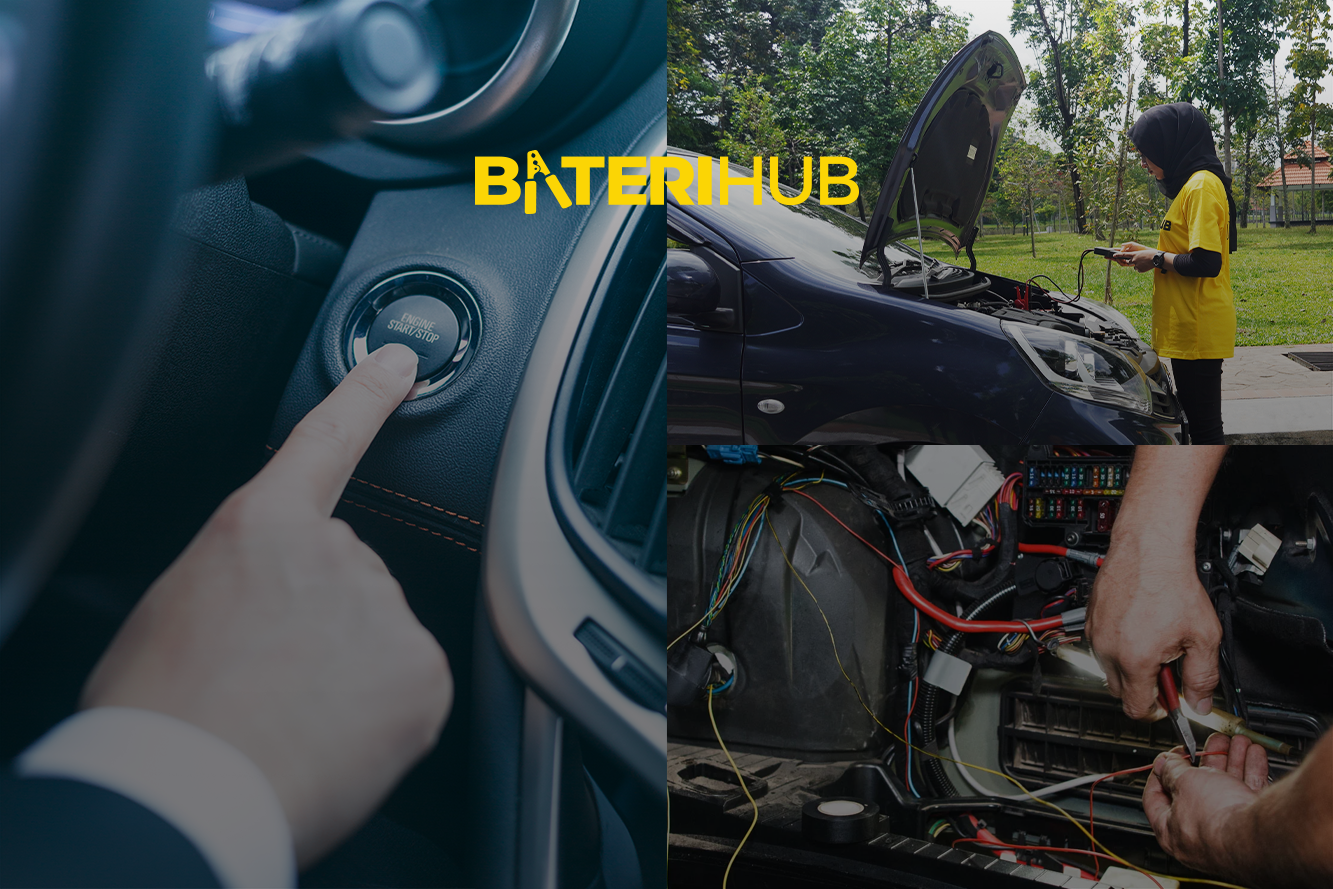
Credit: baterihub.com
Battery Drain And Alarms
Car alarms can affect your vehicle’s battery life. Understanding how this happens helps you manage battery health better.
This article explains the main causes of battery drain related to car alarms.
Standby Power Usage
Car alarms use power even when the car is off. This power keeps the alarm ready to react instantly.
- The alarm control unit draws a small current continuously.
- LED indicators on the dashboard use some battery power.
- Some sensors stay active to detect movement or impacts.
- This standby power usage is usually low but constant.
Triggering Events Impact
When the alarm triggers, it consumes more battery power. The siren, lights, and sensors all draw energy during an alarm event.
| Trigger Event | Power Usage | Battery Impact |
| Alarm Siren | High | Drains battery quickly if long |
| Flashing Lights | Moderate | Uses battery while active |
| Sensor Activation | Low to Moderate | Short bursts, minor impact |
Common Myths About Alarms
Many people worry that car alarms drain their vehicle’s battery. This idea causes some to avoid using alarms. It is important to know the facts about car alarms and batteries.
This article explains common myths about alarms and their effect on car batteries. Understanding these myths helps you use alarms wisely.
Alarms Always Kill Batteries
Some believe car alarms always drain the battery. Actually, modern alarms use very little power when the car is off. They run in a low-energy mode called standby.
Battery drain happens only if the alarm has a fault or is triggered often. Normal use will not kill the battery quickly. Most alarm systems are designed to protect the battery.
Battery Type And Alarm Compatibility
Car alarms work best with the right battery type. Some batteries handle alarms better than others. Choosing a compatible battery helps keep your alarm running smoothly.
Lead-acid batteries are common and usually support alarms well. Newer cars with smart batteries may need alarms designed for them. Always check your car’s manual for battery and alarm advice.
- Lead-acid batteries work with most alarms
- Smart batteries may need special alarms
- Check car manual for battery and alarm details
- Proper battery care extends alarm life
Factors Influencing Battery Drain
Car alarms can cause battery drain, but many factors affect how much power they use. Understanding these factors helps prevent unwanted battery problems.
The way your alarm system is set up and your vehicle’s electrical health play big roles in battery life. Small changes can make a big difference.
Alarm Sensitivity Settings
Alarm sensitivity controls how easily the alarm triggers. Higher sensitivity means the alarm reacts to small movements.
If the alarm is too sensitive, it may go off often. This uses more battery power because the alarm sounds and lights flash more.
- High sensitivity causes frequent false alarms
- False alarms drain battery faster
- Lower sensitivity reduces battery use but may miss some threats
Vehicle Electrical System Condition
A car’s electrical system affects how much battery power the alarm uses. Old or damaged wiring can cause extra drain.
Good electrical health means the alarm works efficiently without wasting battery power. Faulty parts may cause the alarm to draw more energy.
- Old batteries drain quickly with alarms
- Damaged wiring can cause constant power draw
- Regular maintenance helps keep electrical system healthy
Preventing Battery Drain Issues
Car alarms can sometimes cause battery drain if not maintained well. Knowing how to prevent this helps keep your car ready to start anytime.
This guide focuses on two key areas to avoid battery problems caused by car alarms.
Regular Battery Maintenance
Check your car battery often to ensure it stays healthy. A weak battery drains faster and may fail to power your alarm properly.
- Clean battery terminals to prevent corrosion
- Test battery voltage monthly
- Replace old or weak batteries promptly
- Ensure tight cable connections
- Keep the battery charged, especially in cold weather
Alarm System Upgrades
Older alarm systems may use more power than newer models. Upgrading can reduce battery drain and improve security.
| Alarm Feature | Power Use | Benefit |
| Old Wired Systems | High | Less efficient, drains battery |
| Modern Wireless Systems | Low | Better battery life |
| Smart Alarms with Sleep Mode | Very Low | Minimal battery use when inactive |

Credit: carfromjapan.com
Signs Your Alarm Is Draining Battery
Car alarms help protect your vehicle from theft. Yet, they can sometimes cause battery problems. Knowing the signs of a draining alarm can save you from a dead battery.
This guide explains common signs that your car alarm is draining the battery. Watch out for these issues to keep your car running smoothly.
Frequent Battery Failures
If your car battery fails often, the alarm might be the cause. A faulty alarm system can drain power even when the car is off.
- Your battery dies quickly after charging.
- The car struggles to start despite a healthy battery.
- Battery warning lights appear on your dashboard.
- Electrical components work weakly or inconsistently.
- Unusual battery voltage drops when the car is parked.
Alarm Malfunctions
Alarm malfunctions often cause extra battery drain. Look for these signs that your alarm is not working right.
| Symptom | Description | Possible Cause |
|---|---|---|
| Alarm sounds randomly | The alarm goes off without reason | Faulty sensor or wiring issue |
| Alarm stays active after locking | Alarm does not shut off properly | Control module error |
| Light blinks constantly | Alarm indicator light does not stop flashing | Short circuit or sensor fault |
| Remote fails to disarm | Key fob does not deactivate alarm | Battery or signal problem |
When To Seek Professional Help
Car alarms can sometimes cause battery drain. If your battery dies often, it might be the alarm.
Knowing when to get help can save you time and money. A professional can find and fix the problem quickly.
Diagnostic Procedures
A professional will check the alarm system and battery health. They use special tools to test electrical flow.
They look for faults like short circuits or alarm malfunctions. This helps find why the battery drains fast.
- Inspect battery charge and connections
- Test alarm system wiring and sensors
- Check for alarm triggers without reason
- Use diagnostic machines for detailed scans
Repair And Replacement Options
After diagnosis, a professional can repair or replace parts. Fixing wiring or sensors often stops battery drain.
If the alarm is old or broken, replacing it may be best. New alarms use less power and work better.
- Repair damaged wires or faulty sensors
- Replace old alarm units with new models
- Upgrade to alarms with low battery use
- Test system after repair to ensure no drain

Credit: carfromjapan.com
Frequently Asked Questions
Can A Car Alarm System Drain My Battery?
Yes, car alarms can drain your battery over time. When left active, they consume a small amount of power. If your vehicle remains unused for long periods, this continuous power draw can lead to a dead battery.
How Do Car Alarms Affect Battery Life?
Car alarms constantly use minimal power, impacting battery life over extended periods. If your vehicle isn’t driven regularly, the alarm’s power consumption can deplete the battery, especially in older or weaker batteries.
What Causes A Car Alarm To Drain The Battery?
Faulty wiring or an overly sensitive alarm system can cause excessive power usage. Continuous false alarms or a malfunctioning system can lead to quicker battery drainage, eventually causing a dead battery if not addressed.
How Can I Prevent Battery Drain From Car Alarms?
Regularly driving your car helps recharge the battery. Disconnect the alarm if the car is unused for long periods. Ensure the alarm system is in good working condition and not overly sensitive to avoid unnecessary power consumption.
Conclusion
Car alarms can use some battery power, but not much. Most alarms draw very little energy when off. Problems happen if the alarm is faulty or always active. Regular car use helps keep the battery charged. Checking your alarm system and battery often can prevent issues.
Simple care keeps your car safe without draining power. Understanding how alarms affect batteries helps you avoid surprises. Stay aware, and your car will run smoothly every day.