If you want to enjoy smooth casting and avoid frustrating tangles, learning how to spool fishing line on your reel the right way is a must. Whether you’re a beginner or just need a quick refresher, this simple skill can make a huge difference in your fishing experience.
In this guide, you’ll discover easy steps that save you time, protect your gear, and help you catch more fish. Keep reading to master the technique and get ready to reel in your next big catch with confidence.
Choosing The Right Line
Choosing the right fishing line is key to a good fishing experience. The line you pick affects casting, hooking, and fighting fish.
This guide covers different types of lines, their strength, size, and how to match them with your reel.
Monofilament Vs. Braided Lines
Monofilament line is made from a single strand of nylon. It is stretchy and good for beginners. Braided line is made from many fibers woven together. It has little stretch and is very strong.
- Monofilament lines are easier to handle and knot.
- Braided lines have higher strength for their diameter.
- Monofilament floats better on water.
- Braided lines are more visible and may need a leader.
Line Strength And Diameter
| Line Type | Strength (lbs) | Diameter (inches) |
|---|---|---|
| Monofilament | 6 – 20 | 0.012 – 0.030 |
| Braided | 15 – 50 | 0.008 – 0.020 |
Choose a line strength that matches the fish you want. Thinner lines cast farther but may break easily.
Matching Line To Reel Type
Spinning reels work well with monofilament lines. They handle stretch and are easier to cast. Baitcasting reels suit braided lines because they have less stretch and more strength.
- Use monofilament for spinning reels to reduce backlash.
- Use braided line on baitcasting reels for better control.
- Check your reel’s line capacity before choosing thickness.
Credit: monsterbass.com
Preparing The Reel
Before spooling the fishing line, prepare your reel carefully. Proper preparation helps avoid problems while fishing.
Start by checking and cleaning your reel. Then attach it securely to your rod and set the drag system properly.
Cleaning And Inspecting The Reel
Remove dirt and old line from the reel. Look for cracks or damage on the spool and handle. Clean the reel with a soft cloth and mild soap if needed.
- Wipe off dust and debris
- Check for corrosion or rust
- Test the handle to ensure smooth movement
- Inspect the spool for cracks or dents
Attaching The Reel To The Rod
Secure the reel on the rod’s reel seat. Tighten the locking mechanism until the reel feels stable. A loose reel can cause problems while casting.
| Action | Details |
| Place reel foot | Align with rod reel seat |
| Turn locking nut | Tighten firmly by hand |
| Check stability | Make sure reel does not wiggle |
Setting The Drag System
Adjust the drag system to control line tension. This helps prevent line breakage when a fish pulls hard.
- Turn the drag knob clockwise to increase resistance
- Turn it counterclockwise to decrease resistance
- Set drag tight enough to hold fish but loose enough to avoid snapping line
Attaching The Line To The Spool
Attaching the fishing line to the spool is the first step in spooling your reel. It helps keep the line secure and prevents slippage.
Doing this correctly makes casting easier and reduces line tangles. Take your time to attach the line firmly.
Threading The Line Through Guides
Start by pulling the line through the rod guides. These are the small loops along the fishing rod.
Make sure to thread the line from the tip of the rod down to the reel. This keeps the line aligned for smooth casting.
Tying The Arbor Knot
The arbor knot attaches the line to the spool securely. It is simple and strong, perfect for all fishing lines.
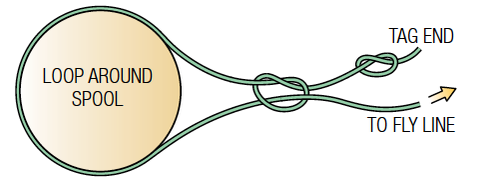
Wrap the line around the spool, tie a simple overhand knot around the main line, then tie another overhand knot at the tag end.
- Wrap the line around the spool
- Make an overhand knot around the main line
- Tie a second overhand knot at the tag end
- Pull both knots tight against the spool
Securing The Line Properly
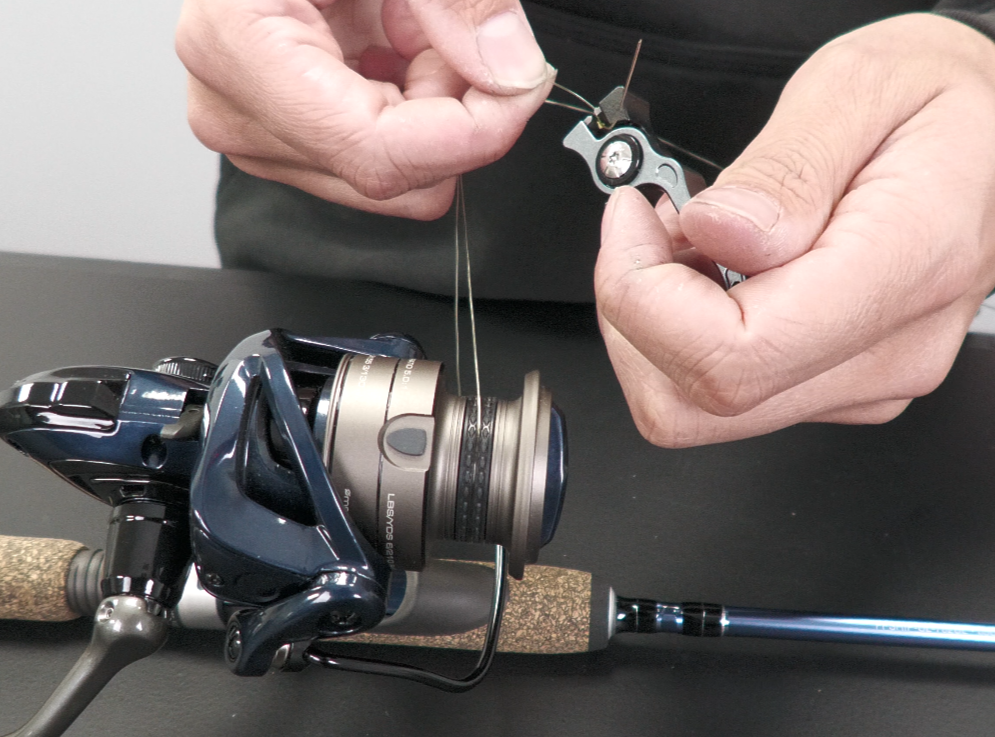
After tying the knot, pull the line tight to avoid slipping. Hold the line firmly as you start winding it onto the spool.
Keep slight tension on the line while winding. This prevents loose loops and ensures the line lays evenly on the spool.
- Pull the line tight after knotting
- Hold tension while winding the line
- Wind evenly across the spool
- Stop if the line feels loose or tangled
Credit: www.fishusa.com
Spooling The Line
Spooling fishing line on your reel is key for a smooth fishing experience. Proper spooling helps avoid line problems while casting and retrieving.
Follow simple steps to keep your line tight, even, and free of twists. This guide covers important tips for spooling the line correctly.
Maintaining Proper Tension
Keeping tension on the line while spooling is important. It prevents loose loops that cause tangles and casting issues.
Hold the line tight between your fingers or use a cloth to add resistance. This action keeps the line snug on the reel spool.
Filling The Spool Evenly
Fill the spool evenly to avoid gaps or bulges. Uneven filling can cause line slippage or damage the reel’s drag system.
- Start by attaching the line at the spool’s center.
- Wind slowly and guide the line with your fingers from side to side.
- Keep the line close to the spool edge but not over it.
- Stop filling when the line is about 1/8 inch from the spool rim.
Avoiding Twists And Tangles
Line twists cause knots and tangles that waste time and line. Prevent them by controlling the line direction and spool rotation.
| Common Cause | How to Fix |
| Line twisting from loose line | Keep tension tight during spooling |
| Line twisting from spool spinning backward | Make sure spool turns the right way |
| Overfilled spool causing loops | Fill line evenly and stop before rim |
| Using old or damaged line | Replace line regularly |
Finishing Touches
After spooling your fishing line onto the reel, some final steps ensure your setup works well. These finishing touches help keep the line neat and ready for fishing.
Taking time to trim, test, and store your gear properly will make your fishing trips smoother and more enjoyable.
Trimming Excess Line
Cut off any extra fishing line left after spooling. Leaving too much line can cause tangles and knots.
Use sharp scissors or a line cutter to make a clean cut near the reel spool.
- Leave about 1/8 inch of line to prevent slipping
- Make sure the cut is straight and smooth
- Check for any frayed ends and trim them
Testing The Line Setup
Pull the line gently to test if it is securely spooled. The line should not slip or unwind easily.
Turn the reel handle a few times to see if the line feeds smoothly without catching or bunching.
- Check the drag system to ensure it works properly
- Look for any uneven spots or loose loops on the spool
- Make sure the line flows freely through the guides
Storing The Rod And Reel
Store your rod and reel in a dry place away from direct sunlight. This prevents damage to the line and reel parts.
Keep the reel handle turned to lock the line in place and avoid loosening during storage.
- Use a rod holder or rack to keep the rod straight
- Cover the reel with a protective cloth or case
- Loosen the drag if storing for a long time to protect the drag system

Credit: www.youtube.com
Common Mistakes To Avoid
Spooling fishing line on your reel looks easy but can lead to common problems.
Knowing what to avoid helps keep your line strong and ready to fish.
Overfilling The Spool
Filling your reel spool with too much line causes tangles and backlashes.
- Line can spill over the spool edges
- It increases the chance of line knots
- May reduce casting distance and accuracy
- Can damage the reel over time
Using Incorrect Knots
Wrong knots can make your line weak and cause it to break.
| Knot Type | Common Issue |
| Improper Arbor Knot | Line slips off spool |
| Weak Palomar Knot | Breaks under tension |
| Loose Uni Knot | Unravels easily |
Ignoring Line Maintenance
Not cleaning or checking your line can cause problems while fishing.
Signs to watch for:
- Frays or cuts on the line
- Discoloration from sun or salt
- Line stiffness or brittleness
Regularly rinse your line with fresh water after use.
Store your reel away from direct sunlight.
Frequently Asked Questions
How Do I Start Spooling Fishing Line On A Reel?
Begin by attaching the line to the reel spool with an arbor knot. Tighten the knot firmly. Keep tension on the line while winding to prevent tangles and ensure even spooling.
What Type Of Fishing Line Is Best For Spooling?
Monofilament lines are easiest for beginners due to flexibility. Braided lines offer strength but require careful tension. Match the line type to your fishing style and reel specifications for best results.
How Much Fishing Line Should I Spool On My Reel?
Fill the spool until it is about 1/8 inch below the spool edge. Overfilling causes tangles and underfilling reduces casting distance. Maintain proper line capacity as recommended by the reel manufacturer.
Can I Spool Fishing Line Without A Partner?
Yes, use a line spooler or secure the spool between stable objects. Maintain steady tension by hand while winding the line onto the reel. This prevents loose coils and ensures smooth casting performance.
Conclusion
Spooling fishing line on a reel is simple with practice. Follow each step carefully for best results. Check your line for tangles regularly. Use the right tension to avoid twists. Proper spooling extends your line’s lifespan. It enhances your fishing experience too.
Always choose quality line and gear. They make a difference in performance. Practice makes perfect, so don’t worry. Soon, you’ll spool like a pro. Enjoy your fishing trips with well-prepared gear. Happy fishing!