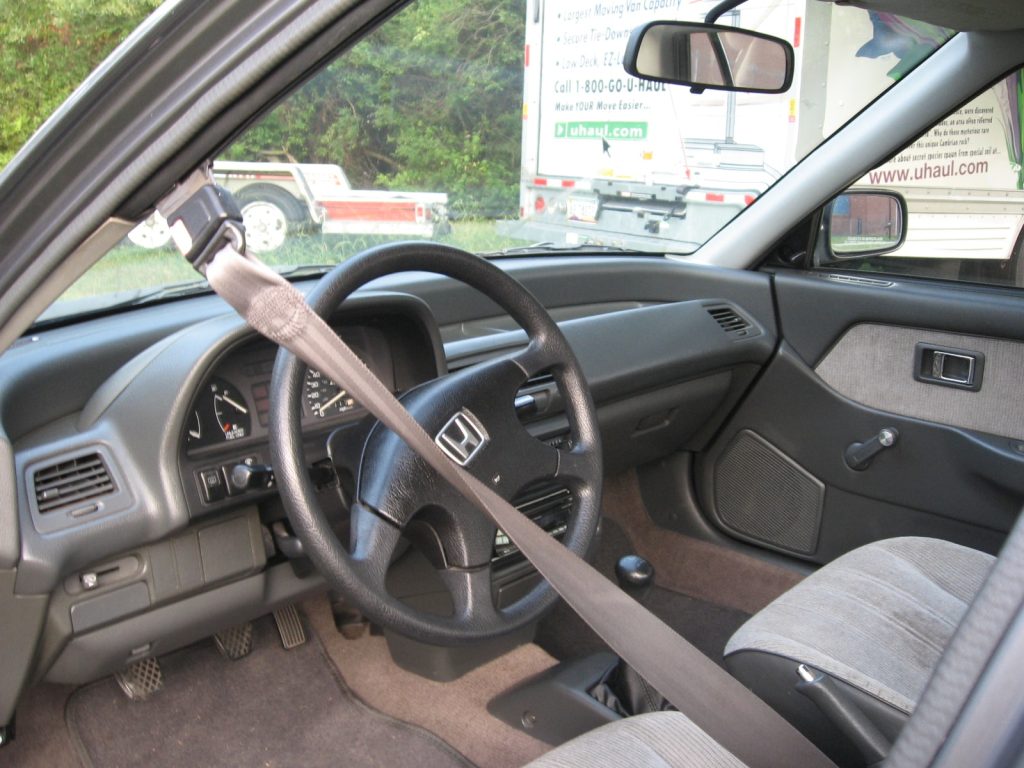
Have you ever wondered when seat belts first became a part of your car? It’s hard to imagine driving without them now, but there was a time when cars didn’t have this simple, life-saving feature.
Understanding when seat belts were introduced can change the way you think about your safety every time you buckle up. Keep reading to discover the surprising story behind seat belts and why they became one of the most important inventions for drivers like you.
Early Car Safety Measures
Car safety has improved a lot over time. Early cars had few safety features.
Before seat belts, drivers and passengers faced many dangers. Early safety ideas helped reduce risks.
Pre-seat Belt Era
Before seat belts, cars had little protection for people inside. Cars were simple and fast but unsafe.
Drivers and passengers could easily be thrown from the car during crashes. Injuries were common and often severe.
- Open car designs increased risk of falling out
- Sharp edges inside cars caused injuries
- Windshields were weak and could break easily
- Cars lacked padded surfaces to soften impacts
Initial Safety Concerns
People worried about how dangerous driving was. Many accidents caused serious harm or death.
Car makers started to think about ways to protect riders. Early ideas focused on better brakes and stronger frames.
- Improved brakes helped avoid crashes
- Stronger car frames protected passengers
- Windshields were made from safety glass
- Early padding was added to steering wheels

Credit: www.edbernstein.com
Invention Of The Seat Belt
Seat belts help keep people safe in cars. They stop drivers and passengers from flying forward in crashes.
The idea of the seat belt started many years ago. Inventors worked to make cars safer for everyone.
Pioneers Behind The Design
Many people helped create the seat belt. One early pioneer was George Cayley, who designed a simple belt in the 1800s.
In the 20th century, others improved the design. They wanted belts that were easy to use and strong in crashes.
- George Cayley made one of the first belts for airplanes.
- Nils Bohlin created the three-point seat belt in 1959.
- Volvo made seat belts standard in their cars after Bohlin’s design.
First Seat Belt Models
The first seat belts were simple straps. They only held people in place but were not very comfortable.
Early cars added lap belts, which went over the waist. Later, shoulder belts were added for better safety.
- 1920s: Lap belts appeared in some cars.
- 1959: Three-point belts became common in Volvo cars.
- 1960s: Many car makers started adding seat belts as standard.
Adoption In Automobiles
Seat belts began appearing in cars in the 1950s. At first, only a few car makers added them. Over time, more manufacturers included seat belts as a safety feature.
Governments also started making laws to require seat belts in vehicles. This helped increase their use and saved many lives on the road.
Car Manufacturers’ Response
At first, some car makers were slow to add seat belts. They worried customers might not like them. Others saw the value and added belts early.
- Volvo was one of the first to include three-point seat belts in 1959.
- Ford and General Motors began adding belts to many models in the 1960s.
- By the late 1960s, most major manufacturers offered seat belts as standard or optional.
Public Reception And Resistance
Many drivers did not want to use seat belts at first. They found them uncomfortable or thought they were unnecessary. Some people even removed them from their cars.
| Year | Public Reaction |
| 1950s | Seat belts seen as strange and not needed |
| 1960s | Mixed feelings; some used belts, others resisted |
| 1970s | More laws made belts mandatory; use increased |
| 1980s | Wider acceptance and regular use by drivers |

Credit: www.antheminjurylaw.com
Legislation And Regulations
Seat belts became a key safety feature in cars after laws made them mandatory. Governments passed rules to save lives on the road.
These laws helped increase seat belt use and reduce injuries. Different countries adopted rules at different times.
Early Seat Belt Laws
The first laws requiring seat belts appeared in the 1950s and 1960s. Some states and countries led the way by making seat belts compulsory in new cars.
- Sweden was one of the first to require seat belts in cars in 1958.
- In the United States, some states started passing seat belt laws in the 1960s.
- Australia introduced mandatory seat belt use in the early 1970s.
- The UK required seat belts in front seats from 1965 but made wearing them law in 1983.
Global Implementation Timeline
| Year | Country/Region | Seat Belt Law |
| 1958 | Sweden | Seat belts required in new cars |
| 1968 | United States | Federal law requires seat belts in new cars |
| 1970 | Australia | Seat belt use becomes mandatory |
| 1983 | United Kingdom | Wearing seat belts becomes law |
| 1990s | European Union | Member states adopt seat belt laws |
| 2000s | Many countries | Enforcement and penalties introduced |
Technological Advances
Seat belts have saved millions of lives since their introduction. Their design has changed with new technology over time. These changes make riding in cars safer today.
This article looks at two important safety improvements. The three-point seat belt and modern safety features help protect drivers and passengers.
Three-point Seat Belt Innovation
The three-point seat belt was invented in 1959 by Nils Bohlin. It holds both the upper and lower body in place. This design reduces injuries in crashes better than older belts.
Car makers started installing these belts in the 1960s. They quickly became standard in most vehicles worldwide. This belt is still the main type used today.
- Secures both chest and hips
- Spreads crash forces over stronger body parts
- Easy to use and adjust
- Reduced deaths and serious injuries
Modern Safety Features
Today’s cars have many safety features beyond seat belts. These include airbags, electronic stability control, and automatic emergency braking. They work together to protect passengers.
Seat belts now have built-in technology. Pretensioners tighten belts during a crash. Load limiters reduce pressure on the chest. These features make belts safer and more comfortable.
- Airbags cushion impacts
- Seat belt pretensioners remove slack
- Load limiters prevent chest injuries
- Electronic systems help control the car

Credit: www.reddit.com
Impact On Road Safety
Seat belts were first installed in cars in the 1950s. They became standard equipment in many cars by the 1960s. Their use has changed how people stay safe on the road.
Wearing a seat belt lowers the chance of serious injury. It keeps drivers and passengers secure during crashes. This safety device has saved many lives worldwide.
Reduction In Fatalities
Seat belts reduce the risk of death in car accidents. Many studies show that wearing a seat belt saves lives. Fatality rates dropped as more people used them.
- Seat belts cut fatal injuries by about 45%
- They prevent ejection from the vehicle
- They reduce impact with the car’s interior parts
Countries with seat belt laws have fewer road deaths. Police enforce these laws to protect drivers and passengers. These rules help keep roads safer for everyone.
Ongoing Challenges
Not everyone wears seat belts all the time. Some people find them uncomfortable or forget to use them. This causes preventable injuries in crashes.
- Seat belt use is lower in some age groups
- Rear seat passengers often skip wearing belts
- Some vehicles lack modern seat belt designs
Education and stricter laws can improve seat belt use. Car makers work on better designs for comfort and ease. These steps will help reduce road injuries more.
Future Of Seat Belt Technology
Seat belts have saved many lives since they were first used in cars. New technology will make seat belts even safer and smarter in the future.
Future seat belts will work with other car systems to protect passengers better and improve comfort during travel.
Smart Seat Belts
Smart seat belts can detect the size and weight of the passenger. They adjust tension to fit each person perfectly.
These belts can also warn drivers if someone is not buckled up. They use sensors to check if the belt is fastened correctly.
- Adjusts tightness automatically for better safety
- Alerts drivers if seat belts are not fastened
- Works with airbags to reduce injury
Integration With Autonomous Vehicles
Self-driving cars will change how seat belts work. They will connect with the car’s computer to improve passenger safety.
Seat belts in autonomous vehicles can adjust based on the car’s movements. They will help keep passengers safe during sudden stops or turns.
- Communicates with car systems for better safety
- Adapts to driving conditions and passenger position
- May include new designs for comfort in self-driving cars
Frequently Asked Questions
When Were Seat Belts First Introduced In Cars?
Seat belts were first introduced in cars in the early 1950s. Volvo was a pioneer, installing the three-point seat belt in 1959. This invention significantly improved passenger safety and set a standard for the automotive industry worldwide.
Why Did Seat Belts Become Mandatory In Cars?
Seat belts became mandatory to reduce injuries and fatalities in car accidents. Governments enforced laws in the 1960s and 1970s after studies showed seat belts save lives. Mandatory use laws increased seat belt adoption and improved overall road safety.
How Did Seat Belt Laws Evolve Globally?
Seat belt laws started in the 1960s in the US and spread worldwide. Different countries adopted these laws at varying times based on safety research. Today, most countries require front-seat passengers to wear seat belts by law.
What Safety Benefits Do Seat Belts Provide?
Seat belts keep passengers securely in place during crashes. They reduce the risk of fatal injury by up to 50%. Seat belts prevent passengers from hitting the dashboard or being ejected from the vehicle.
Conclusion
Seat belts have a vital history in car safety. They first appeared in cars in the mid-20th century. Since then, they have saved countless lives. Today, they are standard in all vehicles. Seat belts offer simple, yet effective protection. Remember to always buckle up when driving.
Safety should always be a priority. This small step can make a big difference. Stay safe on the road. Appreciate the seat belt’s role in car safety. It’s a lifesaver every time you drive.