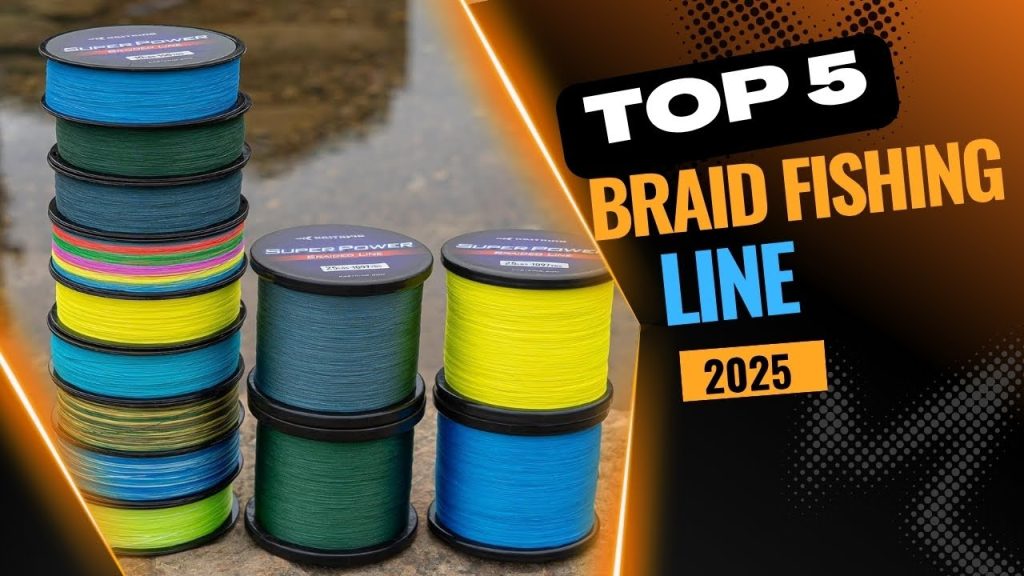
Are you wondering if braided line is the right choice for your saltwater fishing trips? Choosing the right fishing line can make a big difference in your success on the water.
Braided line has gained a lot of attention, but is it really the best option for saltwater conditions? You’ll discover the key benefits and potential drawbacks of using braided line, so you can decide if it’s the perfect match for your fishing needs.
Keep reading to find out how this line can boost your performance and help you land bigger, stronger fish.
Braided Line Basics
Braided fishing line is popular for saltwater fishing. It offers unique features that help anglers in tough conditions.
This line type differs from monofilament and fluorocarbon lines. Understanding its basics is key to using it well.
Material And Construction
Braided lines are made by weaving many thin fibers together. These fibers are usually made from strong synthetic materials.
- The most common material is Spectra or Dyneema, known for high strength.
- Fibers are tightly braided, which gives the line a small diameter.
- Braiding creates a smooth and round line surface.
- This line does not stretch much compared to other types.
Strength And Durability
Braided line is strong and lasts long under harsh saltwater conditions. It resists abrasion and damage better than many other lines.
| Feature | Braided Line | Monofilament Line |
| Strength (Pound Test) | High | Medium |
| Diameter | Small | Large |
| Stretch | Very Low | High |
| Abrasion Resistance | Excellent | Good |
| Durability in Saltwater | Long-lasting | Moderate |

Credit: thegww.com
Advantages In Saltwater
Braided fishing line is popular among saltwater anglers. It offers several benefits that help improve fishing performance. This type of line is made from strong synthetic fibers woven together.
Saltwater fishing demands durable and reliable gear. Braided line meets many of these needs due to its unique features and build quality.
High Sensitivity
Braided line has almost no stretch. This trait allows anglers to feel the slightest bite or movement underwater. Sensitivity helps detect fish faster and improves hook setting.
Abrasion Resistance
Saltwater environments have rough surfaces like rocks and coral. Braided line resists damage better than many other lines. It can handle sharp edges and tough conditions.
- Strong woven fibers resist fraying
- Less likely to break on rough surfaces
- Maintains strength after repeated use
- Works well near structures and reefs
Casting Distance
Braided line is thinner than monofilament of the same strength. This allows anglers to cast farther with less effort. Better casting distance covers more water and reaches distant targets.
| Line Type | Diameter (20 lb test) | Casting Distance |
|---|---|---|
| Braided Line | 0.15 mm | Longer casts |
| Monofilament | 0.30 mm | Shorter casts |
| Fluorocarbon | 0.28 mm | Moderate casts |
Potential Drawbacks
Braided line has many benefits for saltwater fishing. Still, it has some drawbacks you should know. These issues might affect your fishing experience.
Knowing the downsides helps you decide if braided line fits your needs. Here are some common concerns.
Visibility To Fish
Braided line is usually very visible in water. Fish can see it easily because it does not blend well.
This high visibility may scare fish away, especially in clear water. You might lose some bites because of this.
Handling And Knot Tying
Braided line can be hard to handle. It is thin but stiff, which makes knot tying tricky for some anglers.
Knots may slip or come undone if not tied properly. You need to learn special knots that work well with braided line.
- Use knots like Palomar or Double Uni
- Keep knots tight and moist when tying
- Practice tying to avoid losing fish
Cost Considerations
Braided line usually costs more than monofilament or fluorocarbon lines. This can affect your fishing budget.
You might need to replace braided line more often if it frays or gets damaged. This adds to your overall expenses.

Credit: www.youtube.com
Comparing With Other Lines
Choosing the right fishing line is key for saltwater fishing success. Different lines behave in unique ways. Knowing their strengths helps you pick the best one.
We will look at braided line and compare it with monofilament and fluorocarbon lines. This will help you understand which line fits your needs.
Monofilament Vs Braided
Monofilament line is popular for its stretch and ease of use. Braided line offers high strength and low stretch. Each has good points and drawbacks for saltwater fishing.
- Strength:Braided line is stronger than monofilament of the same diameter.
- Stretch:Monofilament stretches more, which can absorb shocks from fish strikes.
- Visibility:Monofilament is clearer in water. Braided line is more visible.
- Durability:Braided line resists abrasion better than monofilament.
- Handling:Monofilament is easier to handle and knot.
Fluorocarbon Vs Braided
Fluorocarbon line sinks faster and is less visible underwater. Braided line floats and is very strong. Comparing these can guide you to the right line choice.
| Feature | Fluorocarbon | Braided |
|---|---|---|
| Visibility | Low, nearly invisible | High, visible in water |
| Strength | Moderate | Very high |
| Stretch | Low to moderate | Very low |
| Abrasion Resistance | Good | Excellent |
| Sinking or Floating | Sinks fast | Floats |
Expert Tips For Use
Braided fishing line is popular for saltwater fishing. It offers strength and sensitivity. Using it well can improve your fishing experience.
Learn how to pick the right diameter, set up a leader, and maintain the line for best results.
Choosing The Right Diameter
Pick a braided line diameter based on the fish size and water conditions. Thicker lines hold more weight but are more visible.
Thinner lines cast farther and are less visible but have lower breaking strength.
- Use 20-30 lb line for small to medium fish
- Choose 40-60 lb for larger species
- Pick thinner diameter for clear water
- Pick thicker diameter for rough or deep water
Leader Setup
Use a leader to connect braided line to the hook or lure. Leaders protect from sharp teeth and abrasion.
Nylon or fluorocarbon leaders are good choices. Match leader strength with the target fish size.
- Tie a strong knot like the FG or Double Uni Knot
- Keep leader length between 2 to 4 feet
- Use heavier leader for toothy fish like sharks
- Change leader if it shows wear or damage
Maintenance And Care
Saltwater can damage braided line if not cared for. Rinse line with fresh water after each trip.
Store line away from direct sunlight and heat. Check line regularly for frays or cuts.
- Rinse spool and rod guides with fresh water
- Dry line before storage to avoid mold
- Replace line if it shows signs of wear
- Use a line conditioner to reduce friction

Credit: www.amazon.ca
Best Practices For Saltwater Fishing
Saltwater fishing requires the right gear and techniques to succeed. Choosing the correct fishing line is key to catching fish effectively.
Braided line is popular among many anglers. It offers strength and sensitivity that can help in tough saltwater conditions.
Target Species And Line Selection
Selecting the right line depends on the fish species you want to catch. Different fish require different line strengths and types.
Braided line is good for species like tarpon, snook, and redfish. It has strong abrasion resistance and high sensitivity.
- Use lighter braided lines for smaller fish
- Choose heavier braided lines for big, strong fish
- Match line strength with your rod and reel setup
Fishing Techniques
Braided line works well with many saltwater fishing techniques. Its low stretch helps you feel bites better.
It is great for casting, trolling, and jigging. Braided line lets you set the hook quickly and pull fish from cover.
- Use braided line for long casts in open water
- Try braided line when fishing near rocks or reefs
- Combine braided line with a fluorocarbon leader for stealth
Environmental Factors
Saltwater environments can be harsh on fishing line. Exposure to sun, salt, and rough surfaces can weaken your line.
Braided line resists abrasion better than many monofilament lines. It also lasts longer under saltwater conditions if rinsed after use.
- Rinse braided line with fresh water after fishing
- Check for frays and damage before each trip
- Store line away from direct sunlight to prevent weakening
Frequently Asked Questions
Is Braided Line Suitable For Saltwater Fishing?
Yes, braided line is ideal for saltwater fishing. It offers high strength, low stretch, and excellent abrasion resistance. These qualities help anglers handle tough, heavy fish in harsh saltwater environments effectively.
What Are The Benefits Of Braided Line In Saltwater?
Braided line provides superior sensitivity, strength, and durability. It casts farther and resists abrasion from rocks and coral. This makes it a popular choice among saltwater anglers targeting large, powerful fish.
How Does Braided Line Compare To Monofilament In Saltwater?
Braided line has less stretch and higher strength than monofilament. It offers better sensitivity and durability but is more visible underwater. Monofilament is softer and more abrasion-resistant but less sensitive.
Can Braided Line Withstand Saltwater Corrosion?
Yes, braided line resists saltwater corrosion well. Its synthetic fibers do not absorb water, preventing weakening. Proper rinsing after use enhances its lifespan in saltwater conditions.
Conclusion
Braided line has many benefits for saltwater fishing. It offers strength and sensitivity. Anglers enjoy its durability in harsh conditions. Its thin diameter helps with casting distance. Many find it easier to handle than other lines. Yet, it might not be for every angler.
Some prefer the stretch of monofilament. Always consider your fishing style and needs. Experiment and find what works best for you. The right line can improve your catch success. So, give braided line a try on your next trip. Happy fishing!