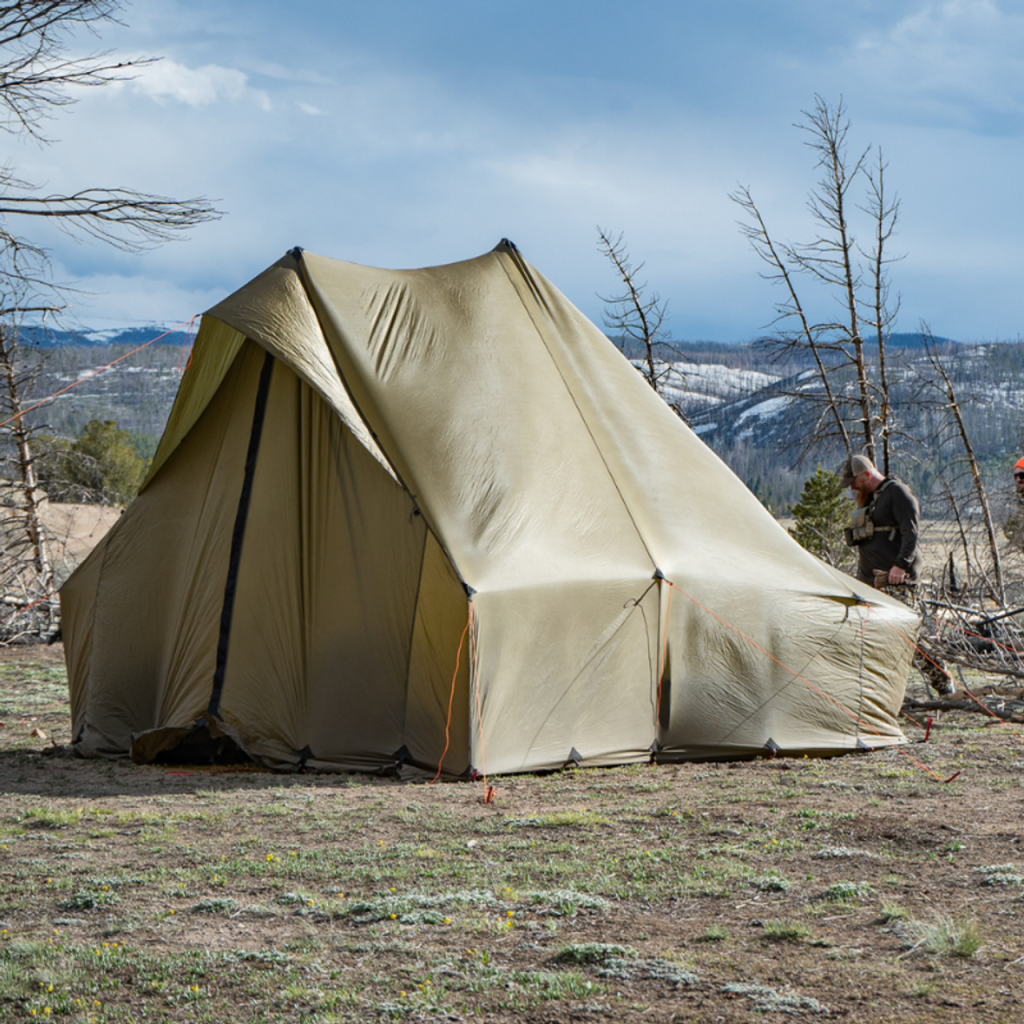
Have you ever wished you could enjoy the great outdoors even when the weather turns cold? Imagine sitting comfortably inside a tent that stays warm, no matter how chilly it gets outside.
That’s exactly what a hot tent offers you. It’s a game-changer for camping, allowing you to stay cozy and safe while surrounded by nature. If you want to learn how a hot tent works and why it might be the perfect addition to your next adventure, keep reading.
Your next camping trip could be warmer and more enjoyable than ever before.
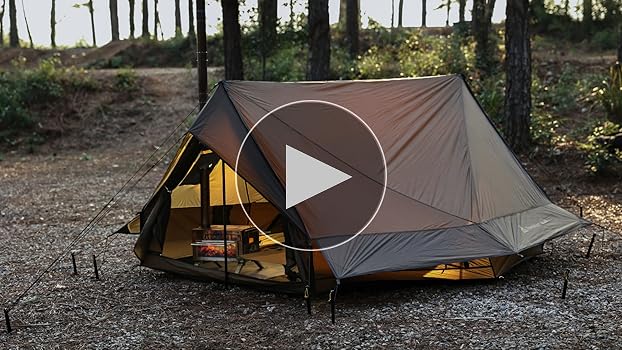
Credit: www.amazon.com
Hot Tent Basics
A hot tent is a special kind of tent designed for cold weather. It has a stove or heat source inside.
People use hot tents for camping in winter or in very cold places. They stay warm and safe inside.
What Makes A Tent Hot
A hot tent has a stove or heater that keeps the air warm inside. The tent material is fire-resistant.
It has a chimney or vent to let smoke out safely. This lets you heat the tent without danger.
- Fireproof fabric to prevent burns
- Stove or heat source inside
- Chimney or vent for smoke
- Sealed design to keep warmth
Types Of Hot Tents
Hot tents come in different shapes and sizes. Each type fits certain camping needs.
Some tents are small for one or two people. Others are big to fit a family or group.
- Pyramid tents:Simple shape, easy to set up
- Bell tents:Round with lots of space inside
- Cabin tents:Tall with straight walls for more room
- Tipi tents:Classic cone shape, very stable
Key Features To Look For
Choose a hot tent with good safety and comfort features. These help you stay warm and safe.
Look for strong materials, easy ventilation, and enough space for your gear and people.
- Fireproof and durable fabric
- Proper stove jack or chimney port
- Good ventilation options to avoid smoke
- Waterproof and windproof design
- Enough room for sleeping and cooking
- Easy to set up and pack

Credit: www.reddit.com
Benefits Of Hot Tents
A hot tent is a special tent designed to be heated safely. It lets campers stay warm in cold weather. This type of tent has a stove jack for a small wood stove.
Using a hot tent has many advantages. It can improve your camping experience in chilly conditions and extend your camping time.
Warmth In Cold Weather
Hot tents keep you warm in freezing temperatures. The wood stove inside heats the tent quickly. This warmth helps prevent cold-related issues like frostbite and hypothermia.
- Maintains a cozy temperature
- Allows comfortable sleep
- Protects against wind and snow
- Reduces need for heavy clothing inside
Extended Camping Seasons
With a hot tent, you can camp beyond summer and fall. It makes winter camping possible and more enjoyable. You can explore nature during colder months safely.
| Season | Camping Comfort |
| Spring | Good without heating |
| Summer | Warm and dry |
| Fall | Cool but manageable |
| Winter | Comfortable with hot tent |
Cooking Inside Safely
Hot tents allow cooking inside without risk. The stove jack vents smoke outside. This setup keeps the air clean and reduces fire danger.
- Heat food without going outside
- Stay warm while cooking
- Protect food from animals
- Cook meals quickly in bad weather
Setting Up A Hot Tent
Setting up a hot tent lets you stay warm while camping in cold weather. It uses a stove inside the tent for heat.
Proper setup is important for safety and comfort. Follow these tips to pitch your hot tent correctly.
Choosing The Right Location
Pick a flat area free of sharp rocks or sticks. Make sure the spot is not too close to trees or dry grass.
Check the wind direction to protect your tent from strong gusts. Avoid low spots that can collect water if it rains.
- Flat and even ground
- Clear of sharp objects
- Safe distance from trees and dry grass
- Protected from strong winds
- Not in a low-lying area
Pitching Tips
Start by spreading out the tent and staking the corners firmly. Pull the tent tight to keep it stable in the wind.
Use guy lines to add extra support. Make sure the door faces away from the wind for easier entry and exit.
- Stake corners tightly
- Pull fabric to remove slack
- Use guy lines for stability
- Face door away from the wind
Installing A Stove
Place the stove on a fireproof mat or platform inside the tent. Make sure the stove pipe goes through the tent’s chimney hole.
Check that the stove pipe fits tightly to prevent smoke leaks. Keep a safe distance between the stove and tent walls to avoid fire risk.
- Use a fireproof base
- Fit the stove pipe through the chimney hole
- Seal pipe joints to stop smoke leaks
- Keep stove away from tent fabric
Safety Tips For Hot Tent Camping
Hot tent camping lets you stay warm in cold weather. It uses a stove inside the tent. This makes safety very important.
Follow these safety tips to enjoy your trip and avoid accidents.
Ventilation And Carbon Monoxide
Good airflow stops carbon monoxide buildup. This gas is dangerous and can cause sickness or death.
- Keep a vent or window open at all times.
- Use carbon monoxide detectors near your sleeping area.
- Do not block airflow around the stove.
- Check stove pipes for leaks before use.
Fire Safety Measures
Fire safety is key in a hot tent. Sparks or heat can start a fire quickly.
| Fire Safety Tips | Reason |
|---|---|
| Keep a fire extinguisher nearby | To put out small fires fast |
| Use a stove with a protective screen | Prevents sparks from escaping |
| Clear the area around the stove | Stops flammable materials from catching fire |
| Never leave the stove unattended | Reduces risk of accidents |
Handling Fuel And Stove Maintenance
Fuel and stove need care to work safely. Poor maintenance can cause leaks or fires.
- Store fuel away from the tent and heat.
- Check fuel lines and connections for cracks or leaks.
- Clean the stove regularly to remove soot and debris.
- Use the fuel type recommended by the stove maker.
- Refill fuel outdoors, not inside the tent.
Popular Hot Tent Models
Hot tents are great for camping in cold weather. They use a stove to keep the inside warm. Many models offer different features and materials.
Choosing the right hot tent depends on your needs. Some focus on durability, others on price or weight. Here are popular models to know about.
Canvas Vs Synthetic Materials
Hot tents come in canvas or synthetic materials. Canvas is thick and strong. It lasts long and handles heat well.
Synthetic tents are lighter and dry faster. They may wear out faster but are easier to carry. Some campers pick synthetic for short trips.
- Canvas tents: heavy, durable, good heat resistance
- Synthetic tents: light, quick drying, less durable
Best Sellers In The Market
Some hot tent models are popular for their quality and features. These tents suit most campers and weather conditions.
- Seek Outside Kodiak Canvas Tent: strong canvas, large space
- White Duck Outdoors Hot Tent: good heat resistance, easy setup
- Redverz Hot Tent: synthetic, lightweight, affordable
- Blackfeet Gear Hot Tent: durable canvas, great ventilation
Budget-friendly Options
Hot tents can be expensive, but some models offer good value. These tents provide warmth without a high price.
- Redverz Hot Tent: affordable, synthetic, decent quality
- Ohuhu Canvas Tent: budget canvas option, sturdy build
- AKto Hot Tent: low price, synthetic material, simple design
- GigaTent Canvas Tent: cheaper canvas, good for mild weather

Credit: gearjunkie.com
Hot Tent Accessories
A hot tent lets you enjoy camping in cold weather. It uses a stove to keep the tent warm. Accessories help make the tent safe and comfortable.
Choosing the right accessories improves your experience. They protect you from heat, keep you warm, and help organize your space.
Stove Pipes And Heat Shields
Stove pipes remove smoke and gases from the stove. They must fit well to keep air clean inside the tent. Heat shields protect the tent fabric from burning.
Heat shields are placed between the stove or pipe and the tent walls. They stop heat damage and reduce fire risk. Use metal or fireproof materials for shields.
- Use stove pipes made of stainless steel
- Check pipe joints for tight seals
- Install heat shields near stove and pipe
- Keep a safe distance between stove and tent fabric
Sleeping Gear For Warmth
Sleeping gear is important for comfort in a hot tent. Use sleeping bags rated for cold weather. Add insulated sleeping pads for extra warmth from the ground.
Wool blankets and liners add layers of warmth. They help trap heat inside your sleeping bag. Choose gear that fits the season and your body size.
- Cold-weather sleeping bags with good insulation
- Foam or inflatable sleeping pads
- Wool blankets or liners
- Warm hats and socks for extra heat retention
Lighting And Storage Solutions
Proper lighting helps you see inside the tent at night. Use battery-powered lanterns or LED lights. Avoid open flames to keep the tent safe.
Storage helps keep your tent organized. Use hanging pockets or shelves to hold gear. This keeps things off the floor and easy to find.
- Battery-operated lanterns or LED string lights
- Hanging storage pockets and shelves
- Waterproof bags for protecting gear
- Hooks for hanging clothes and tools
Tips For Cozy Outdoor Camping
Camping outdoors can be fun and relaxing. Using a hot tent helps keep you warm and comfortable.
Here are some tips to stay cozy while using a hot tent on your camping trip.
Layering And Insulation
Layer your clothing to trap heat and stay warm. Use base, middle, and outer layers for best results.
Insulate the tent floor with foam mats or blankets to block cold from the ground.
- Wear thermal underwear as a base layer
- Add fleece or wool sweaters for insulation
- Use a waterproof outer layer to block wind
- Place thick mats or rugs inside the tent
Keeping Moisture Out
Moisture can make your camping experience cold and uncomfortable. Keep water out of your hot tent.
Ventilate the tent slightly to reduce condensation without losing heat.
- Check the tent seams for leaks
- Use a rainfly or tarp over the tent
- Avoid cooking inside to reduce moisture
- Open vents or windows slightly to let air flow
Maximizing Comfort Inside
Arrange your hot tent so you feel cozy and safe. Use soft bedding and good lighting.
Keep your gear organized to save space and reduce stress.
- Use sleeping bags rated for cold weather
- Add pillows and blankets for extra comfort
- Use battery-powered lights or lanterns
- Store gear in bags or boxes to keep space clear
Frequently Asked Questions
What Is A Hot Tent Used For?
A hot tent is designed for winter camping and cold weather. It uses a stove to provide warmth inside. This allows campers to stay comfortable and safe in freezing temperatures. Hot tents extend camping seasons and improve outdoor experiences in harsh conditions.
How Does A Hot Tent Stay Warm?
A hot tent stays warm using a wood stove or portable heater. The stove’s chimney vents smoke outside while heating the tent’s interior. Insulated walls and proper ventilation help maintain warmth and safety. This setup creates a cozy shelter in cold environments.
Are Hot Tents Safe To Use Indoors?
Hot tents are safe when properly ventilated and used with a stove jack. Ventilation prevents carbon monoxide buildup, ensuring breathable air inside. Users must follow safety guidelines and use carbon monoxide detectors. Proper care minimizes fire and health risks during use.
What Materials Are Hot Tents Made From?
Hot tents are typically made from heavy-duty canvas or fire-retardant polyester. These materials withstand high heat and protect against sparks. They offer durability, insulation, and resistance to harsh weather. Quality fabrics enhance safety and comfort when using a stove inside.
Conclusion
Hot tents offer warmth and comfort in the wild. They are perfect for camping enthusiasts seeking a cozy experience. Designed for cold weather, these tents include a stove jack for heat. This feature ensures campers stay warm during chilly nights.
Hot tents are versatile and easy to set up. They come in various sizes to fit different needs. Adventure seekers appreciate their practicality and comfort. Whether in the mountains or woods, a hot tent enhances any camping trip. It’s a great choice for those wanting warmth and adventure.