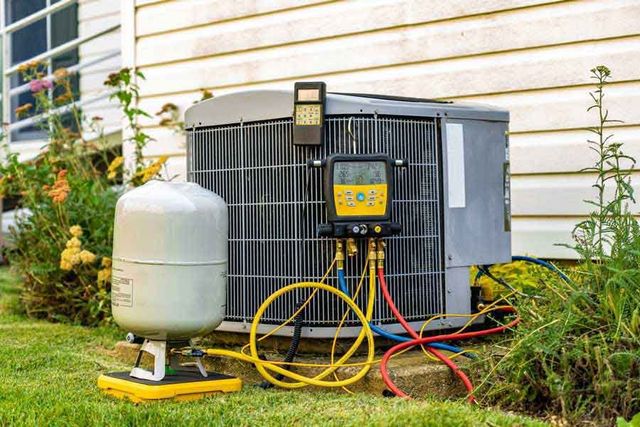
Are you curious about what keeps your air conditioner running smoothly? You might have heard the term “Freon” and wondered if it’s still used in modern air conditioners.
Understanding what’s inside your cooling system can help you make smarter choices for your home and your wallet. You’ll discover the truth about Freon, why it matters to you, and what alternatives are changing the way we stay cool. Keep reading to find out how this affects your comfort and safety all year round.

Credit: atlasacrepair.com
Freon Basics
Many people ask if Freon is still used in air conditioners. Freon has been a key part of cooling systems for decades. It helps move heat from inside to outside, keeping rooms cool.
This section explains what Freon is and its role in air conditioning. Understanding these basics helps you know why Freon mattered and what has changed.
What Is Freon?
Freon is a brand name for a group of chemicals called refrigerants. These chemicals absorb and release heat to cool air. Most Freon types are chlorofluorocarbons (CFCs) or hydrochlorofluorocarbons (HCFCs).
Freon used to be very common in air conditioners and refrigerators. It is safe to handle and works well for cooling. But some types of Freon can harm the environment.
- Freon is a refrigerant chemical
- It helps absorb and release heat
- Common types include CFCs and HCFCs
- It was widely used in cooling systems
- Some types damage the ozone layer
Freon’s Role In Air Conditioning
Freon moves heat from inside a building to the outside. It changes from gas to liquid and back inside the air conditioner. This process cools the air inside your home.
The cooling cycle starts when Freon absorbs heat inside. Then it releases heat outside as it changes form. This cycle repeats to keep your space cool and comfortable.
- Freon absorbs heat inside the building
- It changes from gas to liquid and back
- Heat is released outside the building
- The cycle cools the air inside
- It makes air conditioners work efficiently
Environmental Impact
Freon is a type of refrigerant used in air conditioners. It has affected the environment in many ways. Understanding these effects is important for making better choices.
We will look at how Freon harms the ozone layer and adds to global warming. Both issues show why many countries want to stop using Freon.
Ozone Layer Damage
Freon belongs to a group called CFCs. These chemicals break down the ozone layer in the sky. The ozone layer protects us from the sun’s harmful rays.
When Freon escapes into the air, it rises to the ozone layer. There, it causes holes or thin spots. This lets more UV rays reach the Earth, which can cause skin cancer and other problems.
- Freon destroys ozone molecules
- Ozone layer protects life from UV rays
- Damage leads to more skin cancer and eye problems
Global Warming Concerns
Freon is also a greenhouse gas. It traps heat in the Earth’s atmosphere. This causes the planet to get warmer, a problem called global warming.
Global warming changes weather patterns and melts ice caps. This harms animals and plants. It also affects human life through floods and storms.
- Freon traps heat in the atmosphere
- Rising temperatures cause climate change
- Climate change leads to extreme weather events
Regulations And Bans
Freon is a common name for refrigerants used in air conditioners. Many countries have rules to limit or stop its use. These rules help protect the environment.
This content explains the effects of the Montreal Protocol and the current legal status of Freon. It shows why Freon use is changing worldwide.
Montreal Protocol Effects
The Montreal Protocol is an international agreement signed in 1987. It aims to reduce chemicals that harm the ozone layer, including Freon.
Due to this treaty, many types of Freon, especially CFCs and HCFCs, are being phased out. This has led to new refrigerants being used instead.
- Ban on production of certain Freon types
- Gradual phase-out schedules for older refrigerants
- Encouragement to use eco-friendly alternatives
- Support for recycling and safe disposal
Current Legal Status Of Freon
Freon use is now limited in many countries. New air conditioners mostly use safer refrigerants. Older units with Freon can still be in use but face restrictions.
In some places, technicians need special certification to handle Freon. This helps prevent leaks that can damage the environment.
- Freon production banned or limited in most countries
- Use allowed only for servicing existing equipment
- New systems use alternatives like R-410A or R-32
- Strict rules for handling, recycling, and disposal
Modern Alternatives
Freon was once the main refrigerant in air conditioners. It helped cool homes and cars for many years. Today, newer options replace Freon in many systems.
These new refrigerants work better for the environment and save energy. People want safer and cleaner cooling choices.
New Refrigerant Types
New refrigerants include R-410A, R-32, and natural refrigerants like propane. These options do not harm the ozone layer.
They also have less impact on global warming compared to older Freon types like R-22. Many air conditioners use these newer gases today.
- R-410A: Common in home air conditioners, no ozone damage
- R-32: More efficient and lower global warming effect
- Propane (R-290): Natural, low environmental impact, used in some systems
Benefits Over Freon
Modern refrigerants are safer for the environment. They reduce pollution and help fight climate change.
They also improve air conditioner performance. This means lower energy bills and longer system life.
- No damage to the ozone layer
- Lower global warming potential
- Better energy efficiency
- Safer for people and animals
- Compatible with newer AC systems
Freon In Today’s Air Conditioners
Freon is a common name for refrigerants used in air conditioners. It helps cool the air inside homes and buildings. This topic explores if Freon is still used today.
Many older air conditioners used Freon as their main refrigerant. Newer models may use different chemicals to protect the environment.
Usage In Older Systems
Older air conditioners often used Freon types like R-22. This refrigerant helped cool air effectively. It was popular because it was stable and easy to use.
- R-22 Freon was common before 2010
- It helped remove heat from indoor air
- Freon leaks could harm the ozone layer
- Production of R-22 was phased out due to environmental rules
Presence In New Models
New air conditioners do not use old Freon types like R-22. They use safer refrigerants. These new chemicals have less impact on the environment.
| Refrigerant Type | Used In | Environmental Impact |
|---|---|---|
| R-22 (Freon) | Older air conditioners | High ozone depletion potential |
| R-410A | Newer air conditioners | Zero ozone depletion, but high global warming potential |
| R-32 | Latest models | Low global warming potential |
Handling And Safety
Freon is a type of refrigerant once used in air conditioners. It needs careful handling to avoid harm.
Knowing the right safety steps helps protect you and the environment from damage.
Proper Disposal
Freon must not be released into the air. It can damage the ozone layer and cause pollution.
- Contact certified technicians for Freon removal.
- Use approved containers to store recovered Freon.
- Follow local laws for refrigerant disposal.
- Recycle Freon when possible to reduce waste.
Leak Risks And Precautions
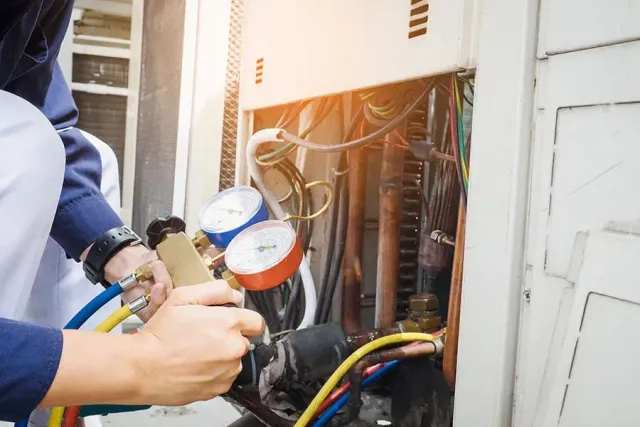
Leaks can cause health risks and reduce cooling efficiency. Detecting leaks early is important.
| Risk | Precaution |
| Skin and eye irritation | Wear gloves and safety goggles |
| Breathing difficulty | Ensure proper ventilation |
| Fire hazard (in some cases) | Avoid open flames near leaks |
| Environmental harm | Fix leaks immediately |
Future Of Air Conditioning Refrigerants
Air conditioning systems need safe and effective refrigerants. Freon was common for many years. New rules now limit its use.
The future focuses on refrigerants that protect the environment. These new options aim to cool homes and offices with less harm.
Emerging Technologies
Scientists create new refrigerants with low global warming potential. These coolants reduce damage to the earth’s atmosphere.
Some systems use natural refrigerants like ammonia and carbon dioxide. These options are safer for the climate and work well.
- Hydrofluoroolefins (HFOs) have low environmental impact
- Natural refrigerants are biodegradable and non-toxic
- Advanced compressors improve energy efficiency
Sustainability Trends
Manufacturers focus on eco-friendly refrigerants to reduce pollution. New laws push for greener air conditioning systems.
Energy-saving designs also lower carbon footprints. Users save money and help protect the planet by using these systems.
- Use of refrigerants with zero ozone depletion
- Recycling and proper disposal of old refrigerants
- Development of systems that use less power

Credit: atlasacrepair.com
Credit: www.iecomfortac.com
Frequently Asked Questions
Do Modern Air Conditioners Still Use Freon?
Most modern air conditioners no longer use Freon. Freon (R-22) was phased out due to environmental harm. Newer systems use eco-friendly refrigerants like R-410A, which are safer for the ozone layer and more energy-efficient.
Why Was Freon Banned In Air Conditioners?
Freon was banned because it depletes the ozone layer. The EPA phased out R-22 refrigerant to protect the environment. Safer alternatives now replace Freon to reduce harmful emissions and comply with global regulations.
Can I Refill My Ac With Freon Today?
Refilling AC with Freon (R-22) is difficult and expensive. Production stopped in 2020, making supplies scarce and costly. It’s better to upgrade to newer refrigerants that are widely available and environmentally friendly.
What Refrigerants Replace Freon In Air Conditioners?
R-410A and R-32 are common Freon replacements. These refrigerants are ozone-friendly and improve cooling efficiency. Most new air conditioners use these alternatives to meet environmental and energy standards.
Conclusion
Freon in air conditioners? It’s fading away. New refrigerants take its place. They are safer for the environment. They also meet current regulations. Using modern air conditioners can save energy. They also reduce pollution. Older units may still have Freon.
Consider upgrading them. It’s better for your wallet and the planet. Always consult a professional for changes. Stay informed about your options. This ensures you make the best choice. Your comfort and safety matter. Choose wisely for a cooler, greener future.