Have you ever wished you could see every angle around your car with just one glance? A 360 car camera makes that possible, giving you a clear, all-around view to park safely and avoid blind spots.
But how exactly does this technology work? Understanding how a 360 car camera operates can change the way you drive, making your journeys smoother and safer. Keep reading, and you’ll discover the simple secrets behind this powerful tool that can protect you and your vehicle every time you hit the road.
Basics Of 360 Car Cameras
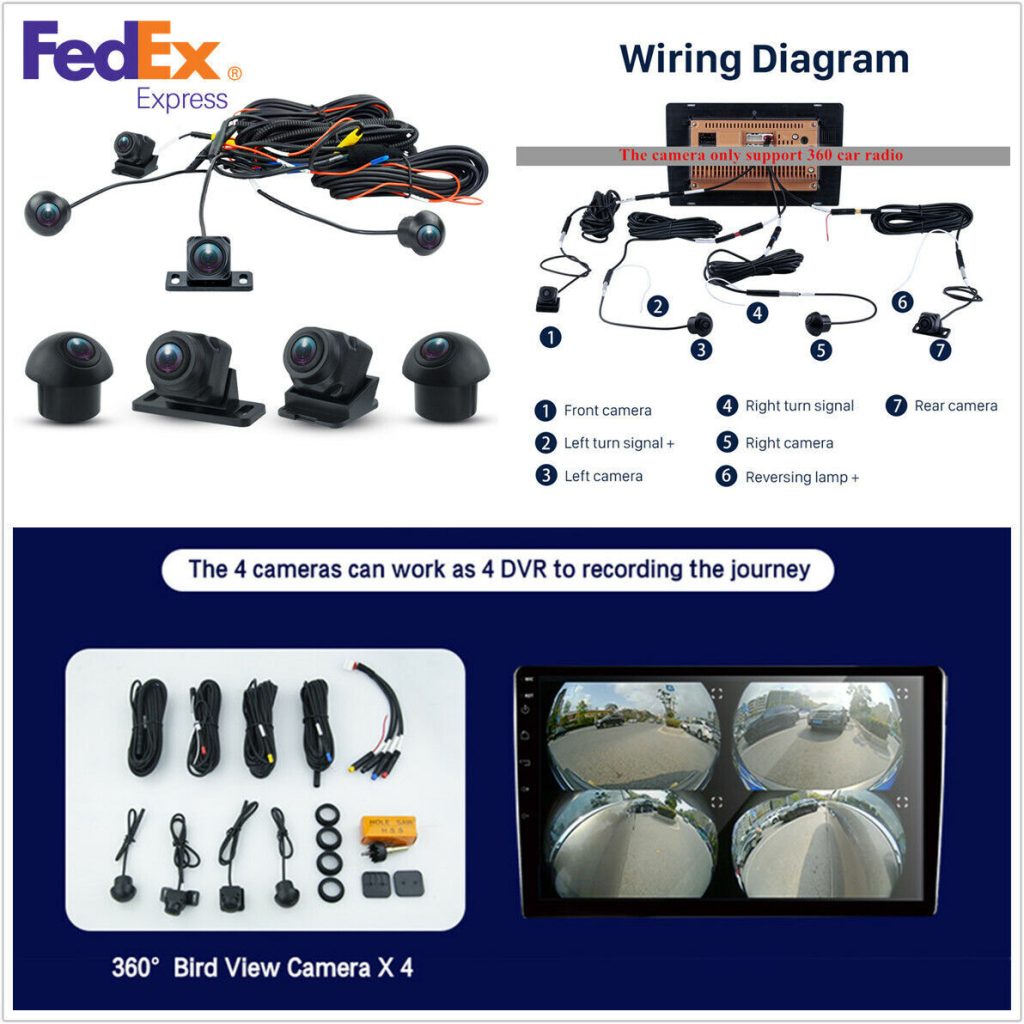
A 360 car camera helps drivers see all around their vehicle. It gives a bird’s eye view to avoid blind spots. This camera system uses several small cameras placed on the car.
The images from these cameras combine to form a single view. This view shows everything near the car on the screen inside the vehicle. It makes parking and driving safer.
Key Components
The 360 car camera system has several important parts. Each part plays a role in creating the full view around the car.
- Cameras:Small cameras placed on the front, back, and sides of the car.
- Processor:Combines images from all cameras into one view.
- Display screen:Shows the combined image inside the car for the driver.
- Wiring and sensors:Connect cameras and help detect obstacles.
Types Of Cameras Used
Different cameras are used to capture wide views around the car. Each camera type has a special purpose.
- Wide-angle cameras:Capture a large area with one shot.
- Fish-eye cameras:Provide a very wide view, usually 180 degrees or more.
- Standard cameras:Show clear, detailed images for close objects.
How The System Captures Images
A 360 car camera system uses multiple cameras to create a full view around the vehicle. It captures images from all sides and combines them into one picture.
The system helps drivers see blind spots and nearby objects by showing a complete image. It works by placing cameras in key spots around the car.
Camera Placement Around The Vehicle
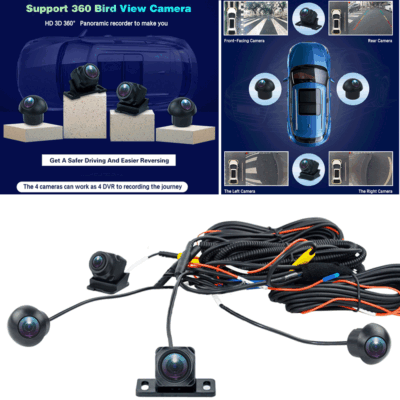
Cameras are placed at points that give the best view around the car. Common spots include the front, rear, and both side mirrors.
These locations let the system capture clear images from all directions. The cameras are usually small and hidden to avoid damage.
- Front bumper
- Rear bumper
- Left side mirror
- Right side mirror
Field Of View And Coverage
Each camera has a wide field of view to cover as much area as possible. They use wide-angle lenses to capture large scenes.
The system stitches images from all cameras to make one clear, 360-degree view. This helps drivers see everything around the car without moving their heads.
- Wide-angle lenses capture broad scenes
- Images overlap for smooth stitching
- Combined image shows full surroundings
- Helps avoid blind spots
Image Stitching Technology
A 360 car camera uses multiple small cameras placed around the car. Each camera captures a part of the car’s surroundings.
Image stitching technology combines these separate views into one wide image. This helps drivers see everything around the car clearly.
Combining Multiple Views
The system takes images from several cameras at the same time. These cameras cover different angles around the car.
Special software processes these images to align and merge them. It matches edges and details to create one big picture.
- Cameras capture front, rear, and sides of the car
- Software detects overlapping areas between images
- Images are adjusted to correct size and angle differences
- All views are blended to avoid gaps or overlaps
Creating A Seamless 360-degree Image
The stitched image shows a full view around the car. It looks like a single photo with no breaks or lines.
The software removes any visible seams. It also balances colors and brightness to keep the image natural.
- Seams between camera views are hidden carefully
- Colors and lighting are matched for smooth transitions
- The final image updates in real-time as the car moves
- Drivers get a clear and complete view of their surroundings
Real-time Processing
A 360 car camera shows a full view around the vehicle. It uses real-time processing to combine images from many cameras. This helps drivers see all sides at once.
The system works fast to avoid delay. This lets drivers react quickly to obstacles and park safely.
Hardware Involved
The 360 car camera system needs several hardware parts. Each part plays a key role in capturing and showing the view.
There are usually four small cameras placed around the car. These cameras capture wide-angle images from different sides.
- Four wide-angle cameras mounted on the front, rear, and sides
- A central processing unit (CPU) that handles image data
- High-speed data cables to send video to the CPU
- A display screen inside the car to show the combined image
Software Algorithms
Software algorithms take the images from each camera. They stitch these images into one seamless view. This process happens in real-time.
The algorithms correct distortions from the camera lenses. They also match edges so the image looks smooth and continuous.
- Image stitching to combine multiple camera views
- Lens distortion correction for clear pictures
- Edge blending to avoid visible lines between images
- Object detection to alert the driver about obstacles
Displaying The 360 View
The 360 car camera system shows a complete view around your vehicle. It uses multiple cameras placed at different points on the car. These cameras send video feeds to a central display screen inside the car.
The system stitches these images to create one seamless, bird’s-eye view. This view helps drivers see obstacles and surroundings clearly, making parking and driving safer.
Screen Interfaces
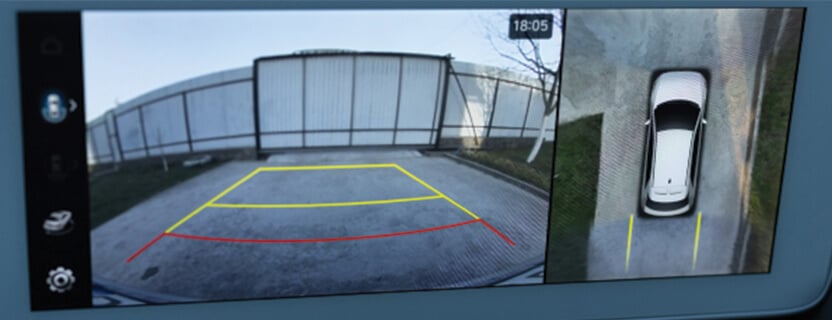
The 360 view appears on the car’s main display screen. This screen shows the stitched image in real-time. Drivers can see the entire area around the car from above.
- Main display shows the 360-degree image.
- Some systems offer split views with front, rear, and side cameras.
- Grid lines often appear to help judge distance.
- Image brightness and contrast adjust to lighting conditions.
User Controls And Interaction
Drivers can control the 360 view using buttons or touch controls. These controls help change the view angle and zoom level. Interaction is simple to keep focus on driving.
| Control Type | Function |
| Touchscreen | Swipe to change camera views |
| Physical Buttons | Switch between 360 view and single cameras |
| Rotary Knob | Zoom in and out on the view |
| Voice Commands | Activate or hide the 360 view |

Credit: www.youtube.com
Benefits Of 360 Car Cameras
360 car cameras give drivers a full view around their vehicle. They use multiple cameras to create a single image.
This helps drivers see areas they usually cannot. It improves safety and makes driving easier.
Enhanced Safety
360 car cameras reduce accidents by showing all angles around the car. Drivers spot obstacles faster.
The system helps avoid collisions with objects, pedestrians, and other cars. It works well in tight spaces.
Parking Assistance
These cameras make parking easier and safer. Drivers get a bird’s eye view of the parking spot.
This view helps avoid hitting curbs, poles, or other cars. It also helps with parallel parking tasks.
Blind Spot Reduction
360 cameras show areas beside and behind the car that are hard to see. This reduces blind spots.
Drivers can change lanes safely because they see other vehicles in these spots clearly. It lowers crash risks.
Limitations And Challenges
360 car cameras give drivers a wide view around the car. They help with parking and safety. Still, these cameras have some limits and challenges.
Knowing these issues helps drivers use the system better and stay safe on the road.
Image Distortion Issues
360 car cameras use wide-angle lenses to show a full view. This can cause image distortion. The edges of the picture may look curved or stretched.
Distortion can make it hard to judge distances or see small objects clearly. It may confuse drivers about how close things really are.
Weather And Lighting Conditions
Bad weather like rain, snow, or fog can block camera lenses. This reduces image clarity and can hide obstacles. Low light or bright sunlight can also affect camera performance.
Strong glare or shadows may create blind spots or false images. The camera may not work well in all weather or lighting conditions.
- Rain and snow cover lenses
- Fog reduces visibility
- Bright sun causes glare
- Low light limits image details
Maintenance And Calibration
360 cameras need regular cleaning to remove dirt and dust. Dirty lenses reduce image quality. Calibration keeps the images accurate and aligned.
If cameras are not calibrated correctly, the view may be off. This can lead to wrong distance or position estimates. Maintenance is important to keep the system reliable.
Credit: www.ebay.com
Future Innovations
The 360 car camera is changing fast. New technology will make it clearer and smarter. These changes will help drivers see better around their cars.
Next steps include better cameras, links to self-driving cars, and smart software. These will make 360 cameras more useful and safer.
Improved Resolution And Sensors
Cameras will have higher resolution soon. This means sharper images and better detail. New sensors will work better in low light and bad weather.
- 4K and higher video quality
- Infrared sensors for night vision
- Wide dynamic range to handle bright and dark spots
- Smaller, more flexible camera designs
Integration With Autonomous Driving
360 cameras will connect with self-driving systems. They will share data to help cars move safely. This will improve how cars understand their surroundings.
| Feature | Benefit |
| Real-time obstacle detection | Avoid crashes |
| Surround view mapping | Better navigation |
| Speed and distance measurement | Safe driving decisions |
| Data sharing with other sensors | Complete environment awareness |
Ai And Machine Learning Enhancements
AI will help 360 cameras recognize objects and people. It will learn from the environment to improve alerts. This makes driving easier and safer.
- Automatic hazard detection and warnings
- Adaptive image processing for clearer views
- Learning driver habits to reduce false alarms
- Predictive analysis for potential dangers
Credit: www.edge-ai-vision.com
Frequently Asked Questions
How Does A 360 Car Camera Capture All Angles?
A 360 car camera uses multiple wide-angle lenses around the vehicle. These lenses capture images simultaneously. The system stitches them into a seamless bird’s-eye view. This helps drivers see all surrounding areas clearly, enhancing safety and parking precision.
What Technology Enables A 360 Car Camera System?
The system relies on fisheye cameras combined with image processing software. It corrects distortion and merges footage into one panoramic view. Advanced algorithms ensure real-time, accurate visual feedback. This technology reduces blind spots and improves driver awareness.
Can 360 Car Cameras Improve Parking Safety?
Yes, they provide a complete view of the vehicle’s surroundings. This helps avoid obstacles, pedestrians, and tight spots. The system reduces parking accidents and increases confidence in maneuvering. It’s especially useful in crowded or narrow spaces.
Do 360 Car Cameras Work In Low Light Or Bad Weather?
Most 360 car cameras include night vision and weather-resistant features. Infrared sensors and enhanced image processing improve visibility in darkness. Waterproof casings protect cameras from rain and dust. This ensures reliable performance in various conditions.
Conclusion
A 360 car camera offers enhanced safety and convenience. It provides a full view around the vehicle. This technology helps drivers avoid accidents and park easily. With clear images, it reduces blind spots. Installation is simple, and the benefits are clear.
The camera captures all angles, ensuring nothing is missed. Its use can prevent collisions and improve driving confidence. Consider this tool for a safer driving experience. Easy to use, it supports both new and experienced drivers. A smart choice for anyone seeking extra security on the road.