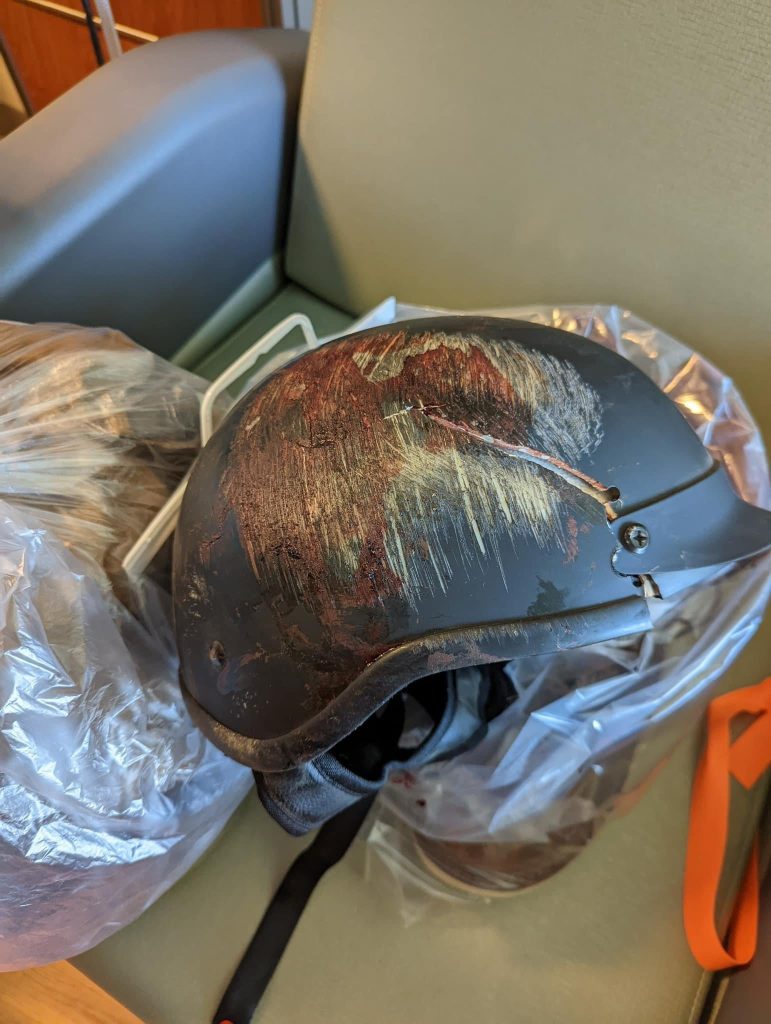
Your bike helmet is your best defense on the road or trail. But how do you know when it’s time to replace it?
Wearing a damaged or old helmet can put your safety at serious risk. You might think a helmet looks fine on the outside, but inside, its protection could be gone. Keep reading to discover the signs that tell you it’s time for a new helmet—and how to keep yourself safe every time you ride.

Credit: www.news4jax.com
Signs Your Helmet Needs Replacing
Your bike helmet protects your head during accidents. It is important to know when it needs replacing. A damaged or old helmet may not keep you safe.
Look for clear signs that show your helmet is no longer reliable. These signs help you decide if it is time to buy a new one.
Visible Cracks And Damage
Check your helmet for any cracks or dents on the shell. These signs mean the helmet has been weakened. Even small cracks can reduce protection during a crash.
Also look inside the helmet for crushed foam or broken parts. These damages can stop the helmet from absorbing impact well.
- Cracks on the outer shell
- Dents or deep scratches
- Crushed or compressed foam inside
- Loose or broken straps and buckles
Helmet Age And Lifespan
Helmets wear out over time. Most manufacturers say helmets last about five years. After this, materials get weaker even if you do not see damage.
Replace your helmet if it is older than five years. Sweat, sun, and dirt can also break down the helmet parts.
- Typical helmet lifespan is five years
- Replace after five years even if no damage is visible
- Exposure to sunlight and sweat can age the helmet faster
Impact History
Any crash or hard impact can damage your helmet. Even if it looks fine, the inside foam may be broken. This reduces the helmet’s ability to protect your head next time.
Always replace your helmet after a big fall or hit. Do not try to repair it or keep using it.
- Replace helmet after any crash or hard impact
- Do not reuse helmets with unknown impact history
- Check helmet carefully if you hit your head while wearing it
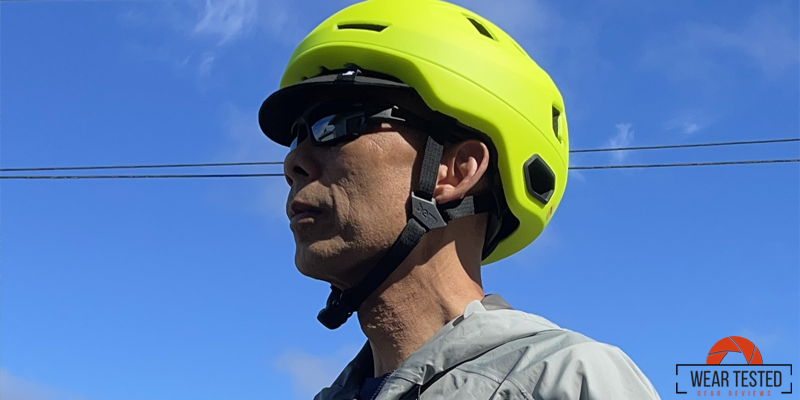
Credit: bernhelmets.com
Risks Of Using An Old Helmet
Using an old bike helmet can put you at serious risk. Helmets wear out over time and lose their ability to protect your head.
It is important to know why helmets need replacing. This helps keep you safe while riding.
Reduced Impact Protection
Old helmets lose their power to absorb shocks. This means they cannot protect your head well during a crash.
- Foam inside the helmet breaks down after impact or over time.
- Cracks or dents reduce the helmet’s ability to spread force.
- Straps and buckles may weaken, causing poor fit.
- Worn padding reduces comfort and safety.
Material Degradation Over Time
Helmet materials change with age and use. Sunlight, sweat, and weather wear the helmet down.
| Material | Effect of Aging |
| Expanded Polystyrene Foam | Becomes brittle and less absorbent |
| Plastic Shell | Cracks or warps from UV rays |
| Straps | Lose strength and elasticity |
| Padding | Breaks down and loses shape |
Helmet Safety Standards To Check
Knowing when to replace a bike helmet is important for your safety. Helmets lose their protection after impacts or over time.
Check the safety standards and certifications on your helmet. These labels show it meets safety rules.
Certification Labels
Certification labels prove the helmet passed safety tests. Look for these labels inside the helmet or on the packaging.
- CPSC (Consumer Product Safety Commission) is required in the USA.
- CE EN 1078 is common in Europe.
- Snell certification shows high safety standards.
- ASTM labels are also used for bike helmets.
If your helmet does not have a certification label, it may not protect well. Replace helmets without these marks.
Updated Safety Features
New helmets often have better safety features than old ones. Check for these updates before replacing your helmet.
- Multi-directional Impact Protection System (MIPS) reduces brain rotation.
- Improved foam materials absorb shocks better.
- Stronger outer shells protect against cracks.
- Better ventilation keeps your head cool.
Choose a helmet with updated features for better safety. Replace old helmets that lack these improvements.

Credit: road.cc
Tips For Choosing A New Helmet
Choosing a new bike helmet is important for your safety. A good helmet fits well, feels comfortable, and protects your head.
Use these tips to find a helmet that suits you best. Look at fit, ventilation, and style to make a smart choice.
Proper Fit And Comfort
A helmet must fit your head snugly without pressure points. Check that it stays in place when you move your head.
- Measure your head size before buying
- Try on helmets and adjust straps
- Wear the helmet for a few minutes to test comfort
- Avoid helmets that feel too tight or too loose
Ventilation And Weight
Good airflow keeps you cool on long rides. A lighter helmet reduces neck strain and feels better to wear.
| Feature | Benefit |
| Large vents | Better air circulation |
| Lightweight materials | Less fatigue during rides |
| Proper padding | Comfort and sweat absorption |
Style And Visibility
Choose a helmet style that you like and feel confident wearing. Bright colors and reflective elements increase your visibility to others.
Check these style tips:
- Pick colors that stand out in daylight
- Look for reflective stickers or strips
- Make sure the design fits your riding type
Maintaining Your Helmet For Longevity
Keeping your bike helmet in good shape helps it last longer. Proper care keeps it safe and comfortable to wear.
Simple maintenance tasks can prevent damage and wear. This guide shows how to clean, store, and check your helmet.
Cleaning And Storage
Clean your helmet regularly to remove dirt and sweat. Use mild soap and water with a soft cloth. Avoid harsh chemicals that can weaken the materials.
Store your helmet in a cool, dry place away from direct sunlight. Heat and moisture can damage the helmet’s materials over time.
- Use a soft cloth or sponge for cleaning
- Do not soak the helmet in water
- Keep the helmet away from heat sources
- Store on a shelf or in a bag to avoid drops
Regular Inspections
Check your helmet often for cracks, dents, or loose parts. These signs mean it might not protect you well anymore.
Look at the straps and buckles too. Make sure they are not worn out and work properly.
- Inspect the outer shell for cracks or deep scratches
- Check the foam inside for dents or breaks
- Test the straps for fraying or weakness
- Ensure buckles fasten securely
Frequently Asked Questions
When Should I Replace My Bike Helmet After A Crash?
You should replace your bike helmet immediately after any crash. Even minor impacts can cause invisible damage to the helmet’s protective foam. Using a damaged helmet reduces safety and increases injury risk during future rides.
How Often Should A Bike Helmet Be Replaced?
Replace your bike helmet every 3 to 5 years. Over time, materials degrade due to sweat, sunlight, and wear. Regular replacement ensures maximum protection and meets current safety standards.
Can I Keep Using A Bike Helmet With Visible Cracks?
No, never use a helmet with visible cracks or dents. Cracks weaken the helmet’s structure and reduce its ability to absorb impact. Always replace damaged helmets for your safety.
Does Helmet Expiration Date Matter For Replacement?
Yes, helmet expiration dates matter. Manufacturers recommend replacing helmets after 3 to 5 years regardless of use. Expired helmets may lose protective properties, so check the date and replace accordingly.
Conclusion
Replacing your bike helmet keeps you safe. Helmets wear out over time. Impacts can damage them. Check for cracks or dents often. Replace if you crash or drop it. Age matters, too. Change it every five years. A helmet protects your head.
Stay alert and ride confidently. Investing in a new helmet is smart. Your safety comes first. Always choose the right fit. A well-fitted helmet is crucial. Remember, a good helmet can save lives. Make it a priority. Keep riding, but ride safe.