Have you ever wondered if your air conditioner is set to the perfect temperature? Setting it too low can make your energy bills skyrocket, while setting it too high might leave you feeling uncomfortable and sticky.
Finding the right balance is key to staying cool, saving money, and keeping your home comfortable all summer long. You’ll discover the ideal temperature to set your air conditioner so you can enjoy the perfect indoor climate without wasting energy or cash.
Keep reading to learn how a simple adjustment can make a big difference for you and your home.
Credit: heatable.co.uk
Ideal Ac Temperature
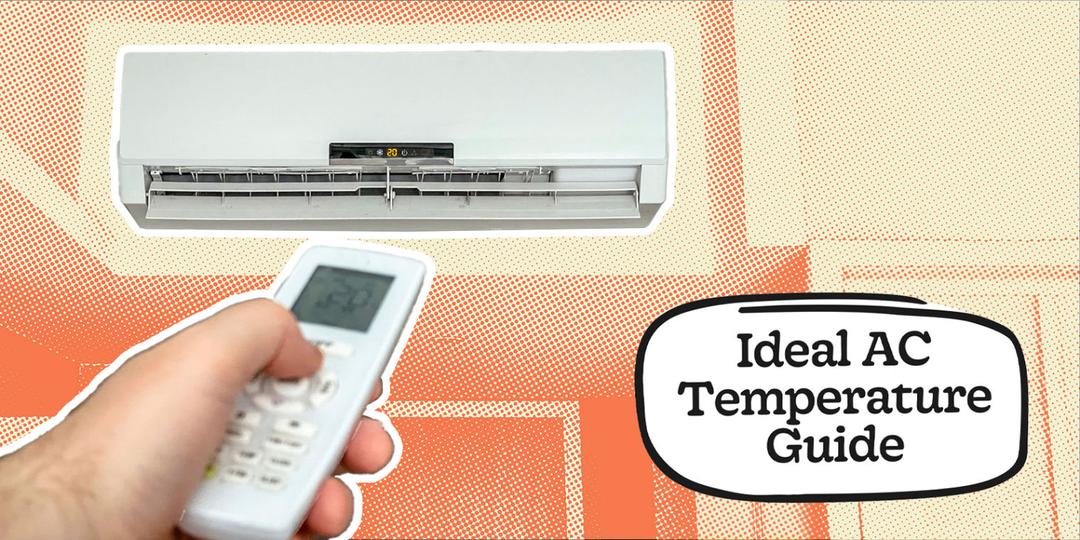
Setting your air conditioner to 78°F (25-26°C)is ideal for comfort and energy savings. This temperature keeps your home cool without using too much power. During hotter days, you might want to lower it slightly but avoid going below 72°F.
Energy efficiency improves when you set the AC higher. Each degree lower can increase electricity use by about 6-8%. Use fans to help cool rooms faster and allow you to keep the AC at a higher temperature.
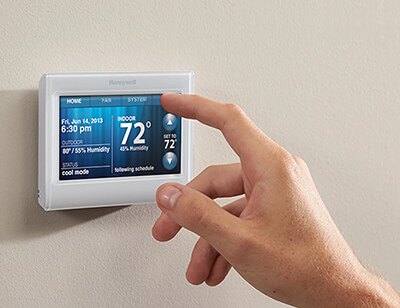
Balancing comfort and savings means adjusting the thermostat when you are home and raising it when away. Programmable thermostats can help with this. Also, keeping doors and windows closed helps maintain the cool air inside.
Credit: gulfshorecooling.com
Factors Influencing Ac Settings
Outdoor weatheraffects the air conditioner’s efficiency. Hotter days need cooler settings to keep the room comfortable. On cooler days, a higher temperature setting saves energy. Humidity also plays a big role; higher humidity makes the air feel warmer, so lower settings might be needed. Dry days allow for slightly warmer settings.
Room size and layout change how cool the space feels. Larger rooms require the AC to work harder and might need lower temperatures. Open layouts let cool air spread better, while small or crowded rooms may feel warmer, needing cooler settings.
| Factor | Effect on AC Setting |
|---|---|
| Outdoor Weather | Hot weather needs cooler settings; cooler weather allows higher settings |
| Room Size | Larger rooms need lower temperatures for comfort |
| Room Layout | Open layouts cool evenly; closed rooms may need cooler settings |
| Humidity Levels | High humidity requires lower temperature for comfort |
Temperature Settings For Different Situations
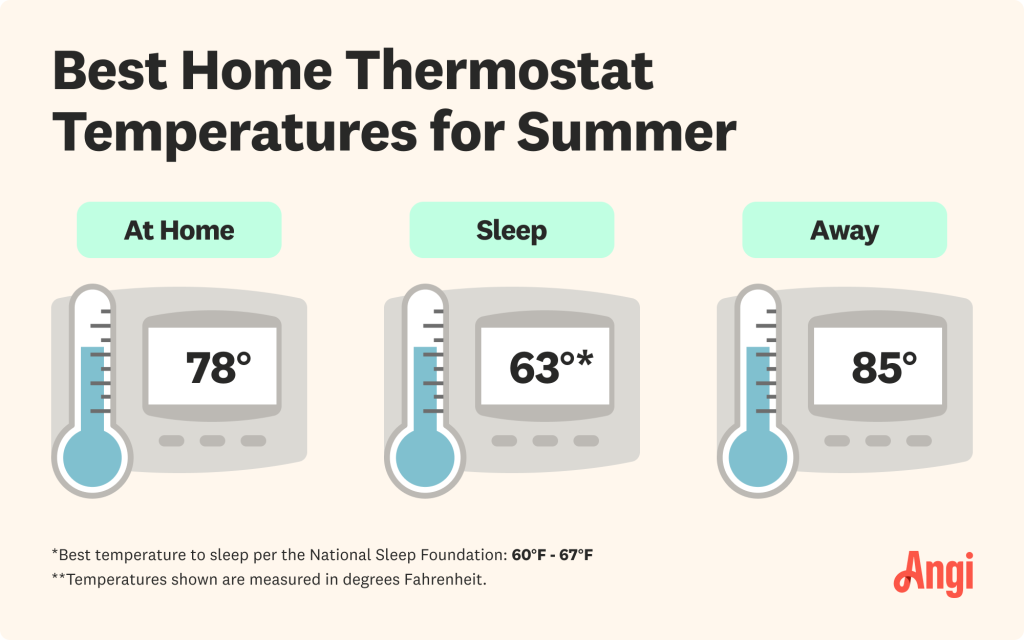
Daytime Coolingshould be set between 72°F and 78°F. This range keeps your home cool and saves energy. Setting the temperature lower wastes power and does not cool faster.
Nighttime Adjustmentscan help you sleep better. Set your air conditioner around 78°F to 80°F. Cooler air is not needed while you sleep, and this saves energy.
When You’re Away, increase the temperature to 85°F or higher. This prevents the system from running too much. It saves money and energy while keeping your home safe.
Effects Of Incorrect Temperature Settings
Incorrect temperature settings cause many problems in your home and on your AC unit. Setting the temperature too low or too high can lead to increased energy bills. The air conditioner works harder, using more electricity, which raises your costs.
Constantly changing the temperature or keeping it very cold causes wear and tear on the AC unit. This can shorten the life of your system and lead to costly repairs.
Wrong settings also affect indoor air quality. Poor air circulation can cause stuffy air, mold growth, or high humidity. This can make breathing uncomfortable and unhealthy.
Smart Thermostats And Automation
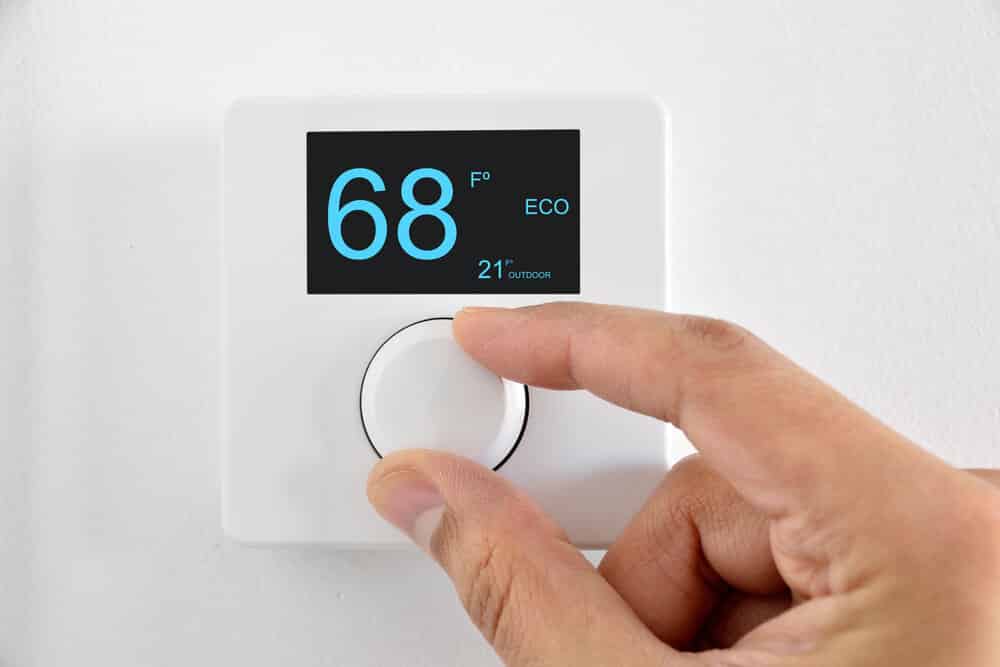
Smart thermostatshelp save energy by adjusting temperatures automatically. They learn your daily schedule and set the best temperature for comfort and savings.
With temperature scheduling, your air conditioner changes settings at different times. For example, it can cool less when you are not home.
Remote accesslets you control the thermostat from your phone. You can change the temperature anytime, even if you are away.
- Save money by using less energy
- Keep your home comfortable all day
- Control the system from anywhere
- Adjust settings easily without manual effort
Credit: fischerheating.com
Tips To Optimize Ac Performance
Regular maintenancekeeps your AC running smoothly. Clean or replace filters every month. Dirt blocks airflow and reduces cooling. Check coils and fins for dust and debris. Clear drains to avoid water damage. A well-maintained AC uses less energyand cools better.
Sealing and insulationstop cool air from escaping. Seal cracks around windows and doors. Add weather stripping or caulking to keep air inside. Good insulation in walls and attic helps maintain a steady temperature. This saves energy and lowers bills.
Using fans helps circulate cool airevenly. Ceiling fans or portable fans push cool air around rooms. This makes you feel cooler without lowering the thermostat. Fans use less electricity than AC units. Run fans with AC to boost comfort and save power.
Frequently Asked Questions
What Is The Ideal Temperature For Air Conditioner Settings?
The ideal temperature is around 78°F (25-26°C) for comfort and energy efficiency. This balances cooling and electricity use well.
How Does Temperature Setting Affect Energy Bills?
Lowering the temperature increases energy consumption. Setting your AC at 78°F saves money while keeping the room comfortably cool.
Should I Adjust Ac Temperature When Not Home?
Yes, increase the temperature by 7-10°F when away. This reduces energy use without sacrificing comfort when you return.
Can Too Low Ac Temperature Harm The Unit?
Yes, setting the AC too low causes strain and higher wear. Maintain recommended temperatures for longer AC life and efficiency.
Conclusion
Setting the right AC temperature saves energy and keeps you comfortable. Aim for 78°F in summer for efficiency. Adjust slightly for personal comfort. Every degree counts in cutting costs. Try using fans to circulate air better. Regular maintenance improves performance and longevity.
Check and replace filters often. Monitor outdoor conditions to optimize indoor settings. It’s about balancing comfort and energy use. Experiment to find what suits your lifestyle best. Stay cool, save money, and enjoy your ideal home climate.