Are you tired of seeing your electricity bill skyrocket every summer? Your air conditioner might be the main reason.
But what if you could keep your home cool and comfortable without wasting energy or money? Learning how to save energy with your air conditioner not only cuts costs but also helps the environment. You’ll discover simple, effective tips that anyone can use right now.
Ready to make your AC work smarter, not harder? Keep reading to unlock easy ways to save energy and enjoy a cooler home.
Choose Energy-efficient Models
Saving energy with your air conditioner starts by picking the right model. Energy-efficient units use less power to cool your home.
Choosing the best model helps reduce your electricity bills and protects the environment.
Look For Energy Star Certification
Energy Star certified air conditioners meet strict energy-saving guidelines. They use less energy than standard models.
Choosing an Energy Star unit ensures you buy a product that saves money and reduces pollution.
Compare Seer Ratings
The SEER rating tells how efficient an air conditioner is. A higher SEER means better energy savings.
Look for models with SEER ratings of 14 or more. This helps lower your energy use and costs.
- SEER 13-14: Basic efficiency
- SEER 15-17: Good efficiency
- SEER 18+: Excellent efficiency
Consider Inverter Technology
Inverter air conditioners adjust their speed to cool your home. They use less energy than traditional units.
This technology keeps temperatures steady and lowers power use by running at different speeds.
Optimize Thermostat Settings
Saving energy with your air conditioner starts with setting the thermostat right. Small changes can reduce power use.
Adjust your thermostat to cool your home without wasting energy. This helps lower your bills and saves the environment.
Set Higher Temperatures When Away
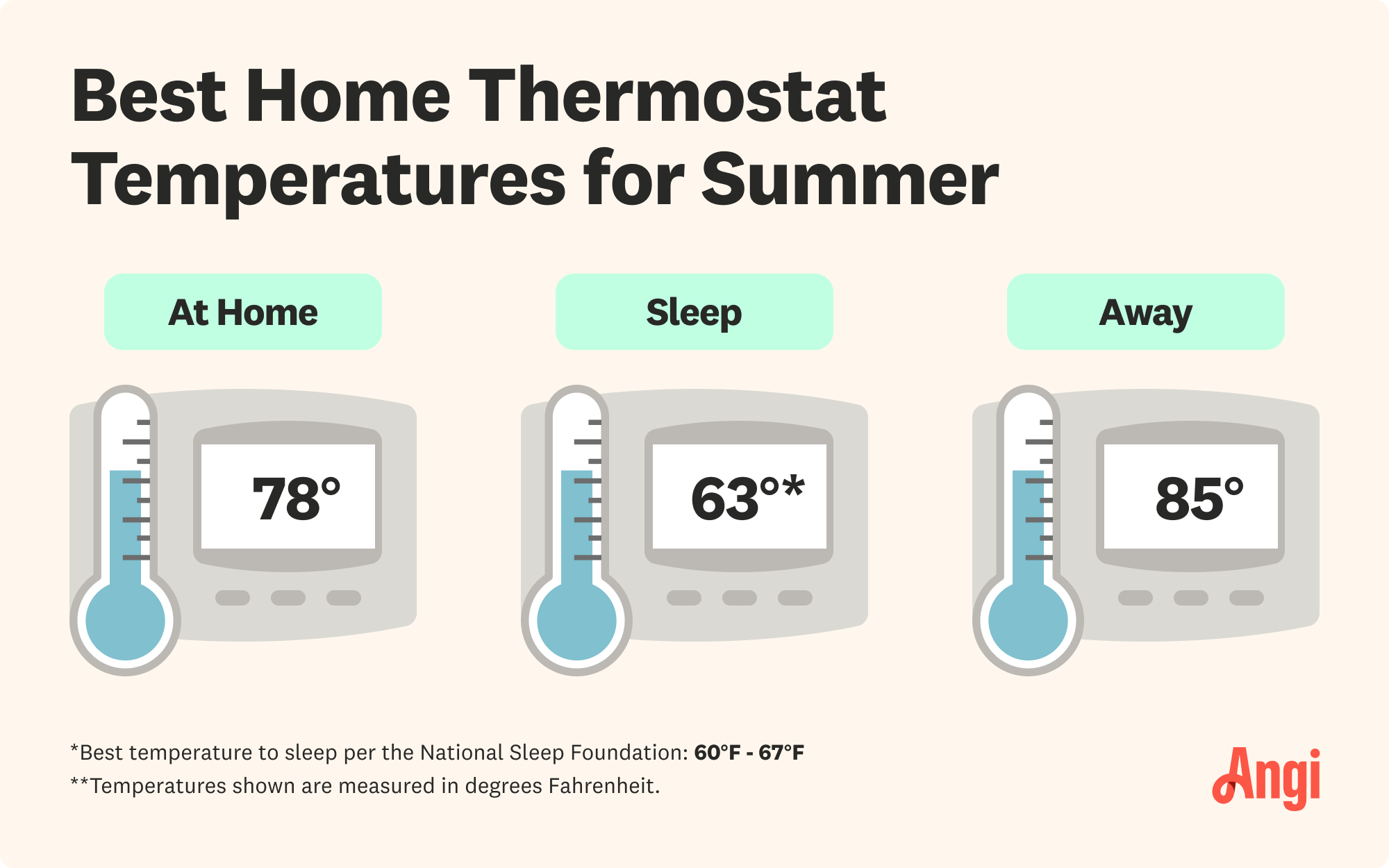
Set your thermostat to a higher temperature when no one is home. This reduces the air conditioner’s work.
Keep the temperature comfortable, but avoid cooling an empty house. This saves energy and money.
- Raise the temperature by 5-8 degrees when away
- Keep rooms closed if possible
- Lower the temperature again before you return
Use Programmable Thermostats
Programmable thermostats let you plan temperature changes automatically. This avoids cooling when you do not need it.
Set your thermostat to cool your home only during certain hours. This keeps energy use low without losing comfort.
- Program different temperatures for day and night
- Set weekdays and weekends separately
- Use vacation mode for long trips
Avoid Frequent Temperature Changes
Changing the thermostat often makes your air conditioner work harder. This wastes energy and may cause wear.
Keep the temperature steady. Set it once and avoid adjusting it many times a day.
- Choose a comfortable temperature and keep it
- Use fans to help with air flow
- Wear light clothes to feel cooler
Maintain Your Air Conditioner
Keeping your air conditioner in good shape saves energy and lowers bills. Regular care helps it run well and last longer.
Simple tasks can keep your AC working efficiently. Focus on cleaning, checking parts, and making sure it uses the right amount of refrigerant.
Clean Or Replace Filters Regularly
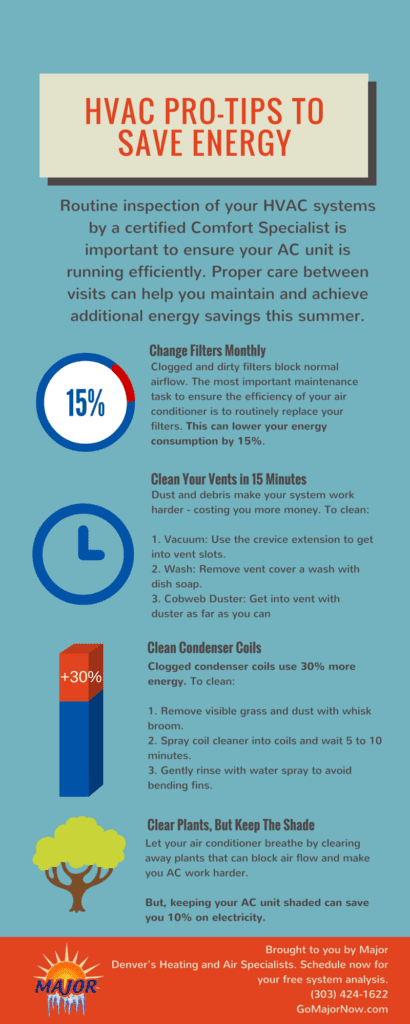
Dirty filters block airflow and make your AC work harder. Clean or replace filters every 1 to 3 months to keep air flowing well.
Check your filters more often if you have pets or live in a dusty area. This helps your unit cool better and saves energy.
Inspect And Clean Coils
Coils collect dirt over time, which reduces cooling ability. Clean the evaporator and condenser coils yearly to keep them working well.
Dirty coils make your AC use more power. Regular cleaning helps it cool your home without extra energy.
Check Refrigerant Levels
Refrigerant is the fluid that cools your air. If levels are too low, your AC cannot cool properly and wastes energy.
Have a professional check and refill refrigerant if needed. This keeps your air conditioner running smoothly and saves power.
Credit: www.angi.com
Improve Home Insulation
Good home insulation helps keep cool air inside. It lowers the air conditioner’s work.
Better insulation saves energy and reduces your electricity bills.
Seal Windows And Doors
Windows and doors can let warm air into your home. Sealing them stops air leaks.
Use caulk or sealant to close gaps around frames. Check for cracks often.
- Inspect window and door edges
- Apply caulk or sealant on cracks
- Replace damaged weather seals
Use Curtains And Blinds
Curtains and blinds block sunlight and heat. They keep rooms cooler during hot days.
Choose thick or reflective curtains for better cooling effect. Close them when the sun shines.
- Use blackout curtains in sunny rooms
- Close blinds during peak heat
- Open curtains at night to cool rooms
Add Weatherstripping
Weatherstripping fills gaps around doors and windows. It stops warm air from entering.
Install weatherstripping strips on door edges. Replace old or worn strips for best results.
- Measure gaps before buying strips
- Choose the right weatherstripping type
- Press strips firmly to seal edges
Enhance Airflow And Ventilation
Improving airflow and ventilation helps your air conditioner work better. It reduces energy use and keeps your home comfortable.
Use simple methods to boost air movement. This makes your cooling system more efficient and lowers electricity bills.
Use Fans To Circulate Air
Fans help spread cool air from your air conditioner. They move air around rooms to keep temperatures even. Using fans reduces the load on your AC unit.
- Use ceiling fans to push air down.
- Place standing fans near vents to spread cool air.
- Run fans only when rooms are occupied.
- Turn fans off when you leave to save energy.
Keep Vents Unobstructed
Clear vents allow air to flow freely. Blocked vents make your AC work harder and waste energy. Check vents often and remove anything in front of them.
| Common Obstructions | Fix |
| Furniture | Move away from vents |
| Dust and debris | Clean regularly |
| Closed vents | Open fully |
| Rugs or curtains | Avoid covering vents |
Install Ventilation Systems
Ventilation systems remove hot air and bring in fresh air. This helps your air conditioner cool the house more easily. Good ventilation lowers humidity and indoor heat.
Types of ventilation systems to consider:
- Exhaust fans in kitchens and bathrooms
- Whole-house ventilation units
- Attic fans to remove hot air
- Energy recovery ventilators (ERVs) for fresh air

Credit: www.yahoo.com
Reduce Heat Sources Indoors
Keeping your home cool means using less energy on your air conditioner. One way to do this is by reducing heat inside your home.
Heat from appliances and lighting can make your air conditioner work harder. Lower indoor heat to save energy and money.
Limit Use Of Heat-generating Appliances
Appliances like ovens, dryers, and irons produce heat when they run. Using them less helps keep your home cooler.
Try to avoid running many heat-generating appliances during the hottest parts of the day.
- Use the microwave instead of the oven
- Dry clothes outside when possible
- Iron clothes early morning or late evening
Switch To Led Lighting
Traditional bulbs create heat while lighting your home. LED bulbs use less energy and produce very little heat.
Replacing old bulbs with LEDs lowers indoor heat and cuts electricity bills.
- LEDs last longer than other bulbs
- They use up to 80% less energy
- LEDs stay cool to the touch
Cook During Cooler Hours
Cooking adds heat to your kitchen and home. Try to cook during early morning or late evening when it is cooler.
Using a slow cooker or grill outside helps reduce indoor heat too.
- Plan meals for cooler times of the day
- Use small appliances like toaster ovens
- Grill food outdoors when possible
Utilize Smart Cooling Habits
Saving energy with your air conditioner helps lower bills and reduces environmental impact. Smart cooling habits keep your home comfortable without wasting power.
Simple actions like managing airflow and using natural shade can improve AC efficiency. These small changes add up to big savings.
Close Doors And Windows
Keep doors and windows shut while the AC is running. Open spaces let cold air escape and warm air enter. This makes the AC work harder and use more energy.
- Check all doors and windows before turning on the AC.
- Seal any gaps or cracks around frames to prevent leaks.
- Use door sweeps and weather stripping for better sealing.
- Avoid opening doors often during hot hours.
Turn Off Ac When Not Needed
Switch off the air conditioner when you leave a room or home. Running AC in empty spaces wastes energy and money.
- Turn off the AC before leaving your home.
- Use a timer or smart thermostat to control cooling times.
- Set higher temperatures when no one is inside.
- Turn on the AC again only when needed.
Use Shade And Landscaping
Shade reduces heat entering your home and lowers cooling needs. Trees and plants block sunlight and cool the air naturally.
| Shade Source | Benefits | Tips |
| Trees | Block direct sunlight, cool air | Plant on south and west sides |
| Awnings | Shade windows, reduce heat | Use reflective materials |
| Vines on walls | Lower wall temperature | Choose fast-growing species |
Consider Alternative Cooling Options
Air conditioners use a lot of electricity. Choosing other cooling methods can save energy.
Try different cooling options to reduce your power bills and stay comfortable.
Try Evaporative Coolers
Evaporative coolers use water to cool the air. They use less energy than air conditioners.
These coolers work best in dry climates. They add moisture to the air and lower the temperature.
Use Portable Fans
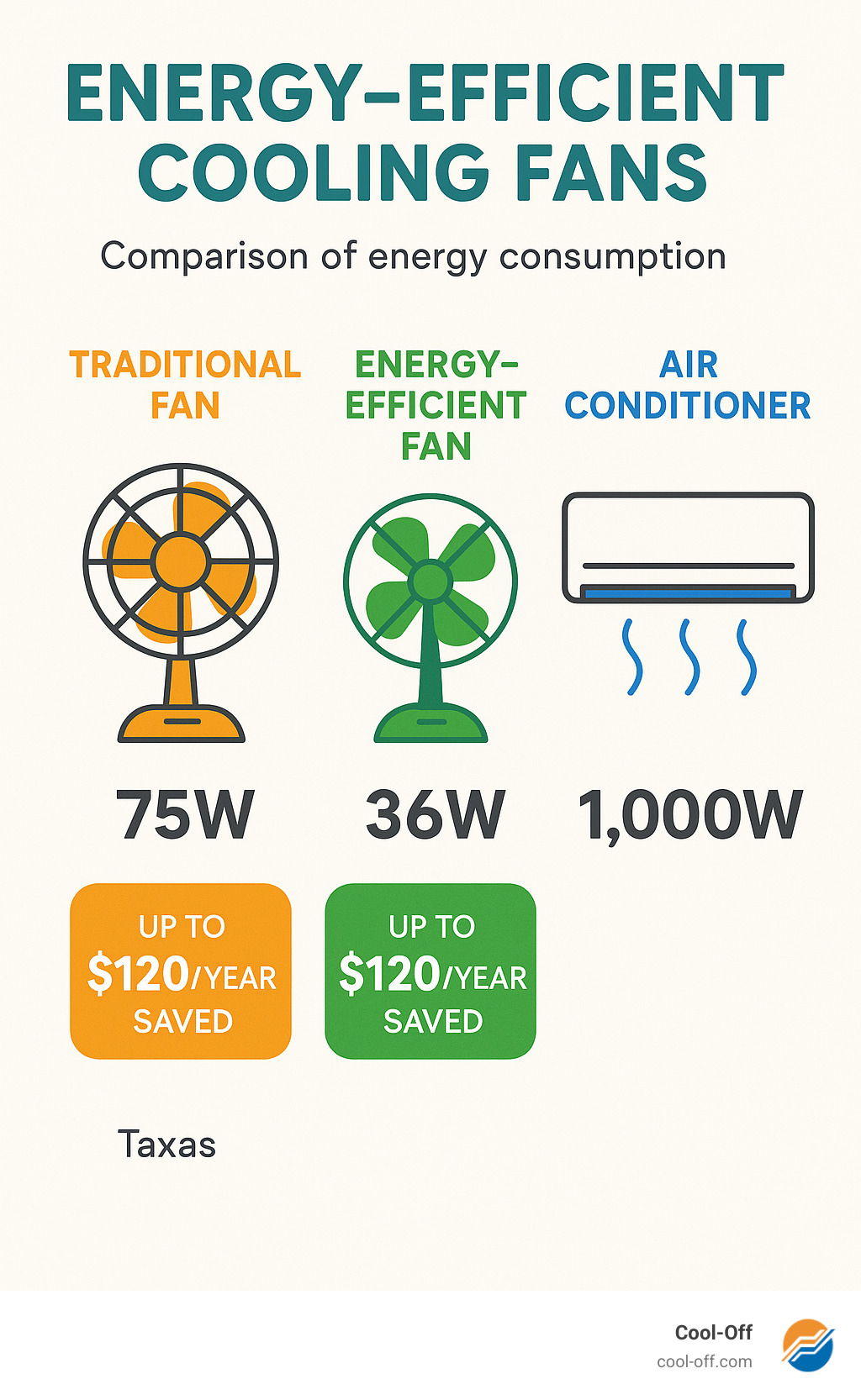
Portable fans move air around a room. They use very little electricity.
You can use fans near windows or doors to bring in fresh air and cool your space.
Explore Ceiling Fans
Ceiling fans help circulate air in a room. They make you feel cooler without lowering the temperature.
Using ceiling fans with your air conditioner lets you set the thermostat higher and save energy.
Credit: cool-off.com
Frequently Asked Questions
How Can I Reduce Air Conditioner Energy Consumption?
Set your thermostat to 78°F when home. Use fans to circulate air. Clean or replace filters monthly. Seal windows and doors to prevent leaks. Maintain your AC unit regularly for optimal efficiency.
What Temperature Setting Saves The Most Energy?
Setting your air conditioner to 78°F is ideal. This temperature balances comfort and energy savings. Higher settings reduce electricity use. Lower settings increase energy consumption and costs.
Does Using A Programmable Thermostat Save Ac Energy?
Yes, programmable thermostats optimize cooling schedules. They adjust temperatures when you’re away or asleep. This reduces unnecessary cooling and energy waste. Programmable thermostats improve efficiency and lower utility bills.
How Often Should I Clean Air Conditioner Filters?
Clean or replace filters every 1 to 3 months. Dirty filters restrict airflow and reduce efficiency. Regular cleaning improves air quality and lowers energy use. Check filters monthly during heavy AC use.
Conclusion
Saving energy with your air conditioner is simple and effective. Little changes can lead to big savings. Clean filters regularly. Set temperatures wisely. Seal your home to keep the cool air in. Use fans for better air circulation. Schedule maintenance checks.
These steps not only save energy but also cut costs. A well-maintained air conditioner lasts longer. Enjoy comfort and save money. Act today for a cooler tomorrow. Your choices make a difference. Small efforts can lead to a sustainable future.
Keep energy bills low and the environment happy. Start your journey to energy efficiency now.