Are you curious about how to boost your car’s performance and sound? Understanding what a turbo back exhaust system is could be the key to unlocking your vehicle’s full potential.
This simple upgrade can transform how your engine breathes, making your ride more powerful and responsive. You’ll discover exactly what a turbo back exhaust system does, why it matters, and how it can change your driving experience for the better.
Keep reading to find out how this one change could make a big difference for your car.
Turbo Back Exhaust Basics
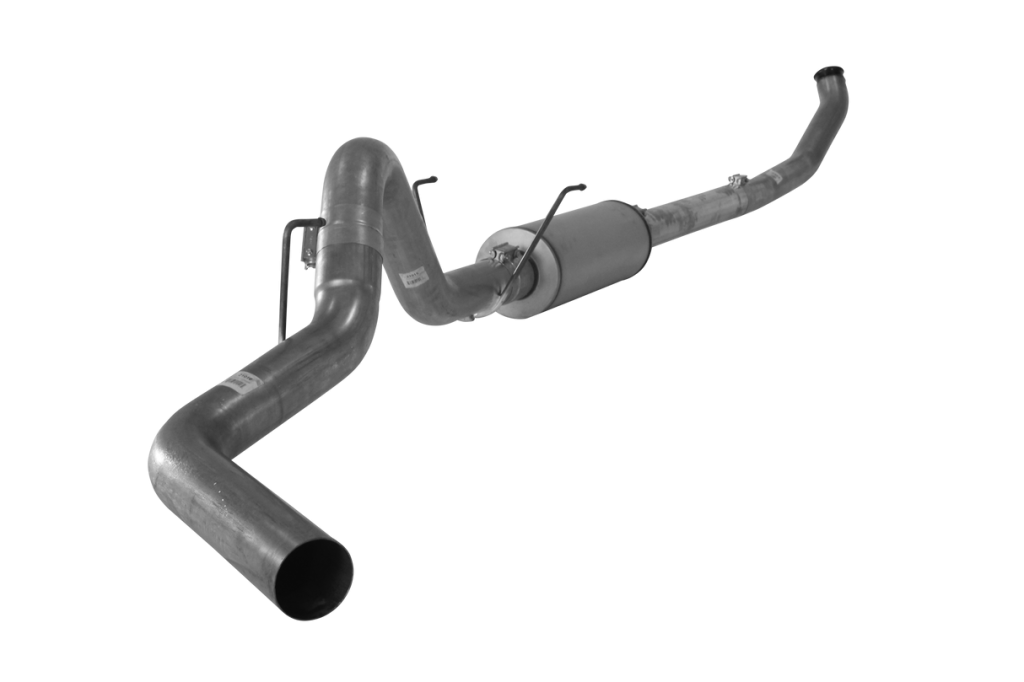
A turbo back exhaust system is a type of exhaust setup for turbocharged engines. It includes all parts from the turbocharger outlet to the tailpipe. This system helps the engine breathe better and improve performance.
It replaces the stock exhaust parts after the turbo with high-flow components. This reduces backpressure and helps exhaust gases escape faster. The design can affect power, sound, and engine efficiency.
Key Components
The turbo back exhaust system has several main parts. Each part plays a role in moving exhaust gases smoothly from the engine to the rear of the vehicle.
- Downpipe:Connects the turbo outlet to the rest of the exhaust. It often has a larger diameter for better flow.
- Mid-pipe:Links the downpipe to the muffler or resonator sections. It helps maintain smooth gas flow.
- Muffler:Reduces noise from the exhaust gases while allowing good flow.
- Tailpipe:The final section where gases exit the vehicle.
How It Differs From Other Systems
A turbo back system is different from other exhaust setups because it starts right after the turbocharger. Other systems may start after the catalytic converter or further down the line.
| System Type | Start Point | Common Parts Included |
|---|---|---|
| Turbo Back Exhaust | Turbocharger Outlet | Downpipe, Mid-pipe, Muffler, Tailpipe |
| Cat Back Exhaust | Catalytic Converter Outlet | Mid-pipe, Muffler, Tailpipe |
| Axle Back Exhaust | After Rear Axle | Muffler, Tailpipe |
Performance Benefits
A turbo back exhaust system improves your car’s overall performance. It helps the engine breathe better and work more efficiently.
This system replaces the exhaust parts from the turbocharger to the rear of the car. It reduces back pressure and increases exhaust flow.
Boosting Horsepower
A turbo back exhaust system lets exhaust gases leave the engine faster. This helps the engine make more power.
With less resistance, the turbo can spin faster and create more boost. This leads to higher horsepower numbers.
Improving Torque
Torque is the force that helps your car accelerate. A turbo back exhaust improves torque by reducing exhaust gas blockage.
This allows the turbo to respond quicker at low engine speeds. You get stronger pulling power and better acceleration.
Enhancing Sound
The turbo back exhaust changes the sound of your car. It produces a deeper and more aggressive exhaust note.
This system removes restrictive parts that muffle sound. Your car sounds louder and more sporty.
Material Choices
Choosing the right material is key for a turbo back exhaust system. The material affects durability, weight, and heat resistance.
Different materials offer unique benefits and costs. Understanding these helps pick the best option for your needs.
Stainless Steel Options
Stainless steel is a popular choice for turbo back exhausts. It resists rust and handles high temperatures well.
This material is strong and lasts a long time. It also looks shiny and clean, which many people like.
- Good corrosion resistance
- Durable under heat stress
- Easy to clean and maintain
- Cost-effective compared to other metals
Titanium And Other Alloys
Titanium is lighter than stainless steel but just as strong. It handles heat very well and reduces weight.
Other alloys like Inconel are also used. They offer high heat resistance but cost more.
- Titanium is lightweight and strong
- Excellent heat resistance
- More expensive than stainless steel
- Alloys like Inconel resist extreme heat
Installation Insights
A turbo back exhaust system replaces the entire exhaust from the turbocharger to the rear. It improves exhaust flow and can increase engine power.
Installing this system requires care and the right tools. Choosing between doing it yourself or hiring a professional depends on your skills and tools.
Diy Vs Professional
Doing the installation yourself saves money but needs good knowledge of car parts. Professionals have experience and tools to do the job safely and correctly.
- DIY requires tools like wrenches, jacks, and safety gear.
- Professionals can spot problems that amateurs might miss.
- DIY may take several hours or days; pros usually finish faster.
- Professional installation often comes with a warranty.
- DIY risks include incorrect fitment and damage to parts.
Common Challenges
Installing a turbo back exhaust system can be tricky. Problems often come from tight spaces, rusted bolts, or wrong parts.
| Challenge | Description | Tip |
| Tight spaces | Hard to reach bolts and clamps | Use flexible tools and patience |
| Rusted bolts | Bolts may break or not loosen | Apply penetrating oil before removal |
| Wrong parts | Parts that don’t fit your vehicle | Confirm part numbers before buying |
| Alignment issues | Exhaust pipes don’t line up correctly | Check fitment before tightening all bolts |
Cost And Value
A turbo back exhaust system can change how a car sounds and performs. It replaces parts from the turbocharger to the exhaust tip. This system often costs more than a regular exhaust.
Understanding the price and the benefits helps decide if it is worth the investment. Let’s look at what affects the cost and what value it offers over time.
Pricing Factors
Several things influence the price of a turbo back exhaust system. The material and brand play a big role. Stainless steel parts usually cost more but last longer. Some systems come with extra parts that add to the price.
- Material quality (stainless steel vs. mild steel)
- Brand reputation and warranty
- Included components (pipes, mufflers, clamps)
- Labor cost for installation
- Vehicle make and model complexity
Long-term Gains
The turbo back exhaust system can improve engine efficiency and sound. Over time, it may help save fuel and reduce engine stress. These benefits add value beyond the initial cost.
| Benefit | Description | Impact on Value |
|---|---|---|
| Improved Power | Better exhaust flow increases horsepower | Enhances driving experience |
| Fuel Efficiency | Engine runs smoother with less effort | Can reduce fuel costs over time |
| Durability | High-quality materials resist rust and damage | Lasts longer, less replacement cost |
| Sound Quality | Deeper, more aggressive exhaust note | Improves vehicle appeal |

Credit: www.bcdiesel.ca
Legal And Environmental Considerations
A turbo back exhaust system changes how exhaust gases leave your vehicle. It can affect emissions and noise levels. Laws control these changes to protect the environment and people.
Understanding these laws helps you avoid fines and keeps your vehicle legal on roads. It also helps reduce harm to the environment.
Emissions Regulations
Emissions laws limit the amount of harmful gases a vehicle can release. A turbo back exhaust system can change these emissions. It may cause your car to release more pollutants.
Many countries require emissions testing for vehicles. If your system causes your car to fail these tests, you might face penalties. Some parts of the turbo back system must meet strict standards.
- Check if the system is approved by local authorities
- Use parts that meet emissions standards
- Keep your vehicle’s emissions control devices intact
Noise Restrictions
Exhaust systems affect how loud a vehicle sounds. Turbo back systems often make the exhaust noise louder. Many places have laws to limit noise from vehicles.
If your exhaust is too loud, you can get fined or asked to fix it. Noise rules protect neighborhoods from loud sounds that cause disturbance.
- Know the maximum allowed noise level in your area
- Choose a system with a built-in muffler or silencer
- Test your vehicle’s noise after installation
Popular Brands And Models
A turbo back exhaust system improves car performance by replacing the exhaust parts from the turbocharger to the rear. It helps engines breathe better and can increase power.
Many brands offer turbo back exhaust systems. Each model fits different cars and budgets. Below are popular options for performance and cost-effective choices.
Top Performance Options
High-end turbo back exhaust systems focus on maximum power and durability. They use quality materials and advanced design to reduce backpressure and weight.
| Brand | Model | Material | Key Feature |
| Akrapovic | Evolution Line | Titanium | Lightweight and strong |
| HKS | Hi-Power Spec L | Stainless Steel | Optimized flow for racing |
| Borla | Atak Cat-Back | T304 Stainless Steel | Improved sound and power |
| Invidia | Q300 | Stainless Steel | Balanced sound and performance |
Budget-friendly Picks
Affordable turbo back exhaust systems give good performance for less money. They suit daily drivers and those new to car upgrades.
- Magnaflow Street Series – Good sound with durable steel
- Greddy Revolution RS – Affordable and easy to install
- Flowmaster Force II – Deep tone and solid build
- DC Sports – Budget option with decent flow

Credit: www.millteksport.com

Credit: www.amazon.ca
Frequently Asked Questions
What Is A Turbo Back Exhaust System?
A turbo back exhaust system includes all parts from the turbocharger outlet to the exhaust tip. It improves exhaust flow, reduces backpressure, and enhances engine performance and sound.
How Does A Turbo Back Exhaust System Work?
It channels exhaust gases efficiently from the turbo to the rear of the vehicle. This reduces turbo lag and increases power by improving gas flow and reducing restrictions.
What Are The Benefits Of A Turbo Back Exhaust?
It boosts horsepower, torque, and engine efficiency. It also provides a sportier exhaust note and can improve fuel economy with better airflow management.
Is A Turbo Back Exhaust System Noisy?
Yes, it can be louder than stock exhausts. The increased flow and less muffling create a deeper, more aggressive sound favored by enthusiasts.
Conclusion
A turbo back exhaust system boosts your vehicle’s performance. It enhances horsepower and torque efficiently. This system replaces all exhaust components, from turbo to tailpipe. It offers better sound quality and improved fuel efficiency. Installation may require professional help for best results.
It’s a popular choice among car enthusiasts. A good investment for those seeking enhanced driving experience. Research and choose the right system for your needs. Always ensure compatibility with your vehicle model. Enjoy the benefits of improved exhaust flow and performance.