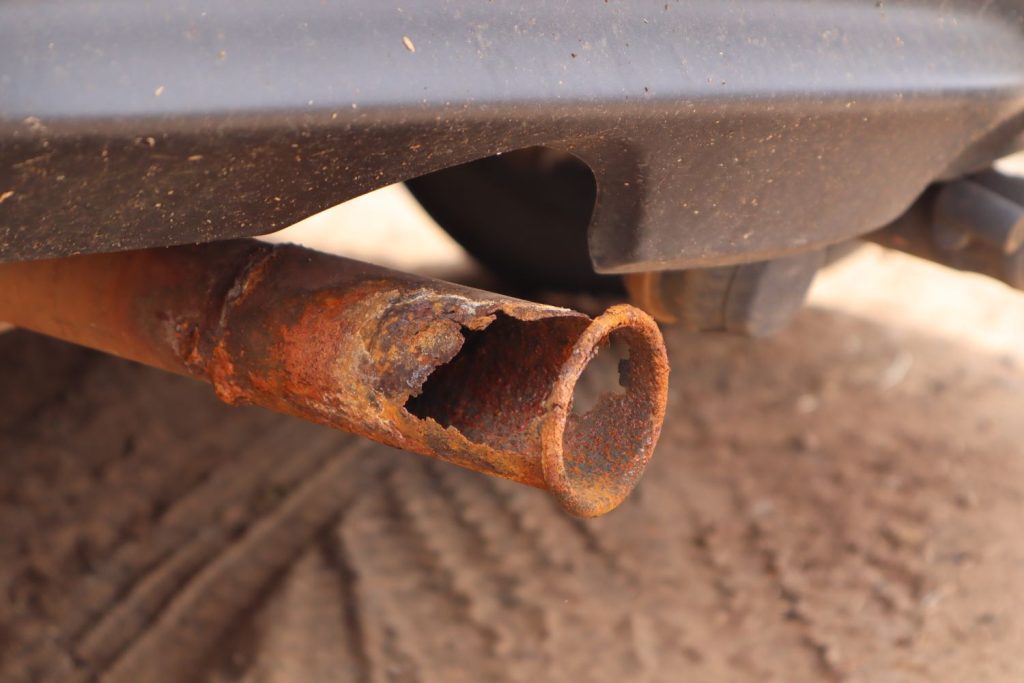
A leaky exhaust system in your vehicle is more dangerous than you might think. It’s easy to ignore a small hole or crack, but that tiny problem can quickly turn into a serious threat to your safety and health.
Imagine harmful gases slipping into your car’s cabin without you even noticing. Would you want to risk your life and the lives of your loved ones every time you drive? Keep reading to discover why fixing a leaky exhaust system should be your top priority before it’s too late.
Health Risks Of Exhaust Leaks
A leaky exhaust system can let harmful gases enter your vehicle. These gases can cause serious health problems for you and your passengers.
It is important to understand the dangers of exhaust leaks. Knowing the risks can help you stay safe and avoid health issues.
Carbon Monoxide Poisoning
Carbon monoxide is a colorless, odorless gas released by car exhaust. It can build up quickly inside a vehicle with a leak.
Breathing carbon monoxide can cause headaches, dizziness, and nausea. High levels can lead to unconsciousness or death.
- Symptoms include confusion and weakness
- Carbon monoxide blocks oxygen in the blood
- Even small leaks can be dangerous over time
Respiratory Issues
Exhaust leaks release harmful chemicals like nitrogen oxides and hydrocarbons. These irritate your lungs and airways.
People exposed to these gases may cough, wheeze, or have shortness of breath. Those with asthma or allergies face higher risks.
- Increased risk of asthma attacks
- Chronic coughing and throat irritation
- Difficulty breathing during physical activity
Long-term Health Effects
Breathing exhaust fumes over many years can damage your lungs and heart. It may also increase the risk of cancer.
Long-term exposure can weaken your immune system. This makes it harder for your body to fight illnesses.
- Chronic bronchitis and lung disease
- Higher chance of heart problems
- Potential development of lung cancer
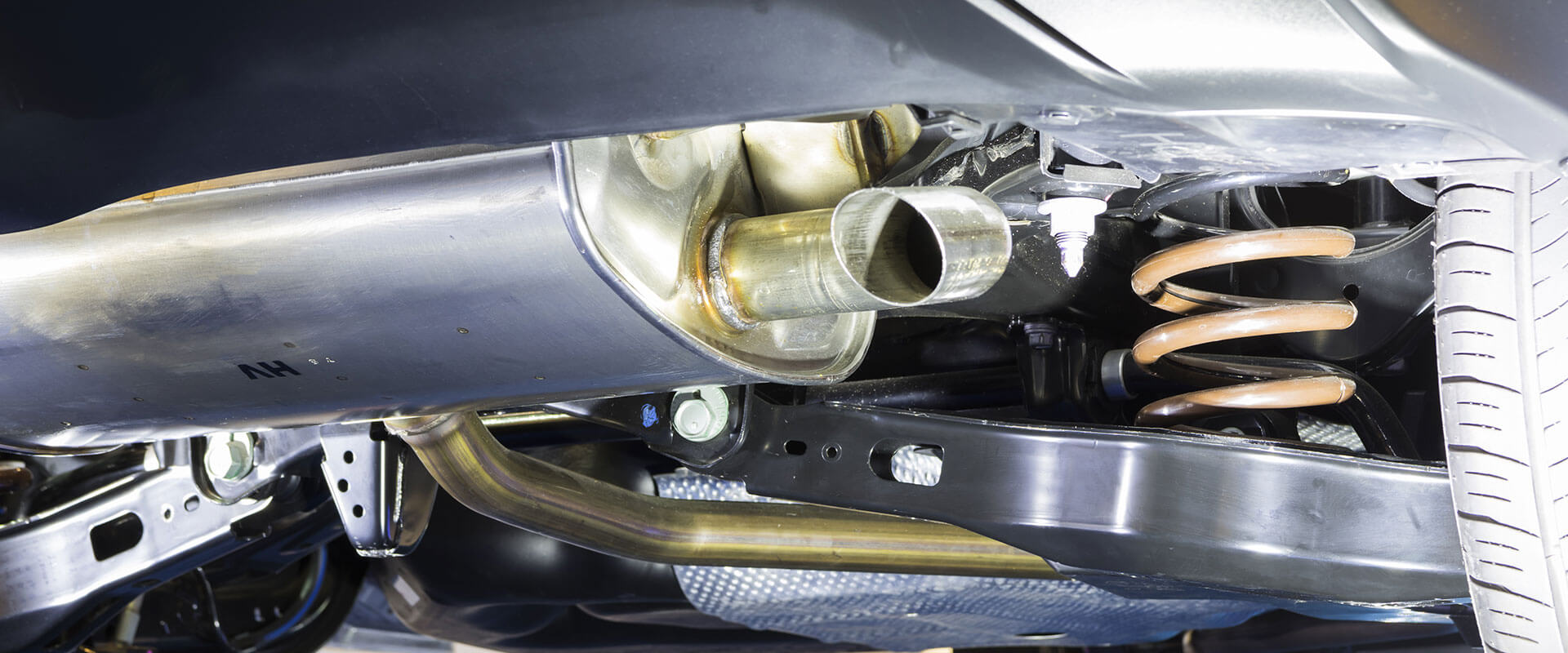
Credit: scottysautomotiveservices.com
Causes Of Exhaust System Leaks
A leaky exhaust system can harm your vehicle and your health. It lets dangerous gases escape into the air and inside your car.
Understanding what causes these leaks helps you spot problems early. This guide explains common reasons for exhaust system leaks.
Corrosion And Rust
Exhaust systems face heat, moisture, and road salt. These conditions cause metal parts to rust and corrode over time. Rust weakens pipes and joints, creating holes and leaks.
- Exposure to water and salt speeds corrosion
- Older vehicles show more rust damage
- Rust often starts on the underside of the car
- Corrosion can spread quickly if untreated
Physical Damage
Road debris, bumps, or accidents can cause dents or cracks in the exhaust system. Physical damage may break seals or pipes, leading to leaks.
| Cause | Effect on Exhaust System |
|---|---|
| Hitting a curb or rock | Dents and cracks in pipes |
| Road debris impact | Holes or broken parts |
| Accident damage | Loose or disconnected components |
Loose Or Broken Components
Parts like clamps, hangers, and gaskets hold the exhaust system together. When these parts loosen or break, leaks can form at the connections.
Signs of loose or broken components include:
- Loud noises from the exhaust
- Visible gaps or holes at joints
- Shaking or rattling sounds under the car
- Smell of exhaust fumes inside the vehicle
Signs Of A Leaky Exhaust
A leaky exhaust system can harm your vehicle and health. It is important to spot the signs early. Look out for sounds, smells, and changes in fuel use.
Here are some common signs that your exhaust system might have a leak. Knowing these can help you get repairs done quickly.
Unusual Noises
If your exhaust system has a leak, you might hear strange noises. These sounds can be louder than usual or different from normal engine noise.
- Loud rumbling or hissing sounds near the engine or under the vehicle
- Ticking or popping noises when accelerating
- Rattling sounds if parts of the exhaust are loose
Strong Exhaust Smell
A leak can let exhaust gases escape into the cabin or around the car. You may notice a strong smell of exhaust fumes inside or outside the vehicle.
| Location | Possible Cause | Smell Description |
| Inside cabin | Leak in exhaust manifold or pipe | Strong, unpleasant exhaust odor |
| Near engine | Cracked manifold or loose connection | Sharp, smoky smell |
| Under vehicle | Damaged muffler or pipe | Faint but persistent exhaust scent |
Decreased Fuel Efficiency
A leaking exhaust can affect your engine’s performance. It may cause your vehicle to use more fuel than normal.
Signs of fuel inefficiency due to exhaust leaks include:
- More frequent trips to the gas station
- Lower miles per gallon (MPG) than usual
- Engine running rough or stalling
Preventing Exhaust Leaks
A leaky exhaust system can harm your vehicle and your health. It lets dangerous gases escape near you.
Preventing exhaust leaks keeps your car safe and running well. Check and fix parts often.
Regular Inspections
Look at your exhaust system every few months. Check pipes, joints, and the muffler for holes or rust.
Listen for unusual noises like loud rumbling. Smell for strong exhaust fumes inside the car.
- Inspect under the car for cracks
- Check exhaust hangers and clamps
- Look for black soot marks at joints
Timely Repairs
Fix exhaust leaks as soon as you notice them. Small cracks grow bigger and cause more harm.
Delays can lead to toxic gases entering the cabin. Repairs keep your engine working efficiently.
- Seal minor leaks with high-temperature sealant
- Replace damaged pipes or mufflers quickly
- Use a mechanic for complex repairs
Quality Parts And Installation
Use good parts for your exhaust system. Cheap parts wear out faster and cause leaks.
Proper installation is key. Poor fitting parts create gaps where leaks start.
- Choose parts made for your vehicle model
- Check that all seals and gaskets fit well
- Hire skilled technicians for installation
What To Do If You Suspect A Leak
A leaky exhaust system in your vehicle is a serious safety risk. It can let harmful gases enter your car’s cabin.
Knowing what to do if you suspect a leak helps protect you and your passengers. Act quickly to avoid danger.
Immediate Safety Measures
If you think your exhaust system is leaking, stop driving right away. Turn off the engine and get fresh air.
Open your windows to let fresh air inside. Avoid running the engine in closed spaces like garages.
- Park outside in an open area
- Open all windows and doors
- Do not keep the engine running
- Keep children and pets away
Professional Diagnosis
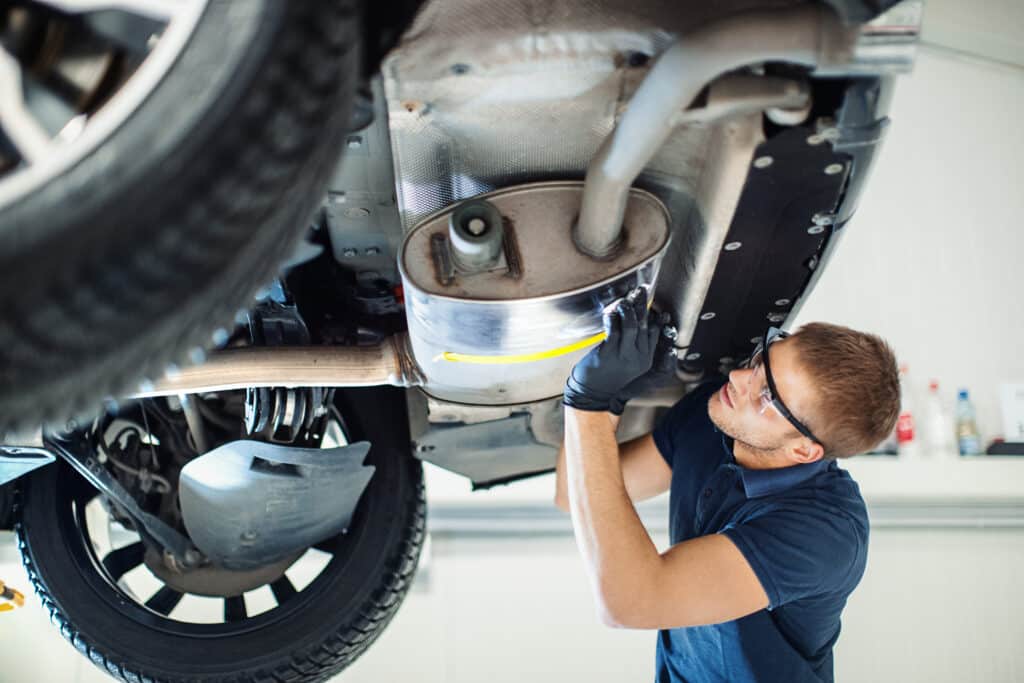
Have a certified mechanic check your exhaust system as soon as possible. They can find the exact leak location.
Mechanics use special tools to detect leaks and check exhaust fumes. This helps ensure your safety and your car’s health.
- Use of smoke machines or pressure testers
- Visual inspection of pipes and connections
- Check for unusual noises or smells
- Test exhaust emission levels
Repair Options
Fixing a leaky exhaust depends on the damage size and location. Small leaks can be patched quickly.
More serious damage may require replacing parts like pipes or mufflers. Always choose quality repairs for safety.
- Temporary sealant patches for small holes
- Replacing damaged pipes or joints
- Installing new mufflers or catalytic converters
- Regular inspections after repair

Credit: urbsgarage.com
Credit: www.holtsauto.com
Frequently Asked Questions
What Are The Risks Of A Leaky Exhaust System?
A leaky exhaust system can release harmful gases like carbon monoxide. These gases are toxic and can cause serious health issues, including headaches and dizziness. It also reduces fuel efficiency and can damage engine performance, making your vehicle unsafe to drive.
How Does A Leaky Exhaust Affect Vehicle Performance?
A leaky exhaust lowers engine power and fuel efficiency. It disrupts the proper flow of exhaust gases, causing the engine to work harder. This leads to reduced acceleration and increased fuel consumption, affecting overall vehicle performance and increasing repair costs.
Can A Leaky Exhaust Cause Health Problems?
Yes, it can cause severe health problems. Leaks allow carbon monoxide to enter the vehicle cabin. Carbon monoxide is a colorless, odorless gas that can cause poisoning, leading to nausea, headaches, or even death in extreme cases.
Why Is A Leaky Exhaust System Noisy?
Leaks create gaps for exhaust gases to escape early, causing loud, unusual noises. This noise usually signals damage or corrosion in the exhaust system. Ignoring it can lead to bigger issues and costly repairs.
Conclusion
A leaky exhaust system is a serious safety risk. Harmful gases can enter your car. This affects your health and safety. You might experience headaches or dizziness. In severe cases, it can be life-threatening. Regular checks are crucial for your vehicle.
Fixing leaks quickly prevents danger. Always ensure your exhaust system is in good condition. This keeps you and your passengers safe. Remember, a well-maintained vehicle runs better. It also reduces harmful emissions. Stay safe and protect your health. Prioritize regular exhaust system maintenance.
It’s essential for a safe driving experience.