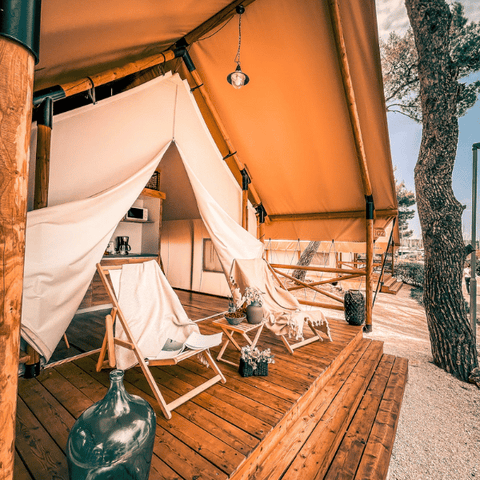
Imagine waking up to the gentle rustling of leaves and the crisp morning air, all while feeling as cozy as if you were in your own bed. Yes, you can achieve this blissful experience even when camping in a tent.
If you’ve ever found yourself tossing and turning on a hard surface or shivering through a chilly night, you’re not alone. Many campers face these common discomforts, but the good news is, you don’t have to. You have the power to transform your camping experience from a rustic challenge to a delightful retreat.
How? By knowing the secrets to making tent camping comfortable. In this guide, you’ll discover simple yet effective tips that will have you looking forward to your next outdoor adventure. Ready to turn your tent into a haven of comfort? Let’s dive in!
Choosing The Right Tent
Picking the right tent is key to a comfy camping trip. The right tent keeps you safe and dry.
Think about size, weather, and airflow to find a tent that fits your needs.
Tent Size And Capacity
Choose a tent size based on the number of people camping. A bigger tent gives more room to move.
Remember to add space for gear and comfort. Don’t pick a tent that feels too tight.
- 1-2 person tents suit solo or couple campers
- 3-4 person tents work well for small families
- Larger tents fit groups or families with extra gear
Weather Resistance
Look for tents with strong weather protection. This helps you stay dry in rain or snow.
Check the tent’s rainfly, waterproof rating, and wind resistance before buying.
- Waterproof rainfly keeps out moisture
- High hydrostatic head means better water resistance
- Sturdy poles stand up to strong winds
Ventilation Features
Good airflow stops condensation inside your tent. It also keeps air fresh.
Look for tents with mesh windows and vents you can open and close.
- Mesh panels block bugs but allow air in
- Adjustable vents help control airflow
- Proper ventilation reduces dampness inside
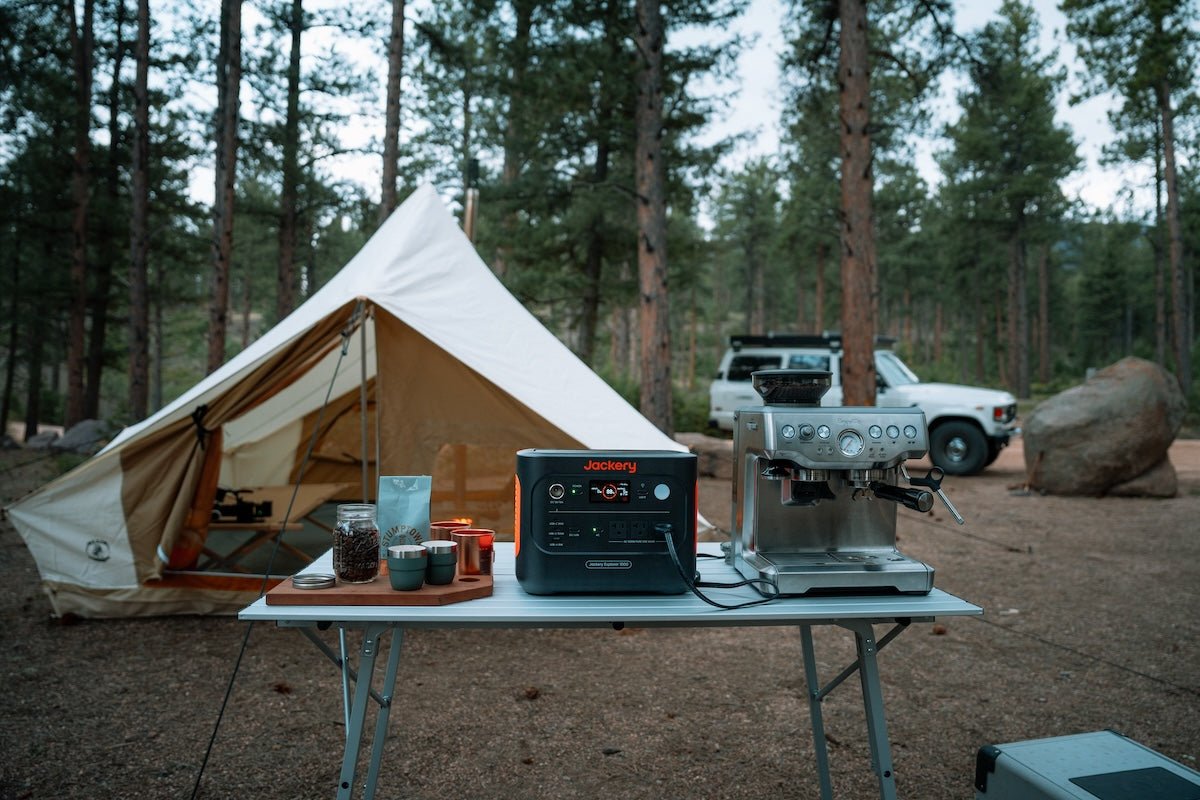
Credit: www.jackery.com
Selecting Comfortable Sleeping Gear
Comfort is key for a good night’s sleep while tent camping. Choosing the right sleeping gear helps you rest well.
Good gear keeps you warm, cushioned, and cozy inside your tent. It makes camping more enjoyable.
Sleeping Bags And Pads
Pick a sleeping bag that matches the weather. A bag rated for lower temperatures keeps you warm.
Use a sleeping pad for extra comfort and insulation from the cold ground. It also cushions your body.
- Choose a sleeping bag with the right temperature rating
- Look for bags made of breathable, soft materials
- Select sleeping pads with good thickness for cushioning
- Inflatable or foam pads improve comfort and warmth
Pillows And Blankets
Bring a small camping pillow or use a stuff sack filled with clothes. This supports your head and neck.
Extra blankets add warmth and comfort. Use lightweight blankets that pack easily and dry fast.
- Choose compact, soft camping pillows
- Use blankets made from fleece or wool
- Layer blankets for adjustable warmth
- Keep pillows and blankets dry to stay comfortable
Insulation Tips
Insulate yourself from the cold ground. Use a sleeping pad and extra layers under your sleeping bag.
Wear warm clothes and socks inside your sleeping bag. This keeps your body heat trapped.
- Place a reflective blanket under your sleeping pad
- Use a tent footprint to reduce ground cold
- Keep your sleeping bag dry and zipped up fully
- Wear a hat or beanie to keep heat in
Setting Up Your Campsite
Setting up your campsite right makes your camping trip more comfortable and safe. Focus on choosing the best spot for your tent. Prepare the area well before you start pitching.
This guide covers important steps for setting up your campsite. Follow these tips to improve your camping experience and stay cozy outdoors.
Finding A Flat, Dry Spot
Look for a spot that is level and dry. Avoid low places where water can pool. A flat surface helps your tent stay stable and comfortable to sleep on.
- Scan the area for flat ground without rocks or roots.
- Check soil firmness to avoid sinking in rain.
- Pick a spot away from water sources to prevent dampness.
- Choose a place with some natural wind protection like trees or bushes.
Clearing Debris
Clear the area of sticks, stones, and leaves. This helps protect your tent floor from damage and makes sleeping more comfortable. Remove any sharp objects carefully.
| Type of Debris | Why Remove It |
|---|---|
| Sticks | Can puncture the tent floor and cause discomfort |
| Rocks | Create uneven ground and pressure points under your sleeping pad |
| Leaves | Hold moisture and attract insects |
| Branches | May fall and damage the tent during wind |
Positioning The Tent
Place your tent so the door faces away from the wind. This helps keep rain and wind out. Try to set the tent on a slight incline to let water run off.
- Face the tent door away from strong winds.
- Set up on an incline if possible to avoid water pooling.
- Use natural features like trees for windbreaks but avoid dead branches.
- Keep the tent close to your campfire and supplies but at a safe distance.
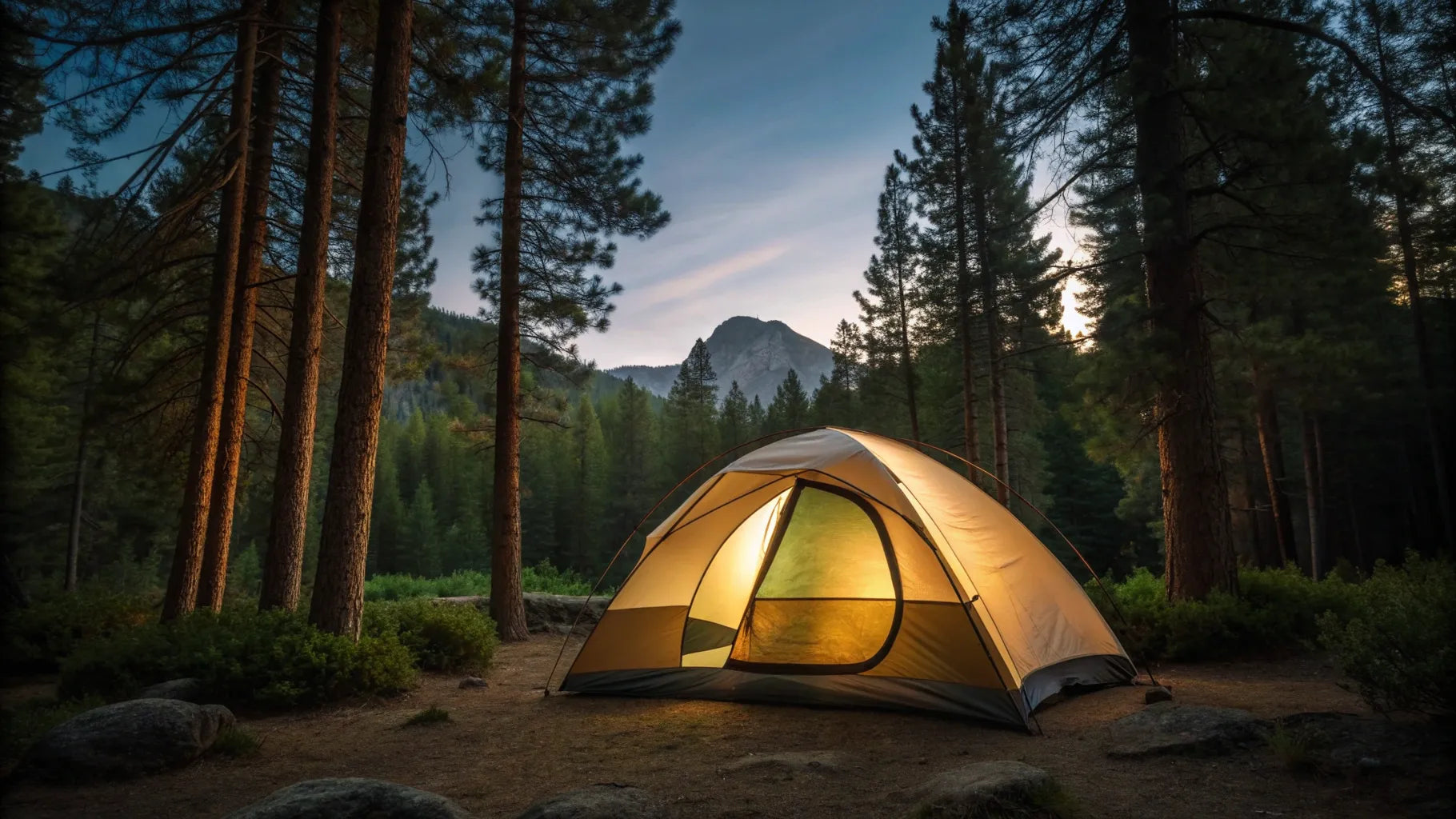
Credit: www.battlbox.com
Organizing Inside The Tent
Keeping your tent tidy makes camping more fun and relaxing. A well-organized tent helps you find things quickly.
Simple storage and smart lighting create a cozy space inside your tent. This guide shows easy ways to improve your tent setup.
Storage Solutions
Use containers and bags to keep your gear neat. Store small items in clear bags for easy spotting.
Hang pockets or shelves on tent walls to save floor space. Keep essentials within reach and off the ground.
- Use mesh bags for ventilation
- Label storage bags for quick access
- Stack containers to save space
- Hang gear with clips or hooks
Lighting Options
Good lighting helps you see and move safely inside the tent. Choose soft lights to avoid harsh glare.
Battery-powered lanterns and string lights work well. Place lights where they spread light evenly without taking space.
- Use LED lanterns for bright, energy-saving light
- Clip lights to tent poles or ceiling loops
- Battery packs keep lights running longer
- Consider dimmable lights for comfort
Creating A Relaxing Atmosphere
Add soft bedding and cushions for comfort. Keep your tent clean to make it inviting.
Use calming colors and gentle lighting. Small decorations like fabric or rugs can make your tent feel like home.
- Bring cozy blankets and pillows
- Use a small rug to keep feet warm
- Choose neutral or soft colors
- Keep the tent aired to avoid stuffiness
Managing Temperature And Ventilation
Keeping your tent comfortable means controlling heat and airflow. Proper temperature and ventilation help you sleep well and enjoy camping.
Good air movement stops the tent from feeling stuffy. Managing temperature keeps you warm or cool as needed.
Using Fans And Vent Screens
Fans help move air inside the tent. Battery-powered or rechargeable fans work well in places without power.
Vent screens keep bugs out while letting air flow in. Use tents with mesh windows or add vent screens to existing tents.
- Place fans near tent openings for better airflow
- Use vent screens to avoid insects and improve air movement
- Keep tent flaps open when weather allows
Layering Clothing
Wear layers to adjust your body temperature easily. Add or remove clothes as the weather changes.
Start with a light base layer to keep sweat away. Add warm layers if it gets cold at night.
- Choose moisture-wicking fabrics for base layers
- Use fleece or wool for warmth
- Carry a waterproof outer layer for rain or wind
Dealing With Humidity
Humidity makes tents feel damp and uncomfortable. Good ventilation helps reduce moisture inside.
Dry your clothes outside the tent. Use a ground tarp under your tent to stop moisture from coming up.
- Open vents and doors to let humid air escape
- Use a moisture absorber if needed
- Keep wet gear outside the tent
Food And Hydration Tips
Camping in a tent means you need to plan your meals and drinks carefully. Eating right and staying hydrated keeps you strong and happy outdoors.
Simple food ideas and smart water storage can make your trip easier. Also, having snacks nearby helps keep your energy up during activities.
Easy Meal Ideas
Choose meals that are easy to cook and carry. Avoid heavy or complicated foods that need lots of tools or time.
- Prepare sandwiches with peanut butter or cheese
- Bring instant oatmeal packets for quick breakfasts
- Use canned beans or vegetables for easy cooking
- Carry pre-cut fruits and vegetables for snacks
- Cook simple pasta or rice dishes with sauce packets
Safe Water Storage
Clean water is key to good health while camping. Store water in containers that keep it fresh and safe.
| Container Type | Capacity | Best Use |
| Collapsible Water Bag | 5 liters | Easy to carry and store |
| Hard Plastic Jug | 10 liters | Stable and durable for base camp |
| Reusable Water Bottles | 1 liter each | Personal use for hiking or short trips |
Keeping Snacks Accessible
Keep snacks within reach to avoid hunger and keep energy steady. Choose foods that do not spoil easily.
- Trail mix with nuts, seeds, and dried fruit
- Granola bars or energy bars
- Crackers or rice cakes
- Fresh fruit like apples or oranges
- Jerky or dried meat for protein
Maintaining Cleanliness And Hygiene
Keeping clean and hygienic during tent camping makes your trip more comfortable. It helps prevent illness and keeps your campsite pleasant.
Focus on managing trash, personal hygiene, and tent freshness to enjoy a safe and tidy outdoor experience.
Trash Management
Proper trash management stops bad smells and keeps animals away. Always bring trash bags and separate recyclables from waste.
- Use sturdy trash bags to hold all garbage
- Seal bags tightly before disposal
- Store trash away from your tent in a closed container
- Follow local rules for waste disposal
- Pick up all litter around your campsite
Personal Hygiene Essentials
Staying clean helps you feel fresh and reduces infection risks. Pack essential hygiene items and use them regularly.
| Item | Use |
|---|---|
| Biodegradable soap | Washing hands and body |
| Wet wipes | Quick cleanups without water |
| Hand sanitizer | Killing germs on hands |
| Toothbrush and toothpaste | Oral hygiene |
| Toilet paper | Personal sanitation |
Wash hands before meals and after using the bathroom. Keep your water source clean and avoid contaminating it.
Keeping The Tent Fresh
Keep your tent clean and smelling fresh. Remove dirt and moisture daily to prevent mold and bugs.
Try these tips to keep your tent fresh:
- Air out the tent by opening windows and doors during the day
- Use a small, battery-powered fan for ventilation
- Store dirty clothes and shoes outside the tent
- Clean spills immediately with a damp cloth
- Use moisture absorbers or silica packets to reduce dampness

Credit: www.lifeintents.com
Enhancing Nighttime Comfort
Camping at night can be chilly and noisy. Making your tent cozy helps you rest better.
Small changes improve how you feel inside your tent after dark. Let’s explore some tips.
Noise Reduction
Night sounds can keep you awake. Use earplugs to block out noise.
Set your tent away from busy trails or campsites to reduce noise. A tent with thick fabric also helps.
- Use foam earplugs for quiet sleep
- Choose a tent with soundproof material
- Camp far from roads or noisy areas
Bug Protection
Bugs can disturb your rest and bite you. Keep your tent zipped at all times.
Use insect repellent and a mosquito net inside your tent. These prevent bugs from entering your space.
- Keep tent doors closed tightly
- Apply bug spray before bedtime
- Use a mosquito net inside the tent
Nighttime Entertainment
Having some light activities helps you relax before sleep. Bring books or card games for fun.
Use battery-powered lanterns or string lights. They create a cozy glow without waking others.
- Read a book with a headlamp
- Play card games with friends
- Use soft lighting like lanterns or fairy lights
Frequently Asked Questions
How Can I Make Tent Camping More Comfortable?
Choose a spacious, quality tent with good ventilation. Use a thick sleeping pad and a cozy sleeping bag. Bring pillows and blankets for extra comfort. Set up a clean, organized campsite. Proper lighting and bug protection also enhance comfort.
What Are The Best Sleeping Gear For Tent Camping?
Opt for an insulated sleeping pad and a sleeping bag rated for the weather. Use a pillow or stuff a stuff sack with clothes. Layer with blankets if needed. Good gear improves sleep quality and keeps you warm and comfortable.
How Do I Keep Bugs Away While Camping?
Use insect repellent sprays or lotions. Set up a tent with mesh screens and keep it zipped. Use citronella candles or bug-repellent coils around your campsite. Avoid wearing scented lotions or perfumes that attract insects.
What Essentials Improve Tent Camping Comfort?
Bring a comfortable sleeping setup, proper clothing, and lighting. Include camping chairs, a portable table, and a ground tarp. Pack easy-to-cook meals and plenty of water. These essentials make your camping experience enjoyable and hassle-free.
Conclusion
Making tent camping comfortable takes some planning and simple tips. Choose the right gear and set up your tent carefully. Bring soft sleeping pads and warm blankets for better rest. Keep your campsite clean and organized to enjoy your space.
Small comforts like a good pillow or lantern help a lot. These steps make your outdoor stay cozy and fun. Enjoy nature without giving up comfort. Camping can be a great way to relax and connect with friends or family.
Try these ideas on your next trip and feel the difference.