
Have you ever noticed your car tire feels too firm or rides a little rough? Sometimes, letting air out of your car tire is exactly what you need to improve comfort and control.
But if you’re not sure how to do it safely and correctly, it can feel a bit tricky. You’ll discover simple, step-by-step tips to release air from your tire without causing damage. By the end, you’ll have the confidence to adjust your tire pressure the right way—making every drive smoother and safer.
Keep reading to learn how easy it really is!

Credit: www.oreillyauto.com
Reasons To Deflate Tires
Letting air out of car tires can improve safety and performance. It also helps protect your tires in different situations.
Knowing when and why to deflate tires lets you prepare for various driving conditions and storage needs.
Adjusting Tire Pressure For Terrain
Lowering tire pressure helps when driving on soft or uneven surfaces. It increases the tire’s contact area with the ground. This improves traction and reduces the chance of getting stuck.
- Use lower pressure on sand for better grip
- Deflate tires slightly on snow for safer driving
- Reduce pressure on rocky roads to avoid tire damage
- Check pressure often to keep it at safe levels
Fixing Overinflated Tires
Overinflated tires can cause a rough ride and poor traction. Letting air out improves comfort and control. It also helps tires wear evenly and last longer.
| Problem | Effect | Solution |
| Too much air | Hard ride, less grip | Release some air |
| Uneven wear | Shorter tire life | Adjust pressure correctly |
| Risk of blowouts | Unsafe driving | Keep pressure in range |
Preparing Tires For Storage
Deflating tires before storage protects them from damage. It helps avoid pressure build-up and keeps the tire shape stable. This is important for long-term storage.
- Clean tires before deflating
- Release air slowly and evenly
- Store tires in a cool, dry place
- Check pressure before reuse
Credit: jerry.ai
Tools Needed
Letting air out of a car tire is simple with the right tools. Using the correct tools helps you do the job safely and accurately.
This guide covers three main tools you need to let air out of a car tire.
Tire Pressure Gauge
A tire pressure gauge measures how much air is in your tire. It shows the pressure in PSI (pounds per square inch).
Use the gauge to check the tire pressure before and after letting air out. This helps you get the right pressure.
- Digital or analog gauges work well
- Keep the gauge clean for accurate reading
- Check pressure when tires are cold for best results
Valve Core Removal Tool
This small tool removes the valve core from the tire valve stem. Removing the core lets air escape quickly.
Use the valve core tool carefully to avoid damaging the valve. It fits inside the valve cap and twists the core loose.
- Small and easy to carry
- Usually made of metal or plastic
- Some tire repair kits include one
Air Compressor (optional)
An air compressor pumps air into tires. It is optional for letting air out but useful for adding air later.
Some air compressors have a built-in pressure gauge. This helps control tire pressure precisely.
- Electric or manual types available
- Portable compressors fit in your car
- Use to refill tires after releasing air
Locating The Valve Stem
Before letting air out of a car tire, you need to find the valve stem. It is the small part where air goes in and out.
The valve stem is usually easy to spot on the tire. Knowing where it is helps you adjust tire pressure safely.
Look Around The Tire Rim
The valve stem sticks out from the tire rim. Check the outer edge of the wheel carefully.
You will see a small rubber or metal tube. This tube is the valve stem.
- Walk around the tire slowly
- Look near the edge of the wheel rim
- Find a small tube sticking out
Check For A Cap On The Valve Stem
The valve stem usually has a small cap on top. This cap keeps dirt out and protects the valve.
Unscrew the cap to access the valve and let air out.
- Find the small cap on the valve stem
- Turn the cap counterclockwise to remove it
- Keep the cap safe to put back later
Use A Flashlight If Needed
If it is dark or the valve stem is hard to see, use a flashlight. This helps you find the valve clearly.
Shine the light near the tire rim to spot the small valve stem tube.
- Hold a flashlight close to the tire
- Look for the small metal or rubber tube
- Make sure the area is clean and dry
Step-by-step Deflation Process
Letting air out of a car tire is simple. It helps reduce tire pressure safely.
Follow these easy steps to deflate your tire correctly and check pressure often.
Removing The Valve Cap
Start by locating the tire’s valve stem. It is a small rubber or metal tube.
Unscrew the valve cap by turning it counterclockwise. Keep the cap safe for later.
Pressing The Valve Core To Release Air
Use a small tool or your fingernail to press the valve core inside the stem.
Press gently to let the air escape. Listen for the hissing sound of air leaving.
- Press for a few seconds to reduce pressure
- Release and check tire firmness by touch
- Repeat if more air needs to come out
Checking Tire Pressure Regularly
Use a tire pressure gauge to check the pressure after letting air out.
Check your tire pressure often to keep it safe and correct for driving.
- Check pressure when tires are cold
- Compare with the recommended tire pressure
- Adjust air levels as needed for safety
Safety Tips During Deflation
Letting air out of a car tire needs care and attention. Safety should be your top priority. Follow simple rules to avoid accidents.
This guide covers key safety tips to keep you safe while deflating your tires.
Avoiding Over-deflation
Do not release too much air from the tire. Over-deflation can cause poor tire performance and damage. Keep the pressure within safe limits.
- Check recommended tire pressure in your car manual.
- Use a pressure gauge to monitor the air level.
- Slowly release air and check the pressure often.
- Stop deflation as soon as the desired pressure is reached.
Ensuring Proper Tire Support
Always support the tire properly during deflation. This prevents the car from moving or the tire from falling off.
| Support Type | Purpose | Safety Tip |
| Jack Stand | Holds car securely | Place on solid ground |
| Wheel Chocks | Stops car movement | Use on opposite tires |
| Flat Surface | Prevents slipping | Avoid slopes or soft ground |
Using Protective Gear
Wear protective gear to keep yourself safe during the process. This reduces the risk of injury from sudden air release or debris.
- Wear safety glasses to protect your eyes.
- Use gloves to avoid cuts and scrapes.
- Wear closed-toe shoes to protect feet.
- Keep your hands away from the valve while releasing air.
Reinflating Tires After Deflation
Letting air out of a car tire lowers its pressure. After this, you need to reinflate it to the right level. Proper tire pressure keeps your car safe and saves fuel.
This guide explains how to use an air compressor, check tire pressure, and seal the valve cap.
Using An Air Compressor
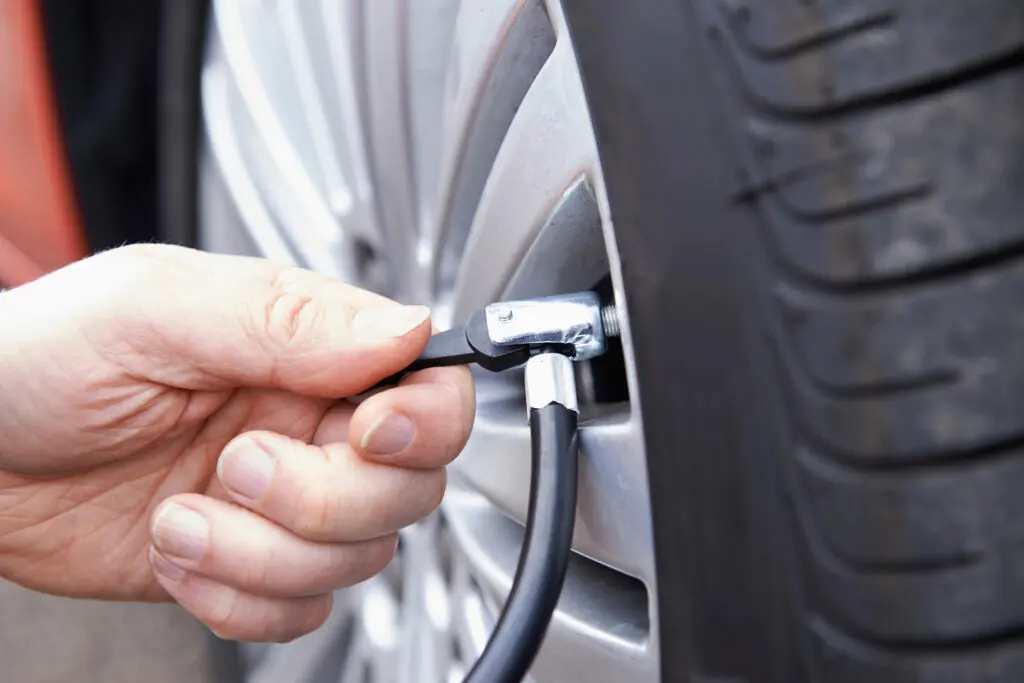
An air compressor adds air back into your tire quickly. Find the tire’s valve stem and remove the cap. Attach the compressor hose firmly to the valve.
Turn on the compressor and watch the pressure gauge. Add air in short bursts to avoid overfilling. Stop when the gauge shows the correct pressure.
Checking Optimal Pressure
Check your car manual or the sticker inside the driver’s door for the right tire pressure. It usually shows pressure in pounds per square inch (PSI).
Use a tire pressure gauge to measure the tire’s pressure. Compare it with the recommended PSI. Inflate or deflate the tire until the pressure matches.
- Find the recommended PSI for your tires
- Use a pressure gauge to check current PSI
- Adjust air until PSI matches recommendation
Sealing The Valve Cap
After inflating, put the valve cap back on tightly. The cap stops dirt and moisture from entering the valve. It also helps keep the air inside the tire.
Make sure the cap fits snugly. Check it regularly to keep your tire pressure stable and your car safe.
Common Mistakes To Avoid
Letting air out of a car tire needs care and attention. Many people make simple errors that can cause problems later.
This guide points out common mistakes to avoid when deflating your tires. Follow these tips to keep your tires safe and working well.
Deflating Without Monitoring Pressure
Letting air out without checking the pressure can cause underinflation or overdeflation. Both can harm your tire and reduce safety.
- Use a tire pressure gauge to check the pressure first.
- Let air out slowly and recheck pressure frequently.
- Stop deflating once you reach the recommended pressure.
Damaging The Valve Stem
The valve stem is delicate and can break if not handled carefully. Damage can cause air leaks and make inflation hard.
| Common Valve Stem Mistakes | Effects |
|---|---|
| Using too much force | Valve stem breaks or bends |
| Removing valve cap carelessly | Dirt enters and causes leaks |
| Not replacing old valve stems | Air loss over time |
Ignoring Tire Manufacturer Guidelines
Each tire has specific rules for pressure and deflation. Ignoring these can cause damage or reduce tire life.
- Check the tire sidewall or manual for pressure limits.
- Do not deflate below the minimum pressure stated.
- Follow any special instructions from the manufacturer.

Credit: www.oreillyauto.com
Frequently Asked Questions
How Do You Safely Let Air Out Of A Tire?
To safely let air out, locate the valve stem on the tire. Remove the cap and gently press the center pin with a small tool or your fingernail. Monitor the pressure using a tire gauge to ensure you don’t release too much air.
Replace the valve cap once done.
What Tool Is Needed To Deflate A Tire?
A tire pressure gauge is useful to monitor air levels when deflating. Additionally, a small tool or your fingernail can press the valve stem pin to release air. Some people also use a valve core removal tool for more control over air release.
Can Letting Air Out Damage The Tire?
Letting air out won’t damage the tire if done carefully. Ensure you don’t release too much air, as underinflated tires can lead to poor fuel efficiency and uneven wear. Always check the tire pressure with a gauge to maintain optimal levels for safety and performance.
How Long Does It Take To Deflate A Tire?
Deflating a tire can take a few minutes, depending on the desired air pressure reduction. Press the valve stem pin and listen for the hiss of escaping air. Regularly check with a tire gauge to avoid over-deflation, ensuring a safe and controlled process.
Conclusion
Letting air out of a car tire is simple and quick. Use a valve tool or press the valve stem gently. Check the pressure often to avoid letting out too much air. This helps keep your tires safe and working well.
Always do this on a flat surface for safety. Knowing how to do it yourself saves time and money. Keep a tire pressure gauge handy for best results. Practicing this skill can make car care easier. Stay safe and keep your tires in good shape.