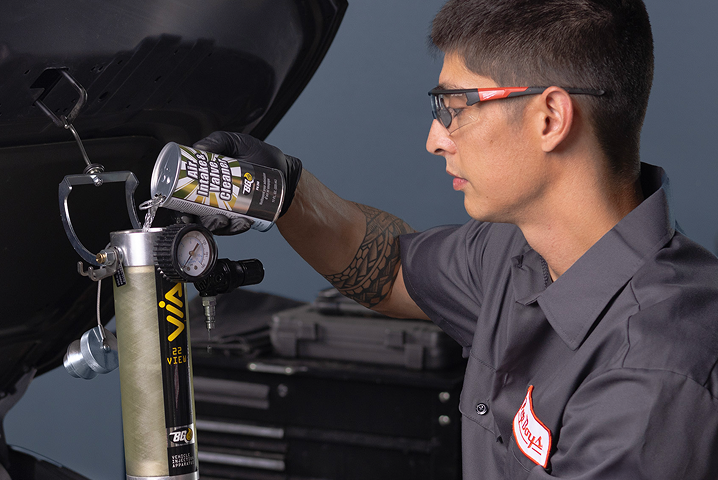
Ever wondered what’s going on under the hood of your car to keep it running smoothly? One crucial aspect is the fuel system, which plays a vital role in your vehicle’s performance and efficiency.
But, like all components, it needs some TLC to function at its best. That’s where a fuel system service comes in. Imagine having a cleaner, more efficient engine that could save you money on fuel and prevent costly repairs. Intrigued?
This article will unravel the mystery of what a fuel system service is, why it’s important for your vehicle, and how it can make your driving experience better. Stick around to discover how this simple service could be the key to unlocking your car’s full potential.
Fuel System Components
The fuel system delivers fuel to the engine for combustion. It has several parts that work together.
Each part plays a key role in keeping the engine running smoothly and efficiently.
Fuel Tank And Pump
The fuel tank stores gasoline or diesel safely. It keeps fuel until the engine needs it.
The fuel pump moves fuel from the tank to the engine. It creates pressure to keep fuel flowing.
Fuel Injectors
Fuel injectors spray fuel into the engine’s cylinders. They control the amount and timing of fuel delivery.
Proper injector function helps the engine burn fuel efficiently and reduces emissions.
Fuel Filter
The fuel filter cleans dirt and rust from the fuel. It protects the engine from damage.
A clogged filter can reduce engine power and cause rough running.
Air Intake And Fuel Mix
The air intake brings air into the engine. The engine mixes air with fuel for combustion.
Good air and fuel mixing improves engine power and fuel economy.
Signs Of Fuel System Issues
The fuel system sends fuel to your engine to keep it running smoothly. When the system has problems, your car may show signs that something is wrong. Knowing these signs helps you fix issues early.
Here are some common signs that your fuel system might need a service.
Engine Misfires
Engine misfires happen when fuel does not burn properly in the engine. You may feel the engine shake or hear popping sounds. Misfires can cause your car to run rough and lose power.
Poor Fuel Efficiency
If your car uses more fuel than usual, the fuel system might be the cause. Dirty fuel injectors or clogged filters can stop fuel from flowing correctly, lowering your miles per gallon.
- Fuel leaks
- Clogged fuel filters
- Faulty fuel injectors
- Bad fuel pressure regulator
Difficulty Starting
When your car struggles to start, the fuel system may not be delivering enough fuel to the engine. This can cause hard starts or long cranking times before the engine runs.
Check Engine Light
The check engine light can turn on for many reasons. Fuel system problems are one cause. Sensors detect issues like low fuel pressure or injector faults and trigger the light.
| Symptom | Possible Fuel System Issue |
| Engine Misfires | Clogged injectors, poor fuel quality |
| Poor Fuel Efficiency | Fuel leaks, dirty filters |
| Difficulty Starting | Weak fuel pump, blocked fuel lines |
| Check Engine Light | Sensor alerts for fuel pressure or injectors |
Fuel System Service Procedures
A fuel system service keeps your engine running smoothly. It removes dirt and checks parts that deliver fuel.
This service improves fuel efficiency and prevents engine problems. It involves cleaning, inspecting, and testing several components.
Cleaning Fuel Injectors
Fuel injectors spray fuel into the engine. Dirt can block them, reducing engine power. Cleaning injectors removes buildup and restores flow.
- Use special cleaning fluids or ultrasonic cleaners.
- Remove injectors if needed for deep cleaning.
- Check spray pattern and flow after cleaning.
- Reinstall injectors carefully to avoid leaks.
Replacing Fuel Filters
Fuel filters catch dirt before fuel reaches the engine. A clogged filter reduces fuel flow and engine performance. Replace filters regularly to keep fuel clean.
| Filter Type | Replacement Interval |
|---|---|
| Paper Fuel Filter | Every 20,000 miles |
| Cartridge Fuel Filter | Every 30,000 miles |
| In-tank Fuel Filter | Check during major service |
Inspecting Fuel Pump
The fuel pump sends fuel from the tank to the engine. Inspect it for leaks, noises, and pressure drops. Early checks avoid breakdowns and costly repairs.
- Listen for unusual noises during engine start.
- Check for fuel leaks near the pump area.
- Inspect electrical connections and wiring.
- Replace the pump if pressure is low or inconsistent.
Testing Fuel Pressure
Fuel pressure must stay within set limits for proper engine operation. Use a gauge to test pressure at the fuel rail. Compare results to manufacturer specs.
| Fuel Pressure Test Results | Action Required |
|---|---|
| Within Spec | No action needed |
| Below Spec | Check pump and filter |
| Above Spec | Inspect pressure regulator |

Credit: www.sydneymazda.ca
Benefits Of Regular Fuel System Service
A fuel system service cleans parts like fuel injectors and filters. It helps your engine work better and lasts longer.
Regular service stops dirt and deposits from harming the engine. It also saves fuel and reduces pollution.
Improved Engine Performance
Cleaning the fuel system lets fuel flow smoothly. This helps the engine run stronger and with fewer problems.
Enhanced Fuel Economy
A clean fuel system uses fuel more efficiently. This means your car uses less gas for the same distance.
- Better fuel spray from clean injectors
- More complete fuel burning
- Less fuel waste
Reduced Emissions
A well-maintained fuel system lowers harmful gases from the exhaust. It helps the environment and keeps your car within emission rules.
| Emission Type | Effect of Service |
| Carbon Monoxide (CO) | Reduced by cleaner fuel burning |
| Hydrocarbons (HC) | Lower due to fewer fuel deposits |
| Nitrogen Oxides (NOx) | Decreased with better combustion |
Extended Engine Life
Fuel system service removes dirt that can cause damage. This keeps engine parts safe and helps the engine last longer.
Key ways service extends engine life:
- Prevents corrosion and wear
- Stops clogging in fuel lines
- Keeps injectors working well
Diy Vs Professional Service
A fuel system service cleans parts that deliver fuel to your engine. It improves engine performance and fuel efficiency. You can do this service yourself or hire a professional.
Choosing between DIY and professional service depends on your skills and tools. Both options have benefits and risks.
When To Diy
DIY fuel system service is good if you have some car knowledge. It saves money and helps you learn about your vehicle.
Simple tasks like adding fuel injector cleaner to the gas tank or replacing fuel filters are easy to do at home.
- You know basic car maintenance
- You have the right tools
- The job involves simple cleaning or replacing filters
- You want to save some money
When To Seek Experts
Choose a professional if the fuel system needs deep cleaning or repairs. Experts have skills to handle complex parts safely.
Fuel pumps, injectors, and fuel lines need careful work. Mistakes can damage your engine or cause leaks.
- The fuel system shows serious problems
- You lack proper tools or knowledge
- Parts need removal or detailed cleaning
- You want a guaranteed, safe service
Tools And Products Needed
Basic DIY fuel system service requires some simple tools and cleaning products. Professionals use advanced equipment.
- Fuel injector cleaner (additive for gas tank)
- Fuel filter wrench (for filter replacement)
- Socket set and screwdrivers (for parts removal)
- Protective gloves and safety glasses
- Fuel system cleaning kit (for deeper cleaning)
Professionals use ultrasonic cleaners and fuel pressure testers. These tools clean injectors and check system health accurately.

Credit: www.commonwealthnissan.com
Maintenance Tips For Fuel System Health
The fuel system keeps your engine running smoothly. Proper care helps avoid costly repairs.
Follow simple tips to keep your fuel system in good shape and improve engine performance.
Use Quality Fuel
Always choose fuel from trusted stations. Poor quality fuel can harm engine parts.
- Pick fuels that meet manufacturer recommendations
- Use the correct octane rating for your vehicle
- Avoid old or contaminated fuel
Avoid Contaminants
Contaminants like dirt and water damage the fuel system. Keep fuel clean and dry.
Keep these points in mind to avoid contaminants:
- Use clean fuel containers for storage
- Check fuel caps for tight seals
- Do not fill fuel tanks in dusty areas
Regular Inspection Schedule
Check the fuel system parts regularly. Early detection stops bigger problems.
| Part | Inspection Frequency | Signs to Watch |
| Fuel Filter | Every 20,000 miles | Engine stalls, poor performance |
| Fuel Lines | Every 15,000 miles | Leaks, cracks, or wear |
| Fuel Injectors | Every 30,000 miles | Rough idling, misfires |
Additives And Cleaners
Use fuel additives to clean the system and improve fuel efficiency. Choose safe products.
- Follow product instructions carefully
- Use additives occasionally, not every fill-up
- Check for additives that remove deposits

Credit: www.washluberepair.com
Frequently Asked Questions
What Does A Fuel System Service Include?
A fuel system service cleans and inspects fuel injectors, filters, and fuel lines. It removes deposits, improves fuel flow, and ensures efficient engine performance.
Why Is Fuel System Service Important?
Fuel system service prevents clogs and buildup that reduce engine power. It enhances fuel efficiency, lowers emissions, and extends engine life.
How Often Should I Get A Fuel System Service?
Most experts recommend fuel system service every 30,000 to 50,000 miles. Frequency depends on vehicle type and driving conditions.
Can Fuel System Service Improve Car Performance?
Yes, cleaning the fuel system restores smooth fuel delivery. This leads to better acceleration, smoother idling, and improved fuel economy.
Conclusion
A fuel system service keeps your car running smooth and clean. It removes dirt and buildup from fuel parts. This helps improve engine power and fuel use. Regular service can prevent costly repairs later. It also reduces harmful emissions from your vehicle.
Trust professionals to check and clean your fuel system. This simple step protects your car and the environment. Keep your engine healthy and save money. A fuel system service is smart car care.