
Have you ever stepped into your home expecting cool, refreshing air, only to feel sticky and uncomfortable instead? When your air conditioner feels humid, it can be frustrating and confusing.
You rely on your AC to keep your space comfortable, but what happens when it seems to do the opposite? Understanding why your air conditioner feels humid can help you fix the problem quickly and enjoy the cool relief you deserve.
Keep reading to discover the common reasons behind this issue and how you can solve it today.
Common Signs Of Humid Air Conditioner
An air conditioner that feels humid can make your home uncomfortable. It may not remove moisture from the air well. This can cause several signs you should watch for.
Knowing these signs helps you fix the problem early. Here are some common signs your air conditioner is making the air too humid.
Moisture On Vents
One sign of a humid air conditioner is moisture on the vents. Water droplets or damp spots may form on the vent covers. This means the unit is not removing enough humidity.
Moisture on vents can cause rust or mold growth. It also lowers the air quality inside your home.
Sticky Or Damp Feeling Indoors
If the air feels sticky or damp, your air conditioner may be too humid. This happens when the system fails to pull moisture from the air. It leaves the indoor air heavy and uncomfortable.
This sticky feeling can make it harder to cool down. It may also cause skin irritation or breathing problems.
Visible Condensation
You might see visible condensation on windows or walls. This happens when humid air meets cooler surfaces. The moisture in the air turns into water droplets.
Condensation can cause damage like peeling paint or mold growth. It shows your air conditioner is not controlling humidity well.
Role Of Air Conditioner In Humidity Control
An air conditioner cools the air inside a room. It also helps reduce humidity levels. Humidity is the amount of moisture in the air.
High humidity makes a room feel sticky and uncomfortable. Air conditioners remove some moisture to make the air feel cooler and drier.
How Ac Removes Moisture
When warm air passes over cold coils in the AC, moisture in the air turns into water. This process is called condensation.
The water collects and drains away, lowering the humidity inside the room. This makes the air feel cooler and less sticky.
- Warm air enters the AC unit
- Air cools down on cold coils
- Moisture turns into water drops
- Water drains out of the system
- Dryer, cooler air returns to the room
When Dehumidification Fails
Sometimes, an air conditioner may cool the air but still feel humid. This happens if the AC cannot remove enough moisture.
Common reasons include dirty filters, low refrigerant, or a blocked drain line. These issues stop the AC from working well.
- Dirty air filters block airflow
- Low refrigerant reduces cooling
- Blocked drain stops water removal
- Wrong AC size for the room
Clogged Or Dirty Air Filters
Air filters clean the air going into your air conditioner. Dirt and dust can block these filters. This causes problems with how your AC works.
One common issue is that your air conditioner may feel humid. This happens because clogged filters stop air from moving well inside the unit.
Impact On Airflow
Dirty air filters reduce the airflow in your AC system. Less airflow means the air conditioner cannot cool your room properly. This also makes the unit work harder and less efficiently.
- Air moves slower through clogged filters
- Cooling coils get less air to absorb heat
- Air conditioner runs longer to cool the space
- Energy use and wear on parts increase
Effect On Moisture Levels
When airflow is low, moisture removal drops. AC units remove humidity by cooling warm air and collecting water. Clogged filters stop enough air from reaching the coils. This causes water to build up inside the system.
| Filter Condition | Airflow | Moisture Removal | Humidity Feeling |
| Clean | Good | Effective | Low |
| Clogged | Poor | Ineffective | High |

Credit: homexplumbing.com
Blocked Or Damaged Drain Lines
Your air conditioner removes moisture from the air. It drains this water through drain lines. If these lines are blocked or damaged, water cannot flow out properly.
When water backs up inside your AC, it can make the air feel humid. This problem can also harm the system and cause leaks.
Water Backup Issues
Blocked drain lines cause water to collect inside the AC unit. This water may overflow and leak into your home. The backup stops the AC from removing moisture well.
Water backup can damage parts of your AC system. It can lead to mold growth and bad smells. This makes your air feel sticky and humid.
Signs Of Drainage Problems
You can spot drainage problems by watching for certain signs. These signs warn you before serious damage happens.
- Water pooling near the indoor AC unit
- Unusual musty or moldy smells
- Higher humidity in the cooled rooms
- AC system shutting off unexpectedly
- Visible cracks or damage on drain pipes
Checking drain lines regularly helps prevent these issues. Fixing blockages or damage keeps your AC working well.
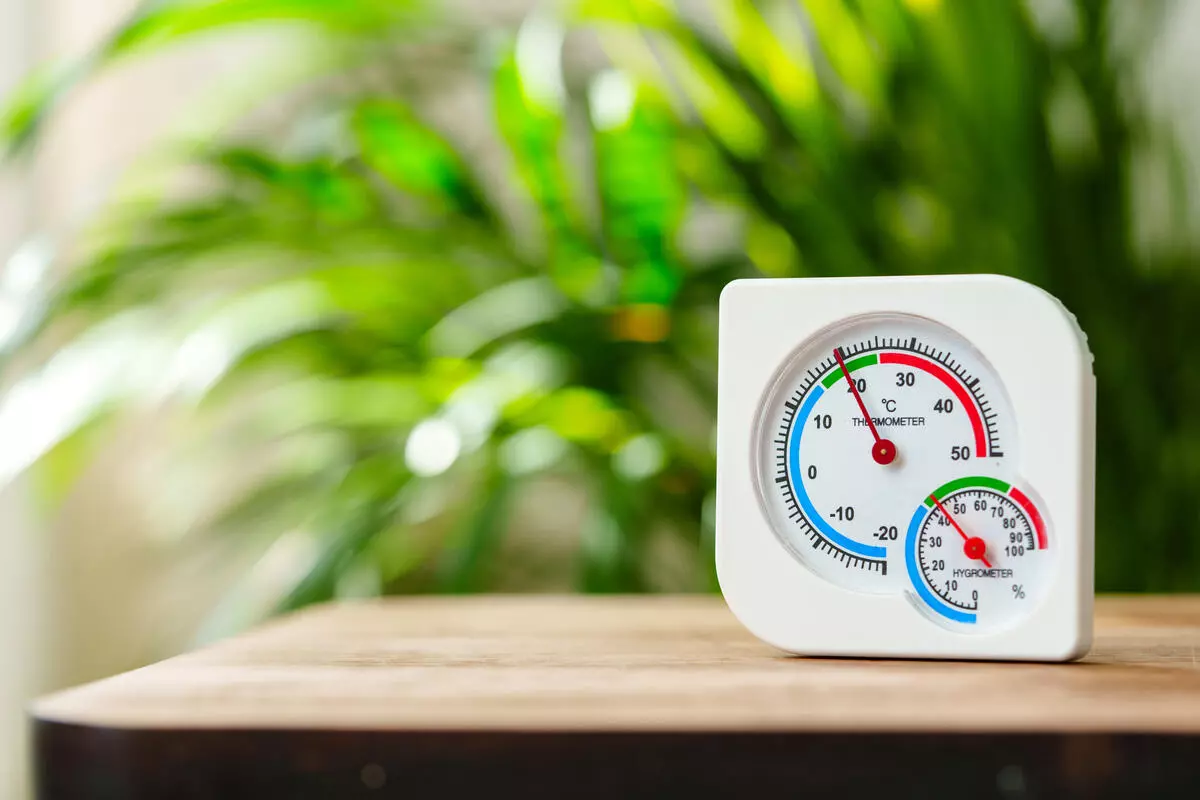
Improper Thermostat Settings
Your air conditioner may feel humid because of wrong thermostat settings. These settings control temperature and humidity inside your home.
If the thermostat is not set correctly, your air conditioner cannot remove moisture well. This causes the air to feel damp or sticky.
Temperature And Humidity Link
The temperature setting on your thermostat affects how much moisture your AC removes. Cooler air holds less moisture, so lower temperatures reduce humidity.
If the temperature is set too high, the AC runs less and removes less moisture. This leaves the air feeling humid inside your home.
Optimizing Settings
Set your thermostat to a temperature that helps your AC run enough to remove moisture. Avoid setting it too high or too low.
- Keep the temperature between 72°F and 78°F for comfort and moisture control.
- Use a programmable thermostat to adjust settings when you are away.
- Check if your thermostat has a humidity control feature and set it properly.
Credit: www.etrhvac.com
Low Refrigerant Levels
Low refrigerant levels can make your air conditioner feel humid. The system struggles to cool and remove moisture from the air. This causes the air inside your home to feel sticky and damp.
Refrigerant is a key part of the cooling process. If there is not enough refrigerant, the air conditioner cannot work properly. This often leads to excess humidity indoors.
Causes Of Refrigerant Leaks
Refrigerant leaks cause low levels in your air conditioner. These leaks can happen for several reasons. Knowing the causes can help you spot the problem early.
- Worn or damaged seals and gaskets
- Corrosion in the refrigerant lines
- Loose or broken fittings and connections
- Physical damage to coils or pipes
- Improper installation or maintenance
Impact On Humidity
| Effect | Description |
|---|---|
| Reduced Cooling | The AC cannot lower temperature well, making rooms warmer. |
| Less Moisture Removal | Humidity stays high because the system cannot condense water vapor efficiently. |
| Increased Energy Use | The unit runs longer to reach the set temperature, wasting energy. |
| Potential Damage | Low refrigerant can cause compressor problems and costly repairs. |
Oversized Or Undersized Ac Units
Air conditioners come in many sizes. Choosing the wrong size can cause problems. Oversized or undersized units may affect how your home feels.
This article explains the effects of wrong-sized AC units. It also helps you pick the right size for your needs.
Effects On Dehumidification
AC units cool the air and remove humidity. The size of the unit affects this process. An oversized AC cools too fast. It stops before removing enough moisture. This leaves the air feeling damp and sticky.
An undersized AC runs constantly but may struggle to cool the space. It removes some humidity but works hard and uses more energy. Both sizes cause discomfort in different ways.
- Oversized AC cycles on and off quickly
- It cools air but does not remove enough moisture
- Undersized AC runs longer to cool the space
- It may not keep up with cooling demand
- Both can cause humid or uncomfortable indoor air
Choosing The Right Size
Selecting the correct AC size improves comfort and saves energy. You need to consider room size, insulation, and sun exposure. A professional can perform a load calculation to find the best size.
| Unit Size | Effect | Comfort Level |
| Oversized | Cools quickly, poor moisture removal | Feels humid |
| Undersized | Runs long, may not cool fully | Feels warm or sticky |
| Right Size | Balanced cooling and dehumidifying | Feels comfortable |
External Humidity Factors
Your air conditioner may feel humid because of outside moisture. The air around your home affects how your AC works.
Understanding these factors helps you know why your AC might not feel cool and dry.
Weather Conditions
Hot and wet weather raises the humidity outside your home. This makes it harder for your AC to remove moisture.
After rain or during summer, the air has more moisture. Your AC works harder to keep the air dry.
- High temperatures increase humidity levels
- Rain adds moisture to the air
- Humid air limits AC’s ability to cool well
Indoor Moisture Sources
Inside your home, many things add moisture to the air. These sources raise humidity and affect AC performance.
Cooking, showering, and drying clothes release water vapor indoors. This makes the air feel humid.
- Boiling water and cooking steam
- Showers and baths without proper ventilation
- Wet clothes drying inside the house
- Houseplants that release moisture
Maintenance Tips To Reduce Humidity
High humidity from your air conditioner can make your home uncomfortable. Proper maintenance helps lower the moisture levels.
Simple care steps keep your AC running well and reduce humidity in the air.
Regular Filter Cleaning
Dirty filters block airflow and reduce cooling efficiency. This can cause your AC to fail removing enough moisture.
Clean or replace filters every month or two during heavy use. This helps your air conditioner work better and dry the air.
- Turn off the AC before cleaning filters
- Use a vacuum or wash washable filters
- Replace disposable filters as needed
Drain Line Checks
The drain line removes water collected by the AC. A clogged line causes water to build up and increase humidity.
Check the drain line regularly and clear any blockages. This stops water from backing up and keeps humidity low.
- Look for leaks or water around the indoor unit
- Use a wet/dry vacuum to clear clogs
- Pour a mixture of bleach and water to prevent mold
Professional Inspections
Technicians find hidden problems that cause humidity. They check refrigerant levels and system parts.
Schedule yearly inspections to keep your AC in good shape and control moisture better.
- Check refrigerant pressure and leaks
- Inspect coils and clean them if needed
- Test thermostat and airflow performance
Credit: www.glorsheating.com
Frequently Asked Questions
Why Does My Air Conditioner Feel Humid Inside?
Your AC might have clogged filters or blocked drains, causing poor moisture removal. Regular maintenance ensures effective humidity control.
Can A Dirty Air Filter Cause Humidity Issues?
Yes, dirty filters restrict airflow, reducing your AC’s ability to remove moisture. Clean or replace filters monthly for best results.
How Does An Ac Remove Humidity From Air?
Air conditioners cool air by removing heat and moisture. Condensation forms on coils, draining excess humidity outside your home.
Does Low Refrigerant Level Increase Indoor Humidity?
Low refrigerant reduces cooling efficiency, making your AC struggle to dehumidify. A professional can check and recharge refrigerant if needed.
Conclusion
Understanding why your air conditioner feels humid is important. It can be due to several factors. Check if the air filter is clean. See if the unit size matches your room. Consider the age of your air conditioner. Old units may not cool well.
Humidity might also be from a refrigerant leak. Regular maintenance helps keep it efficient. If issues persist, consult a professional technician. They can identify and fix the problem. A well-functioning air conditioner should cool and dehumidify your home. Enjoy a comfortable and dry indoor environment.