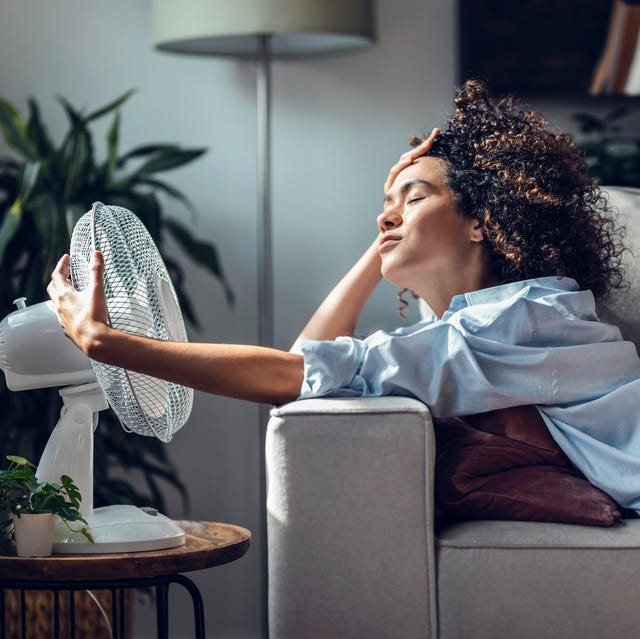
Feeling trapped in a hot room with no air conditioner? You’re not alone, and luckily, you don’t have to suffer through the heat.
Imagine stepping into a cool, refreshing space without spending a dime on electricity or bulky machines. You can make your room feel comfortable again with simple, smart tricks that anyone can do. Keep reading, and you’ll discover easy ways to beat the heat and bring cool relief to your space right now.
Your comfort is closer than you think!
Use Fans Strategically
Fans are a simple way to cool a room without an air conditioner. They move air around and help you feel cooler.
Using fans in the right spots makes a big difference. You can make the air flow better and lower the temperature.
Position Fans To Circulate Air
Place fans where they can move air across the room. Aim them near windows or open doors to push warm air outside.
- Set a fan near a window facing out to push hot air outside.
- Use a fan in the center of the room to spread cool air evenly.
- Keep fans away from furniture that blocks airflow.
- Adjust fan height for best air movement.
Create A Cross Breeze
A cross breeze helps cool a room faster. Place two fans opposite each other near windows or doors.
- Open windows or doors on opposite sides of the room.
- Put one fan blowing air into the room from the cooler side.
- Place the second fan blowing air out on the warmer side.
- This moves air through the room and cools it down.
Cool Fans With Ice
Make fans feel cooler by adding ice. This helps blow cold air into the room.
- Fill a shallow bowl with ice cubes.
- Place the bowl in front of the fan.
- The fan blows air over the ice, creating cool airflow.
- Replace the ice as it melts for continued cooling.
Credit: starmax.cy
Block Heat Sources
Keeping a room cool starts by stopping heat from entering. Heat comes from many sources, like sunlight and air leaks. Blocking these sources helps lower the room temperature.
Simple changes can reduce heat build-up. Use curtains, reflective films, and seal gaps to keep your room cooler without an air conditioner.
Close Curtains And Blinds
Sunlight heats a room quickly. Closing curtains and blinds blocks the sun’s rays from entering. This keeps your room cooler during the hottest parts of the day.
Thicker curtains or blackout blinds work best. They stop more heat than thin or sheer ones. Keep them closed especially in south- or west-facing rooms.
Use Reflective Window Films
Reflective window films block sunlight and reduce heat. These films stick to your windows and reflect the sun away. They let light in but keep heat out.
These films are easy to install and save energy. They also protect furniture from fading by reducing UV rays.
Seal Gaps And Cracks
Gaps around windows and doors let hot air enter. Sealing these cracks stops warm air from coming in and cool air from escaping. This helps keep your room temperature steady.
Use weatherstripping or caulk to close gaps. Check areas near window frames, door edges, and vents. Small fixes can make a big difference.
Optimize Ventilation
Cooling a room without an air conditioner needs fresh air flow. Good ventilation helps lower indoor temperature.
Letting hot air escape and cool air enter makes the room feel cooler. Use natural and mechanical ventilation methods.
Open Windows At Night
Nighttime air is cooler than daytime air. Open windows to let cool air in and hot air out.
Cross ventilation works best. Open windows on opposite sides of the room to create airflow.
- Open multiple windows for better air movement
- Use window screens to keep bugs out
- Close windows early in the morning to trap cool air inside
Use Exhaust Fans
Exhaust fans pull hot air out of a room. Place them in kitchens and bathrooms to remove warm, humid air.
Using exhaust fans helps lower indoor temperature and improves air quality. Run fans during hot hours.
- Install fans near heat sources
- Turn fans on before the room gets too hot
- Keep fans clean for better performance
Ventilate Attics And Basements
Attics and basements store heat that can rise into living spaces. Ventilate these areas to reduce heat buildup.
Proper vents or fans in attics and basements move hot air outside. This prevents heat from spreading indoors.
- Use roof vents or attic fans for hot air release
- Open basement windows or install vents to bring fresh air in
- Seal gaps to prevent heat transfer between floors
Control Indoor Humidity
Humidity makes a room feel warmer and stuffy. Controlling moisture can cool your space.
Lower humidity helps sweat evaporate faster. This makes you feel cooler without air conditioning.
Use Dehumidifiers
Dehumidifiers remove excess moisture from the air. This reduces dampness and heat in your room.
- Place dehumidifiers in rooms that feel damp or sticky.
- Empty the water tank regularly to keep it working well.
- Choose a size that fits your room for best results.
Limit Moisture-producing Activities
Some activities add moisture to the air. Reducing these will lower indoor humidity.
- Cook with lids on pots to keep steam down.
- Run exhaust fans during and after showers.
- Avoid boiling large amounts of water indoors.
- Keep houseplants in check; they release moisture.
Dry Clothes Outdoors
Drying clothes indoors adds moisture to the air. Use outdoor spaces to dry laundry.
| Drying Method | Humidity Effect |
| Indoor drying rack | High humidity increase |
| Outdoor clothesline | Minimal humidity impact |
| Electric dryer (vented) | Low indoor humidity |
Adopt Cooling Habits
Keeping a room cool without an air conditioner is possible by using smart habits. These habits help your body stay cool and comfortable.
Simple daily actions can reduce heat and make you feel fresher indoors.
Stay Hydrated
Drinking plenty of water helps your body cool down naturally. Water keeps your temperature balanced and stops you from feeling overheated.
Try to drink water regularly throughout the day. Avoid sugary or caffeinated drinks that can cause dehydration.
Wear Light Clothing
Choose clothes made from light fabrics like cotton or linen. These materials let air flow and absorb sweat, keeping you cool.
Wear loose-fitting clothes to allow better air circulation around your body.
- Light colors reflect sunlight
- Loose clothes prevent heat buildup
- Natural fabrics breathe better than synthetic ones
Use Cooling Towels
Cooling towels help lower your skin temperature. Wet the towel with cold water and place it on your neck or forehead.
These towels stay cool for a long time and give quick relief from heat.
Modify Lighting And Appliances
Cooling a room without an air conditioner means reducing heat sources. Changing your lighting and appliance use helps lower indoor temperatures.
Small changes in lighting and appliance habits can make a big difference in room temperature. These steps are easy and save energy too.
Switch To Led Bulbs
LED bulbs use less energy and produce less heat than traditional bulbs. This helps keep your room cooler.
Replacing old bulbs with LEDs can reduce the heat from lighting by a large amount. LEDs also last longer, saving money.
Limit Use Of Heat-generating Devices
Devices like ovens, stoves, and dryers create a lot of heat. Use them less during hot times of the day to keep your room cool.
Try cooking outdoors or use microwave ovens which produce less heat. Avoid running dryers during the hottest hours.
- Cook meals early morning or late evening
- Use slow cookers or pressure cookers
- Dry clothes outside if possible
Turn Off Unused Electronics
Electronics produce heat when turned on, even in standby mode. Switch off devices you are not using to reduce room temperature.
Unplug chargers, TVs, and computers if they are not needed. This simple step can lower heat and save electricity.
Add Natural Cooling Elements
Cooling a room without an air conditioner is possible by using natural methods. Adding natural cooling elements helps lower the temperature and improve comfort.
These elements work by increasing airflow, providing shade, and adding moisture to the air. They create a cooler and fresher indoor environment.
Bring In Houseplants
Houseplants release moisture into the air through a process called transpiration. This moisture cools the air around them naturally.
Plants also absorb heat and improve air quality. Choose plants that thrive indoors and require little care to enjoy these benefits.
- Spider plants
- Boston ferns
- Areca palms
- Snake plants
Use Water Features
Water features like small fountains or bowls of water help cool a room. They add moisture to the air and create a cooling effect.
The evaporation of water lowers the room temperature. Position water features near windows or fans to spread cool air better.
- Tabletop fountains
- Bowls with ice cubes
- Indoor waterfalls
Install Shade Trees Outside
Shade trees block sunlight from hitting your windows and walls. This reduces heat entering your home and cools indoor spaces.
Plant trees that grow quickly and have wide leaves. Place them on the sunny sides of your house for the best cooling effect.
- Maple trees
- Oak trees
- Elm trees
- Birch trees

Credit: www.ikea.com

Credit: www.prwe.com
Frequently Asked Questions
How Can I Cool A Room Without An Air Conditioner?
Use fans strategically, keep windows shaded, and close curtains during the day. Cross-ventilate by opening windows at night to let cool air in.
What Natural Methods Reduce Indoor Heat Effectively?
Plants, natural fiber rugs, and reflective window films help. Using light-colored curtains and increasing airflow also lowers indoor temperatures naturally.
Can Using Fans Alone Make A Room Cooler?
Yes, fans circulate air, creating a wind-chill effect that makes you feel cooler. They don’t lower room temperature but improve comfort.
Are There Affordable Ways To Keep Rooms Cool?
Yes, using DIY ice fan trick, sealing leaks, and ventilating at night are cheap and effective cooling methods without AC.
Conclusion
Keeping a room cool without an air conditioner is possible. Simple steps can make a big difference. Use fans to circulate air. Close curtains during the hottest hours. Consider placing plants in the room. They help cool the air. Try using a damp cloth on your skin.
It provides instant relief. Open windows at night for fresh, cool air. Small changes can lead to great comfort. Stay cool and comfortable all summer long. Enjoy a refreshing, air-conditioned-free space.