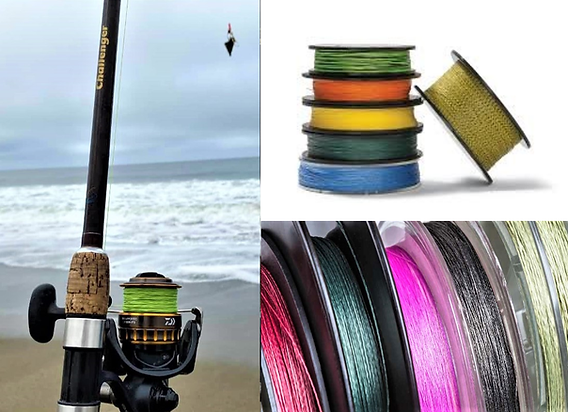
Are you wondering if braided fishing line is the right choice for your next fishing trip? Choosing the right line can make a big difference in your catch and overall experience.
Braided line promises strength, sensitivity, and durability, but is it really the best fit for your fishing style? You’ll discover the key benefits and potential drawbacks of braided fishing line, helping you decide if it’s worth adding to your tackle box.
Keep reading to find out how this line could change the way you fish.
Benefits Of Braided Fishing Line
Braided fishing line is a popular choice for many anglers. It offers unique benefits that help improve fishing performance.
This type of line is made from woven fibers, making it strong and reliable for different fishing conditions.
Strength And Durability
Braided fishing line has high strength compared to other lines of the same thickness. It can handle heavy fish without breaking.
It resists abrasion well, so it lasts longer around rocks, weeds, and sharp objects in the water.
- Stronger than monofilament of the same size
- Less likely to snap under heavy loads
- Resists cuts and wear from rough surfaces
Sensitivity And Bite Detection
Braided line has very little stretch. This helps anglers feel even small bites clearly through the line.
Better sensitivity means you can react faster and set the hook more effectively.
- Little to no stretch improves feel
- Detects subtle fish movements easily
- Increases hook setting success
Casting Distance And Accuracy
Braided line is thin and smooth, which helps it flow off the reel easily. This can increase casting distance.
The line’s thin diameter reduces air resistance, allowing for more precise and longer casts.
- Thin diameter improves casting distance
- Smoother flow reduces friction on guides
- Better control for accurate casts

Credit: www.amazon.ca
Types Of Braided Fishing Lines
Braided fishing lines are popular for their strength and durability. They come in different types based on materials, size, and color.
Knowing the types helps you choose the right line for your fishing needs. Let’s look at the main features of braided lines.
Materials Used
Most braided lines are made from synthetic fibers. These fibers give the line its strength and flexibility.
Common materials include Spectra, Dyneema, and polyethylene. They are lightweight but very strong.
- Spectra: Known for high strength and low stretch
- Dyneema: Offers excellent abrasion resistance
- Polyethylene: Lightweight and durable
Diameter And Test Strength
The diameter of braided lines is usually smaller than other types. This helps in casting longer distances.
Test strength shows how much weight the line can hold before breaking. It is important to match this with your fishing needs.
| Diameter (inches) | Test Strength (lbs) |
|---|---|
| 0.10 | 10-15 |
| 0.15 | 20-30 |
| 0.20 | 40-50 |
| 0.30 | 60-80 |
| 0.40 | 100+ |
Color Options
Braided lines come in many colors. Color choice helps with visibility and fishing conditions.
Some colors blend in with water, while others stand out for easier tracking.
- Green: Good for freshwater fishing
- Blue: Blends with clear water
- Yellow: Easy to see above water
- White: Works well in bright light
- Multicolor: Shows depth and line length
Comparing Braided Line With Other Lines
Choosing the right fishing line is important for a good fishing experience. Braided line is one option among many. It is different from monofilament and fluorocarbon lines in many ways.
Understanding these differences helps you decide if braided line fits your fishing needs. Let’s compare braided line with other popular lines.
Braided Vs Monofilament
Braided line is made of many thin fibers woven together. It is very strong and thin for its strength. Monofilament is a single strand of plastic that is thicker.
Braided line has almost no stretch. Monofilament stretches a lot, which helps absorb shocks. Monofilament is easier to handle for beginners because it is soft and flexible.
- Braided:Strong, thin, no stretch
- Monofilament:Thicker, stretchy, easy to knot
- Use braided for:Long casts and heavy cover fishing
- Use monofilament for:Beginners and light fishing
Braided Vs Fluorocarbon
Fluorocarbon line is clear and sinks faster than braided line. Braided line floats on water because it is made of fibers. Fluorocarbon is less visible underwater.
Braided line is stronger and thinner, but more visible above water. Fluorocarbon is better for clear water and finicky fish. You can also use fluorocarbon as a leader with braided line.
- Braided:Strong, floats, visible above water
- Fluorocarbon:Clear, sinks, less visible underwater
- Use braided for:Cover and distance casting
- Use fluorocarbon for:Clear water and stealth fishing
Cost And Longevity
Braided line usually costs more per spool than monofilament. Fluorocarbon is often the most expensive. Braided line lasts longer because it resists UV and abrasion well.
Monofilament breaks down faster in sunlight. Fluorocarbon lasts longer than monofilament but less than braided line. Replacing line depends on how often you fish and conditions.
| Line Type | Cost | Longevity |
|---|---|---|
| Braided | Moderate to High | Long-lasting |
| Monofilament | Low | Shorter lifespan |
| Fluorocarbon | High | Moderate lifespan |
Best Uses For Braided Fishing Line
Braided fishing line offers strength and sensitivity. It is thinner than monofilament of the same strength.
Knowing where and how to use braided line can improve fishing results. Here are the best uses for braided fishing line.
Freshwater Fishing
Braided line works well in freshwater because of its low stretch and high strength. It helps anglers feel bites better.
- Fishing in heavy cover like weeds and brush
- Using small lures that need sensitivity
- Fishing for bass, pike, and walleye
- When long casting is needed
Saltwater Fishing
Saltwater conditions demand strong and durable line. Braided line resists abrasion from rocks and coral.
| Saltwater Use | Benefit of Braided Line |
| Surf fishing | Long casts and strong pull |
| Boat fishing | Handles heavy fish and rough structures |
| Deep sea fishing | Strong line with low stretch |
Target Species
Different fish species require different line strengths. Braided line suits many types because it is strong and thin.
Common target species for braided line include:
- Bass – for clear water and heavy cover
- Catfish – for strong pulling power
- Trout – for light, sensitive line
- Saltwater game fish like tuna and snapper
Tips For Using Braided Line Effectively
Braided fishing line is strong and thin. It lets you feel bites better and cast farther. To get the best use, you need some tips for handling it right.
Using braided line has special needs. These tips help you tie knots well, set leaders, and keep the line in good shape.
Knot Tying Techniques
Tying knots with braided line can be tricky because it is slippery. Use knots that hold tight and do not slip. Double-check your knots before fishing.
- Use knots like the Palomar or Double Uni for strength
- Wet the line before tightening the knot to avoid friction
- Trim the tag end close to the knot but leave a small tail
- Practice tying knots to become faster and more confident
Leader Setup
Braided line is visible to fish, so use a leader to avoid spooking them. Attach a fluorocarbon or monofilament leader for a better catch rate.
Keep your leader length between 12 and 36 inches. Match the leader strength to your target fish and fishing conditions.
- Use a strong knot like the FG knot to connect braid to the leader
- Choose leader material based on water clarity and fish species
- Check the leader for damage and replace it often
Line Maintenance
Braided line lasts longer with proper care. Clean it after use to remove dirt and salt. Store it in a cool, dry place to avoid damage.
Check your line regularly for frays or cuts. Replace the line if it shows signs of wear to prevent losing fish.
- Rinse line with fresh water after saltwater fishing
- Keep line away from direct sunlight to prevent weakening
- Use a line conditioner to reduce memory and tangles

Credit: www.amazon.ca
Common Challenges And Solutions
Braided fishing line is popular for strength and sensitivity. Still, it brings some challenges anglers must handle.
This guide covers common issues with braided line and offers practical solutions for better fishing.
Line Visibility
Braided lines are very visible in clear water. This can scare fish away and reduce catch rates.
- Use a fluorocarbon leader to hide the line near the bait.
- Choose braided lines in colors that blend with water color.
- Fish early or late in the day when light is low to reduce visibility.
Abrasion Resistance
Braided line can fray quickly against rough surfaces. Abrasion weakens the line and risks breakage.
| Cause | Effect | Solution |
|---|---|---|
| Rocks and sharp edges | Line frays or cuts | Check line often; replace if damaged |
| Boat or dock rub | Weak spots form | Use protective tubing or sleeves |
| Fish teeth or claws | Line snaps | Add a leader with higher abrasion resistance |
Handling Line Memory
Braided line can twist and loop, causing line memory. This leads to tangles and knots.
Tips to reduce line memory:
- Use a quality reel with a smooth drag system.
- Keep line tension consistent while casting.
- Regularly straighten the line by hand.
- Store the reel properly to avoid loose coils.

Credit: www.reddit.com
Frequently Asked Questions
What Are The Benefits Of Using Braided Fishing Line?
Braided fishing line offers high strength and durability. It has low stretch, improving sensitivity for better bite detection. Braided line also has excellent abrasion resistance, making it ideal for tough fishing conditions.
Is Braided Line Better Than Monofilament?
Braided line is stronger and thinner than monofilament. It provides better sensitivity and longer casting distance. However, monofilament has more stretch and is easier to knot. The choice depends on your fishing style and target species.
Can Braided Line Be Used For Saltwater Fishing?
Yes, braided line is excellent for saltwater fishing. It resists abrasion from rocks and sharp fish teeth. Braided line also handles heavy loads and rough conditions well, making it a popular choice among saltwater anglers.
How To Knot Braided Fishing Line Properly?
Use knots like the Palomar or Double Uni for braided line. These knots hold better due to braided line’s slippery texture. Always moisten the knot before tightening to prevent line damage and ensure a strong, secure hold.
Conclusion
Choosing braided fishing line depends on your fishing needs. It offers strength and sensitivity, ideal for tough conditions. Yet, it may not suit clear waters due to visibility. Consider your target fish and environment. Braided lines excel in heavy cover and deep waters.
They resist abrasion and provide excellent hook sets. On the downside, they can be more visible to fish. Evaluate your priorities and fishing style. Balance the pros and cons. Then decide if braided fishing line fits your tackle box. The right choice enhances your fishing experience.
Enjoy your time on the water!