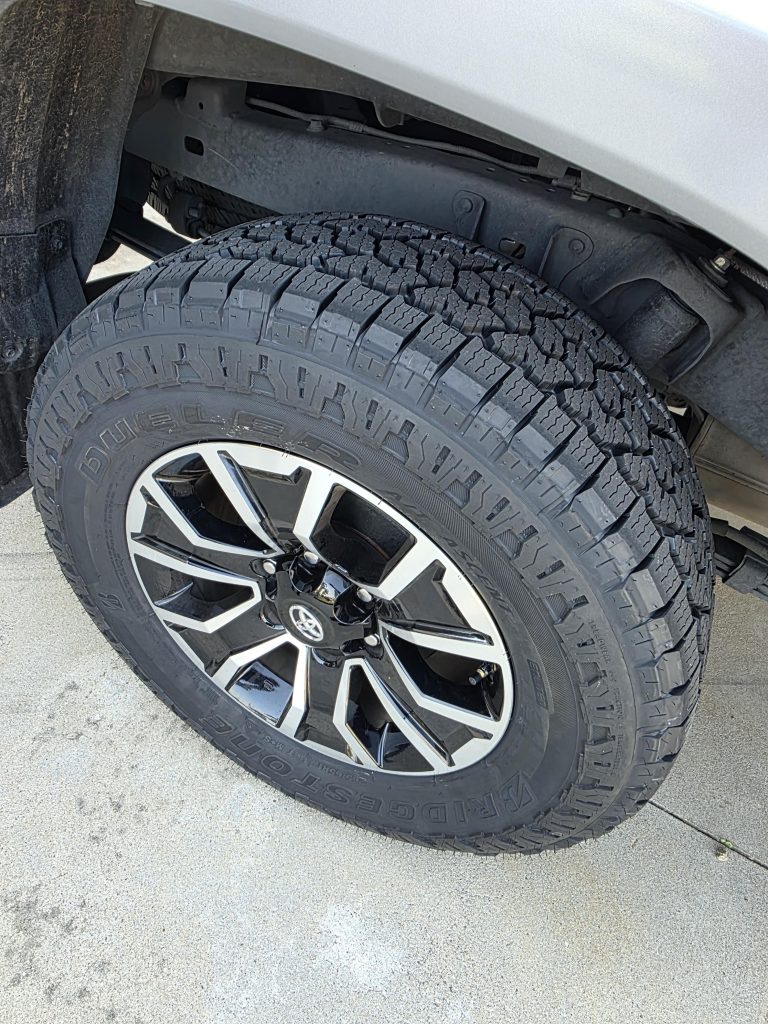
Are you wondering if the tires on your new car are protected under the warranty? It’s a question many new car owners ask but don’t always find clear answers to.
Tires are a crucial part of your vehicle’s safety and performance, so knowing if they’re covered can save you money and stress down the road. You’ll discover exactly what your new car warranty covers when it comes to tires—and what it doesn’t.
Keep reading to avoid unexpected costs and make sure you get the most out of your warranty.
New Car Warranty Basics
When you buy a new car, it usually comes with a warranty. This warranty helps cover the cost of repairs for certain parts. Knowing what is covered can save you money and stress.
This guide explains the basics of new car warranties. It covers the types of coverage, how long the warranty lasts, and what parts are usually not covered.
Types Of Coverage
New car warranties often include different types of coverage. These usually protect the engine, transmission, and other key parts. Some warranties also cover roadside assistance.
- Powertrain Coverage: Protects engine and transmission.
- Bumper-to-Bumper Coverage: Covers most parts except wear items.
- Corrosion Coverage: Covers rust damage on the car body.
- Roadside Assistance: Helps with towing and emergencies.
- Emissions Coverage: Ensures the car meets pollution rules.
Warranty Duration
Warranty length varies by car make and model. It usually lasts for a set number of years or miles driven, whichever comes first. Some warranties offer longer coverage for certain parts.
| Warranty Type | Typical Duration |
| Bumper-to-Bumper | 3 years or 36,000 miles |
| Powertrain | 5 years or 60,000 miles |
| Corrosion | 5 to 12 years |
| Roadside Assistance | Varies by manufacturer |
What’s Typically Excluded
Warranties often exclude parts that wear down with use. Tires are usually not covered because they wear out over time. Other common exclusions include brake pads and windshield wipers.
- Tires and wheels
- Brake pads and rotors
- Windshield wipers
- Damage from accidents or misuse
- Regular maintenance services

Credit: www.reddit.com
Tire Coverage In Warranties
Tires are important for vehicle safety and performance. Many people wonder if new car warranties cover tires. The answer depends on the type of warranty and coverage offered.
This guide explains the common types of tire coverage under new car warranties. It helps you understand what is included and what is not.
Manufacturer’s Tire Warranty
Most car manufacturers offer a tire warranty for tires that come with a new car. This warranty usually covers defects in materials and workmanship. It does not cover normal tire wear or damage from road conditions.
- Coverage length varies, often from 2 to 6 years
- Covers tire defects and premature tread wear
- Does not cover punctures or damage from accidents
- Must follow proper tire maintenance rules
Separate Tire Warranties
Tires may come with a separate warranty from the tire maker. This warranty is different from the car’s manufacturer warranty. It usually covers tread life and workmanship for a set number of miles.
| Warranty Type | What It Covers | Typical Duration |
|---|---|---|
| Treadwear Warranty | Replacement if tread wears out early | 25,000 to 70,000 miles |
| Workmanship Warranty | Defects in materials or workmanship | Varies, often 1 to 3 years |
| Road Hazard Warranty | Damage from road hazards (if included) | Varies, often 1 to 5 years |
Road Hazard Protection
Road hazard protection is usually a separate plan you can buy. It covers tire damage from things like nails, potholes, or glass. This protection helps reduce repair or replacement costs.
- May cover repair or replacement of damaged tires
- Often includes free tire balancing and rotation
- Usually valid for 12 to 60 months
- Does not cover wear or maintenance issues
Factors Affecting Tire Warranty
Tires may or may not be covered under a new car warranty. Many factors affect if tire damage is included. Understanding these helps you know your warranty rights.
Car manufacturers and tire makers set rules for tire warranties. These rules depend on how tires are used and cared for.
Tire Wear And Tear
Tire wear and tear happen naturally over time. Most warranties do not cover normal wear because it is expected. If tires wear out too fast, the warranty might apply.
Uneven or rapid wear due to defects may be covered. You must check if your tires show signs of manufacturing problems or poor materials.
- Normal wear from driving is usually not covered
- Defects causing early wear may be covered
- Keep track of tread depth for warranty claims
Maintenance Requirements
Proper tire maintenance is key to keeping your warranty valid. If you do not maintain tires correctly, the warranty might be void.
Maintenance includes regular tire rotation, balancing, and keeping correct air pressure. Following these rules helps protect your tires and warranty.
- Rotate tires as recommended by the manufacturer
- Keep tires inflated to the right pressure
- Check and fix wheel alignment issues
Driving Conditions Impact
How and where you drive affects tire warranty coverage. Rough roads, potholes, and off-road driving can cause damage not covered by warranty.
Using tires in severe conditions may reduce warranty protection. Tires damaged by accidents or improper use usually do not qualify for warranty claims.
- City driving on smooth roads usually keeps warranty valid
- Off-road or rough terrain can void warranty
- Accident damage is not covered
How To Claim Tire Warranty
Tires may or may not be covered under a new car warranty. Knowing how to claim a tire warranty helps you save money on replacements. This guide explains the steps to take when you need to make a claim.
Understanding what documents you need, who to contact, and common issues will make the process easier. Follow the instructions carefully to avoid delays.
Documentation Needed
Gathering the right documents is the first step in claiming your tire warranty. These papers prove your purchase and the tire’s condition.
- Original tire purchase receipt
- New car warranty booklet or agreement
- Vehicle registration or proof of ownership
- Photos showing tire damage or defects
- Inspection report from a certified mechanic
Dealer Vs. Manufacturer Claims
You can claim tire warranties through the car dealer or the tire manufacturer. Each has different rules and procedures.
| Claim Type | Who to Contact | Process |
| Dealer Warranty | Car dealer where you bought the vehicle | Submit documents and get dealer approval |
| Manufacturer Warranty | Tire brand’s customer service | Call or email with proof and damage details |
Common Challenges
Many people face problems when claiming tire warranties. Knowing these challenges helps you prepare better.
- Warranty may not cover normal wear and tear
- Damage from road hazards often excluded
- Missing or incomplete documentation delays claims
- Disputes over whether damage is a defect
- Time limits to file a claim can be short
Tips To Maximize Tire Warranty Benefits
Understanding your tire warranty helps you save money. Taking good care of your tires ensures the warranty stays valid.
Follow these tips to get the most from your tire warranty and keep your tires safe on the road.
Regular Tire Maintenance
Check your tires often for damage and wear. Keep the air pressure at the level recommended by your car’s manual.
- Inspect tires for cracks, cuts, or uneven wear.
- Rotate tires every 5,000 to 7,000 miles to promote even wear.
- Balance and align tires to avoid uneven wear and extend life.
- Keep tires clean to spot any issues early.
Choosing The Right Tires
Select tires that match your vehicle’s specifications. Use tires designed for your driving conditions to prevent early damage.
| Type of Tire | Best Use | Warranty Benefit |
| All-Season | Everyday driving | Good tread life |
| Winter | Snow and ice | Enhanced traction warranty |
| Performance | High speed and cornering | Limited mileage warranty |
Keeping Service Records
Save all receipts and service records for tire maintenance. Proof of care helps if you need to claim warranty benefits.
- Keep tire purchase receipts.
- Save rotation and alignment service records.
- Note dates and mileage for each service.

Credit: www.reddit.com

Credit: www.michelin.ca
Frequently Asked Questions
Are Tires Included In New Car Warranties?
New car warranties usually do not cover tires. Tires wear out due to road use, so coverage is limited. Tire manufacturers offer separate warranties for defects and tread life. Check your vehicle and tire warranty details for specific coverage.
What Does A New Car Warranty Typically Cover?
New car warranties cover defects in materials and workmanship. They include the engine, transmission, and major components. Wear-and-tear items like tires and brakes are usually excluded. Always review your warranty booklet for exact coverage information.
Can Tire Damage Be Claimed Under Warranty?
Tire damage from road hazards or wear is generally not covered. Warranty claims are valid only for manufacturing defects. If a tire fails due to a defect, the manufacturer may replace it. Keep receipts and documentation for warranty claims.
How Long Do Tire Warranties Last?
Tire warranties vary by brand but often last 3 to 6 years. Coverage includes defects and sometimes tread life for a specific mileage. Always check the tire warranty card for exact terms and duration.
Conclusion
Understanding your new car warranty is crucial. Tires may not always be included. Check the warranty details closely. Some warranties cover tires, others don’t. Always ask your dealer for clarification. Knowing what’s covered saves time and money. It prevents unexpected costs.
Keep your tires in good condition. Regular maintenance can extend their life. Proper care can also protect your warranty. Stay informed and make wise decisions. This ensures a smoother driving experience. Feel confident with your warranty knowledge.