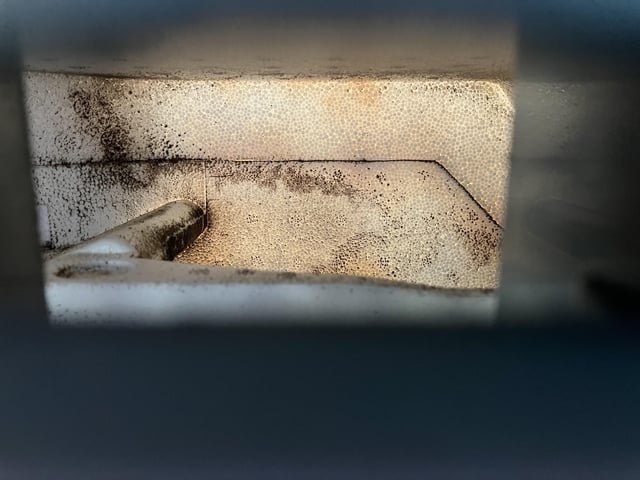
Is your air conditioner smelling musty or not working as well as it should? You might have mold growing on the Styrofoam inside it.
Mold can cause bad smells, reduce air quality, and even damage your AC. But don’t worry—you don’t have to call a professional right away. You’ll learn simple, effective steps to clean mold off the Styrofoam in your air conditioner. Follow along, and you’ll breathe fresher air and keep your AC running smoothly in no time.
Keep reading to find out how easy it is to tackle this common problem yourself.
Causes Of Mold In Air Conditioners
Mold growthon styrofoam inside air conditioners happens mainly due to moisture. Styrofoam traps water droplets because it does not absorb water. This creates a wet surfacewhere mold spores settle and grow. Warm temperatures inside the AC unit make mold grow faster.
Common moisture triggers include:
- Condensation from cooling air
- Leaking or clogged drain lines
- High indoor humidity levels
- Poor ventilation around the AC unit
Without proper cleaning and drying, mold keeps spreading on styrofoam. This can cause bad smellsand may affect air quality inside the home.

Credit: www.reddit.com
Safety Precautions Before Cleaning
Always wear protective gearto avoid health risks. Use glovesto protect your hands from mold and cleaning chemicals. Wearing a maskhelps prevent breathing in mold spores. Eye protection like safety gogglesstops irritants from getting into your eyes. Long sleeves and pants reduce skin contact with mold.
Good ventilationis key. Open windows and doors to let fresh air in. Use a fan to push air outside. This lowers the chance of breathing mold spores. Avoid closed spaces during cleaning. Proper airflow keeps the area safe and dry.
Tools And Materials Needed
Cleaning mold on styrofoam in air conditioners needs safe, gentle solutions. Strong chemicals can damage the foam. Use mild cleaners that kill mold but protect the surface.
- White vinegar:Natural and effective against mold.
- Baking soda:Works well to scrub and deodorize.
- Mild dish soap:Good for light cleaning and removing dirt.
- Water:Always use clean water to rinse.
Gathering the right tools helps to clean easily and safely. Soft brushes avoid scratches. Cloths absorb moisture without harm.
| Tool | Purpose |
|---|---|
| Soft-bristle brush | Gently removes mold without damaging foam |
| Spray bottle | Applies cleaning solutions evenly |
| Microfiber cloth | Wipes off mold and moisture |
| Gloves | Protects hands from mold and cleaners |

Credit: www.reddit.com
Step-by-step Mold Removal
Clear the space around the air conditioner. Lay down old newspapers or cloth to catch drips. Wear gloves and a mask to protect yourself from mold spores. Open windows for fresh air and better ventilation.
Mix a cleaning solution using equal parts water and white vinegar or mild detergent. Pour the solution into a spray bottle for easy use. Avoid harsh chemicals that can damage the styrofoam.
Spray the cleaning solution gently on the moldy styrofoam surface. Use a soft brush or sponge to scrub the area lightly. Rinse with clean water carefully to avoid soaking the styrofoam too much.
Let the styrofoam air dry completely in a well-ventilated area. Avoid direct sunlight, which can warp the material. Ensure the surface is fully dry before reinstalling the part in the air conditioner.
Preventing Future Mold Growth
Keep the air conditioner clean to stop mold growth. Change or clean filters often. Dust and dirt can hold moisture and feed mold. Check for leaks in pipes or around the unit. Fix any water leaks quickly to keep things dry.
Use a dehumidifier in the room if it feels very damp. Good air flow helps too. Open windows or use fans to move air. Keep the area around the air conditioner dry and clean.
| Maintenance Tips | Moisture Control |
|---|---|
| Clean filters monthly | Use a dehumidifier |
| Inspect for leaks | Fix water leaks fast |
| Dust off vents | Increase air flow |
| Keep unit dry | Open windows or use fans |

Credit: www.reddit.com
When To Seek Professional Help
Professional helpis needed if mold is widespread or returns quickly. Strong mold smells or visible growth on parts beyond Styrofoam are signs to call an expert. If you feel sick, stop cleaning and seek help.
Cleaning with harsh chemicals or tools can damage the air conditioner. Experts have the right tools and knowledge to clean safely. They also check for hidden mold inside the unit.
- Persistent mold after cleaning
- Large mold patches covering many parts
- Health problems like coughing or allergies
- Damage to Styrofoam or other materials
- Uncertainty about proper cleaning methods
Frequently Asked Questions
How Do I Safely Remove Mold From Styrofoam In Ac?
Use a soft brush and mild detergent to gently scrub the mold. Avoid harsh chemicals that may damage Styrofoam. Wear gloves and a mask for safety. Rinse with clean water and let it dry completely before reinstalling.
What Causes Mold Growth On Styrofoam In Air Conditioners?
Mold grows due to moisture buildup and poor ventilation inside the AC unit. Warm, damp conditions promote mold spores to multiply on Styrofoam surfaces. Regular cleaning and airflow maintenance help prevent mold growth effectively.
Can Vinegar Clean Mold Off Styrofoam In Ac Units?
Yes, vinegar is a natural and safe mold cleaner for Styrofoam. Spray diluted vinegar on moldy areas, let it sit for 10 minutes, then gently scrub. Rinse thoroughly and dry completely to avoid further mold development.
How Often Should I Clean Mold From Styrofoam In Ac?
Clean the Styrofoam at least every 3 to 6 months to prevent mold buildup. More frequent cleaning is needed in humid environments. Regular checks ensure the air conditioner stays mold-free and functions efficiently.
Conclusion
Cleaning mold on Styrofoam in your air conditioner is simple. Regular maintenance keeps your air fresh and healthy. Always wear safety gear like gloves and masks. Use vinegar or baking soda for effective cleaning. Dry the area thoroughly to prevent mold returning.
Regular checks ensure your air conditioner works efficiently. Avoid harsh chemicals that can damage parts. Safe cleaning maintains your air quality and extends appliance life. Enjoy cool, clean air in your home with these easy steps. Stay proactive in keeping mold away.
Your health and comfort depend on it.