Have you ever wondered how long your air conditioner can keep you cool before it needs a replacement? Knowing the lifespan of your AC is key to avoiding unexpected breakdowns and costly repairs.
You’ll discover what affects how long air conditioners usually last and learn simple tips to extend their life. Keep reading to make sure your home stays comfortable without any surprises.

Credit: www.carrier.com
Air Conditioner Lifespan Factors
Air conditioners do not last forever. Their lifespan depends on many factors. Knowing these helps you take care of your unit better.
Some air conditioners last longer than others. How you use and maintain them also matters. Climate can affect how fast they wear out.
Type Of Air Conditioner
Different air conditioners have different life spans. Central air systems last longer than window units. Split systems fall in between.
- Central air conditioners: 15 to 20 years
- Split air conditioners: 10 to 15 years
- Window air conditioners: 8 to 12 years
Higher quality models often last longer. Cheaper units may break down sooner.
Usage Patterns
How often you use your air conditioner affects its life. Running it all day shortens lifespan. Occasional use helps it last longer.
Setting the temperature too low makes the system work harder. This stress can cause early breakdown.
- Frequent use can wear parts faster
- High cooling demands increase stress
- Consistent moderate use helps durability
Maintenance Practices
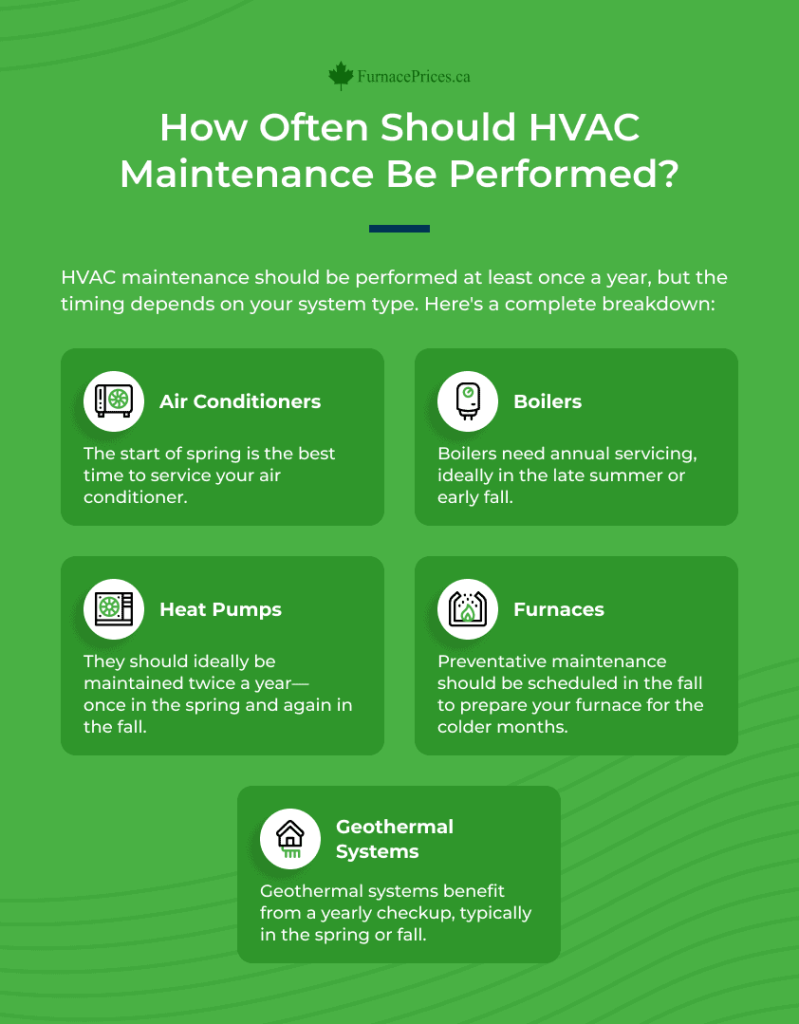
Regular maintenance keeps air conditioners working well. Cleaning filters and coils prevents damage. Ignoring upkeep shortens lifespan.
Professional checkups catch problems early. Fixing small issues stops big failures.
- Clean or change filters every 1-3 months
- Check refrigerant levels annually
- Inspect coils and fans regularly
- Schedule professional service yearly
Climate Impact
Climate plays a big role in air conditioner lifespan. Hot, humid places make ACs work harder. This reduces their life.
Dry and mild climates cause less wear. Salt air near oceans can cause rust and damage parts faster.
- Hot climates increase wear and tear
- High humidity causes corrosion
- Coastal areas may need extra protection
- Mild climates help units last longer
Average Lifespan By Ac Type
Air conditioners come in different types. Each type lasts for a different time. Knowing the lifespan helps with planning replacements.
This guide covers four main types of air conditioners and their average lifespans.
Central Air Conditioners
Central air conditioners cool entire homes. They are large systems installed outside the house. They usually last between 12 to 15 years. Proper maintenance can extend their life.
Window Units
Window units are small and fit into windows. They cool single rooms. Their lifespan is shorter than central systems. On average, they last about 8 to 10 years.
Portable Air Conditioners
Portable air conditioners are easy to move. They cool one room at a time. These units usually last 6 to 8 years. Frequent use may shorten their life.
Ductless Mini-splits
Ductless mini-splits cool rooms without ducts. They are energy efficient and quiet. These systems last longer than window or portable units. Typical lifespan ranges from 12 to 20 years.
| AC Type | Average Lifespan (Years) | Notes |
|---|---|---|
| Central Air Conditioners | 12 – 15 | Needs regular maintenance |
| Window Units | 8 – 10 | Room cooling only |
| Portable Air Conditioners | 6 – 8 | Easy to move, less durable |
| Ductless Mini-Splits | 12 – 20 | Energy efficient, quiet |
Signs Of Aging Air Conditioners
Air conditioners do not last forever. Over time, they show signs of wear. These signs help you know when the unit needs attention or replacement.
Knowing these signs can save you money and keep your home comfortable. Watch for changes in how your air conditioner works.
Reduced Cooling Efficiency
An aging air conditioner cools less effectively. It may take longer to reach the desired temperature. Rooms might feel warmer than before.
Check for these signs:
- The air feels warm or not as cold as usual.
- The unit runs longer than before without cooling well.
- Some rooms stay hot while others are cooler.
Frequent Repairs
If your air conditioner breaks down often, it may be aging. Repair costs can add up fast. Parts may become hard to find.
Here is a list of common repair issues in old units:
- Leaking refrigerant
- Broken fans or motors
- Faulty thermostats
- Clogged or dirty coils
Rising Energy Bills
Older air conditioners often use more electricity. This raises your energy bills. The system works harder to cool your home.
| Year of Use | Average Energy Cost Increase |
| 1-5 years | 5% increase |
| 6-10 years | 15% increase |
| 11-15 years | 30% increase |
| 15+ years | 50% or more increase |
Unusual Noises And Smells
Old air conditioners may make strange sounds or emit odors. These signs show parts may be failing or dirty.
- Grinding or squealing sounds from motors
- Buzzing noises indicating electrical issues
- Musty or moldy smells from clogged filters
- Burning odors signaling overheating parts
Credit: www.carrier.com
Extending Your Ac’s Lifespan
Air conditioners usually last about 10 to 15 years. You can help your AC last longer by taking good care of it. Simple steps can keep it running well for many years.
Regular care helps your AC work efficiently. It also lowers the chance of costly repairs. Here are some ways to extend your AC’s life.
Regular Maintenance Tips
Keep your AC clean and check it often. Dirt and dust can block airflow. This makes your AC work harder and can cause damage.
- Clean the outside unit from leaves and dirt
- Clear debris around the AC unit
- Keep the area around the indoor unit dust-free
- Check and clean evaporator and condenser coils
Filter Replacement Schedule
Filters trap dust and dirt from the air. Dirty filters reduce airflow and make the AC work harder. Change filters regularly to keep air clean and help your AC last longer.
- Replace filters every 1 to 3 months
- Check filters more often if you have pets
- Use high-quality filters for better air cleaning
Professional Inspections
Have a professional check your AC at least once a year. They can find small problems before they get big. Regular inspections keep your AC safe and efficient.
- Check refrigerant levels and fix leaks
- Inspect electrical parts and connections
- Clean coils and drain lines thoroughly
- Test the thermostat for proper function
Proper Usage Habits
Use your AC wisely to avoid wear and tear. Set the thermostat at a steady, comfortable temperature. Avoid turning the AC on and off often.
- Set thermostat to 75°F to 78°F in summer
- Use ceiling fans to help cool rooms
- Keep doors and windows closed when AC is on
- Turn off AC when you leave for a long time
When To Replace Your Air Conditioner
Air conditioners usually last about 10 to 15 years. Knowing when to replace yours can save money and keep your home comfortable.
Some signs show it is time for a new unit. These include high repair costs, low energy efficiency, and old technology.
Cost Of Repairs Vs. Replacement
Repairing an old air conditioner can be expensive. If the repair cost is more than half of a new unit, replacing is better.
| Repair Cost | Action |
| Less than 50% of new unit price | Consider repair |
| More than 50% of new unit price | Replace the unit |
| Frequent repairs needed | Replace the unit |
Energy Efficiency Considerations
New air conditioners use less energy than old ones. Replacing an old model can lower your electric bills.
- Older units use more power
- New models meet higher efficiency standards
- Energy-efficient units reduce carbon footprint
- Lower energy use saves money over time
Technological Advancements
New air conditioners offer better features. These include smart controls and quieter operation. Upgrading gives you more comfort and control.
Environmental Impact
Older air conditioners may use refrigerants that harm the environment. New models use safer chemicals. Choosing a new unit helps protect the planet.
- Old refrigerants can damage the ozone layer
- New refrigerants are eco-friendly
- Proper disposal of old units reduces pollution

Credit: www.reddit.com
Frequently Asked Questions
How Long Do Air Conditioners Typically Last?
Most air conditioners last between 10 to 15 years. Proper maintenance can extend their lifespan. Factors like usage and environment affect durability.
What Affects An Air Conditioner’s Lifespan The Most?
Regular maintenance, usage frequency, and environment are key factors. Poor upkeep and harsh conditions reduce an AC’s lifespan significantly.
How Can I Extend My Air Conditioner’s Life?
Schedule regular maintenance, clean filters, and check refrigerant levels. Avoid overworking the unit and fix issues promptly to prolong life.
When Should I Replace My Air Conditioner?
Replace your AC if it’s over 15 years old or needs frequent repairs. Upgrading improves efficiency and lowers energy costs.
Conclusion
Air conditioners typically last 10 to 15 years. Regular maintenance extends their life. Keep filters clean and check for leaks. Schedule annual professional inspections. Replace parts when necessary. Consider energy-efficient models when upgrading. They save money over time. Not all units are the same.
Some may wear out sooner. Look for signs like unusual noises or poor cooling. These indicate issues. With care, your AC can serve you well. Make informed decisions about repairs or replacements. Stay cool and comfortable.