When you’re riding your dirt bike, your helmet is your most important gear. But how do you know if it fits right?
A helmet that doesn’t fit properly can be uncomfortable, distract you, and worst of all, won’t protect you when it matters most. You might think any helmet that fits on your head is good enough, but the truth is, the right fit can make all the difference between safety and risk.
Keep reading to discover exactly how your dirt bike helmet should fit—so you can ride with confidence and stay safe every time you hit the dirt.
Choosing The Right Size
Picking the right dirt bike helmet size is key for safety and comfort. A helmet that fits well protects better and feels good on your head.
Knowing how to measure your head and read size charts helps you find a helmet that suits you. Trying on different helmets can also guide your choice.
Measuring Your Head
Use a soft tape measure to find your head size. Measure around your head, about one inch above your eyebrows. Keep the tape snug but not tight.
- Place tape above eyebrows and ears
- Wrap tape around the largest part of your head
- Note the measurement in centimeters or inches
- Repeat to ensure accuracy
Size Charts And Variations
Helmet sizes vary between brands. Size charts show the head measurement for each size like Small, Medium, or Large. Check the chart before buying.
| Helmet Size | Head Circumference (inches) | Head Circumference (cm) |
|---|---|---|
| Small | 20.5 – 21.25 | 52 – 54 |
| Medium | 21.25 – 22 | 54 – 56 |
| Large | 22 – 22.75 | 56 – 58 |
| X-Large | 22.75 – 23.5 | 58 – 60 |
Trying Different Brands
Helmet shapes differ by brand. Some fit round heads, others fit oval shapes better. Test helmets from several brands to find your fit.
- Put on the helmet and fasten the chin strap
- Check for even pressure around your head
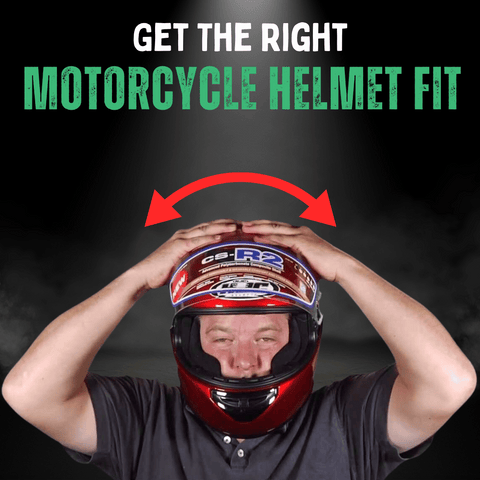
- Move the helmet side to side and front to back
- The helmet should not shift or feel loose
- Wear it for a few minutes to spot pressure points
Helmet Shape And Fit Types
Choosing the right dirt bike helmet is important for safety and comfort. The helmet must fit your head shape well.
Helmets come in different shapes and fit types. Knowing your head shape helps find the best helmet.
Round Oval Vs. Long Oval
Helmets are made for two main head shapes: round oval and long oval. Round oval helmets fit heads that are more round.
Long oval helmets fit heads that are longer from front to back. Picking the right shape is key for comfort.
- Round Oval:Fits wider heads
- Long Oval:Fits longer, narrow heads
- Wrong shape can cause pressure points
- Proper shape improves helmet stability
Matching Shape To Head
To find your head shape, measure the length and width of your head. Use a soft tape measure for this.
Try helmets that match your shape. The helmet should feel snug but not tight or painful.
- Measure head length: front to back
- Measure head width: side to side
- Compare measurements to helmet shapes
- Test fit by wearing helmet for several minutes
- Check for even pressure around the head
Key Fit Areas
Choosing the right dirt bike helmet is about fit, not just style. A good fit protects your head well and feels comfortable.
Focus on certain key areas to make sure your helmet fits perfectly. These areas help keep the helmet stable and safe.
Snugness Without Pressure
The helmet should feel snug on your head but not cause pain. It must hold tight enough to stay in place during rides.
- Try the helmet on and wear it for a few minutes.
- Check if it presses too hard in any spot.
- You should not feel headaches or red marks after wearing it.
- The helmet should not move when you shake your head.
Cheek Pads Fit
Cheek pads help keep the helmet tight and protect your face. They should fit snugly without squeezing your cheeks.
| Fit Feature | What to Check |
| Pressure | Pads should not cause pain or discomfort |
| Contact | Pads should touch your cheeks fully without gaps |
| Movement | Helmet should stay stable when you open your mouth wide |
Crown And Rear Support
The crown and rear parts hold the helmet on the top and back of your head. They add extra support and help balance the helmet.
Check crown and rear support by:
- Pressing gently on the top of the helmet to feel even pressure.
- Looking for padding that fits the back of your head well.
- Ensuring the helmet does not tilt forward or backward.

Credit: uglyfisheyewear.com
Strap And Retention System
The strap and retention system is key for a dirt bike helmet to fit well. It keeps the helmet secure during rides.
A loose or tight strap can cause discomfort or reduce protection. Proper fitting helps you ride safely.
Proper Strap Adjustment
Adjust the straps so the helmet stays snug but not too tight. Straps should form a “V” just below your ears.
Check that the helmet does not move when you shake your head. The straps should hold it firmly in place.
- Loosen straps before putting on the helmet
- Pull the straps to tighten evenly on both sides
- Secure the buckle firmly
- Make sure the straps do not pinch your skin
Chin Strap Comfort
The chin strap must feel comfortable. It should not rub or irritate your skin under the chin.
Use the padding on the strap to prevent chafing. Check the strap regularly for wear and tear.
- Use a padded chin strap cover if needed
- Avoid over-tightening to prevent discomfort
- Adjust the strap so it fits snugly under the chin
- Replace worn straps for better comfort
Retention Mechanisms
Retention systems keep the helmet on your head during a crash. They must be strong and easy to use.
Common systems include double D-rings and quick-release buckles. Both provide secure fastening when used correctly.
- Double D-ring offers a tight, secure fit
- Quick-release buckles allow fast removal
- Check the mechanism before each ride
- Replace any faulty parts immediately
Comfort Features
Choosing a dirt bike helmet that fits well is very important for comfort. A good fit helps you ride longer without pain or distractions.
Comfort features like ventilation, padding, and weight make a big difference in how the helmet feels on your head.
Ventilation And Airflow
Good ventilation keeps your head cool during rides. Airflow helps remove sweat and heat from inside the helmet.
Look for helmets with multiple vents placed on the front, top, and rear. These vents allow fresh air in and hot air out.
- Front vents bring in cool air
- Top vents let hot air escape
- Rear exhaust vents improve airflow
Padding Materials
Padding inside the helmet gives comfort and a secure fit. Soft, breathable materials reduce pressure points on your head.
Removable and washable padding helps keep the helmet fresh and clean. Look for foam that molds to your head shape.
- Soft foam cushions the head
- Breathable fabric reduces sweat
- Removable pads for easy cleaning
Weight Considerations
Lighter helmets reduce neck strain and make riding more comfortable. Heavy helmets can cause fatigue over time.
Balance is important. A well-balanced helmet feels stable and less tiring during long rides.
- Lightweight materials ease neck pressure
- Balanced design improves comfort
- Check helmet weight before buying
Credit: gearjunkie.com
Testing Helmet Fit
Ensuring your dirt bike helmet fits well is key to safety and comfort. A proper fit keeps the helmet secure and protects your head during rides.
Testing the fit involves a few simple checks you can do at home. These tests help you find any issues before you ride.
Shake And Movement Test
Put on the helmet and fasten the chin strap firmly. Shake your head from side to side and nod up and down. The helmet should stay snug without slipping or shifting.
- If the helmet moves easily, it is too loose.
- If it feels tight but does not move, the fit is good.
- Too much pressure or pain means the helmet is too small.
Pressure Points Check
Wear the helmet for a few minutes and notice any spots that feel too tight. Pressure points can cause headaches or discomfort during long rides.
| Pressure Area | What to Feel | Action |
| Forehead | Even contact, no sharp pain | Good fit if no pain |
| Cheeks | Firm but comfortable pressure | Adjust padding if needed |
| Back of Head | No pinching or soreness | Try a different size if painful |
Wear Duration Trial
Wear the helmet for at least 20 minutes to check comfort over time. This test helps spot any issues that appear after longer use.
During the wear trial, watch for:
- Areas where the helmet rubs your skin
- Any headaches or discomfort
- How well the helmet stays in place
Signs Of Poor Fit
A dirt bike helmet must fit well to protect you properly. A bad fit can cause discomfort and reduce safety.
Here are common signs that your helmet does not fit right. Watch for these to ensure your helmet stays safe and comfortable.
Helmet Shifts Or Slides
If your helmet moves when you shake your head, it fits poorly. A good helmet stays firmly in place.
Helmet shifting can distract you and reduce protection during a crash. Make sure the helmet feels snug without being too tight.
- Helmet moves forward or backward on your head
- Helmet slides side to side easily
- Chin strap loosens or does not hold helmet firmly
Uncomfortable Pressure Spots
Pressure spots feel like pain or tightness on your head. They show the helmet is too small or shaped wrong for your skull.
These spots may cause headaches or soreness after riding. A good helmet fits evenly without sharp pressure points.
- Pain above your eyebrows or on the temples
- Pressure on the top or back of your head
- Red marks or soreness after wearing the helmet
Obstructed Vision
A helmet that blocks your view is unsafe. You must see clearly to ride well and avoid accidents.
If your helmet limits side or downward vision, it does not fit correctly. The eye port should be wide enough for good sight.
- Helmet edges block your peripheral view
- Visor or padding covers part of your eyes
- You must move your head more to see around

Credit: www.bsemotor.com
Maintenance And Fit Over Time
A dirt bike helmet must fit well to protect you properly. Over time, the fit can change due to wear and tear. Taking care of your helmet helps keep it safe and comfortable.
Regular checks and simple maintenance can extend your helmet’s life. This guide covers how to replace padding, how helmets age, and when to replace your helmet.
Replacing Padding
Helmet padding wears out with use and sweat. Old padding can make the helmet loose or uncomfortable. Replace it to keep a snug fit and good comfort.
Most helmets have removable padding. Wash the padding regularly and replace it if it loses shape or becomes too thin.
- Remove the padding carefully from inside the helmet
- Clean or replace padding as needed
- Use only padding made for your helmet model
- Ensure padding fits tightly to avoid helmet movement
Helmet Aging And Fit Changes
Helmets lose their fit over time because the foam and padding break down. Sweat and dirt can also change the shape inside the helmet. This can make the helmet feel loose or uncomfortable.
Check your helmet’s fit often. If it feels different or moves on your head, it might need new padding or replacement.
- Foam can compress and lose its shape
- Padding can wear out and become thin
- Helmet shells may loosen from impact or use
- Straps can stretch or wear down
When To Replace Your Helmet
Replace your helmet after any crash. Even small impacts can weaken it. Old helmets also lose protection over time, usually after five years.
Look for cracks, dents, or worn parts. If the fit is very loose and padding won’t help, it is time for a new helmet.
- Replace helmet after any crash or impact
- Replace if foam or shell shows damage
- Replace if padding no longer fits well
- Replace every 3 to 5 years, even without damage
Frequently Asked Questions
How Tight Should A Dirt Bike Helmet Fit?
A dirt bike helmet should fit snugly without causing pain. It should not move when you shake your head. A proper fit ensures safety and comfort during rides.
Where Should A Dirt Bike Helmet Sit On The Head?
The helmet should sit level on your head, covering the forehead. It must not tilt back or forward. Correct positioning protects your head effectively in a crash.
How To Check If A Dirt Bike Helmet Fits Properly?
Check fit by wearing the helmet and fastening the chin strap. The helmet should feel snug with no pressure points. Shake your head to ensure it stays in place.
Can A Dirt Bike Helmet Be Too Tight?
Yes, a helmet that is too tight causes discomfort and headaches. It can distract you while riding. Always choose a size that feels snug but comfortable.
Conclusion
A properly fitting dirt bike helmet ensures safety and comfort. Always measure your head before purchasing a helmet. Check for snugness without discomfort. Ensure the helmet doesn’t move when you shake your head. Test the chin strap for a secure fit.
Wear it for a few minutes to ensure comfort. A good fit reduces risks during rides. Prioritize safety over style. Regularly check your helmet for wear and tear. Replace it if damaged. Protect your head with the right fit. Ride safe and smart.