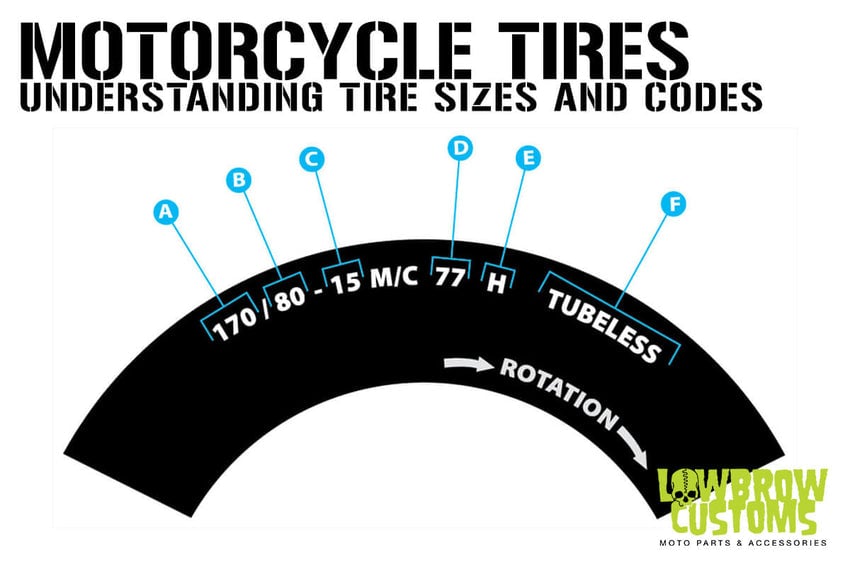
Do the numbers on your motorcycle tires look like a secret code? You’re not alone.
Many riders find themselves puzzled by these digits. Yet, understanding them is crucial for your safety and performance on the road. Imagine cruising down the highway with the confidence that comes from knowing your tires are perfectly matched to your bike’s needs.
This isn’t just about numbers; it’s about enhancing your riding experience and ensuring you make informed decisions. Ready to unlock the mystery? Let’s dive in and discover what those numbers really mean for you and your motorcycle.

Credit: cheaptiresasap.com
Tire Size Codes
Motorcycle tire numbers show important size details. These codes help you find the right tire for your bike.
Understanding tire size codes keeps your bike safe and riding well. Each number has a specific meaning.
Width And Aspect Ratio
The first number in the tire code is the width. It shows how wide the tire is in millimeters.
The second number is the aspect ratio. It is the tire’s height compared to its width, shown as a percentage.
- Width example: 120 means 120 mm wide
- Aspect ratio example: 70 means height is 70% of the width
Rim Diameter
The rim diameter is the last number in the tire code. It shows the wheel size the tire fits.
This number is usually in inches. It tells you how big the wheel needs to be for the tire.
- A rim diameter of 17 means the tire fits a 17-inch wheel
- Check this to match the tire with your motorcycle rims
Metric Vs. Imperial Measurements
Tire sizes mix metric and imperial units. Width and aspect ratio use millimeters and percentages.
Rim diameter uses inches. This is the imperial part of the size code.
- Width and height: metric (millimeters and percent)
- Rim diameter: imperial (inches)
- This mix is common in motorcycle tires worldwide

Credit: ultimatemotorcycling.com
Load And Speed Ratings
Motorcycle tires have numbers and letters that tell you important information. These include load and speed ratings. They help you pick the right tire for your bike.
Understanding these ratings keeps you safe on the road. It also protects your bike from damage.
Load Index Explained
The load index is a number on the tire sidewall. It shows the maximum weight the tire can carry. This weight is per tire, not the whole bike.
Higher load index means the tire can hold more weight. Using a tire with too low load index can cause tire failure.
| Load Index | Max Load (lbs) |
|---|---|
| 50 | 400 |
| 60 | 530 |
| 70 | 750 |
| 80 | 990 |
| 90 | 1320 |
Speed Symbol Meaning
The speed symbol is a letter on the tire sidewall. It shows the highest speed the tire can safely handle. Each letter matches a specific speed in mph or km/h.
Choosing a tire with the correct speed rating is important. A lower speed rating than needed can cause tire damage at high speeds.
| Speed Symbol | Max Speed (mph) | Max Speed (km/h) |
|---|---|---|
| L | 75 | 120 |
| M | 81 | 130 |
| Q | 99 | 160 |
| R | 106 | 170 |
| H | 130 | 210 |
| V | 149 | 240 |
| W | 168 | 270 |
Choosing Ratings For Your Bike
Always use tires with load and speed ratings that match or exceed your bike’s needs. Check your bike’s manual for recommended ratings.
Using correct ratings helps your bike perform well and keeps you safe on the road.
- Check the load index matches your bike’s weight plus gear
- Choose a speed rating that matches or is higher than your top speed
- Never use tires with lower ratings than recommended
- Replace tires with the same size and rating as original
Tire Construction Types
Motorcycle tires have different construction types that affect how they work. The main types are radial and bias-ply tires.
Understanding these types helps you pick the right tire for your bike and riding style.
Radial Vs. Bias-ply
Radial tires have cords that run straight across from one side to the other. This design helps the tire flex more easily.
Bias-ply tires have cords that cross at an angle. This makes the tire stiffer and stronger.
- Radial tires offer better grip and smooth rides.
- Bias-ply tires are good for heavy loads and rough roads.
- Radial tires usually cost more than bias-ply tires.
Impact On Performance
Radial tires provide better handling and cornering because they flex more. This helps keep more tire on the road.
Bias-ply tires give a stiffer feel and are good for straight roads. They can handle heavy loads but may not grip as well in turns.
- Radial tires improve speed and comfort.
- Bias-ply tires offer stability for heavy bikes.
- Choose based on your riding needs and bike type.
Durability Considerations
Bias-ply tires are often more durable on rough surfaces. Their strong, crossed cords resist damage from bumps.
Radial tires wear evenly on smooth roads but may be less tough on rough terrain. They need proper care to last longer.
- Bias-ply tires last longer on uneven roads.
- Radial tires perform best on paved surfaces.
- Check your tire type before off-road riding.

Credit: www.reddit.com
Manufacture And Expiry Dates
Motorcycle tires have important numbers that show when they were made. These numbers help riders know if the tire is still safe to use.
Knowing the manufacture and expiry dates can keep you safe on the road. Tires get old even if you do not use them much.
Decoding The Dot Code
The DOT code is a series of letters and numbers on the tire sidewall. It tells when and where the tire was made.
The last four digits of the DOT code show the week and year of manufacture. For example, “2319” means the tire was made in the 23rd week of 2019.
- First two digits: Week of the year
- Last two digits: Year of manufacture
Tire Aging And Safety
Tires get weaker as they age, even if you do not ride much. Rubber breaks down over time from heat and sunlight.
Old tires can cause accidents. They may lose grip or develop cracks. Always check the tire’s age before riding.
- Store tires away from direct sunlight
- Check tires regularly for cracks or damage
- Use tires that are less than 5 years old for best safety
When To Replace Tires
Replace tires if they are more than 5 to 6 years old, even if they look fine. Age affects tire strength and grip.
Also replace tires if you see cracks, worn tread, or damage. Check the DOT code to find out the tire’s age.
- Check the DOT code for manufacture date
- Replace tires older than 5 years
- Replace if tread is below safe depth
- Replace if you see cracks or damage
Tread Patterns And Indicators
Motorcycle tires have numbers and marks that help riders understand their condition. These numbers show how deep the tread is and when the tire needs replacing.
The tread pattern on a tire affects how it grips the road. Different patterns work better for different riding conditions and weather.
Tread Depth Markings
Tread depth markings show how much rubber is left on the tire. These numbers help riders know if the tire is safe to use.
Usually, the depth is measured in millimeters or 32nds of an inch. A deeper tread means better grip, especially on wet roads.
- New tires start with about 8 to 10 mm of tread
- Many experts say 2 mm is the minimum safe depth
- Less tread increases the risk of slipping
Wear Indicators
Wear indicators are small raised bars inside the tire grooves. They show when the tread is worn down to a dangerous level.
When the tread surface is level with these bars, it’s time to replace the tire. Ignoring wear indicators can reduce traction and safety.
- Located evenly around the tire
- Easy to spot with a quick look
- Help riders avoid unsafe tread depth
Choosing Tread For Conditions
Different tread patterns suit different road and weather conditions. Picking the right tread helps improve control and safety.
Slick tires work well on dry roads. Tires with grooves are better for wet or rough surfaces.
- Slick tread: Best for dry pavement and racing
- Grooved tread: Good for wet roads and rain
- Knobby tread: Designed for off-road and dirt trails
Pressure And Inflation Guidelines
Motorcycle tire numbers give key information about pressure and inflation. Proper tire pressure helps with safety and performance. Understanding these numbers keeps your ride smooth and secure.
Always check your tire’s recommended pressure. This ensures the best contact with the road and prevents damage. This guide explains what those numbers mean and why pressure matters.
Recommended Psi Numbers
PSI stands for pounds per square inch and shows the tire’s air pressure. Each motorcycle tire has a recommended PSI range set by the manufacturer. It varies by bike type and tire size.
| Tire Type | Recommended PSI |
| Sportbike Tires | 32 – 36 PSI |
| Cruiser Tires | 30 – 40 PSI |
| Touring Tires | 36 – 42 PSI |
| Off-road Tires | 12 – 20 PSI |
Effects Of Over/under Inflation
Incorrect tire pressure causes many problems. Overinflated tires can feel hard and reduce grip. Underinflated tires wear out faster and use more fuel. Both affect how the motorcycle handles.
- Overinflation leads to a smaller contact patch with the road.
- Underinflation increases tire heat and risks blowouts.
- Too much pressure causes uneven tire wear in the center.
- Too little pressure wears the tire edges faster.
- Both can cause poor traction and longer stopping distances.
Maintaining Optimal Pressure
Check your tire pressure when the tires are cold. Use a reliable tire gauge for accuracy. Adjust pressure according to your load and riding style.
- Check tires weekly or before long rides.
- Inflate tires to manufacturer’s recommended PSI.
- Inspect tires for damage or leaks.
- Adjust pressure for heavy loads or highway speeds.
- Replace tires when tread is worn or damaged.
Frequently Asked Questions
What Do The Numbers On Motorcycle Tires Represent?
The numbers indicate tire width, aspect ratio, and rim diameter. They help you choose the right tire size for your bike. Understanding these numbers ensures safety, performance, and proper fit.
How To Read The Tire Size On A Motorcycle Tire?
Read from left to right: width in mm, aspect ratio in percentage, and rim diameter in inches. For example, 120/70ZR17 means 120mm wide, 70% height, and 17-inch rim.
Why Is Tire Aspect Ratio Important On Motorcycles?
Aspect ratio shows tire height relative to width. It affects handling, stability, and ride comfort. A lower ratio means a sportier, more responsive ride, while a higher ratio offers better cushioning.
What Does The Speed Rating On Motorcycle Tires Mean?
The speed rating indicates the maximum safe speed for the tire. It ensures you match tire limits with your bike’s capabilities for safety and performance.
Conclusion
Understanding the numbers on motorcycle tires helps you choose the right fit. They show tire width, aspect ratio, and rim diameter clearly. These numbers also tell you about load and speed limits. Knowing this keeps your ride safe and smooth.
Always check your tire’s numbers before buying or replacing. It saves trouble and improves performance. Now, you can read those numbers with confidence. Your bike deserves the best tires for every journey. Keep these tips in mind to enjoy a safer ride.