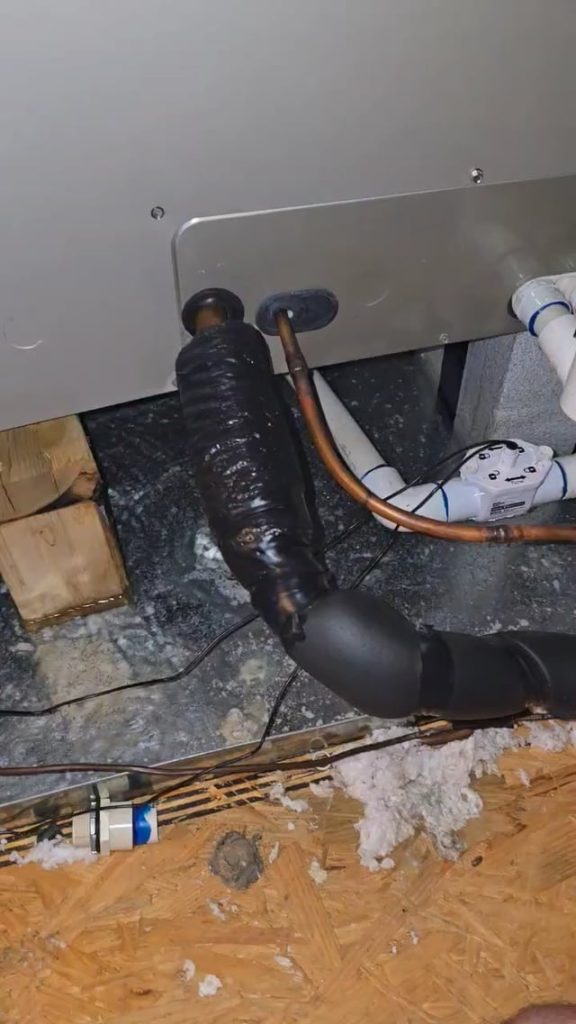
Have you ever noticed water dripping from your air conditioner and wondered, “Why is my air conditioner sweating?” It’s a common issue that can signal small problems or bigger troubles ahead.
When your AC starts to sweat, it’s not just an annoying drip—it could affect your comfort and your energy bills. Understanding why this happens can help you fix it quickly and keep your home cool and dry. Keep reading to discover the simple reasons behind your sweating AC and what you can do about it before it becomes a costly problem.

Credit: www.reddit.com
Common Causes Of Ac Sweating
Air conditioners sometimes sweat or drip water. This can cause damage and reduce efficiency.
Knowing why your AC is sweating helps fix the problem fast. Here are the common causes.
High Humidity Levels
High humidity in the air makes the AC work harder. This causes moisture to collect on the unit.
When outside air is very moist, condensation forms on cold AC parts. This looks like sweating.
Dirty Air Filters
Dirty filters block airflow. This makes the coils colder than normal and causes water to build up.
- Reduced airflow leads to freezing on coils
- Melting ice creates extra water
- Water drips or sweats outside the unit
Low Refrigerant
Low refrigerant means the AC cannot cool well. This causes coils to get too cold and ice to form.
As ice melts, water drips and looks like sweating on the unit.
Clogged Drain Lines
Drain lines remove water from inside the AC. If clogged, water backs up and leaks out.
| Cause | Effect |
|---|---|
| Clogged drain line | Water pools inside unit |
| Blocked pipe | Leaks outside unit |
| Dirty drain pan | Overflow and dripping |
Poor Insulation
Bad insulation around AC pipes lets warm air touch cold parts. This causes moisture to form.
Fixing insulation stops sweating and protects your walls and ceiling from damage.
Improper Airflow
Blocked vents or closed doors reduce airflow. This makes the AC freeze and then sweat as ice melts.
- Keep vents clear and open
- Check for furniture blocking airflow
- Avoid closing too many doors

Credit: www.reddit.com
Signs Of Excessive Ac Moisture
Excess moisture in your air conditioner can cause several issues. It is important to spot the signs early to avoid damage. Moisture problems affect comfort and system performance.
Below are common signs that your AC is sweating too much. Each sign points to a need for inspection or repair.
Water Dripping Indoors
Water dripping from your AC inside the house is a clear sign of excess moisture. This happens when the drain line clogs or the drip pan overflows.
- Check for puddles near the indoor unit
- Look for water stains on walls or floors
- Listen for dripping sounds around the AC
Frost Or Ice Buildup
Ice or frost on the AC coils means moisture is freezing. This can block airflow and reduce cooling power. Frost buildup often signals low refrigerant or airflow issues.
| Cause | Effect |
|---|---|
| Low refrigerant | Coils get too cold, frost forms |
| Dirty air filters | Airflow reduces, ice builds on coils |
| Blocked vents | Cold spots develop, frost appears |
Musty Odors
A musty or moldy smell means moisture is trapped inside the system. Mold grows on wet surfaces like drip pans and ducts. This smell shows poor drainage or high humidity.
Reduced Cooling Efficiency
Excess moisture can lower your AC’s cooling power. The system works harder but cools less. This increases energy use and utility bills.
- Longer cooling cycles
- Uneven room temperatures
- Higher energy consumption
- Frequent system cycling
Quick Fixes For A Sweating Ac
Your air conditioner may sweat because of excess moisture. This can cause water to drip or form on the unit.
Some simple fixes can help stop your AC from sweating and keep it working well.
Replacing Or Cleaning Filters
Dirty or clogged filters reduce airflow. This can cause the AC coils to get too cold and sweat.
Check your filters every month. Clean or replace them if they look dirty or blocked.
- Turn off the AC before removing filters
- Wash reusable filters with water and let dry
- Replace disposable filters with the right size
- Keep filters clean for better air flow
Checking And Clearing Drain Lines
Drain lines remove water from your AC. If they get blocked, water can build up and cause sweating.
Look for leaks or clogs in the drain line. Use a wet/dry vacuum or a pipe cleaner to clear it.
- Turn off the AC before checking the drain
- Locate the drain line near the outdoor unit
- Use a vacuum to suck out dirt and debris
- Pour a cup of bleach or vinegar to kill mold
Improving Ventilation
Poor airflow causes moisture to build up around your AC. Good ventilation helps keep the unit dry.
Make sure vents and fans work well. Keep windows or doors open if needed to improve air movement.
- Check if vents are blocked by furniture or dust
- Use fans to circulate air in the room
- Open windows slightly for fresh air
- Keep doors open to avoid trapped moisture
Sealing Insulation Gaps
Gaps in insulation let warm air touch cold AC parts. This causes sweating and water buildup.
Check around pipes and ducts. Seal any cracks or holes with insulation tape or foam.
- Look for gaps near refrigerant lines
- Use weatherproof insulation materials
- Seal gaps to stop warm air from entering
- Check seals regularly for wear and tear

Credit: www.reddit.com
When To Call A Professional
If your air conditioner is sweating, it means there is too much moisture on the unit. This can cause damage to your system and home. Sometimes, you can fix small issues yourself.
Other times, you need a professional to check and repair the problem. Knowing when to call a technician can save you time and money.
Refrigerant Recharging
Your air conditioner uses refrigerant to cool the air. If the refrigerant level is low, the system may sweat more than usual. Low refrigerant can cause ice to form and then melt, creating water on the unit.
Only a trained professional should recharge refrigerant. Handling refrigerant requires special tools and safety knowledge.
Repairing Leaks
Leaks in the air conditioner can cause sweating by letting moisture enter the system. Leaks can also lower efficiency and increase energy bills.
A professional can find and fix leaks. They use tools to detect hidden leaks and repair them properly.
System Maintenance
Regular maintenance keeps your air conditioner working well. Dirt and clogged filters can cause sweating and reduce cooling.
Professionals clean and inspect your system. They check parts that you cannot see and fix small problems before they grow.
Preventing Future Ac Sweating
Air conditioner sweating happens when moisture builds up on the unit. This can cause damage and lower efficiency.
Preventing AC sweating is important for a long-lasting system and better air quality.
Regular Maintenance Tips
Keep your AC clean and checked to stop sweating. Dirt and clogs make moisture worse.
- Clean or replace air filters every 1-3 months
- Check and clear the condensate drain line
- Inspect refrigerant levels for leaks
- Make sure air vents are open and unblocked
- Schedule a professional tune-up once a year
Using A Dehumidifier
A dehumidifier lowers indoor humidity. Less moisture means less chance of AC sweating.
| Benefit | Effect on AC |
| Reduces humidity | Limits surface condensation |
| Improves air quality | Prevents mold growth |
| Eases AC workload | Increases efficiency |
Upgrading System Components
New parts help your AC handle moisture better. Some upgrades stop sweating before it starts.
- Install a smart thermostat to control humidity
- Use insulated refrigerant lines to prevent condensation
- Upgrade to a variable-speed blower for steady airflow
- Choose an AC unit with a higher SEER rating for efficiency
Frequently Asked Questions
Why Is My Air Conditioner Sweating Inside?
Your AC sweats inside due to excessive humidity or blocked drainage. Moisture condenses on cold surfaces, causing water buildup. Check filters and drains to prevent this.
How Does Humidity Cause Ac Sweating?
High humidity increases moisture in the air. When warm air meets cold AC coils, condensation forms. This leads to sweating and water droplets on the unit.
Can A Clogged Drain Line Cause Ac Sweating?
Yes, a clogged drain line blocks water flow. This causes water to back up and collect inside the AC, resulting in sweating and potential leaks.
Does Poor Insulation Contribute To Ac Sweating?
Poor insulation allows warm air to contact cold AC parts. This causes condensation and sweating. Proper insulation reduces moisture buildup and improves efficiency.
Conclusion
An air conditioner sweating can be a common issue. It often happens due to high humidity or poor insulation. Regular maintenance helps reduce sweating. Check for clogged filters and blocked vents. Ensure proper airflow around the unit. Sealing leaks can also prevent moisture build-up.
Addressing these simple issues can keep your AC running smoothly. Always consult a professional if problems persist. Proper care leads to a longer-lasting air conditioner. Stay cool and comfortable all summer long.