Are you sure your bike helmet offers the protection you think it does? When it comes to your safety, not all helmets are created equal.
You might have seen the term “DOT approved” on helmets, but what does it really mean for you? Understanding whether your helmet meets these standards could make a huge difference the next time you ride. Keep reading to discover what “DOT approved” means and why it matters for your safety every time you hit the road.

Credit: www.amazon.ca
Dot Certification Basics
Bicycle helmets protect your head during accidents. Not all helmets meet safety rules.
DOT certification shows a helmet passed important safety tests. It helps you choose a safe helmet.
What Dot Approval Means
DOT approval means the helmet meets the U.S. Department of Transportation safety rules. It proves the helmet can protect your head in crashes.
Only helmets that pass tests get a DOT sticker. This sticker shows the helmet is safe to use on roads.
Testing Standards For Helmets
DOT tests helmets for impact resistance, strap strength, and coverage area. These tests check if the helmet protects well.
- Impact test: Helmet absorbs shock from crashes
- Retention test: Straps stay strong and keep helmet in place
- Coverage test: Helmet covers key parts of the head
Helmets must pass all tests to get DOT certification. This ensures the helmet works in real accidents.
Importance Of Dot Certification
DOT certification helps riders pick helmets that protect well. It reduces the risk of serious head injuries.
Wearing a DOT-approved helmet can save your life. It also follows the law in many states for road safety.
Helmet Types And Dot Approval
Bike helmets protect riders from head injuries during crashes. The Department of Transportation (DOT) sets safety standards for helmets used on public roads.
Not all helmets meet DOT approval. Riders should know the types of helmets and their safety ratings before buying.
Full-face Helmets
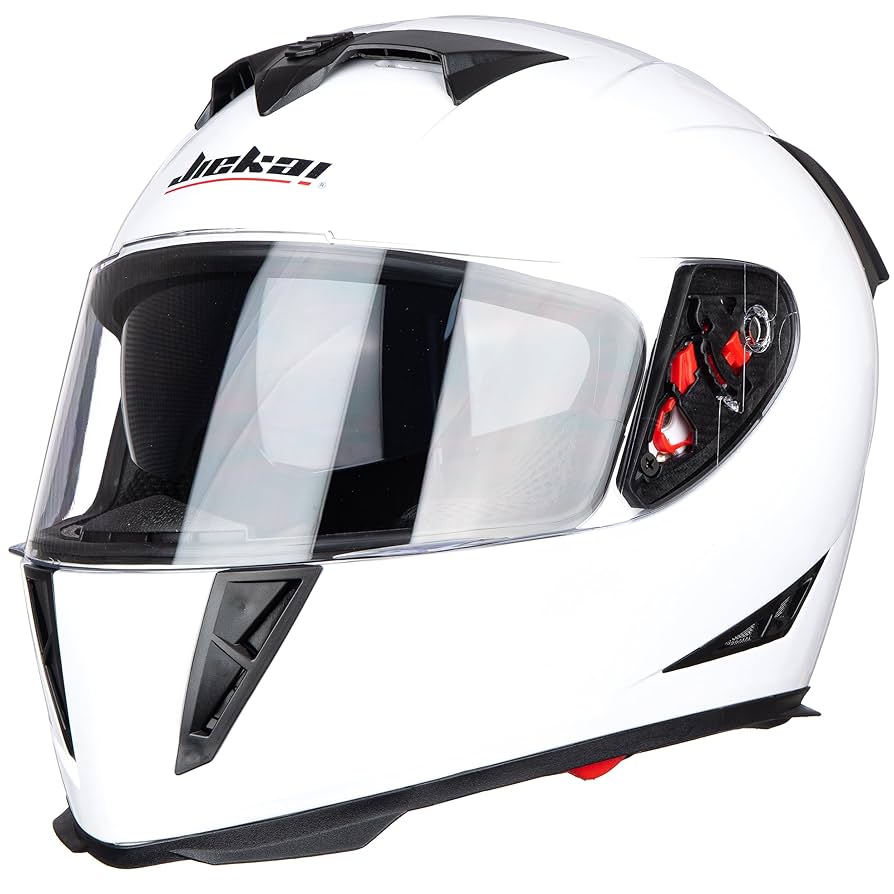
Full-face helmets cover the entire head and face. They offer the most protection and usually meet DOT standards. These helmets have a chin bar and a visor to protect the face.
Modular Helmets
Modular helmets combine features of full-face and open-face helmets. The chin bar can flip up to open the face area. Riders like them for their convenience and safety.
- Full coverage with flip-up chin bar
- Usually DOT approved
- Good for city and long rides
- Heavier than other helmets
Open-face Helmets
Open-face helmets protect the top and sides of the head. They do not have a chin bar, leaving the face exposed. Many open-face helmets meet DOT requirements.
| Helmet Type | Coverage | DOT Approved |
|---|---|---|
| Full-Face | Entire head and face | Yes |
| Modular | Entire head with flip-up chin bar | Yes |
| Open-Face | Top and sides only | Often |
| Half | Top of the head only | Sometimes |
Half Helmets
Half helmets cover only the top of the head. They offer less protection and may not always meet DOT standards. Riders should check for a DOT sticker before buying.
Benefits Of Using Dot Approved Helmets
DOT approved helmets meet safety standards set by the Department of Transportation. They help protect riders in case of accidents. Using these helmets reduces the risk of serious head injuries.
Choosing a DOT approved helmet ensures you have a reliable product. This approval shows the helmet passed tests for impact and durability. It also means the helmet fits well and stays secure.
Impact Protection
DOT approved helmets are tested for impact resistance. They absorb shock better than non-approved helmets. This lowers the chance of skull fractures and brain injuries.
The helmets have a strong outer shell and cushioning inside. This design spreads the force of a crash over a wider area. It also lessens the force that reaches your head.
Visibility And Fit
Good visibility and fit are key for rider safety. DOT helmets must meet standards for size and shape. This keeps the helmet snug and prevents it from slipping.
- Proper fit reduces distractions while riding
- Clear visor options improve vision in all conditions
- Bright colors and reflective materials increase visibility to others
- Secure straps keep the helmet in place during impact
Legal Requirements
Many states require riders to wear DOT approved helmets. Laws aim to lower head injury rates and save lives. Wearing a non-approved helmet can lead to fines or penalties.
| State | Helmet Law | DOT Requirement |
| California | All riders must wear helmets | Yes |
| Texas | Riders under 21 must wear helmets | Yes |
| Florida | Riders under 21 must wear helmets | Yes |
| New York | All riders must wear helmets | Yes |

Credit: www.amazon.ca
Common Misconceptions About Dot Helmets
Many people wonder if bike helmets are DOT approved. This approval means helmets meet safety standards. People often mix up different helmet certifications and their importance.
Understanding what DOT approval means helps riders choose the right helmet. It clears up wrong ideas about helmet safety and quality.
Dot Vs Other Certifications
DOT is a safety standard used in the United States. It checks if helmets protect riders in crashes. Other places use different certifications like ECE or Snell.
Each certification has its own tests. DOT focuses on impact and penetration. ECE tests more types of impacts. Snell is often stricter and more detailed.
- DOT is required for street helmets in the U.S.
- ECE is common in Europe and many countries.
- Snell is voluntary and often for racing helmets.
Helmet Quality And Price
Some people think expensive helmets are always better. Price does not always mean higher safety. DOT approval ensures a basic safety level.
Cheap helmets can meet DOT standards if made well. Very cheap helmets might skip tests or use poor materials. It is smart to check for DOT certification on the label.
- Price shows features and brand, not only safety
- DOT approval means the helmet passed safety tests
- Look for helmets with good reviews and certification
Appearance Vs Safety
Some riders pick helmets based on looks alone. A helmet that looks cool may not be safe. Always check for DOT approval before buying.
Safety comes first, even if the helmet is simple in design. A certified helmet protects your head better during crashes. Never choose style over protection.
- DOT label shows the helmet meets safety rules
- Helmet shape and color do not affect safety
- Good helmets balance comfort, safety, and style
How To Verify Dot Approval
Bike helmets must meet safety rules set by the Department of Transportation (DOT). DOT approval means the helmet passed tests for protection. It is important to check if your helmet is DOT approved before use.
This guide shows how to verify if a bike helmet has DOT approval. Follow these steps to stay safe and avoid fake helmets.
Checking The Certification Label
Look inside the helmet for a label that shows DOT certification. This label proves the helmet meets federal safety standards.
The label usually includes the DOT letters and a code number. Make sure the label is clear and not easily removed.
- Find the DOT sticker inside the helmet
- Check for the DOT letters and code
- Look for signs of damage or removal
Researching Helmet Brands
Not all helmet brands meet DOT standards. Research brands before buying to confirm their helmets are certified.
Look for reviews and safety ratings from trusted sources. Brands with good reputations are more likely to sell DOT approved helmets.
- Check the brand’s website for safety info
- Read customer reviews about helmet quality
- Look for third-party safety tests on the brand
Avoiding Counterfeit Helmets
Fake helmets may show fake DOT labels but do not provide proper protection. Learn to spot counterfeit helmets to keep safe.
Buy helmets from authorized dealers only. Check for poor quality materials or unusual labels that look different from real DOT stickers.
- Buy from trusted stores or official websites
- Check the helmet’s build quality and weight
- Compare the DOT label with known genuine examples

Credit: www.revzilla.com
Tips For Choosing The Right Helmet
Choosing the right bike helmet is important for your safety. A good helmet protects your head and fits well. This guide helps you pick the best helmet for your needs.
Look at fit, safety features, and how to care for your helmet. These points will help you make a smart choice and stay safe on your rides.
Proper Fit And Comfort
A helmet must fit snugly without feeling too tight. It should not move when you shake your head. Comfort helps you wear the helmet for longer times.
- Measure your head size before buying
- Adjust straps to fit under your chin securely
- Check for padding that feels soft and breathable
- Try the helmet on to ensure no pressure points
Additional Safety Features
Besides fit, look for extra safety features. These features can reduce the risk of serious injury during a crash.
| Feature | Benefit |
| DOT Certification | Meets U.S. safety standards |
| MIPS Technology | Reduces rotational impact on the brain |
| Reflective Strips | Increases visibility in low light |
| Adjustable Visor | Protects eyes from sun and debris |
Maintenance And Replacement
Keep your helmet in good shape by checking it often. Replace it after a crash or if it shows damage. Proper care keeps it working well.
- Clean helmet with mild soap and water
- Store it in a cool, dry place away from sunlight
- Replace helmet every 5 years or after impact
- Check straps and padding regularly for wear
Frequently Asked Questions
What Does Dot Approval Mean For Bike Helmets?
DOT approval means the helmet meets U. S. Department of Transportation safety standards. It ensures the helmet provides adequate protection during crashes.
Are All Bike Helmets Dot Approved?
No, not all bike helmets are DOT approved. Only helmets tested and certified by DOT carry this approval, ensuring they meet safety requirements.
Why Choose A Dot Approved Bike Helmet?
Choosing a DOT approved helmet guarantees safety compliance. It offers better impact protection and legal use on public roads in the U. S.
Can Non-dot Helmets Be Unsafe?
Yes, non-DOT helmets may lack proper safety testing. They might not provide sufficient protection during accidents, increasing injury risk.
Conclusion
Bike helmets are crucial for safety. Not all are DOT approved, though. Always check labels before buying. DOT approval ensures higher protection standards. It’s vital for motorcycle riders. Cyclists, however, might not need DOT helmets. Different activities, different needs. Choose the right helmet for your activity.
Prioritize safety over style. Your head deserves the best protection. Proper fit matters too. Tight, but comfortable. Safety first, always. Riding without a helmet risks serious injury. Make informed choices. Stay safe, wear a helmet. Protect your head, enjoy the ride.