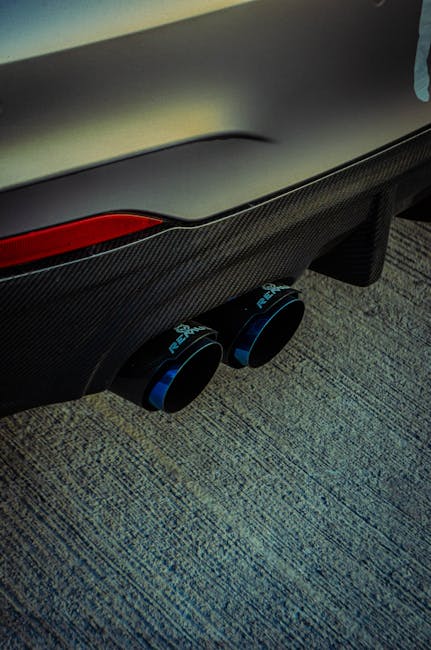
Are you curious about what makes an exhaust system truly good for your vehicle? Choosing the right exhaust system isn’t just about sound—it affects your car’s performance, fuel efficiency, and even how long your engine lasts.
You want a system that boosts power, saves fuel, and sounds just right. But with so many options out there, how do you know which one is best for you? Keep reading, and you’ll discover everything you need to make a smart, confident choice for your ride.

Credit: www.thedrive.com
Benefits Of Quality Exhaust Systems
A good exhaust system helps your car work better and last longer. It moves gases out of the engine safely and quietly.
Choosing a quality exhaust system gives many benefits. It improves engine power and saves fuel.
Improved Engine Performance
A quality exhaust system clears out gases faster. This lets the engine breathe better and work well.
The engine gets more power because it wastes less energy pushing out exhaust. This helps your car run smoother.
Enhanced Fuel Efficiency
Good exhaust systems help the engine use fuel in a smart way. The engine does not need extra fuel to work hard.
This means the car uses less gas. You can drive longer with the same amount of fuel.
Noise Control And Sound Quality
Quality exhaust systems reduce loud noises from the engine. They keep the sound pleasant and not too loud.
This makes driving more comfortable. Good systems also avoid annoying rattles and vibrations.
Durability And Longevity
High-quality exhaust systems last longer because they use strong materials. They resist rust and damage.
Durable systems mean fewer repairs and replacements. This saves money over time and keeps your car reliable.
Types Of Exhaust Systems
Good exhaust systems help cars run better and sound nice. They guide gases out of the engine safely.
There are different types of exhaust systems. Each type has a special design and purpose.
Single Exit Systems
Single exit systems have one pipe where exhaust leaves the car. They are simple and common.
This system fits many cars and helps reduce noise and emissions in one place.
Dual Exhaust Systems
Dual exhaust systems use two pipes to release exhaust gases. This helps the engine breathe better.
They can improve power and give a sportier sound to the car.
Headers And Manifolds
Headers and manifolds collect exhaust gases from the engine cylinders. They lead gases to the exhaust pipes.
Headers are usually made to improve flow and boost engine power. Manifolds are simpler and standard parts.
Cat-back Exhausts
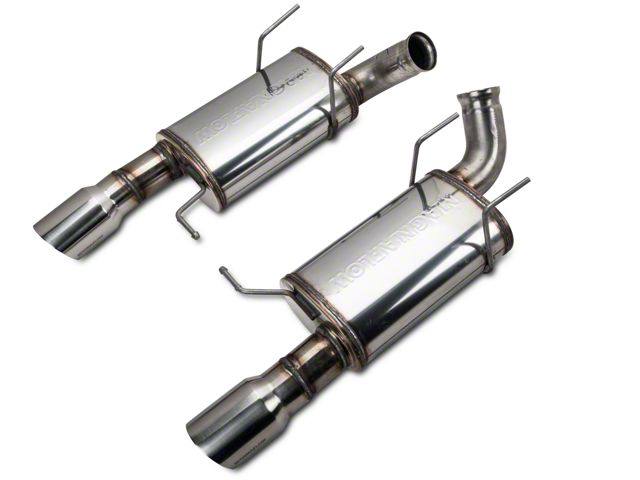
Cat-back exhausts start after the catalytic converter and go to the end of the exhaust pipe. They change the exhaust flow.
This system can improve sound and performance without changing emissions control parts.
Axle-back Exhausts
Axle-back exhausts replace parts from the rear axle to the exhaust tip. They mostly affect the sound of the car.
This system is easier to install and is popular for mild sound upgrades.
Materials That Matter
Good exhaust systems need the right materials to last long and work well. The material affects strength, rust resistance, and weight.
Choosing the right metal helps the exhaust resist heat and corrosion. This keeps your vehicle running smoothly.
Stainless Steel
Stainless steel is strong and does not rust easily. It stays shiny and looks good for a long time.
This material handles heat well and resists corrosion from water and salt. It is common in high-quality exhaust systems.
Aluminized Steel
Aluminized steel has a coating of aluminum to fight rust. It is less expensive than stainless steel.
This material works well in normal driving conditions. It offers good heat resistance but can wear faster in harsh climates.
Mild Steel
Mild steel is the cheapest option for exhaust systems. It is easy to work with but rusts quickly without protection.
Exhausts made from mild steel need paint or coatings to last. This material suits budget builds or short-term use.
Titanium Options
Titanium is very light and strong. It resists heat and corrosion better than most metals.
This material is expensive but popular in racing and high-performance exhausts. It helps improve speed and fuel efficiency.
Top Exhaust Systems For Performance
Good exhaust systems help improve your vehicle’s power and sound. They let exhaust gases flow faster and reduce engine stress.
Below are three types of exhaust parts that boost performance and give your car a better drive.
High-flow Cat-back Systems
High-flow cat-back systems replace the section from the catalytic converter to the exhaust tip. They use larger pipes and smoother bends.
- Increase exhaust flow and reduce back pressure
- Improve horsepower and torque
- Enhance engine sound without being too loud
- Often made from stainless steel for durability
Performance Headers
Performance headers replace the exhaust manifold and connect directly to the engine. They gather exhaust gases from each cylinder and guide them out smoothly.
| Feature | Benefit |
| Equal-length pipes | Balance exhaust pulses for better flow |
| Mandrel bends | Keep pipe diameter steady to avoid blockages |
| Lightweight materials | Reduce overall vehicle weight |
| Improved scavenging | Help pull exhaust gases out faster |
Sport Mufflers
Sport mufflers change how your exhaust sounds and flows. They use special designs to reduce noise while keeping good airflow.
Common sport muffler types include:
- Chambered mufflers – use chambers to change sound waves
- Turbo mufflers – use a turbine to reduce noise
- Straight-through mufflers – use a perforated core for minimal restriction
Best Exhaust Systems For Durability
A good exhaust system lasts a long time and works well. Durability is key for exhaust systems to avoid frequent replacements.
Choosing parts that resist damage and wear helps keep your vehicle running smoothly. Strong materials and good designs improve lifespan.
Rust-resistant Coatings
Rust can damage exhaust parts quickly. Coatings that stop rust keep the system safe from corrosion.
Common rust-resistant coatings include ceramic, aluminized steel, and powder coatings. These protect metal from water and salt.
- Ceramic coatings reduce heat and prevent rust
- Aluminized steel offers a layer of aluminum to block corrosion
- Powder coatings provide a tough finish that resists scratches and rust
Heavy-duty Construction
Durable exhaust systems use thick metals and strong welds. Heavy-duty parts handle heat and vibrations better.
Stainless steel is common for heavy-duty systems. It resists cracks and damage from road conditions.
- Thicker pipes last longer under stress
- Strong welds prevent leaks and breaks
- Stainless steel resists heat and rust
Warranty And Support
A good warranty shows confidence in the exhaust system’s durability. It protects you if parts fail early.
Support from manufacturers helps with installation and repairs. Check warranty length and what it covers.
- Look for at least a 1-year warranty
- Some systems offer lifetime warranties
- Good customer support helps with questions and issues

Credit: www.thedrive.com
Installation And Maintenance Tips
Good exhaust systems help your vehicle run smoothly. Proper installation and regular care keep them working well.
We will look at how to install exhausts and keep them in good shape with simple tips.
Professional Vs Diy Installation
Installing an exhaust system can be done by a professional or as a do-it-yourself project. Professionals have tools and experience for a perfect fit. DIY can save money but needs care and skill.
- Professionals ensure correct fitting and avoid leaks.
- DIY installation requires good instructions and safety gear.
- Professional work usually comes with a warranty.
- DIY may take more time and risk mistakes.
Regular Inspection And Cleaning
Check your exhaust system often to find problems early. Dirt and rust can cause damage if not cleaned.
| Inspection Task | How Often | What to Look For |
| Visual Check | Monthly | Rust, cracks, loose parts |
| Cleaning | Every 6 months | Remove dirt and debris |
| Noise Check | Every 3 months | Unusual sounds or rattles |
Signs Of Exhaust System Wear
Know these signs to spot exhaust system wear early. Fixing issues soon saves money and keeps your car safe.
- Strong smells of exhaust inside the car
- Loud or unusual noises from the exhaust
- Reduced fuel efficiency
- Visible holes, cracks, or rust on pipes
- Check engine light on your dashboard
Choosing The Right Exhaust System
Good exhaust systems help your vehicle run better and sound great. Picking the right one is important for your car’s performance.
There are many types of exhaust systems. You should think about your vehicle, how you drive, and your budget before choosing.
Matching System To Vehicle Type
Different vehicles need different exhaust systems. A system that works well for a sports car may not suit a truck.
Look for exhausts made for your vehicle type. This helps with fit and performance.
- Sports cars need high-flow exhausts for power
- Trucks benefit from durable, heavy-duty systems
- Sedans often use systems focused on quiet driving
Considering Driving Needs
Your driving style affects the best exhaust choice. If you drive mostly in the city, quiet systems work well.
If you like fast driving or racing, look for exhausts that improve airflow and sound.
- City driving: focus on noise reduction
- Highway driving: balance sound and performance
- Performance driving: prioritize power and sound
Budget And Cost Factors
Exhaust systems come in many price ranges. Know your budget before choosing one.
Cheap systems may wear out fast. More expensive ones last longer and perform better.
- Low cost: basic materials, shorter life
- Mid range: good quality, decent performance
- High end: premium materials, best durability
Credit: www.americanmuscle.com
Frequently Asked Questions
What Makes A Good Exhaust System?
A good exhaust system improves engine efficiency and reduces emissions. It uses quality materials for durability and enhances vehicle performance. Noise reduction and proper fitment are key factors. It also helps maintain optimal backpressure for better fuel economy and power.
How Do Exhaust Systems Affect Car Performance?
Exhaust systems directly influence engine airflow and backpressure. A well-designed system boosts horsepower and torque. It also improves fuel efficiency by optimizing exhaust gas flow. Additionally, it reduces harmful emissions and enhances the vehicle’s sound quality.
What Materials Are Best For Exhaust Systems?
Stainless steel is the most durable and corrosion-resistant material. It offers long-lasting performance with minimal rust. Aluminum is lightweight but less durable. Mild steel is affordable but prone to rust. Quality materials ensure better exhaust longevity and efficiency.
Can A Good Exhaust System Reduce Emissions?
Yes, quality exhaust systems include catalytic converters that reduce harmful gases. They help convert toxic pollutants into less harmful emissions. This contributes to cleaner air and compliance with environmental regulations. Proper maintenance also ensures emission control efficiency.
Conclusion
Choosing the right exhaust system improves your car’s performance and sound. Good exhaust systems help with better fuel efficiency. They also reduce engine noise. Quality materials ensure durability and longevity. Stainless steel is a popular choice. It resists rust and lasts longer.
Consider the design and fit. A well-fitted system works best. Installation is important, too. Professional help might be needed. Check local laws on noise levels. They vary by region. Investing in a good exhaust system pays off. Your car runs better and sounds great.
Enjoy the ride!