Have you ever wondered why your air conditioner sometimes struggles to start or suddenly stops working? One common culprit could be the capacitor—a small but mighty component that keeps your AC running smoothly.
But where exactly is the air conditioner capacitor located? Knowing this can help you spot problems early and save you from costly repairs. You’ll discover exactly where to find your AC capacitor and why it plays such a crucial role in keeping your home cool.
Keep reading, because understanding this simple part could make a big difference in your comfort and your wallet.

Credit: www.reddit.com
Air Conditioner Capacitor Basics
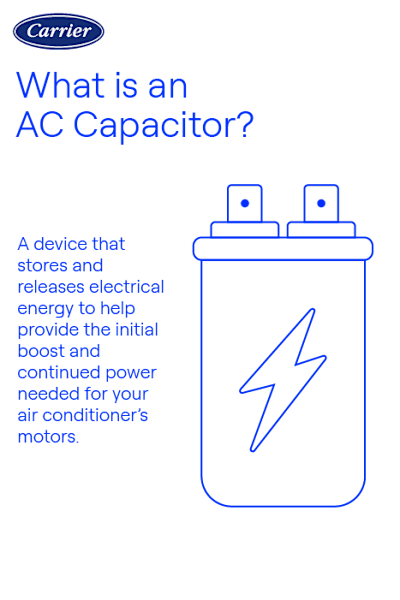
An air conditioner capacitor stores energy to help start the motor. It is a small but important part of the AC unit. Without it, the motor may not run properly.
Capacitors come in different types and serve different purposes. Knowing their roles helps in understanding how your AC works.
Purpose Of The Capacitor
The capacitor helps start the compressor and fan motors in the air conditioner. It gives a quick burst of energy to get these motors running. The capacitor also keeps the motors running smoothly once they start.
- Stores electrical energy
- Provides power boost to start motors
- Keeps motors running steadily
- Improves energy efficiency
Types Of Capacitors In Ac Units
Air conditioners use mainly two types of capacitors. Each type has a unique job to support the AC system.
| Capacitor Type | Function |
| Start Capacitor | Provides extra energy to start the motor |
| Run Capacitor | Keeps the motor running after it starts |
Common Capacitor Locations
The air conditioner capacitor is a small but important part. It helps the unit start and run smoothly. Knowing where it is can make repairs easier.
This guide shows the most common places to find the capacitor in your air conditioner system.
Outside Unit Placement
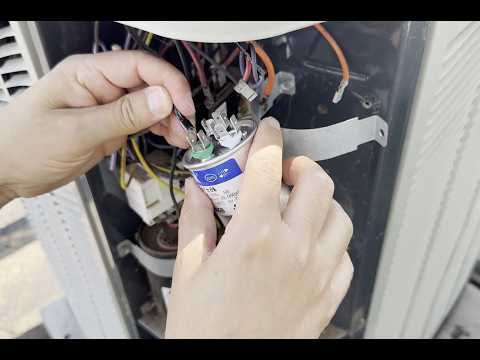
The capacitor is often found in the outdoor unit. This unit holds the compressor and fan motor. The capacitor sits inside a metal or plastic box on the side.
- Look for a metal cover panel on the unit
- Remove the panel carefully to see inside
- The capacitor is a cylindrical or oval object
- It usually has wires connected to it
Inside The Air Handler
Sometimes the capacitor is inside the air handler unit. This is often true for split systems. The air handler moves air through the house.
| Location | Capacitor Type | Notes |
| Air Handler Cabinet | Dual or Run Capacitor | Near blower motor |
| Electrical Panel | Start Capacitor | Behind access panel |
Near The Compressor
The compressor needs a capacitor to start up. The capacitor is usually close to the compressor in the outdoor unit. It helps the compressor motor get power quickly.
Check these points near the compressor:
- Capacitor mounted on a bracket or base
- Connected to compressor wires
- Often covered with a plastic or metal shield
Tools Needed For Inspection
To find and check the air conditioner capacitor, you need some basic tools. These tools help you work safely and correctly.
Using the right tools makes the inspection faster and safer. Below are the main tools you need.
Safety Equipment
Safety gear protects you from electric shocks and injuries. Always wear safety equipment before starting work.
Use gloves to protect your hands and safety glasses for your eyes.
- Insulated gloves
- Safety glasses
- Long-sleeve shirt and pants
- Non-slip shoes
Basic Hand Tools
Basic tools help you open the air conditioner panels and reach the capacitor. They are easy to carry and use.
Common hand tools include screwdrivers and pliers. These tools let you remove screws and disconnect wires.
- Flathead screwdriver
- Phillips screwdriver
- Needle-nose pliers
- Wire cutters
- Flashlight for dark areas
Multimeter Usage
A multimeter tests the capacitor’s electrical charge. It tells if the capacitor works or needs replacement.
Set the multimeter to measure microfarads (µF). Connect the probes to the capacitor terminals carefully.
- Turn off power before testing
- Discharge the capacitor first
- Set multimeter to capacitance mode
- Connect probes to capacitor terminals
- Read the value on the screen
Step-by-step Capacitor Check
Knowing where your air conditioner capacitor is located helps in checking it safely. A capacitor stores electrical energy to start the motor. Checking it ensures your AC runs well.
This guide shows how to find and test the capacitor step-by-step. Follow safety rules and use the right tools.
Power Off And Safety Checks
Before working on the AC, turn off the power. This prevents electric shock. Locate the main breaker or disconnect switch and switch it off.
Use a voltage tester to confirm no power is flowing. Wear insulated gloves and keep the area dry for extra safety.
- Turn off the main power
- Use a voltage tester to confirm power off
- Wear insulated gloves
- Keep the working area dry
Accessing The Capacitor
The capacitor is inside the outdoor AC unit. Remove the unit’s access panel by unscrewing the screws. Keep the screws safe for reassembly.
Look for a small, round or oval metal part with wires connected. This is the capacitor. It is often near the compressor or fan motor.
- Remove outdoor unit panel screws
- Locate the round or oval capacitor
- Note the wires connected to it
Visual Inspection Tips
Check the capacitor for bulges, cracks, or leaks. A healthy capacitor looks smooth and clean. Any damage means it needs replacement.
Look for corrosion on wire terminals. Loose or burnt wires can cause problems. Tighten or replace wires if needed.
- Look for bulges or cracks on the capacitor
- Check for leaking fluid
- Inspect wire terminals for corrosion
- Tighten loose wires
Testing With A Multimeter
Set the multimeter to the capacitance setting. If your meter does not have this, use the ohms setting. Discharge the capacitor first by shorting its terminals with a screwdriver.
Remove the wires from the capacitor terminals carefully. Connect the multimeter probes to the terminals. Read the value and compare it to the number on the capacitor label.
- Discharge capacitor terminals safely
- Set multimeter to capacitance or ohms
- Remove wires from capacitor
- Connect probes to terminals
- Compare reading to capacitor rating
Replacing The Capacitor
The air conditioner capacitor helps start the motor and keeps it running. If it fails, the AC will not work properly. Replacing the capacitor can fix the problem.
This guide explains how to replace the capacitor safely and correctly. Follow the steps carefully to avoid damage or injury.
Selecting The Right Capacitor
Choose a capacitor that matches the original one in size and rating. Check the microfarads (µF) and voltage on the label. The new capacitor must have the same or higher voltage rating.
- Match the microfarads (µF) rating exactly
- Use the same or higher voltage rating
- Pick a capacitor with the same shape and size if possible
- Buy from a trusted supplier for safety
Discharging The Old Capacitor
Capacitors hold electric charge even when the AC is off. Discharge it before touching to avoid shock. Use a screwdriver with an insulated handle.
- Turn off power at the breaker panel
- Wear insulated gloves for protection
- Use a screwdriver to bridge the capacitor terminals
- Hold the screwdriver for a few seconds to discharge fully
- Check with a voltage tester to confirm no charge remains
Proper Installation Steps
Install the new capacitor carefully. Connect wires exactly as they were on the old one. Tighten all connections and secure the capacitor in place.
- Turn off power before starting work
- Note the wire positions or take a photo
- Remove wires from the old capacitor
- Mount the new capacitor securely
- Attach wires to the matching terminals
- Double-check all connections
- Restore power and test the AC

Credit: www.reddit.com
Safety Tips For Diy Repairs
Knowing where the air conditioner capacitor is located can help with simple repairs. Safety is very important when working on your AC unit. Follow these tips to avoid accidents.
Capacitors store electrical energy even when the power is off. Handle them carefully to stay safe during DIY repairs.
Handling Electrical Components
Always turn off the power supply before opening the AC unit. Use a voltage tester to make sure no electricity is flowing.
Discharge the capacitor safely using a screwdriver with an insulated handle. This stops stored energy from causing shocks.
- Wear insulated gloves and safety glasses
- Work in a dry area to avoid electric shock
- Do not touch terminals directly with your hands
- Use tools with insulated handles only
When To Call A Professional
If you feel unsure about handling electrical parts, it is best to call an expert. Incorrect repairs can cause injury or damage.
Professionals have the right tools and knowledge to fix your AC safely. They can also spot other problems you might miss.
- If you cannot find the capacitor location
- If you do not have proper tools
- If you experience electric shock or sparks
- If the capacitor looks damaged or swollen
Credit: www.carrier.com
Frequently Asked Questions
Where Is The Air Conditioner Capacitor Usually Located?
The air conditioner capacitor is typically found inside the outdoor condenser unit. It is mounted near the compressor or fan motor, secured to the unit’s frame for easy access during maintenance or replacement.
How Can I Find The Capacitor In My Ac Unit?
Open the outdoor unit’s metal cover carefully. Look for a cylindrical or oval-shaped component with wires connected. This part is the capacitor, often labeled with voltage and microfarad ratings.
Why Is Locating The Ac Capacitor Important?
Knowing the capacitor’s location helps diagnose startup or running issues. It allows for quick inspection and replacement, ensuring your AC unit functions efficiently and prevents potential system damage.
Can I Access The Capacitor Without A Technician?
Yes, you can access it by turning off power and opening the outdoor unit. However, testing or replacing the capacitor should be done by a professional due to electrical risks.
Conclusion
Locating the air conditioner capacitor is crucial for maintenance. It’s usually found near the compressor in the outdoor unit. Knowing its location helps in quick repairs. This can prevent bigger problems later. Ensure to switch off power before checking. Safety first.
Regular checks can extend your AC’s lifespan. This keeps your home comfortable during hot days. Stay informed about your appliance. Small efforts lead to smoother operation. Remember, a well-maintained air conditioner works efficiently.