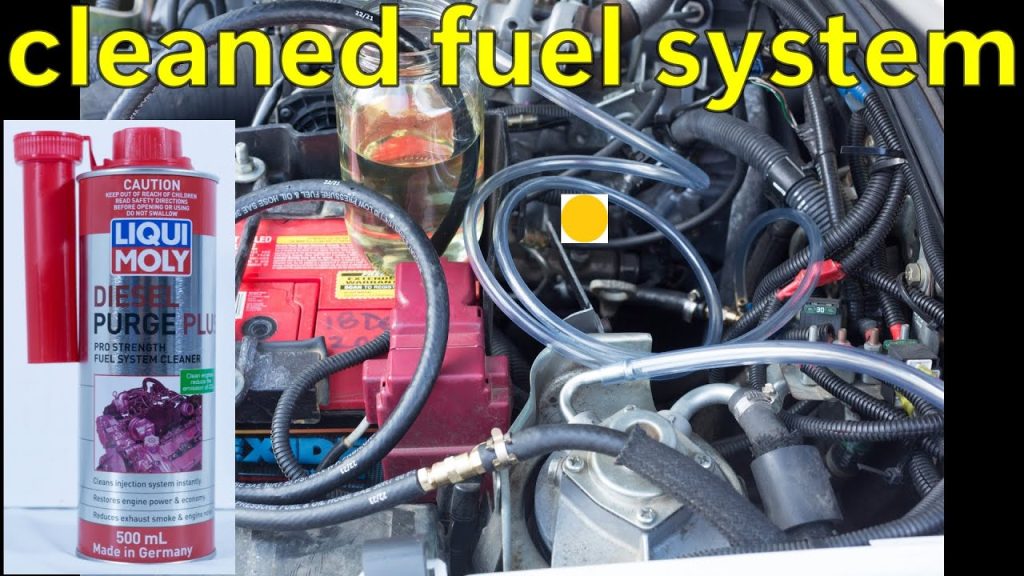
Is your car not running as smoothly as it used to? You might be dealing with a dirty fuel injection system.
Cleaning it can bring back your engine’s power and improve fuel efficiency. You will learn simple and effective steps to clean your fuel injection system yourself. By the end, you’ll feel confident taking better care of your vehicle and saving money on costly repairs.
Keep reading to find out how easy it can be to boost your car’s performance!

Credit: www.ebay.com
Signs Of A Dirty Fuel Injection System
A fuel injection system delivers fuel to your engine for combustion. Over time, dirt and deposits can clog the system. This causes problems that affect how your car runs.
Knowing the signs of a dirty fuel injection system helps you fix issues early. It can save you from costly repairs and keep your engine running smoothly.
Reduced Engine Performance
A dirty fuel injection system can lower your engine’s power. The engine may feel weak or slow when you press the gas pedal. This happens because the engine gets less fuel or uneven fuel spray.
You might notice slower acceleration or trouble climbing hills. The engine may also hesitate before speeding up.
Poor Fuel Economy
Your car uses more fuel than usual if the fuel injectors are dirty. The engine burns fuel less efficiently. This means you fill the tank more often and spend extra money on gas.
Dirty injectors cause fuel to spray unevenly, wasting fuel. This reduces your miles per gallon (MPG).
Engine Misfires And Rough Idling
When fuel injectors clog, the engine may misfire. You will feel shaking or jerking while driving. The engine may also idle roughly or unevenly when stopped.
Misfires happen because the fuel does not reach the engine parts properly. Rough idling means the engine runs unevenly at low speeds.
Increased Emissions
A dirty fuel injection system can cause your car to release more harmful gases. The engine burns fuel poorly, leading to higher pollution. This may cause your car to fail emission tests.
- More carbon monoxide in exhaust
- Higher hydrocarbons from unburned fuel
- Increased nitrogen oxides

Credit: www.fuellogic.net
Tools And Materials Needed
Cleaning the fuel injection system requires specific tools and materials. Using the right items helps you do the job safely and well.
This guide lists the essential tools and materials you need before starting the cleaning process.
Fuel Injector Cleaner
Fuel injector cleaner is a special liquid designed to remove dirt and deposits inside the fuel injectors. It helps improve engine performance and fuel efficiency.
Safety Gear
- Safety goggles to protect your eyes from chemicals
- Rubber gloves to keep your hands safe from fuel and cleaners
- Long-sleeved shirt to protect your skin
- A mask to avoid inhaling fumes
Basic Hand Tools
| Tool | Purpose |
| Socket wrench set | Remove fuel injectors and related parts |
| Screwdrivers | Loosen clamps and screws |
| Pliers | Grip small parts and connectors |
| Clean rags | Wipe spills and clean surfaces |
| Flashlight | See clearly in engine spaces |
Cleaning Kits
Cleaning kits often include tools and liquids for thorough cleaning. They may have adapters to connect the cleaner to the fuel system.
- Fuel injector cleaning solvent
- Pressure gauge to monitor fuel pressure
- Adapters for different fuel lines
- Instruction manual for safe use
Preparing Your Vehicle
Cleaning the fuel injection system starts with preparing your vehicle correctly. This preparation makes the cleaning process safe and effective.
Take your time to follow each step carefully before you begin working on the fuel injection system.
Locate The Fuel Injection System
First, find the fuel injection system under the hood. It usually sits on top of the engine. Look for fuel rails and injectors connected to the intake manifold.
- Open the hood and secure it.
- Identify the fuel rails—metal tubes with injectors attached.
- Look for electrical connectors on each injector.
- Consult your vehicle manual if unsure about the location.
Ensure Engine Is Cool
Never clean the fuel injection system while the engine is hot. Wait until the engine cools down completely to avoid burns and accidents.
| Reason | Details |
| Safety | Cool engine prevents burns and fires |
| Accuracy | Cool parts are easier to handle and inspect |
| Effectiveness | Cleaning chemicals work better on a cool engine |
Disconnect The Battery
Before touching any fuel system parts, disconnect the vehicle’s battery. This stops electrical sparks and protects you from shocks.
- Locate the battery, usually near the engine bay.
- Use a wrench to loosen the negative (-) terminal first.
- Remove the negative cable and set it aside safely.
- Repeat for the positive (+) terminal if needed.
- Do not let the cables touch metal parts.
Step-by-step Cleaning Process
Cleaning the fuel injection system helps your engine run smoothly. Dirt and deposits can block the injectors.
This guide shows how to clean fuel injectors with easy steps. Follow each part carefully for best results.
Remove Fuel Injectors
Start by disconnecting the battery to avoid shocks. Locate the fuel injectors on your engine.
Remove any covers or components blocking the injectors. Carefully unplug the electrical connectors.
- Relieve fuel system pressure.
- Disconnect the fuel rail from the injectors.
- Gently pull out each fuel injector.
- Place injectors on a clean surface.
Use Cleaning Solution
Choose a proper fuel injector cleaning solution. It dissolves deposits and dirt inside the injector.
Soak the injectors in the solution for 30 minutes. This helps to loosen stubborn grime.
- Wear gloves to protect your skin.
- Use a small container for soaking.
- Rinse injectors with clean water after soaking.
Ultrasonic Cleaning Option
Ultrasonic cleaning uses sound waves to remove dirt inside injectors. It is a deeper cleaning method.
| Ultrasonic Cleaning Steps | Details |
|---|---|
| Fill tank | Use water mixed with a cleaning solution |
| Place injectors | Submerge injectors fully in the tank |
| Run device | Operate ultrasonic cleaner for 20 minutes |
| Dry injectors | Let injectors air dry before reinstalling |
Reinstall Fuel Injectors
Check injector seals and replace if damaged. Place each injector back into its position carefully.
Reconnect fuel rail and electrical connectors. Make sure all parts are secure to avoid leaks.
- Insert injectors firmly into the fuel rail.
- Tighten mounting bolts to the correct torque.
- Reconnect wiring harnesses.
- Reconnect the battery and start the engine to test.
Using Fuel Injector Cleaner Additives
Fuel injector cleaner additives help keep your engine running smoothly. They remove deposits that block fuel injectors.
Using the right additive and adding it properly can improve fuel efficiency and reduce emissions.
Choosing The Right Additive
Choose a cleaner that fits your vehicle’s needs. Look for products that match your fuel type and engine size.
- Use additives approved by car manufacturers.
- Check for detergents that remove carbon deposits.
- Pick a product that is safe for your fuel system materials.
- Read user reviews to find effective brands.
Adding To The Fuel Tank
Add the cleaner to an almost empty fuel tank. This helps the additive mix well with the fuel.
Pour the recommended amount directly into the tank. Avoid spilling and follow package instructions carefully.
| Step | Action |
| 1 | Park the vehicle in a safe, well-ventilated area. |
| 2 | Open the fuel tank cap. |
| 3 | Pour the correct amount of cleaner into the tank. |
| 4 | Refuel the tank fully. |
| 5 | Close the fuel cap securely. |
Frequency Of Use
Use fuel injector cleaner additives regularly to maintain injector health. The right frequency depends on your driving habits.
- Use every 3,000 to 5,000 miles for normal driving.
- Use more often if you drive in heavy traffic or dusty areas.
- Follow the product label for exact recommendations.
- Do not overuse, as too much cleaner can harm the fuel system.
Maintaining Your Fuel Injection System
The fuel injection system helps your engine run smoothly. Keeping it clean improves fuel use and engine life.
Regular care stops clogs and keeps your car running well. Use simple steps to maintain the system.
Regular Use Of Cleaner Additives
Add fuel injector cleaner to your gas tank often. This helps remove dirt and buildup inside the system.
Cleaner additives keep injectors spraying fuel evenly. This leads to better engine performance and less pollution.
- Use the cleaner every few thousand miles
- Follow the product instructions carefully
- Choose cleaners made for fuel injection systems
Routine Inspections
Check your fuel injection system regularly for leaks or damage. Early detection helps avoid bigger problems.
Look for signs like poor engine idling or lower fuel efficiency. These may signal fuel injector issues.
- Inspect fuel lines and connections
- Watch for engine warning lights
- Listen for rough engine sounds
Professional Servicing
Take your vehicle to a mechanic for fuel injection cleaning every 30,000 miles or as needed. They use special tools for deep cleaning.
Professionals can test and fix parts that need repair. This keeps your fuel system working at its best.
- Ultrasonic cleaning of injectors
- Fuel pressure and spray pattern checks
- Replacing worn parts if necessary
Troubleshooting Common Issues
Cleaning the fuel injection system helps keep your engine running smoothly. Dirty injectors can cause many problems that hurt performance.
This guide covers common issues in the fuel injection system. Learn how to spot and fix them to avoid costly repairs.
Persistent Engine Problems
When your engine runs rough or stalls, clogged fuel injectors may be the cause. Dirt blocks fuel flow, leading to poor combustion.
- Check for rough idling or hesitation during acceleration.
- Listen for unusual engine noises or misfires.
- Inspect spark plugs for signs of fuel issues.
- Use a fuel injector cleaner to remove deposits.
- Test drive to see if performance improves.
Fuel Injector Leaks
Leaks in fuel injectors waste fuel and can cause engine trouble. Look for wet spots or fuel smell near the injectors.
| Symptom | Possible Cause | Action |
| Fuel smell | Injector seal damage | Replace injector seals |
| Fuel puddle | Cracked injector body | Replace injector |
| Poor engine performance | Fuel leak causing low pressure | Check fuel pressure and fix leaks |
Electrical Connection Issues
Faulty electrical connections can stop injectors from working. Corroded or loose wires cause weak signals and poor fuel delivery.
- Inspect wiring harness for damage or corrosion.
- Check injector connectors for a secure fit.
- Use a multimeter to test injector coil resistance.
- Clean connectors with electrical contact cleaner.
- Replace damaged wires or connectors.

Credit: www.amazon.com
Frequently Asked Questions
What Is The Purpose Of Cleaning A Fuel Injection System?
Cleaning the fuel injection system removes deposits and dirt. This improves fuel flow and engine efficiency. It helps prevent misfires and rough idling, enhancing overall vehicle performance and fuel economy.
How Often Should I Clean The Fuel Injection System?
Generally, clean the fuel injection system every 30,000 miles. Regular maintenance prevents buildup and keeps the engine running smoothly. Check your vehicle’s manual for specific recommendations.
Can I Clean The Fuel Injection System Myself?
Yes, basic cleaning can be done with a fuel injector cleaner additive. For thorough cleaning, professional service is recommended to avoid damage and ensure proper results.
What Are The Signs Of A Dirty Fuel Injection System?
Common signs include poor acceleration, rough idling, engine misfires, and reduced fuel efficiency. If you notice these, consider cleaning the fuel injection system promptly.
Conclusion
Cleaning your fuel injection system boosts engine performance. Regular maintenance keeps your vehicle running smoothly. It prevents clogs and improves fuel efficiency. Follow the steps outlined for a cleaner system. Use the right tools and products for best results. Always prioritize safety during the cleaning process.
Regular checks can extend your engine’s life. Save money on costly repairs in the future. Keep your vehicle in top condition with these easy steps. Make it a part of your routine. Enjoy a smoother, more efficient ride every day.