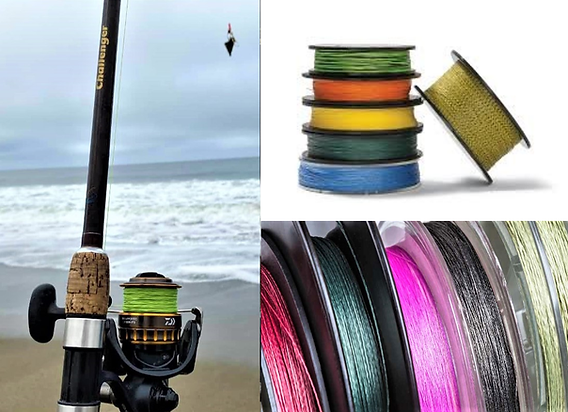
Are you wondering if braided fishing line is the right choice for your next fishing trip? Knowing when to use braided line can make a huge difference in your success on the water.
This type of line offers unique benefits, but only in certain situations. By understanding exactly when and why to use braided fishing line, you’ll improve your casting, increase your strength, and avoid common frustrations. Keep reading to discover the key moments when braided line can give you the edge you need to catch more fish.
Benefits Of Braided Line
Braided fishing line is popular among anglers for many reasons. It offers unique advantages compared to other fishing lines.
Understanding these benefits helps in choosing the right line for your fishing needs.
Strength And Durability
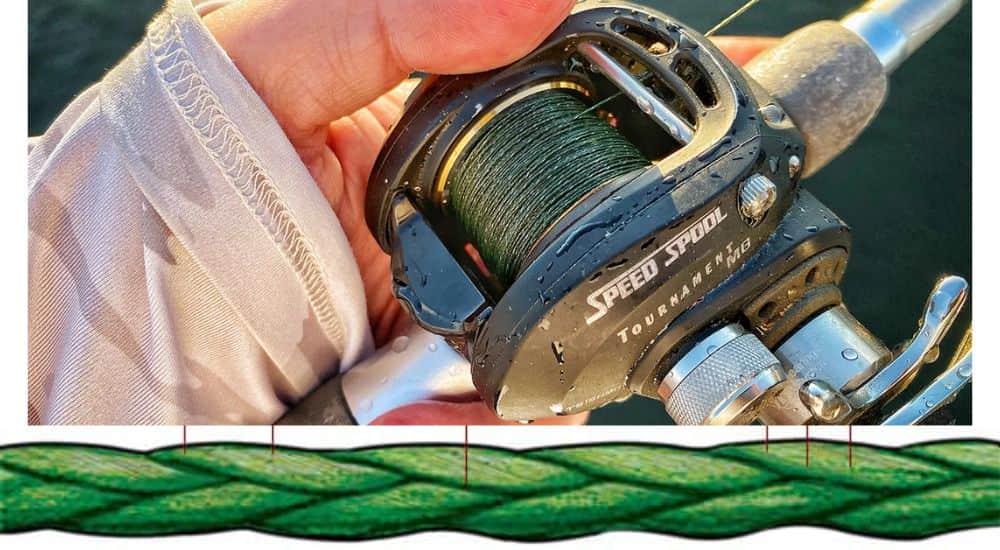
Braided line is made from several strands woven together. This design makes it very strong and resistant to wear. It holds up well against sharp objects and rough surfaces.
- High breaking strength
- Resistance to abrasion
- Long-lasting performance
Sensitivity And Casting Distance
Braided line has very low stretch, which increases sensitivity. You can feel bites and underwater movements more clearly. It also casts farther because it is thinner and lighter than many other lines.
| Feature | Benefit |
| Low diameter | Longer casting distance |
| High sensitivity | Better bite detection |
| Thin profile | Less wind resistance |
Low Stretch Advantages
Low stretch in braided line means it does not stretch much under tension. This helps anglers set the hook quickly and keep steady pressure on the fish.
Key advantages include:
- Quick hook sets
- Improved control of hooked fish
- Better use in deep water fishing
Ideal Conditions For Braided Line
Braided fishing line is strong and thin. It helps anglers in tough fishing spots.
This line works best in special conditions where strength and sensitivity matter most.
Fishing In Heavy Cover
Heavy cover means thick plants, rocks, or logs where fish hide. Braided line cuts through easily.
The line’s strength helps pull fish out without breaking. It resists abrasion well in rough spots.
- Strong against snags and sharp objects
- Thin diameter lets you fit more line on reels
- Good sensitivity to feel fish bites in thick cover
Deep Water Techniques
Deep water fishing needs strong line to handle heavy weights and big fish.
Braided line sinks slowly and stays tight for better control. Anglers can feel fish at great depths.
- Low stretch for better bite detection
- Strong enough for heavy lures and sinkers
- Thin line reduces water resistance while sinking
Saltwater Applications
Saltwater fishing demands line that handles harsh conditions and big fish.
Braided line resists saltwater wear and stays strong. It helps catch tough species like tuna and snapper.
- Resistant to UV rays and salt corrosion
- High strength for large and powerful fish
- Minimal stretch for quick hook sets
Choosing The Right Braided Line
Braided fishing line offers strength and sensitivity. Picking the right line helps catch more fish. Understanding key factors makes selection easier.
This guide covers line diameter and test strength, color options, and rod and reel compatibility. Each section helps you choose the best braided line.
Line Diameter And Test Strength
Line diameter affects casting distance and sensitivity. Test strength shows how much weight the line can hold. Choose based on the fish you want to catch.
| Line Diameter | Test Strength (lbs) | Typical Use |
|---|---|---|
| 0.10 mm | 10-15 | Small fish, light tackle |
| 0.15 mm | 20-30 | Medium fish, general use |
| 0.25 mm | 40-50 | Large fish, heavy cover |
| 0.35 mm | 60-80 | Big game fishing |
Color Selection
Line color affects visibility in water. Choose colors based on water clarity and fishing conditions. Bright colors help you see the line above water.
- Green and brown blend well in clear water.
- Bright yellow or orange is good for low light.
- Blue or gray suits deep or open water fishing.
- Clear lines reduce visibility to fish.
Compatible Rod And Reel Types
Not all rods and reels work well with braided line. Choose gear designed to handle braided line’s thin diameter and high strength.
- Spinning reels need a smooth drag system for braided line.
- Baitcasting reels require a spool designed for thin lines.
- Use rods with guides that reduce friction and wear.
- Check manufacturer recommendations for braided line use.
Techniques For Using Braided Line
Braided fishing line has unique qualities that need special handling. It offers strength and sensitivity but requires care in use.
Understanding how to tie knots, spool the line, and adjust your drag settings will help you fish better with braided line.
Knot Tying Tips
Braided line is slippery and thin. Use knots that hold well and do not slip. The Palomar knot is a popular choice.
- Wet the line before tightening to reduce friction
- Tie the knot slowly and check for any twists
- Double the line for extra strength in the knot
- Trim the tag end close to the knot for a clean finish
Spooling And Line Maintenance
Proper spooling prevents line damage and tangles. Keep the spool tight and avoid twists.
| Tip | Reason |
| Use a backing line | Protects the spool and adds length |
| Keep tension while spooling | Prevents line loops and tangles |
| Store line in a cool, dry place | Extends line life and performance |
| Inspect line regularly | Detects wear and avoids breakage |
Adjusting Drag Settings
Drag control is key with braided line. It does not stretch like monofilament, so set drag carefully.
Follow this guide to adjust your drag:
- Start with a low drag setting
- Test the drag by pulling the line with your hand
- Increase drag slowly until it resists without breaking
- Check drag during fishing and adjust as needed
Comparing Braided Line With Other Lines
Fishing lines come in different types. Braided line is one popular choice. It offers unique strengths and weaknesses.
Understanding how braided line compares helps you pick the best line for your fishing needs.
Monofilament Vs Braided
Monofilament line is made from a single strand of nylon. It stretches more than braided line. This stretch helps absorb shocks when a fish pulls hard.
Braided line is made from many thin fibers woven together. It has very little stretch. This gives better sensitivity, so you can feel bites better.
- Monofilament is easier to handle and knot
- Braided line has higher strength for its diameter
- Monofilament floats on water; braided usually sinks
- Braided line resists abrasion better than monofilament
Fluorocarbon Vs Braided
Fluorocarbon line is nearly invisible underwater. It sinks faster than braided line. This makes it good for clear water and deep fishing.
Braided line is more visible but stronger. It is less stretchy than fluorocarbon. Anglers often use braided line with a fluorocarbon leader to get the best of both.
- Fluorocarbon is better for stealthy fishing
- Braided line offers better casting distance
- Fluorocarbon resists UV damage more than braided
- Braided line has a smaller diameter for the same strength
Cost And Longevity Considerations
Braided line costs more upfront than monofilament. Fluorocarbon is usually the most expensive option. Braided line lasts longer if cared for well.
Monofilament can weaken faster from sun and water damage. Fluorocarbon lasts longer but may be less durable against sharp objects. Braided line resists cuts but can fray over time.
- Braided line has the best strength-to-diameter ratio
- Monofilament is cheapest but may need frequent replacement
- Fluorocarbon offers good durability but costs more
- Proper care extends the life of all line types

Credit: www.meltontackle.com
Common Mistakes To Avoid
Using braided fishing line can improve your fishing experience. Yet, some mistakes can reduce its benefits. Knowing what to avoid helps you fish better.
This guide covers three common errors when using braided line. Avoid these to get the most from your gear.
Ignoring Line Compatibility
Not all rods and reels work well with braided lines. Using the wrong gear can cause damage or poor performance. Check if your equipment supports braided line.
Some rods have guides that wear faster with braided line. Reels may need special spools or settings. Match your line to your fishing gear.
Overlooking Line Visibility
Braided lines are usually more visible in water than other lines. Not adjusting your tactics for this can scare fish away. Choose the right color and fishing spots.
Clear or green braided lines blend better in water. Avoid bright colors in clear water. Use line covers or leaders to hide the line when needed.
- Pick line color based on water clarity
- Use a leader to reduce line visibility
- Fish in areas with cover to hide your line
Improper Knot Usage
Braided lines need special knots to hold well. Using the wrong knots can cause line slipping and lost fish. Learn which knots work best.
Knots like the Palomar or Double Uni are strong with braided lines. Always wet the line before tightening knots. This prevents damage and ensures a firm hold.
- Use knots made for braided line
- Wet the line before tightening
- Test knots before fishing
Tips For Maximizing Success
Using braided fishing line offers many advantages for anglers. It has high strength and low stretch. To get the best results, you must use it correctly with other gear and adjust your fishing methods.
This guide covers key tips for combining braided line with leaders, changing techniques for different fish, and keeping your line in good condition.
Combining Braided Line With Leaders
Braided line is very visible in clear water and can scare fish. Using a leader made of fluorocarbon or monofilament helps hide the line near the hook.
- Attach a leader about 2 to 4 feet long to the braided line.
- Use a strong knot like the FG knot to connect the leader and braid.
- Choose leader material based on fish species and water clarity.
- Replace the leader if it gets damaged or frayed.
Adjusting Techniques For Target Species
Different fish respond to different fishing actions. Braided line needs slight changes in your method to work well for each species.
| Fish Species | Recommended Technique |
| Bass | Use slow, steady retrieves with pauses |
| Trout | Make light casts and use small lures |
| Saltwater Species | Try fast retrieves and strong hooks |
| Catfish | Fish near bottom with heavy sinkers |
Regular Line Inspection And Replacement
Braided line lasts longer than other types but still wears out over time. Regular checks keep you from losing fish or gear.
Follow these steps to inspect and replace your braided line:
- Look for frays or cuts along the line.
- Check the knots for tightness and signs of wear.
- Feel the line for rough spots or stiffness.
- Replace the line if you see any damage or after heavy use.
- Store your line away from sunlight and dirt to extend life.

Credit: www.amazon.ca
Credit: barbcatchfishing.com
Frequently Asked Questions
What Are The Best Conditions To Use Braided Fishing Line?
Braided fishing line is ideal for heavy cover, deep water, and strong currents. It offers high strength and minimal stretch, improving sensitivity and hook sets.
How Does Braided Line Compare To Monofilament?
Braided line is thinner, stronger, and more durable than monofilament. It has less stretch, providing better bite detection and control.
When Should I Avoid Using Braided Fishing Line?
Avoid braided line in clear water or for finesse techniques. It is highly visible and may spook fish in these conditions.
Can Braided Line Improve Casting Distance?
Yes, braided line offers smoother casting and longer distance due to its thin diameter and low memory.
Conclusion
Choosing the right fishing line boosts your fishing experience. Braided lines offer strength and sensitivity. They work well in heavy cover and deep water. Ideal for big fish and tough conditions. They provide excellent casting distance. Remember, every fishing situation is different.
Evaluate your needs before selecting a line. Consider water type, fish size, and conditions. Braided lines excel in many situations. Yet, they’re not always necessary. Assess the situation carefully. This ensures the best results. Happy fishing!