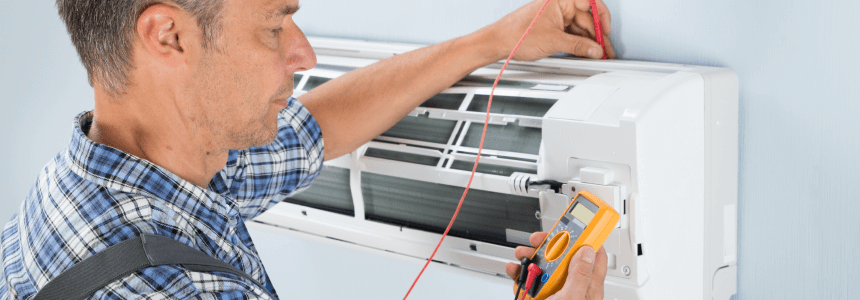
Is your home air conditioner not cooling like it used to? You might be wondering, “How do I recharge my home air conditioner?”
If your AC is blowing warm air or struggling to keep your space comfortable, recharging it could be the solution. But before you call a technician or spend a fortune, you can learn simple steps to fix it yourself. Keep reading to discover easy and effective ways to recharge your air conditioner, save money, and enjoy cool comfort all summer long.
Signs Your Ac Needs Recharging
Your home air conditioner may need recharging if it is not cooling well. Refrigerant is important for the AC to work properly.
Watch for some common signs that show your AC might be low on refrigerant. Catching these signs early can save you from bigger problems.
Reduced Cooling Efficiency
If your AC takes longer to cool the room, it might need recharging. The air may not feel as cold as before.
Low refrigerant means the AC cannot remove heat well. This causes less cool air to come out of the vents.
Unusual Noises
You might hear strange sounds from your AC when refrigerant is low. These noises can be hissing or bubbling.
The sounds come from leaks or pressure changes inside the system. Pay attention if the noise is different than usual.
Ice Formation On Coils
Ice may form on the AC coils when refrigerant is low. This happens because the coils get too cold without enough refrigerant.
Ice blocks airflow and makes the AC work harder. You might see frost or ice buildup on the outdoor or indoor coils.
Increased Energy Bills
Your energy bills may go up if the AC is low on refrigerant. The system uses more power to cool your home.
Low refrigerant makes the AC less efficient. This causes longer running times and higher electricity costs.

Credit: atlasacrepair.com
Essential Tools And Materials
To recharge your home air conditioner safely, you need the right tools and materials. These help ensure the job is done correctly and without harm.
This guide covers the main items you will require before starting the recharge process.
Refrigerant Type And Quantity
Knowing the correct refrigerant type and amount is crucial. Check your air conditioner’s label or manual for this information.
| Refrigerant Type | Common Types |
| Older models | R-22 |
| Newer models | R-410A |
| Eco-friendly options | R-32, R-454B |
| Quantity | Specified in ounces or grams on label |
Pressure Gauge Set
A pressure gauge set helps measure the system’s pressure. It shows if the refrigerant level is too low or too high.
- Connects to service ports on the air conditioner
- Includes low and high-pressure gauges
- Allows safe and accurate recharge
Safety Gear
Wear safety gear to protect yourself during the recharge. Refrigerants can be harmful if mishandled.
- Safety goggles to protect eyes
- Gloves to avoid skin contact
- Long sleeves to cover arms
- Mask to avoid inhaling fumes
Leak Detection Kit
Use a leak detection kit to find any leaks before recharging. Leaks waste refrigerant and reduce cooling efficiency.
- Includes UV dye or electronic detector
- Helps locate small leaks in pipes or fittings
- Ensures system is sealed properly
Safety Precautions
Recharging your home air conditioner needs care and attention. Following safety rules helps avoid accidents and damage.
This guide covers important steps to keep you safe during the process.
Switching Off Power
Always turn off the power to your air conditioner before starting. This stops electric shocks and equipment damage.
Locate the correct circuit breaker or switch and make sure it is off. Double-check by trying to turn on the unit.
Handling Refrigerants Safely
Refrigerants are chemicals that require careful handling. They can harm your skin, eyes, and lungs.
- Wear protective gloves and goggles.
- Use approved containers to store refrigerants.
- Do not inhale refrigerant vapors.
- Follow the instructions on the refrigerant label carefully.
- Dispose of old refrigerant according to local laws.
Working In A Well-ventilated Area
Work in a place with fresh air. Good ventilation lowers the risk of breathing harmful gases.
| Ventilation Tips |
|---|
| Open windows and doors to let air flow. |
| Use fans to increase air movement. |
| Avoid working in small, closed rooms. |
| Take breaks outside if you feel dizzy or lightheaded. |

Credit: www.youtube.com
Locating The Service Valve
Knowing where the service valve is helps you recharge your home air conditioner safely. The valve controls the flow of refrigerant in the system.
Finding the right valve is important before you start any maintenance or refilling process.
Identifying The Low-pressure Port
The low-pressure port is where you connect the recharge hose. It is usually smaller than the high-pressure port. Look for a capped valve on the larger tubing coming from the compressor.
- The low-pressure port often has a blue or black cap.
- It is located on the larger diameter pipe.
- This port is usually near the outdoor condenser unit.
- Check the unit label or manual to confirm the port.
Accessing The Valve Safely
Before touching the valve, turn off the power to the air conditioner. Use safety gloves and goggles to protect yourself.
| Safety Tip | Reason |
|---|---|
| Turn off power | Prevents electric shock |
| Wear gloves | Protects hands from refrigerant burns |
| Use goggles | Shields eyes from debris or gas |
| Work in daylight | Improves visibility and safety |
Connecting The Pressure Gauges
To recharge your home air conditioner, you need to connect pressure gauges. These gauges help you check the refrigerant levels safely.
Proper connection of the gauges is important to avoid leaks and get accurate readings.
Attaching To The Low-pressure Side
Find the low-pressure service port on your air conditioner. It is usually on the larger copper tube.
Remove the cap from the port. Attach the blue hose from the gauge set to this port. Make sure it fits tightly to avoid leaks.
- Locate the low-pressure port on the suction line
- Remove the protective cap carefully
- Connect the blue hose to the port securely
- Check for any leaks after attaching
Reading The Pressure Levels
Turn on your air conditioner and let it run for a few minutes. Then, check the pressure gauge attached to the low-pressure side.
The gauge will show the refrigerant pressure in pounds per square inch (PSI). Compare this with the recommended levels for your AC model.
- Watch the needle on the pressure gauge
- Note the PSI reading carefully
- Use the AC manual to find correct pressure ranges
- Do not recharge if pressure is already normal
Recharging Process
Recharging your home air conditioner restores its cooling power. It involves adding refrigerant carefully to avoid damage.
This guide explains how to open the valve, add refrigerant gradually, and monitor the pressure gauge.
Opening The Valve To Release Refrigerant
First, locate the service valve on your air conditioner. Use a wrench to turn the valve counterclockwise slowly. This releases the refrigerant into the system.
Be careful not to open the valve too fast. A quick release can cause damage or refrigerant loss.
Adding Refrigerant Gradually
Adding refrigerant should be done in small amounts. This helps keep the system balanced and safe.
- Attach the refrigerant can to the hose.
- Open the valve slightly to start flow.
- Pause to let the refrigerant settle.
- Repeat until pressure reaches the correct level.
Monitoring Pressure Gauge
Use a pressure gauge to check the refrigerant level. The gauge shows if the pressure is too low, normal, or too high.
| Pressure Status | Meaning |
| Low | More refrigerant needed |
| Normal | Proper refrigerant level |
| High | Too much refrigerant, risk of damage |
Final Checks
After recharging your home air conditioner, it is important to do some final checks. These checks help make sure your unit works well and safely.
Taking time for these steps can improve cooling and prevent problems.
Ensuring Proper Cooling
Turn on your air conditioner and check if the room cools down. The air should feel cold within a few minutes.
If the cooling is weak or uneven, the refrigerant level might be wrong or there could be another issue.
Checking For Leaks
Look closely at the valves, hoses, and connections for any signs of refrigerant leaks. Leaks may appear as oily spots or frost buildup.
You can use soapy water on connections to spot bubbles, which show leaks. Fix leaks quickly to keep the system working well.
- Apply soapy water to joints and valves
- Watch for bubbles forming
- Inspect hoses for cracks or damage
Re-securing Valves And Hoses
Make sure all valves and hoses are tight and secure. Loose parts can cause leaks or reduce cooling efficiency.
Use the correct tools to tighten connections but avoid over-tightening. Check the manufacturer’s instructions for guidance.
Common Mistakes To Avoid
Recharging your home air conditioner needs care and attention. Avoiding common mistakes can save you time and money.
Here are some common errors people make when recharging their AC units. Knowing these helps keep your system safe and efficient.
Overcharging The System
Adding too much refrigerant can damage your air conditioner. Overcharging leads to high pressure inside the system.
This pressure can cause leaks or damage parts like the compressor. It also lowers cooling efficiency and wastes energy.
- Do not add refrigerant beyond the recommended level.
- Use gauges to check the pressure correctly.
- Follow the manufacturer’s instructions carefully.
Ignoring Leaks
Leaks in the air conditioner let refrigerant escape. Ignoring leaks means you lose cooling power fast.
Recharging without fixing leaks wastes refrigerant and can harm the environment. Always check for leaks first.
- Look for oil stains or wet spots on AC parts.
- Use leak detection tools or soapy water to find leaks.
- Repair leaks before recharging the system.
Using Incorrect Refrigerant
Using the wrong refrigerant can cause serious damage to your AC unit. Different models need specific types of refrigerant.
Wrong refrigerant may not cool well and can harm the compressor or other parts. Always check the label or manual.
- Find the correct refrigerant type for your AC model.
- Never mix different refrigerants in the system.
- Use only approved refrigerants to keep your warranty valid.
When To Call A Professional
Recharging your home air conditioner can save money and improve comfort. But some problems need expert help. Knowing when to call a professional is important.
This guide covers key signs that show you should hire a technician instead of recharging the AC yourself.
Persistent Cooling Issues
If your air conditioner does not cool properly after recharging, the problem may be deeper. A professional can find hidden issues like clogged coils or electrical faults.
- AC runs but air is warm
- Cooling stops soon after recharge
- Uneven temperature in rooms
- Strange noises during operation
Major Leaks Or Damage
Large leaks or physical damage to your AC require expert repair. Handling refrigerants needs care to avoid health risks and environmental harm.
| Type of Damage | Why Call a Professional |
| Large refrigerant leaks | Need special tools and permits |
| Damaged compressor or coils | Complex replacement and repair |
| Broken electrical parts | Risk of shock or fire |
Lack Of Proper Tools
Recharging an air conditioner requires gauges, vacuum pumps, and safety gear. Without these, you may cause damage or fail to fix the problem.
Tools needed include:
- Refrigerant pressure gauges
- Vacuum pump to remove air
- Correct refrigerant type and amount
- Protective gloves and eyewear
Missing these tools or experience means calling a professional is the safest choice.

Credit: www.youtube.com
Frequently Asked Questions
How Do I Know When My Ac Needs Recharging?
Signs include weak airflow, warm air, and longer cooling times. Check for ice on coils or hissing sounds indicating leaks. These symptoms suggest low refrigerant requiring a recharge.
Can I Recharge My Home Ac Myself Safely?
Recharging an AC requires specific tools and knowledge of refrigerants. DIY attempts risk leaks or damage. It’s safer to hire a certified technician for proper handling and environmental compliance.
What Type Of Refrigerant Does My Ac Use?
Check your AC unit’s label or manual for refrigerant type, commonly R-22 or R-410A. Using the correct refrigerant ensures efficient cooling and system longevity.
How Much Does It Cost To Recharge A Home Air Conditioner?
Costs vary based on refrigerant type and leak repairs. On average, recharging ranges from $150 to $350. Professional service ensures safety and proper system function.
Conclusion
Recharging your home air conditioner doesn’t have to be hard. Start by checking the refrigerant levels. Low levels need refilling. Always use the right type of refrigerant. Ensure all connections are tight and secure. Regular maintenance keeps your AC running smoothly.
Clean filters and coils improve efficiency. Remember, safety first. Wear protective gear when handling refrigerants. If unsure, contact a professional for help. Your comfort is important. With these steps, enjoy a cool home all summer. Stay cool and comfortable with a well-maintained AC system.
Keep the heat at bay.