Have you ever wondered what makes a 3 season tent different from other tents? If you’re planning your next camping trip, understanding this can make a big difference in your comfort and safety.
A 3 season tent isn’t just a name—it’s designed to protect you through spring, summer, and fall. But what exactly does that mean for your outdoor adventure? Keep reading to discover how a 3 season tent works, why it might be the perfect choice for you, and what to look for when picking one.
Your next camping experience could depend on it.
3 Season Tent Basics
A 3 season tent is designed for use in spring, summer, and fall. It protects campers from rain, wind, and mild cold.
These tents balance lightweight design with enough durability for most outdoor conditions.
Seasonal Suitability
3 season tents work well in moderate weather. They handle rain and wind but are not for heavy snow or extreme cold.
- Spring: Protects from rain and cool winds
- Summer: Provides ventilation to stay cool
- Fall: Shields against rain and mild cold
Key Features
These tents include features that make camping comfortable across most seasons.
- Water-resistant rainfly to keep dry
- Mesh panels for airflow and bug protection
- Lightweight poles for easy carrying
- Good ventilation to reduce condensation
- Strong enough to resist moderate wind
Materials Used
| Material | Purpose |
|---|---|
| Ripstop Nylon | Lightweight and durable fabric for tent body |
| Polyester | Used for rainfly; resists water and UV rays |
| Aluminum Poles | Strong but light, supports tent structure |
| Mesh | Allows airflow and keeps insects out |
| Seam Tape | Seals seams to prevent water leaks |
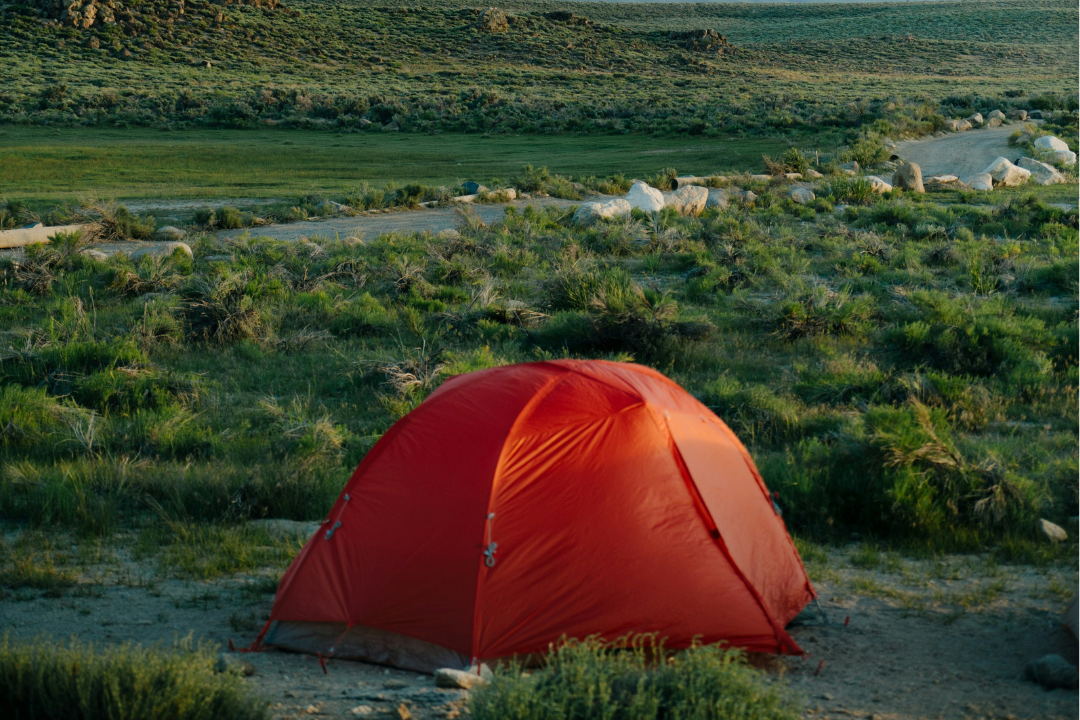
Credit: www.sail.ca
Weather Conditions Handled
A 3 season tent is designed to protect you during spring, summer, and fall. It handles common weather changes in these seasons.
This type of tent offers good shelter from rain, wind, and moderate temperatures. It is not meant for heavy snow or extreme cold.
Rain Protection
3 season tents keep you dry during light to moderate rain showers. They use waterproof fabrics and sealed seams.
The rainfly covers the tent fully to stop water from getting inside. Ventilation helps prevent moisture buildup inside.
Wind Resistance
These tents can handle moderate wind. Their shape and strong poles help them stay stable in windy conditions.
Proper staking and guy lines improve wind resistance. They keep the tent firm and prevent damage during gusts.
Temperature Range
3 season tents work best in mild to cool temperatures. They are not designed for freezing or snowy weather.
The tents have mesh panels for airflow. This helps keep you cool on warm nights and reduces condensation.
Design Elements
A 3 season tent is built for spring, summer, and fall use. It balances comfort and protection without heavy insulation. The design focuses on ventilation, weight, and space.
Understanding these design elements helps campers pick the right tent for mild weather. Each element plays a key role in usability and comfort.
Ventilation Systems
Good airflow is important to reduce condensation inside the tent. 3 season tents have mesh panels and vents to keep air moving.
- Mesh windows and doors allow fresh air in while keeping bugs out.
- Adjustable vents near the top release warm, moist air.
- Rain flaps protect vents during rain but still allow airflow.
- Double-wall design separates the rainfly from the tent body for better ventilation.
Weight And Portability
3 season tents are lighter than 4 season tents. They use thinner poles and fabric to reduce weight. This makes them easier to carry on hikes.
| Feature | Details |
| Weight Range | 3 to 7 pounds (1.4 to 3.2 kg) |
| Frame Material | Aluminum or fiberglass poles |
| Fabric | Light nylon or polyester with waterproof coating |
| Pack Size | Compact, fits in small backpacks |
Space And Layout
3 season tents offer enough room for sleeping and gear storage. The layout focuses on comfort without extra bulk.
- Usually designed for 1 to 4 people.
- Vestibules provide covered storage for backpacks and shoes.
- Interior pockets help organize small items.
- Simple floor plans reduce weight and setup time.

Credit: alpkit.com
Comparing Tent Types
Tents come in different types for various weather conditions. Choosing the right tent helps you stay comfortable and safe outdoors.
This guide compares three common tent types: 3 season, 4 season, and summer tents. Learn how they differ and when to use each.
3 Season Vs 4 Season
3 season tents work well in spring, summer, and fall. They handle rain and wind but are not made for heavy snow or extreme cold.
4 season tents are stronger and heavier. They protect against snow, strong wind, and freezing temperatures. These tents have less mesh to keep warmth inside.
| 3 Season Tent | 4 Season Tent | |
| Weight | Light to medium | Heavy |
| Ventilation | Good, with mesh panels | Limited, less mesh |
| Weather Protection | Rain and wind | Snow, strong wind, cold |
| Best Use | Spring to fall camping | Winter and harsh weather |
3 Season Vs Summer Tents
Summer tents are light and have a lot of mesh for air flow. They are great for hot, dry weather but do not protect well from rain or wind.
3 season tents offer more protection. They have rain flies and stronger frames to handle wet or windy weather.
- Summer tents are best for warm, dry nights.
- 3 season tents work in cooler or rainy weather.
- 3 season tents are heavier than summer tents.
- Summer tents may not keep you dry in storms.
When To Choose Each
Choose a summer tent for fair weather trips. They keep you cool but offer less protection.
Pick a 3 season tent for most camping trips. They balance weight and weather protection.
Use a 4 season tent only if you expect snow or very cold conditions. They are heavy but keep you safe in harsh weather.
- Summer tent: warm, dry weather only.
- 3 season tent: spring, summer, fall conditions.
- 4 season tent: winter and severe weather.
Choosing The Right 3 Season Tent
A 3 season tent is built for spring, summer, and fall camping trips. It offers protection from rain and wind while allowing good ventilation. Choosing the right one helps you stay comfortable outdoors.
Consider your camping style and environment. This guide covers key points to help you pick the best 3 season tent for your needs.
Assessing Your Camping Needs
Think about where and how often you camp. Your tent should fit your group size and weather conditions.
- Number of people using the tent
- Typical weather during your trips
- Weight and size for carrying
- Setup ease for your skill level
Budget Considerations
Set a budget that matches your camping frequency and needs. Spending more can mean better materials and features.
| Price Range | Features | Best For |
| Under $100 | Basic rain protection, heavier | Occasional campers |
| $100 – $250 | Better materials, lighter weight | Regular campers |
| Over $250 | High durability, extra features | Frequent campers, backpackers |
Brand And Model Recommendations
Choose brands with good reviews and reliable warranties. Some models suit different needs better.
- Look for tents with strong poles and quality fabrics
- Check for good ventilation and waterproof ratings
- Consider tent weight if you hike a lot
- Read user reviews for real-world feedback
Care And Maintenance Tips
Taking care of your 3 season tent keeps it safe and ready for use. Proper care helps the tent last longer. It also keeps it clean and strong.
Follow simple tips for cleaning, storing, and fixing your tent. These steps will protect your investment and improve your camping experience.
Cleaning Techniques
Clean your tent gently to avoid damage. Use mild soap and water. Avoid strong chemicals that can harm the fabric.
- Use a soft brush or sponge to remove dirt.
- Rinse with clean water to remove soap.
- Let the tent dry fully before packing it away.
- Spot clean stains instead of washing the whole tent.
Storage Advice
Store your tent in a cool, dry place. Avoid leaving it in direct sunlight or damp areas.
| Storage Condition | Why It Matters |
| Cool Temperature | Prevents fabric damage |
| Dry Place | Avoids mold and mildew |
| Loose Bag or Hanging | Maintains fabric shape and breathability |
Repair Tips
Fix small tears and holes quickly to stop them from growing. Use repair tape or patches made for tents.
Follow these repair tips:
- Clean the area around the tear.
- Dry the area completely.
- Apply patch or tape firmly.
- Let it set before using the tent again.

Credit: www.rei.com
Frequently Asked Questions
What Is A 3 Season Tent Used For?
A 3 season tent is designed for spring, summer, and fall camping. It handles moderate weather like rain and wind but not heavy snow or extreme cold.
How Does A 3 Season Tent Differ From Others?
It is lighter and more breathable than 4 season tents. It offers good ventilation and weather protection but lacks the heavy-duty insulation of winter tents.
Can You Use A 3 Season Tent In Winter?
3 season tents are not ideal for winter. They lack insulation and structural strength to withstand heavy snow or freezing temperatures safely.
What Features Define A 3 Season Tent?
They have mesh panels for airflow, waterproof rainflies, and flexible poles. These features provide balanced protection and ventilation in mild to moderate weather.
Conclusion
A 3 season tent is versatile and practical. It suits spring, summer, and fall camping. Protects against rain and wind. Offers comfort and durability. Lightweight for easy transport. Ideal for various outdoor adventures. Not for extreme winter conditions. Choose wisely based on your needs.
Consider weather and terrain. Enjoy nature with confidence. A 3 season tent provides shelter and peace of mind. Perfect for most camping trips. Enhance your outdoor experience. Make camping enjoyable and stress-free.